
Difference Between Single-Stream Pour and One-Pour Methods in Pour-Over Coffee: Tetsu Kasuya's One-Pour Tutorial for Beginners
Introduction to the One-Pour Brewing Method
Pour-over offers countless brewing methods, but most of them demand real skill with the kettle. Many enthusiasts practice for at least half a month before they can brew a good cup. Today FrontStreet Coffee will share a method that needs neither a steady pour nor expensive gear.
What is the One-Pour Method?
The method in question is called "One-Pour." Put simply, you use a large flow of water to pour the entire target volume in a single go, then wait for the coffee to drain through. The whole thing is fast - it even skips the bloom. It sounds a little unorthodox, doesn't it?
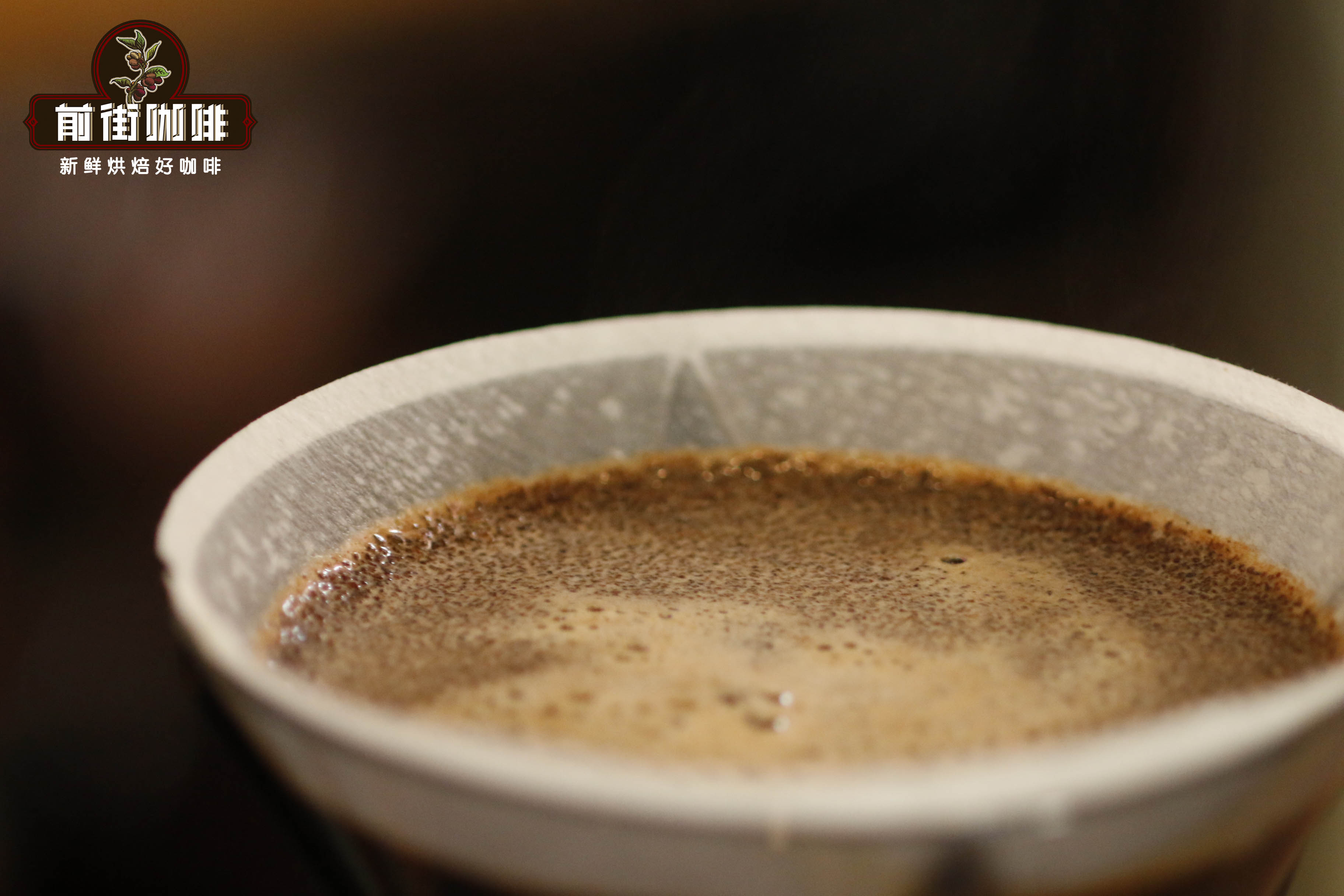
In fact, the technique has been around for a long time but has mostly circulated in small circles, which is why many people have never heard of it. Naturally, others have arrived at similar ideas on their own. Among them, FrontStreet Coffee wants to introduce the "One-Pour" method published by Tetsu Kasuya in 2019. [Tetsu Kasuya was the 2016 World Brewers Cup Champion, and the 46 brewing method he used in competition is surely unforgettable to everyone.]
Kasuya's One-Pour Method
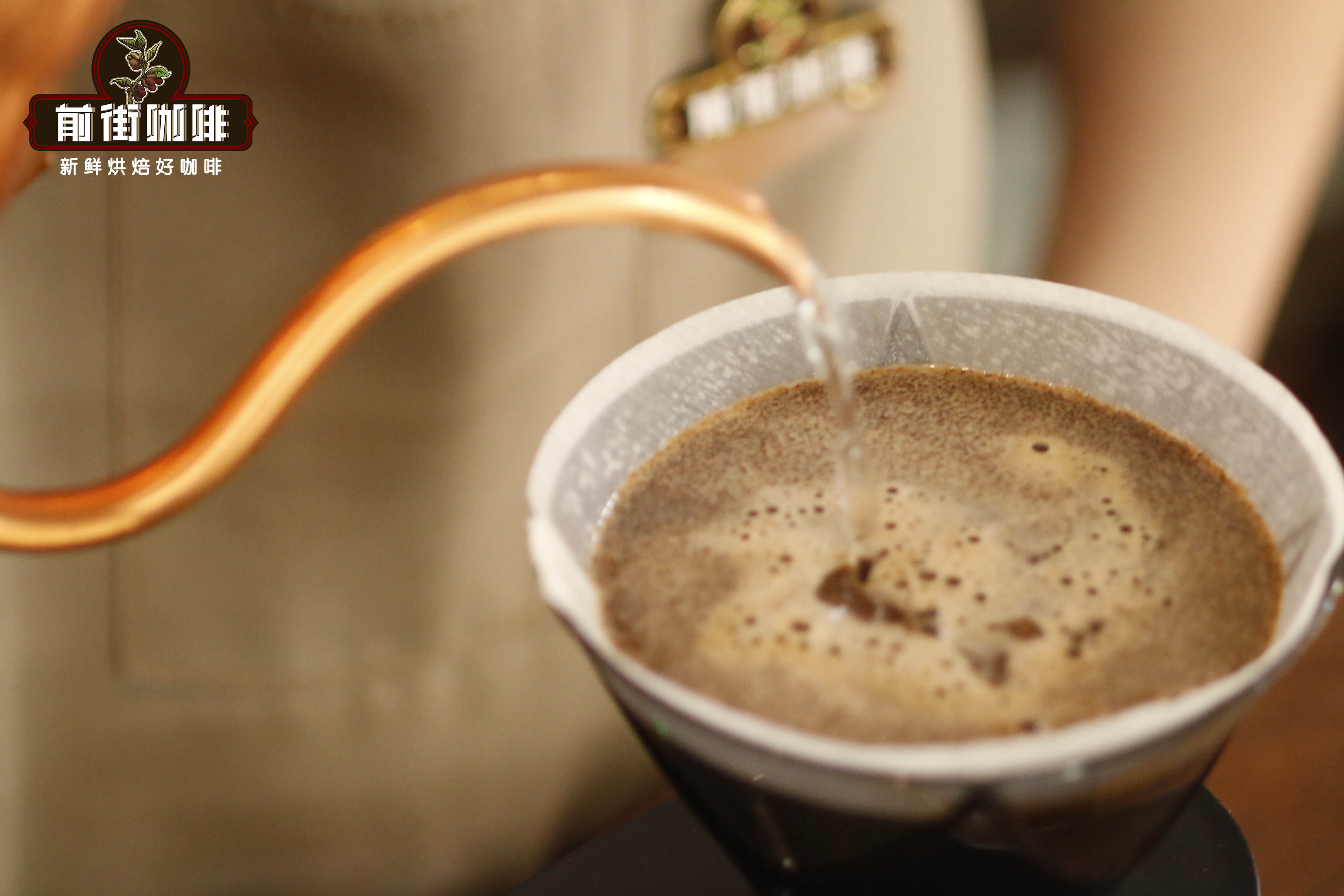
Tetsu Kasuya's brewing philosophy has always been to simplify coffee - no frills, no fuss. This time he set out to brew something delicious in a simple way. He uses a V60 dripper, 30g of coffee ground much finer than usual, 95°C water, and pours 300ml within 15 seconds using a large flow. The pouring motion is a straightforward circular one. The ideal total drip time is 1 minute and 30 seconds. After brewing, the coffee grounds cling evenly to the dripper walls.
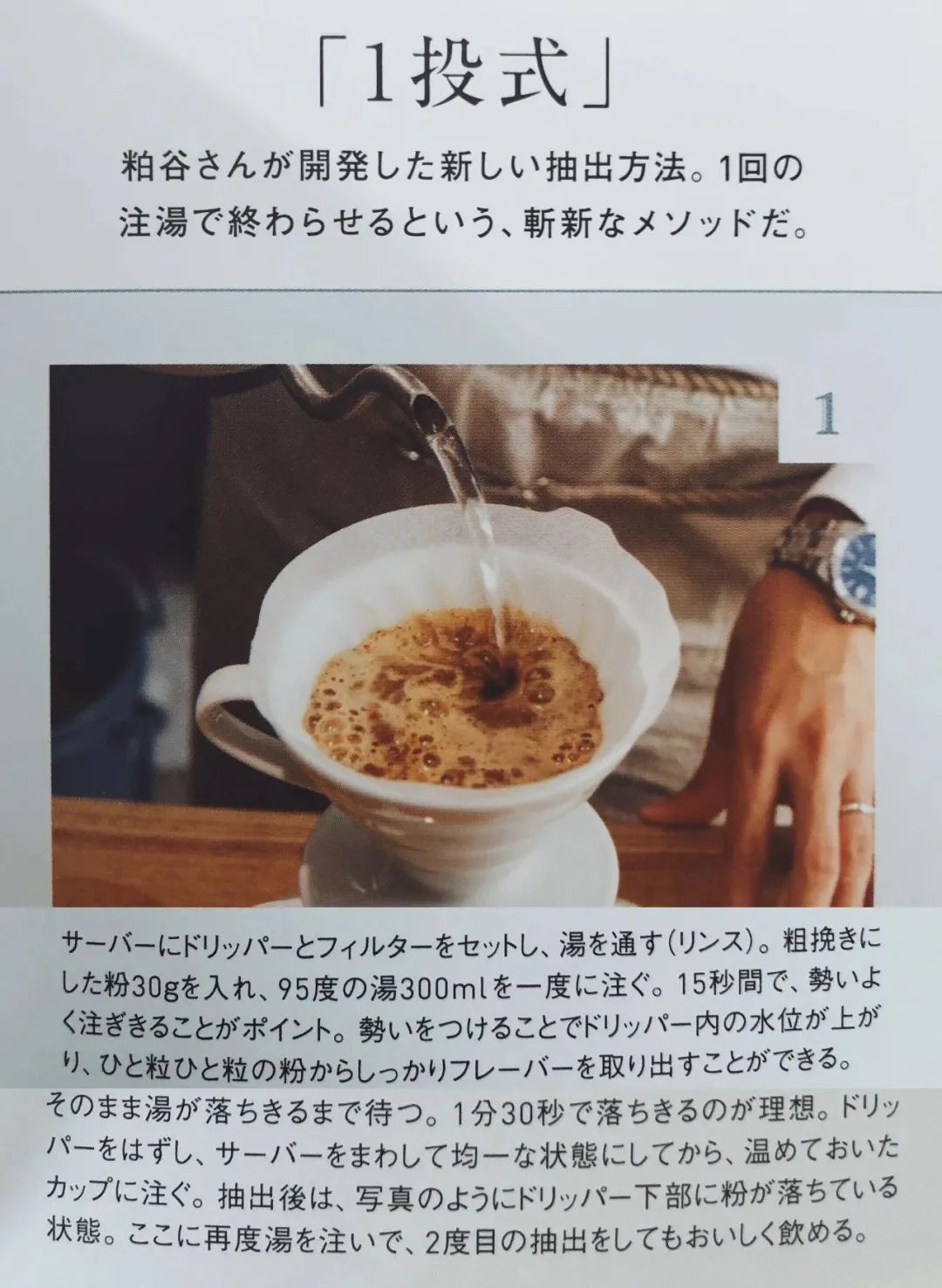
Cover of the Japanese coffee magazine "CAFERS"
Characteristics of This Method
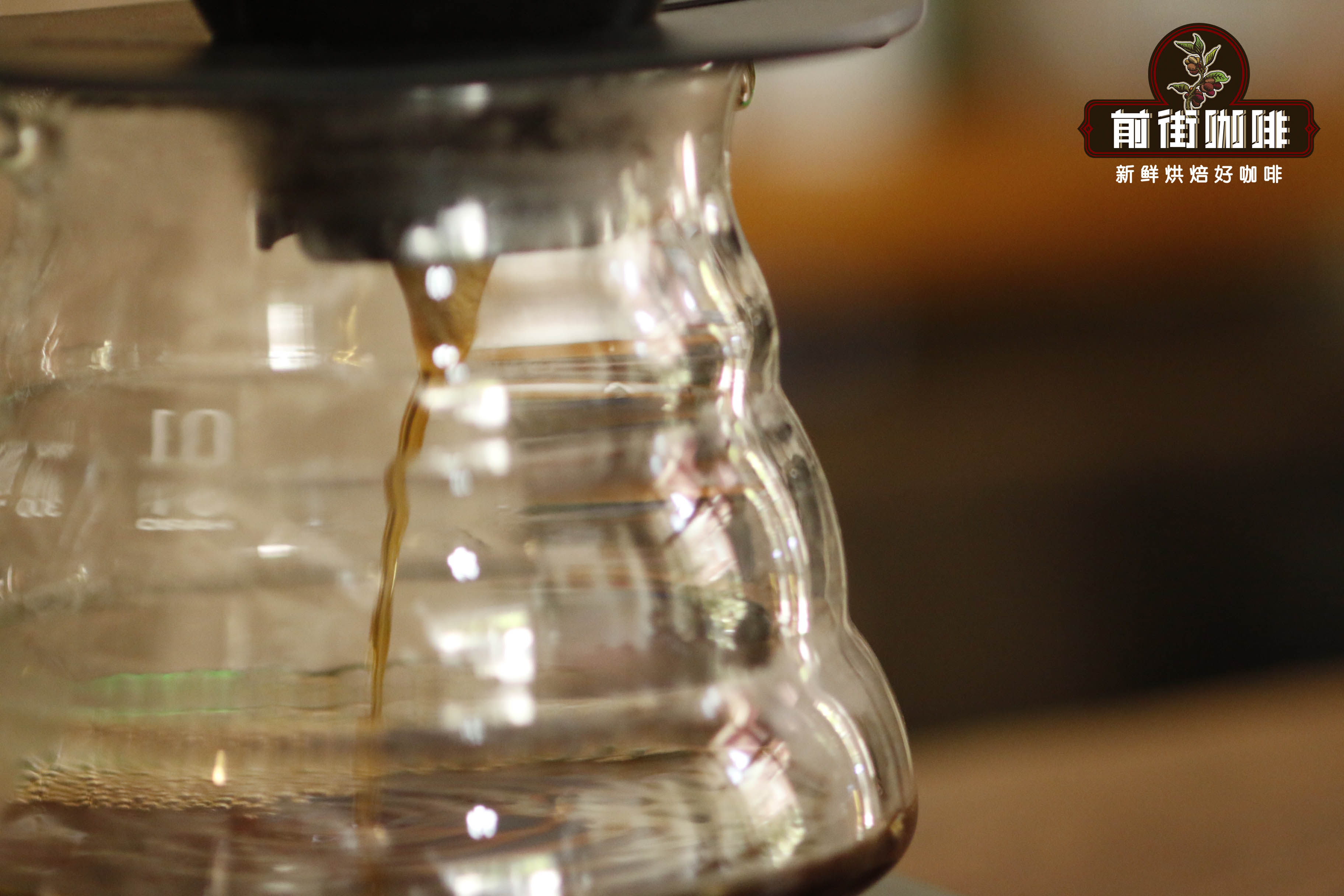
This is really a high-concentration, low-extraction approach. The slightly finer grind lets water wet the interior of the grounds more quickly, so the bloom becomes unnecessary. Finishing the pour in a short time with high-temperature water and then letting the dripper drain on its own removes the need for water-control technique. The extracted flavor shows rich, active fruit notes. The high concentration compensates for the lower extraction, creating an alternative sensory experience.
One-Pour Method Considerations
Simple as it is, a few details still deserve attention:
Choose a larger dripper (2-4 cup capacity), since a short, fast pour raises the coffee bed very high, and a small dripper may not hold that much water.
It's best to select light-roast coffee beans with floral and fruity notes. This method is especially suited to beans that carry those fresh aromas.
You don't need to control the pour, but you should use a large flow and circle quickly in one direction to create a "whirlpool" effect.
You don't need to watch your hands; just adjust the grind size and use the total time to judge whether the grind is right.
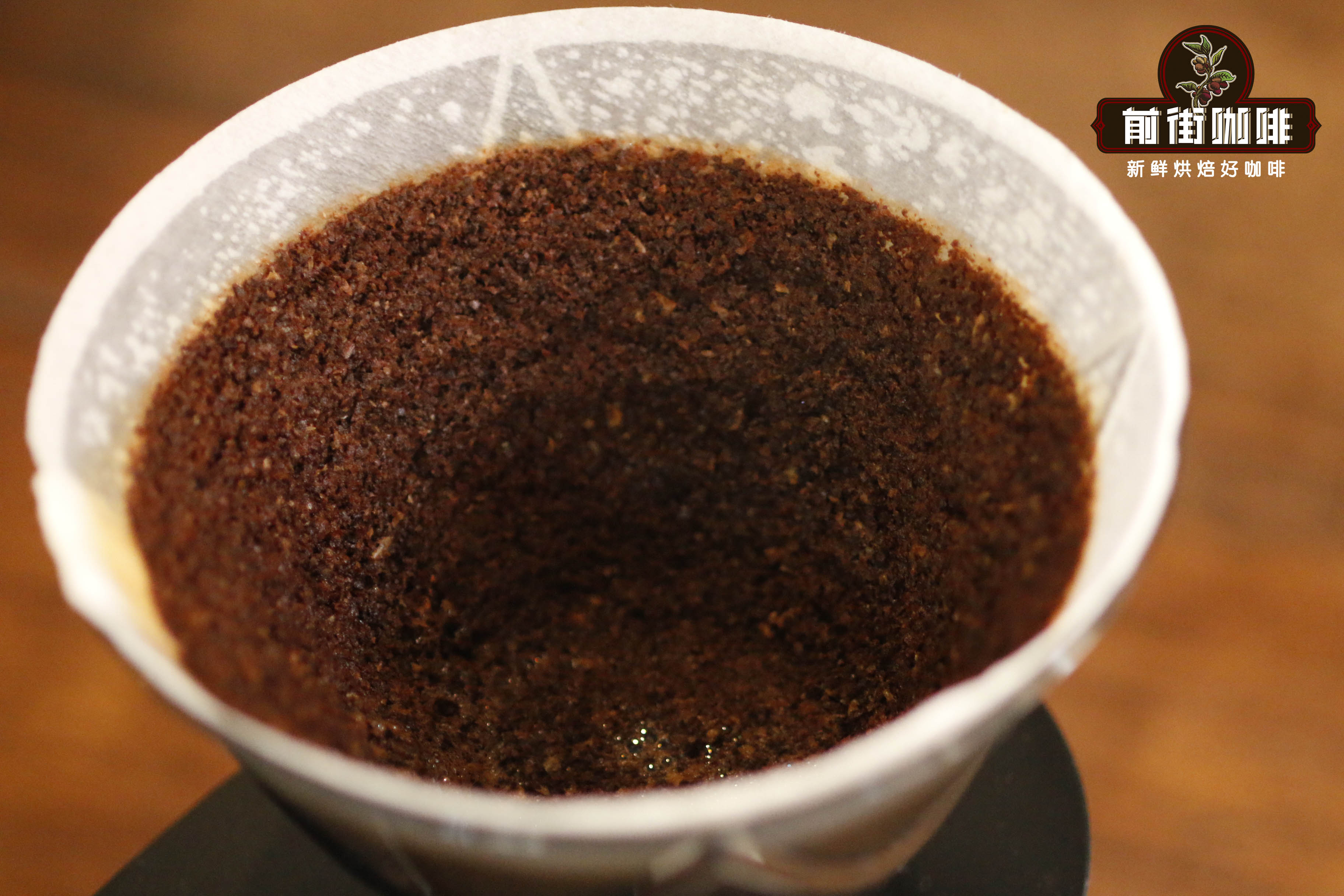
The spent coffee bed looks lovely - it clings evenly to the dripper walls with a flat bottom, shaped like a bowl.
FrontStreet Coffee's One-Pour Method
FrontStreet Coffee also touched on this method briefly in its review of the Hario Infinity Dripper, noting that the dripper suits One-Pour brewing well. FrontStreet Coffee adjusted some parameters specifically for this dripper to express better flavors.
FrontStreet Coffee chose Costa Rica Musician Beethoven, which has yellow floral notes with flavors of honeydew melon and papaya. Using 20g of coffee ground to roughly 95% passing through a #20 standard sieve (coarser than Tetsu Kasuya's), because the Infinity Dripper itself has a slightly slower flow rate. The water temperature is 94°C, and the pouring method is the same as Tetsu Kasuya's. The water amount, however, is poured to 240ml, a ratio of 1:12.
The concentration measured with a refractometer was 1.47%, calculating an extraction rate of 15.56% - truly high concentration with low extraction. When tasting, though, there was no sense of discomfort from concentration or a lack of flavor. Instead, the active acidity and distinct floral notes were very pleasant to drink.
FrontStreet Coffee Recommendation
One-Pour rewards beans with lift, so reach for a light roast. FrontStreet Coffee's Ethiopia Yirgacheffe Gudingding, a washed Yirgacheffe, is a natural fit: citrus, berries, and florals lead into a soft, bright acidity with a green-tea finish. That gentle, fruit-like brightness is easy to accept, which is exactly why so many people treat it as their first step into specialty coffee - and why it performs so well under a fast single pour.
If you want even more fruit in the cup, FrontStreet Coffee's Ethiopia Huakui is the pick. Its tropical aroma is striking, with strawberry, passionfruit, jackfruit, and even lychee in evidence. Sweetness is obvious and bitterness is minimal, so the mouthfeel is smooth and full of juice. Many drinkers describe it as "the coffee that tastes least like coffee," and for anyone who dislikes the bitterness of traditional coffee, it tends to rewrite the impression of what coffee can be.
Important Notice :
FrontStreet Coffee is a long-established specialty coffee roaster in Guangzhou China, selling freshly roasted beans from its own farm in Yunnan as well as dozens of carefully selected single-origin beans from around the world for both pour-over and espresso. The products deliver consistently excellent quality and great value, with shipping within 24 hours. Guangzhou's FrontStreet Coffee shop is recommended by many coffee lovers, and the beans are now available online at the Tmall 。
FrontStreet Coffee has moved to a new address:
FrontStreet Coffee Address: 315,Donghua East Road,GuangZhou
Tel:020 38364473
 Scan and follow the En Gafei WeChat official account. Please indicate that the reprint comes from "En Gafei".

