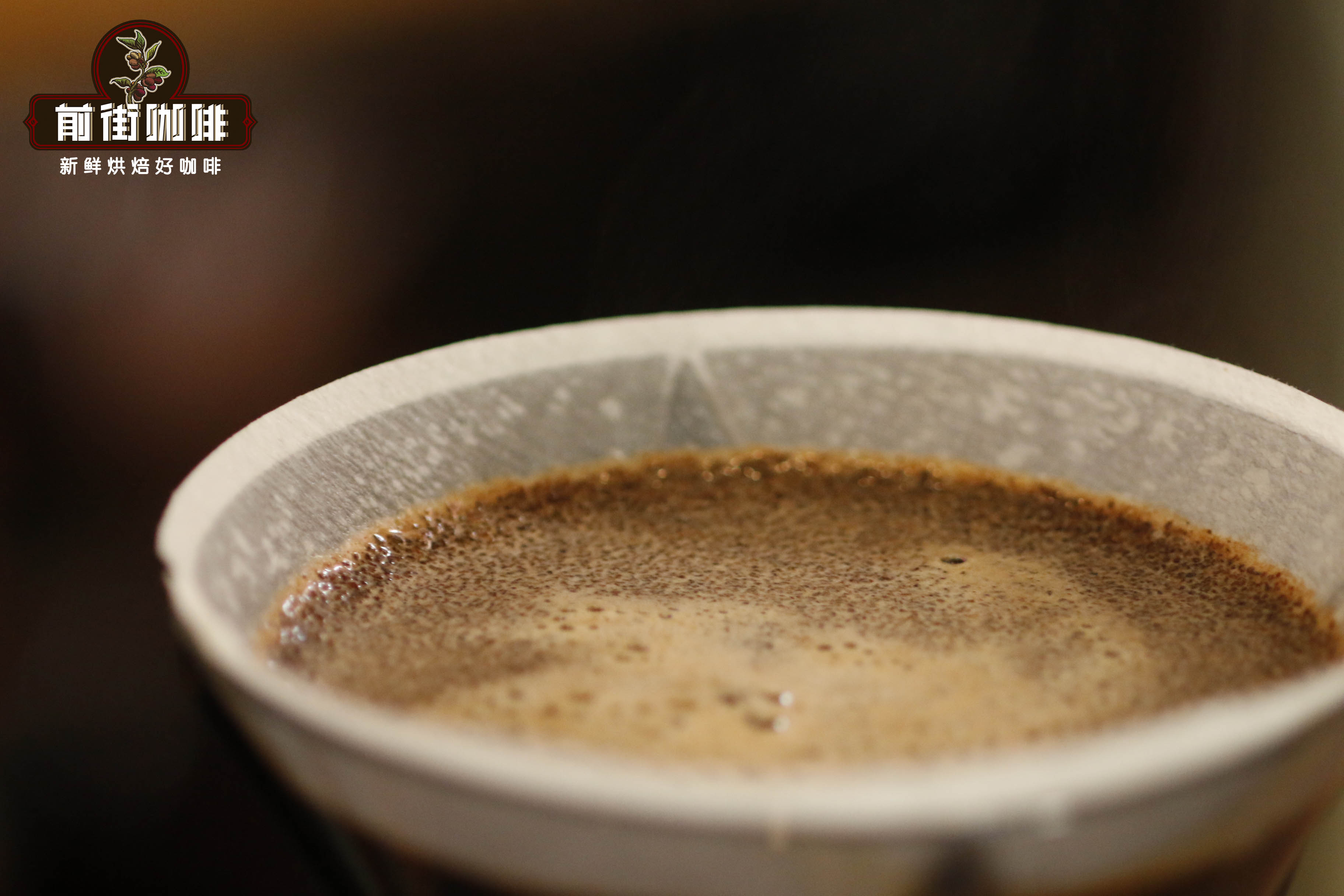
Home Coffee Bean Selection Guide: What Beans to Use for Hand-Ground Coffee and How to Make Pour-Over Black Coffee

Shopping for coffee beans online or standing in front of a café's bean wall can be genuinely overwhelming. Which one is right for you? Keep a few simple principles in mind and choosing gets much easier.
Match the Beans to Your Brewing Method
Coffee beans generally fall into two camps: single-origin beans and espresso blends. Single-origin beans come from one region or estate and tend to taste clean and distinctive. Espresso blends combine beans from different origins so the flavor stays consistent year-round, and they usually lean rich and robust.
If you brew with pressure — a moka pot or espresso machine — pick an espresso blend. If you brew by drip or immersion — pour-over, French press, cold drip, cold brew, siphon, or a drip coffee maker — pick a single-origin.
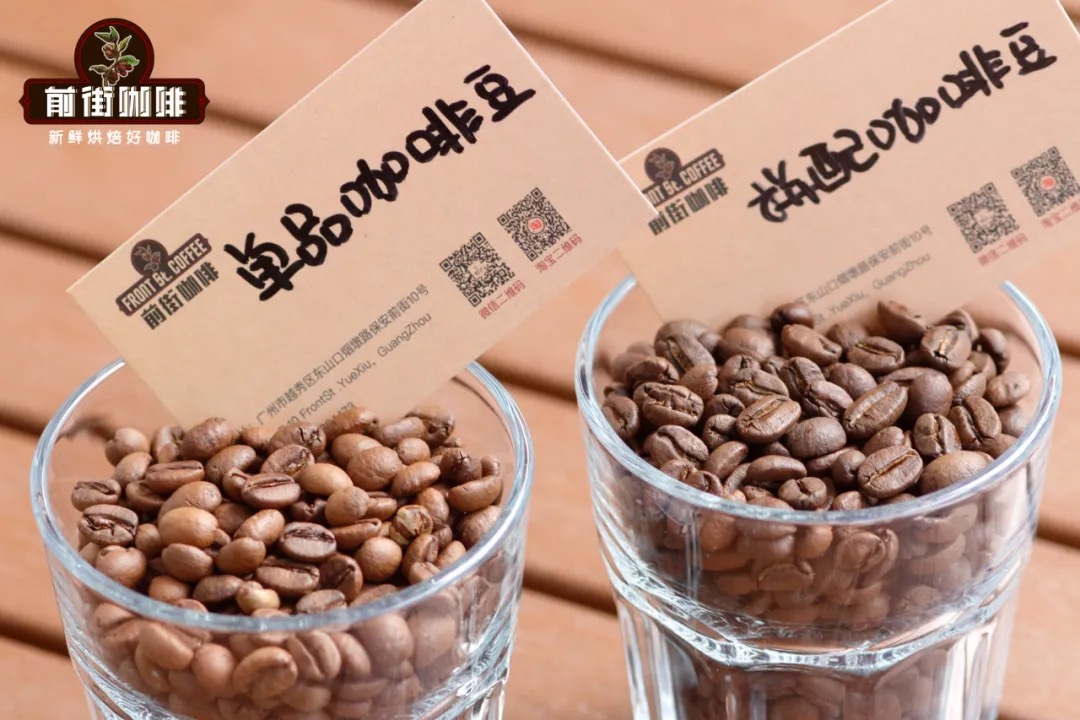
That said, blends aren't off-limits for filter brewing, and single origins can absolutely go through an espresso machine. Roasters often develop different roast profiles for different extraction methods, emphasizing certain flavors or textures to suit a particular technique.
Espresso beans are the natural choice if you love thick crema and balanced, intense flavor. FrontStreet Coffee's specialty espresso blend, for example, combines Colombia Huila and Brazil Cerrado in a 3:7 ratio, delivering rich roasted nut and chocolate aromas.

Buy Freshly Roasted Beans in One-Way Valve Packaging
FrontStreet Coffee keeps hammering on freshness for good reason: with every day after roasting, a coffee's flavors fade a little more until they're gone entirely. So check the roast date before you buy. Single-origin beans perform best 15–20 days after roasting, with an optimal tasting window of 30 days. Espresso beans peak around 30 days after roasting and stay good for about 45 days.
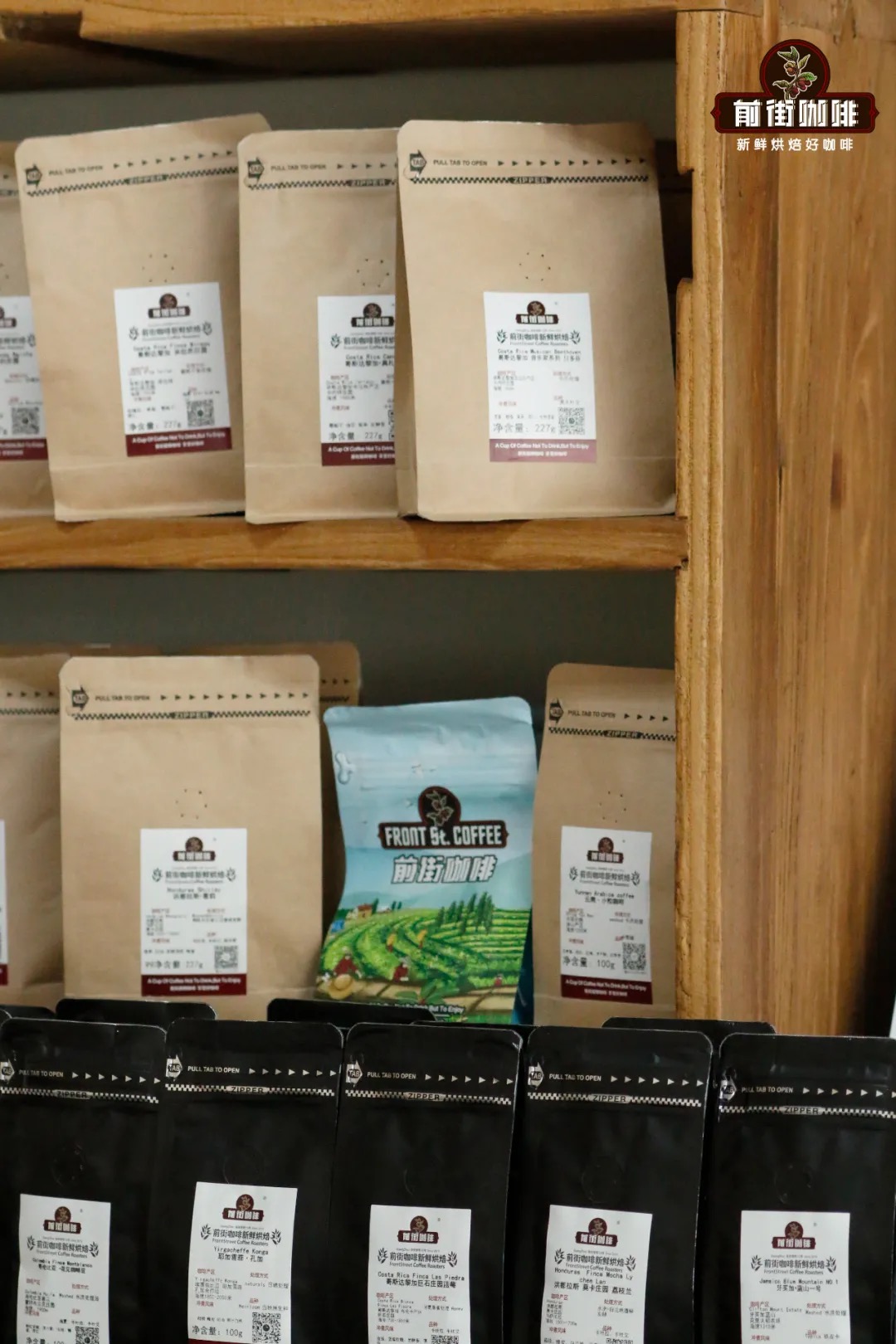
Does that mean the freshest beans are always the best? Not quite. Beans straight off the roaster are loaded with carbon dioxide and roast smoke, both of which interfere with extraction and flavor. Buy them fresh, then let them rest in sealed, one-way valve packaging — which vents internal gas while keeping outside air and moisture out — so the CO2 escapes and the smoky edge dissipates. The resting time depends on roast level: FrontStreet Coffee recommends 3–4 days for light-medium roasts, 5–6 days for medium-dark roasts, and 7–10 days for espresso beans.

Pick Single Origins by Region, Roast Level, and Flavor Notes
Here's a quick cheat sheet: for florals and fruity acidity, go African — usually roasted light-medium. For nutty sweetness, go Central or South American — usually medium. For a completely acidity-free, more bitter cup, go Asian — typically medium-dark.
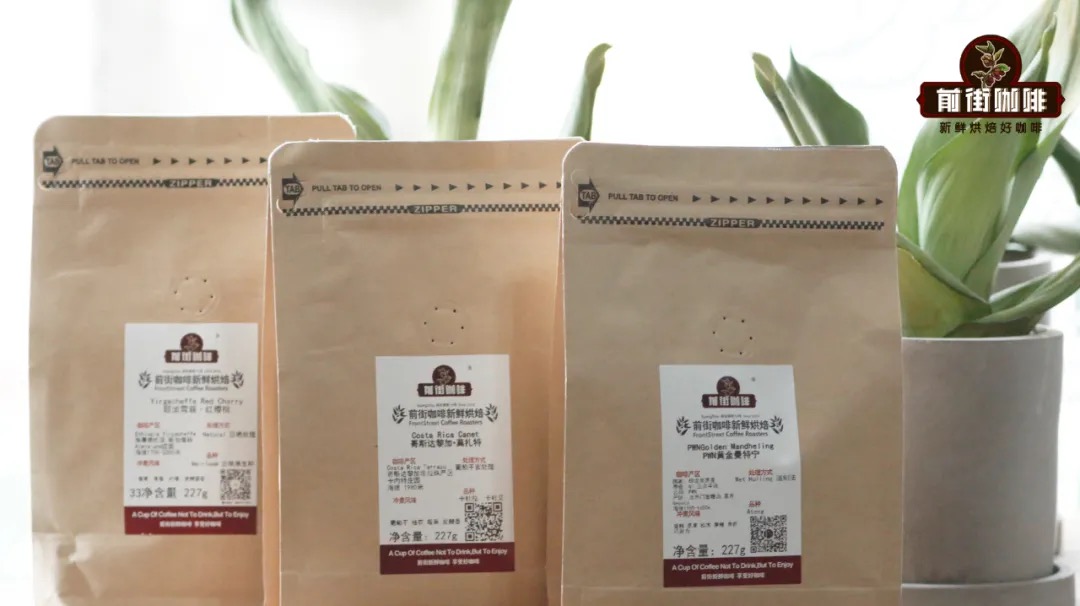
Different origins express different flavors depending on variety, altitude, processing, and roast. If you can't decide where to start, just let the roaster's flavor notes guide you.

When the notes highlight fresh characters — citrus, berries, florals, tea — you're looking at a light-medium roast with pronounced sweet-and-sour structure. Representative coffees include Yirgacheffe Gidding Cooperative, Panama Boquete Geisha, and Ethiopia Fagu.
When the notes lean rich — nuts, dark chocolate, cream — expect a medium to medium-dark roast with lower acidity and a fuller, more robust body. Representative coffees include Brazil Queen Estate, Papua New Guinea Bird of Paradise, and Indonesia Golden Mandheling.
And when the notes shout — winey aromas, intense fruit — those are usually specialty-processed beans where certain flavors have been deliberately amplified. Representative coffees include Honduras Sherry, Costa Rica Mozart, and Colombia Rose Valley.

Whole Beans or Pre-Ground?
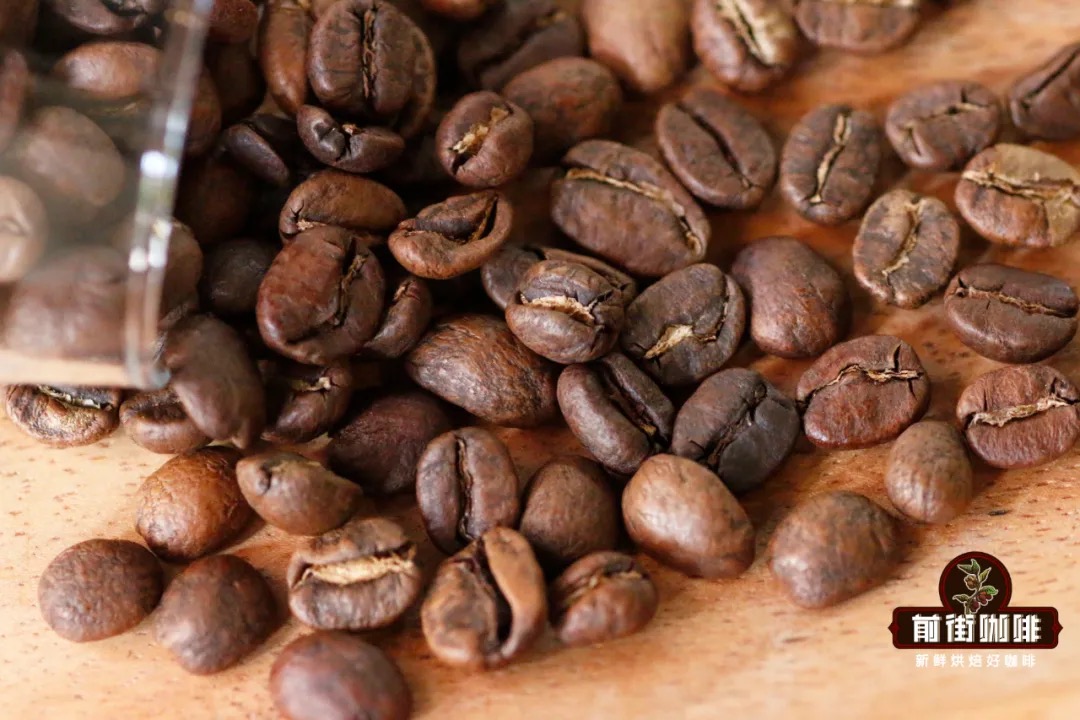
Plenty of shops offer to grind your beans if you don't own a grinder. But whenever possible, FrontStreet Coffee recommends buying whole beans. Whole beans hold their flavor far better, while ground coffee's increased surface area lets aromas escape quickly. If you drink coffee regularly, it's worth investing in a manual grinder from about 200 yuan upward and grinding right before you brew. As long as the beans are within their tasting window, freshly ground will always beat pre-ground.
If a grinder is truly out of the question but you still want the pour-over experience, go for drip coffee bags.

FrontStreet Coffee's drip bags hold freshly ground single-origin coffee, 10g per bag, individually sealed. Just tear open the outer pack and the filter bag, then pour about 150g of 90°C water over it for an aromatic cup of single-origin coffee. Use the drip bags within 30 days of purchase.
FrontStreet Coffee Recommendation
Colombian coffee is one of the most versatile origins you can buy — it works in espresso blends and as a single origin, spans fruity and full-bodied styles, and even covers intensely aromatic lots. To get to know the country, start with FrontStreet Coffee's washed Huila beans. Huila, in the hills of Colombia's central cordillera at elevations above 1500 meters, is the country's most famous specialty region, with abundant water from the rivers that converge there. Roasted medium-dark, it brings out dark chocolate, nutty sweetness, moderate body, and a rich mouthfeel — great as pour-over or French press, and equally at home in a moka pot or espresso machine for Americanos and lattes.
For something more adventurous, try FrontStreet Coffee's Jalao (Sidra) from Finca La Línea, processed by anaerobic natural fermentation — a low-oxygen fermentation in pressurized stainless tanks where temperature, time, and pH are carefully controlled. Roasted light-medium, it bursts with passion fruit, grape, apricot, and dried-fruit complexity as pour-over, cold brew, drip bag, or even moka pot.
And if you brew with a home espresso machine or moka pot, the barista favorite is FrontStreet Coffee's specialty espresso blend: Brazil's creamy nuttiness paired with Colombia's deep chocolate bitterness, extracting with fine golden crema. It pairs beautifully with milk for a rich, silky latte, is very beginner-friendly, and anchors Americanos, cappuccinos, and mochas just as well.
Important Notice :
FrontStreet Coffee is a long-established specialty coffee roaster in Guangzhou China, selling freshly roasted beans from its own farm in Yunnan as well as dozens of carefully selected single-origin beans from around the world for both pour-over and espresso. The products deliver consistently excellent quality and great value, with shipping within 24 hours. Guangzhou's FrontStreet Coffee shop is recommended by many coffee lovers, and the beans are now available online at the Tmall 。
FrontStreet Coffee has moved to a new address:
FrontStreet Coffee Address: 315,Donghua East Road,GuangZhou
Tel:020 38364473
 Scan and follow the En Gafei WeChat official account. Please indicate that the reprint comes from "En Gafei".