Benefits and Effects of Kopi Luwak: Differences Between Kopi Luwak Beans and Regular Coffee Beans and Why It's So Expensive
Understanding Kopi Luwak: The World's Most Expensive Coffee
Many people have heard of Kopi Luwak but few have actually tasted it, because it is extremely expensive and one of the most costly coffees in the world. Some are put off by the name, assuming it is unclean and not worth drinking. In reality, Kopi Luwak originates from Indonesia and is one of the world's most luxurious coffees. Its original name is actually civet coffee.
Why Is It Called Kopi Luwak?
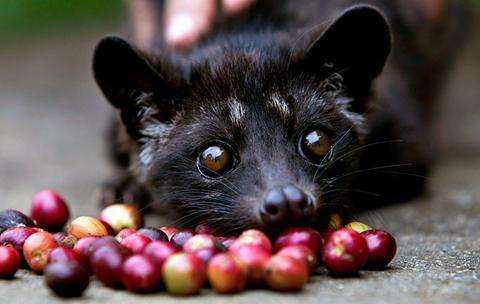
Kopi Luwak was first discovered in the early 18th century, during Dutch colonial rule in Indonesia, when coffee plantations were established in Sumatra and Java to supply the European market. The Dutch colonizers prohibited locals from picking and consuming coffee fruits. Even so, the locals wanted to taste the coffee they cultivated. Around this time, plantation workers noticed that the coffee fruits they grew were often stolen by local civets, animals with an extremely keen sense of smell that would select only the most fragrant, sweet and fully ripe red fruits. The civet's digestive system cannot digest those fruits, so although it eats the coffee cherries, it excretes them completely intact.
Civets eat only the ripest and sweetest coffee cherries, which makes production extremely scarce. What is more, only civets from Sumatra can produce Kopi Luwak; civets elsewhere in the world cannot. This is why Kopi Luwak commands such a high price.
The locals who cultivated coffee trees began collecting the coffee fruits excreted by civets, cleaning and roasting them. On tasting them, they found the coffee more delicious than ordinary Sumatran beans, with a richer, more mellow flavor. This is the origin story of Kopi Luwak.
Kopi Luwak is produced in Indonesia and is one of the world's most expensive coffees, even pricier than Blue Mountain coffee. It is also known as civet coffee. Those unfamiliar with it might assume it tastes unpleasant or is unclean. In reality, the processing method involves letting the civet eat ripe coffee cherries, which are then digested and fermented in its body before being excreted. Because this fermentation happens inside a living system, the taste differs slightly from regular coffee, but fundamentally it is no different from ordinary coffee. Modern artificial production, meanwhile, pursues quantity by continuously feeding civets coffee cherries and keeping them in cages, which changes the nature of the product.
What Does Kopi Luwak Taste Like?
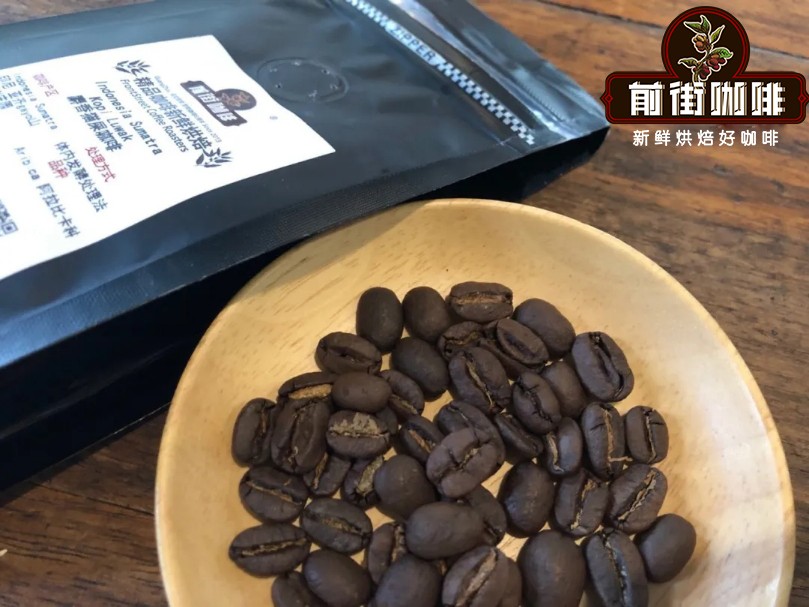
Kopi Luwak is produced in Indonesia, so its flavor naturally carries notes of nuts, pine and herbs. Sumatran coffee beans have always been known for their mellow richness. FrontStreet Coffee's Mandheling, for example, features distinctive herbal and earthy flavors. The coffee cherries the civets eat come from plants with a flavor profile similar to Mandheling. After fermentation inside the animal, the beans develop an extra fermented note compared with Indonesian Mandheling coffee. Similar fermented flavors can also be achieved through natural processing. As for why Kopi Luwak is considered delicious, the key actually lies in the inherent flavor of the coffee beans themselves.
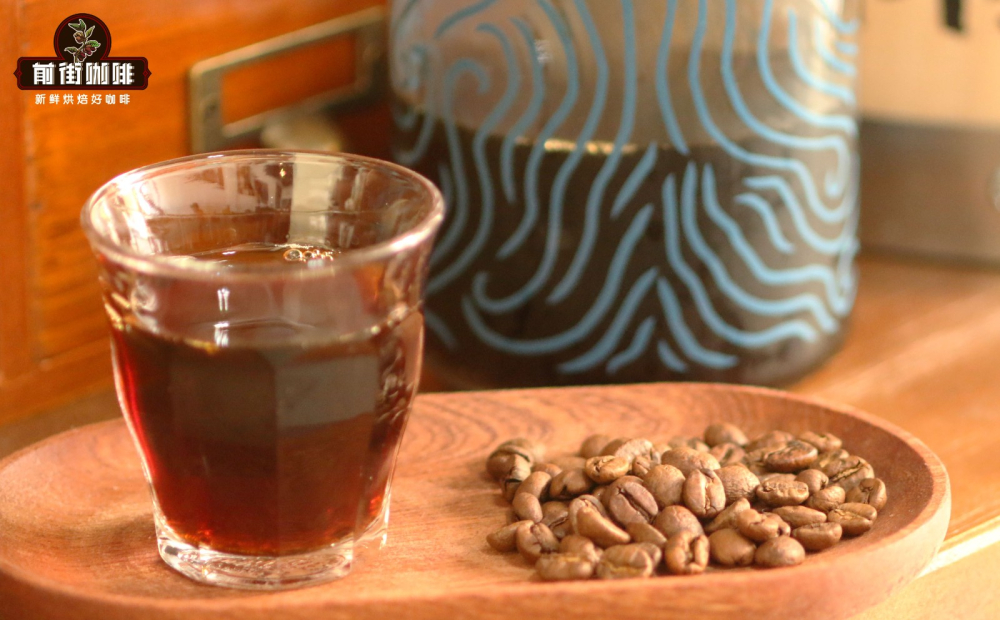
Put simply, FrontStreet Coffee would describe Kopi Luwak's flavor as Mandheling with fermented notes. Its high price comes from wild civets using their sensitive sense of smell to select the most delicious coffee cherries for internal fermentation. The processing method is unique and production is extremely scarce, so the price is high.
What's the Difference Between Kopi Luwak and Regular Coffee?
FrontStreet Coffee believes that Kopi Luwak and regular coffee are essentially the same: both are coffee, and their effects are identical. Coffee can boost our metabolism, thereby enhancing muscle performance during exercise. The caffeine in coffee can also make us more alert and improve endurance. Coffee also has a diuretic effect, so if you experience facial edema you can reduce it by drinking Americano. Many celebrities enjoy a cup of Americano to maintain their facial condition. Drinking too much coffee, however, can easily cause palpitations, and the elderly and people with high blood pressure are advised not to drink excessive amounts.
FrontStreet Coffee's Brewing Parameters for Kopi Luwak
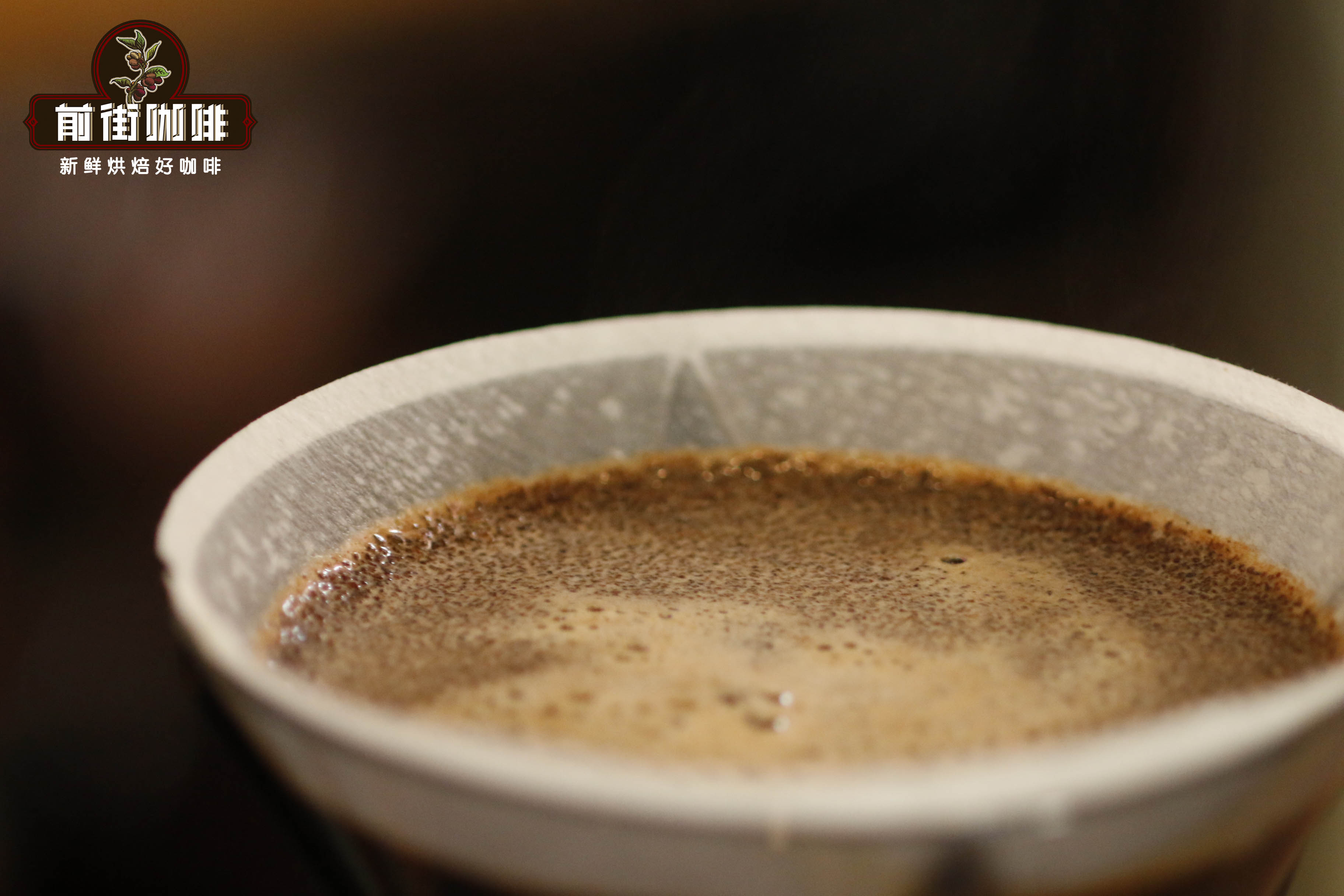
To better express the herbal flavors and rich mouthfeel of Kopi Luwak, FrontStreet Coffee's roasters use a medium-dark roast for these beans. Medium-dark roasted beans generally have higher dehydration rates, making them lighter in weight. During brewing the grounds do not completely sink to the bottom at first; they absorb water immediately on the first pour. Due to vigorous degassing, bubbles form around the grounds and create channels. These channels persist longer with fresher beans, causing the water level to drop rapidly. FrontStreet Coffee typically uses a coarse water flow and a slow circular pour.
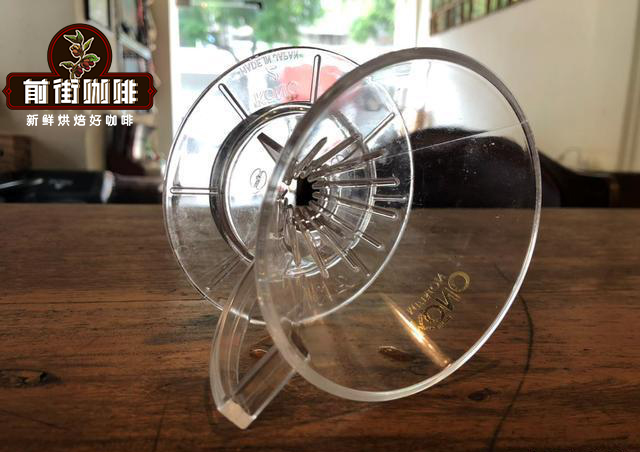
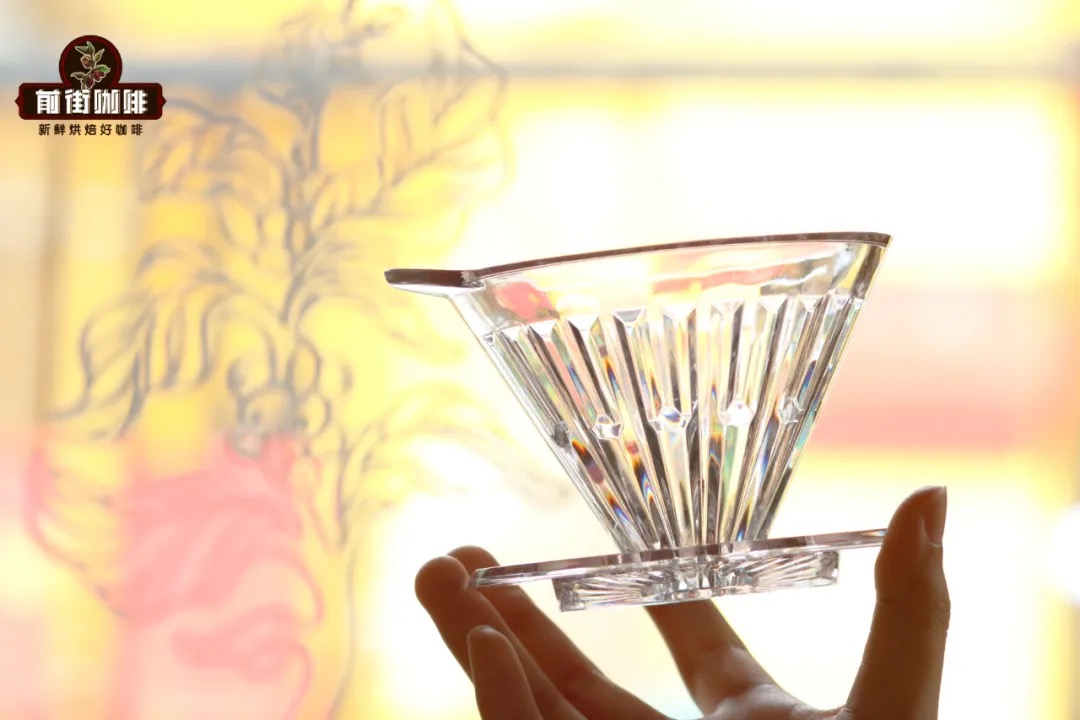
When brewing Kopi Luwak, FrontStreet Coffee chooses the KONO dripper because this dripper's only venting area is the one-quarter rib section. When the water level rises above the rib section, the water in the dripper keeps increasing, building pressure through the weight of the water. Since the outlet is relatively smaller, it extends the contact time between coffee particles and water. As the water flows, it extracts soluble substances more effectively, generally achieving the high richness customers expect.
FrontStreet Coffee's store brewing parameters for Kopi Luwak are: KONO dripper, 88°C water temperature, 1:15 coffee-to-water ratio, 15g of coffee grounds, grind size at 75% pass-through on a #20 standard sieve, and three-stage extraction.
Using segmented extraction, bloom with twice the amount of water as the coffee grounds (30g of water for 30 seconds). The blooming step is necessary to let the grounds release internal carbon dioxide, making the later extraction more stable. With small circular pours, split the pour when reaching 125g, then continue pouring to 225g and stop. Once the water has completely dripped through the dripper, remove it. Time from the beginning of pouring: 2'00". Next, pick up the whole pot, shake it well, then pour into cups for tasting.
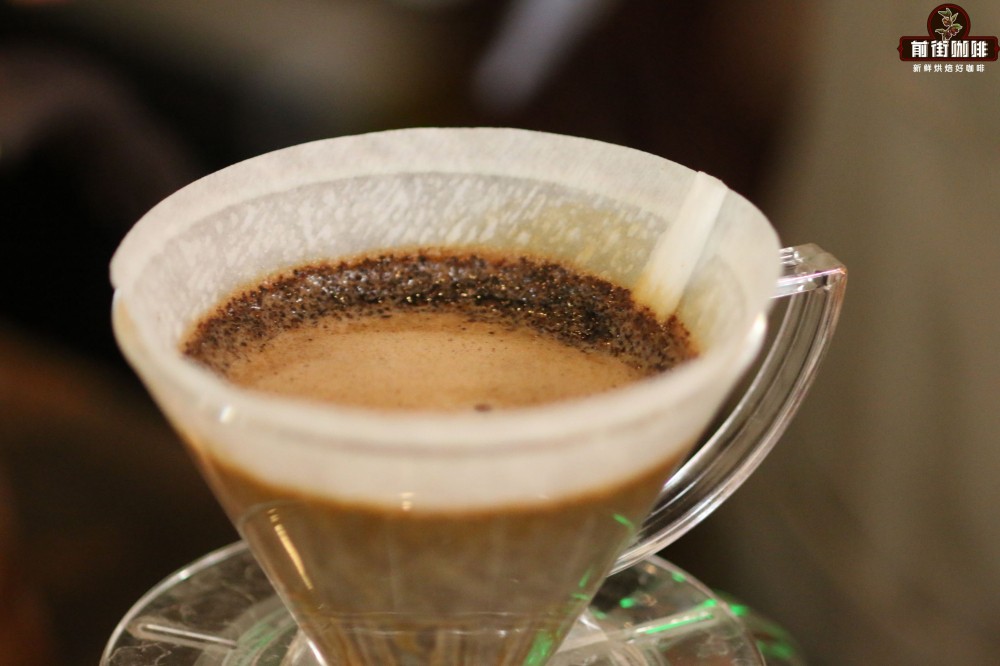
Kopi Luwak flavor description: herbal, nutty, smooth mouthfeel, rich and mellow.
FrontStreet Coffee's Brewing Recommendations
To brew a delicious cup, FrontStreet Coffee believes that bean freshness is a crucial element. The coffee beans shipped by FrontStreet Coffee are all roasted within 5 days. FrontStreet's roasting philosophy is "freshly roasted quality coffee," ensuring that every customer who places an order receives the freshest coffee possible. The optimal resting period for coffee is around 4-7 days, so when customers receive their coffee it is at its peak flavor.
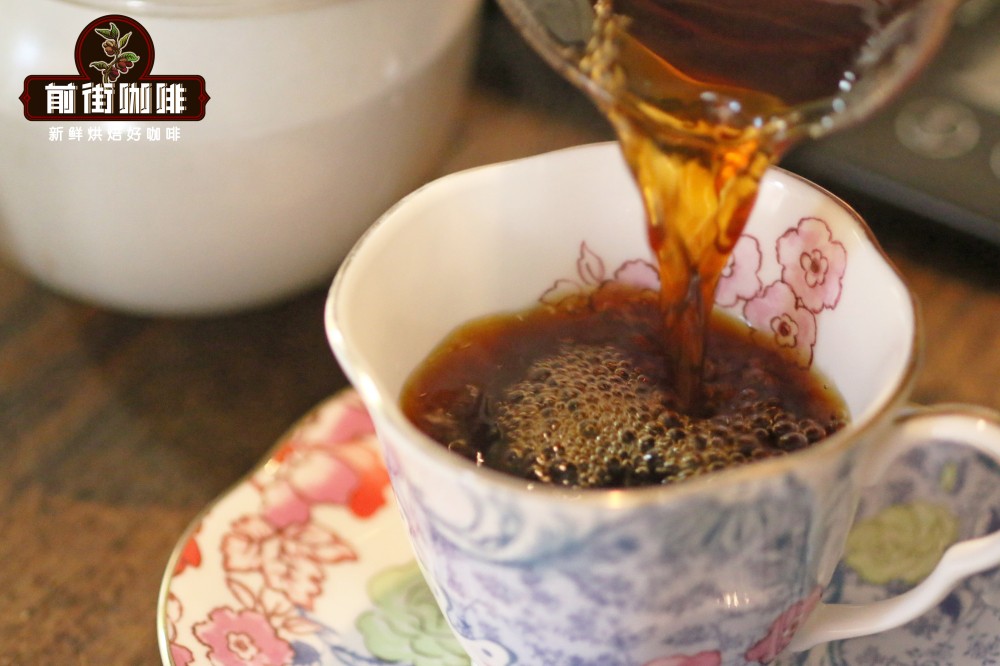
For those who need ground coffee, FrontStreet Coffee kindly reminds you that pre-ground coffee does not require additional resting time, because the pressure from carbon dioxide buildup in the package during shipping helps round out the flavor. You can therefore brew a cup immediately upon receiving ground coffee. Ground coffee does need to be brewed promptly, though, because it oxidizes quickly in air, so the flavor dissipates faster and is not as good. That is why FrontStreet Coffee recommends buying whole beans and grinding them fresh before brewing to better experience the coffee's flavor.
When it comes to coffee, you do not necessarily have to drink Kopi Luwak; FrontStreet Coffee believes there are many options to choose from. Ethiopian coffee with its floral and fruity notes, Colombian coffee with its fruity acidity and dark chocolate flavors, Indonesian Mandheling with its nutty and pine notes, Panama Geisha with its citrus and berry tones, and more. If you are really unsure how to choose, try FrontStreet's daily coffee beans, which offer eight different coffee flavors from various origins at excellent value.
FrontStreet Coffee Recommendation
If Indonesian character is what you are after, the most direct route is Mandheling. FrontStreet Indonesian Wet-Hulled Mandheling comes from the Lintong region by Lake Toba in Sumatra and is roasted medium-dark to bring out caramel, dark chocolate and toasted bread aromas over a low-acid, full body with a long sweetness - a classic sumatra experience for anyone who likes a strong cup.
For the top of the category, FrontStreet PWN Golden Mandheling is the benchmark. Produced under PWN's strict standards, it is sorted by hand to remove defects, giving even, plump and translucent beans and a cleaner, sweeter cup than standard Mandheling, with notes of sandalwood, herbs, spice, roasted hazelnut, caramel and dark chocolate.
And if you want Mandheling's wild character in an espresso, FrontStreet Classic Blend adds a medium-dark Mandheling to the creamy, nutty base of Brazil, so butter, roasted chestnut and caramel stand out and the cup gains sandalwood, herbal and spice notes, with a little Robusta added to enrich the crema.
Important Notice :
FrontStreet Coffee is a long-established specialty coffee roaster in Guangzhou China, selling freshly roasted beans from its own farm in Yunnan as well as dozens of carefully selected single-origin beans from around the world for both pour-over and espresso. The products deliver consistently excellent quality and great value, with shipping within 24 hours. Guangzhou's FrontStreet Coffee shop is recommended by many coffee lovers, and the beans are now available online at the Tmall 。
FrontStreet Coffee has moved to a new address:
FrontStreet Coffee Address: 315,Donghua East Road,GuangZhou
Tel:020 38364473
 Scan and follow the En Gafei WeChat official account. Please indicate that the reprint comes from "En Gafei".