
Beginner's Guide to Coffee Dripper Recommendations! Detailed Features and Usage of the Ice Pupil Dripper and Its Differences from V60
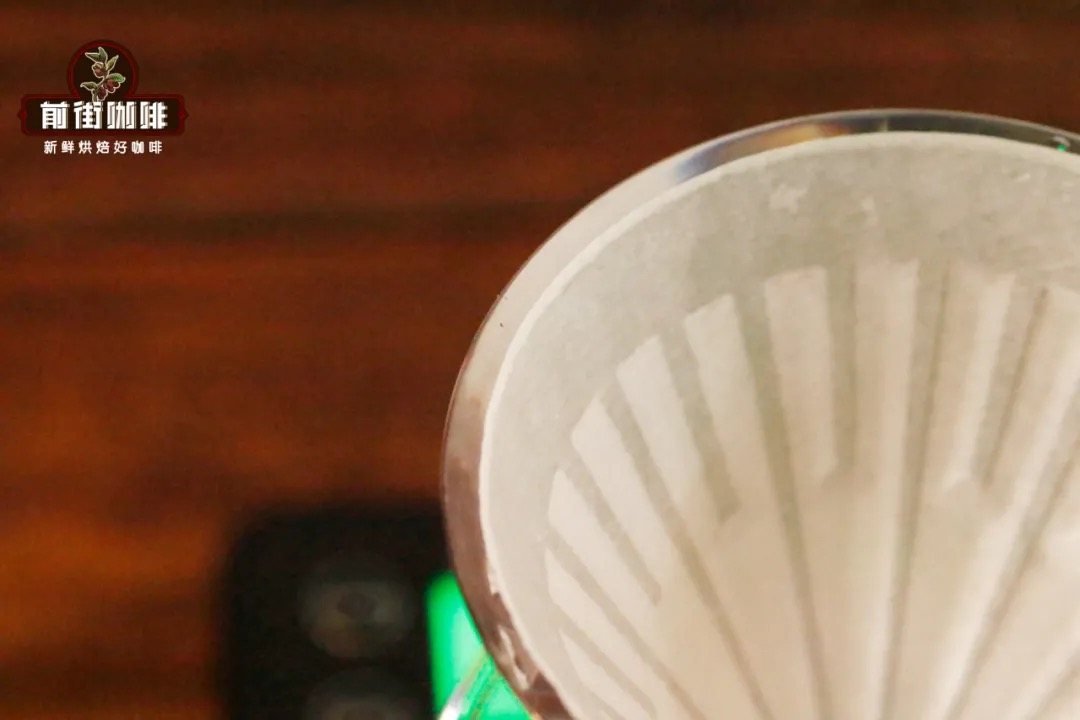
Today's star is the Ice Pupil Dripper, shimmering under the light and fitting perfectly with the filter paper. Our barista "model" reports that brewing with this Ice Pupil Dripper is truly a delight.

What are the characteristics of the Ice Pupil Dripper?
Most coffee drippers we meet daily have prominent ribs on their walls, creating space between the filter paper and the dripper wall, known as exhaust channels. The length and direction of these channels determine how fast water flows through the coffee bed.
The V60 dripper's exhaust channel design, for example, uses curved spiral rib structures, what we commonly call spiral patterns. These ribs extend from the rim to the drain hole, maximizing the coffee bed's exhaust while the curved path increases the distance the water travels, extending contact time between coffee particles and water. The large-diameter filter hole at the bottom lets users control extraction time by adjusting the flow rate.
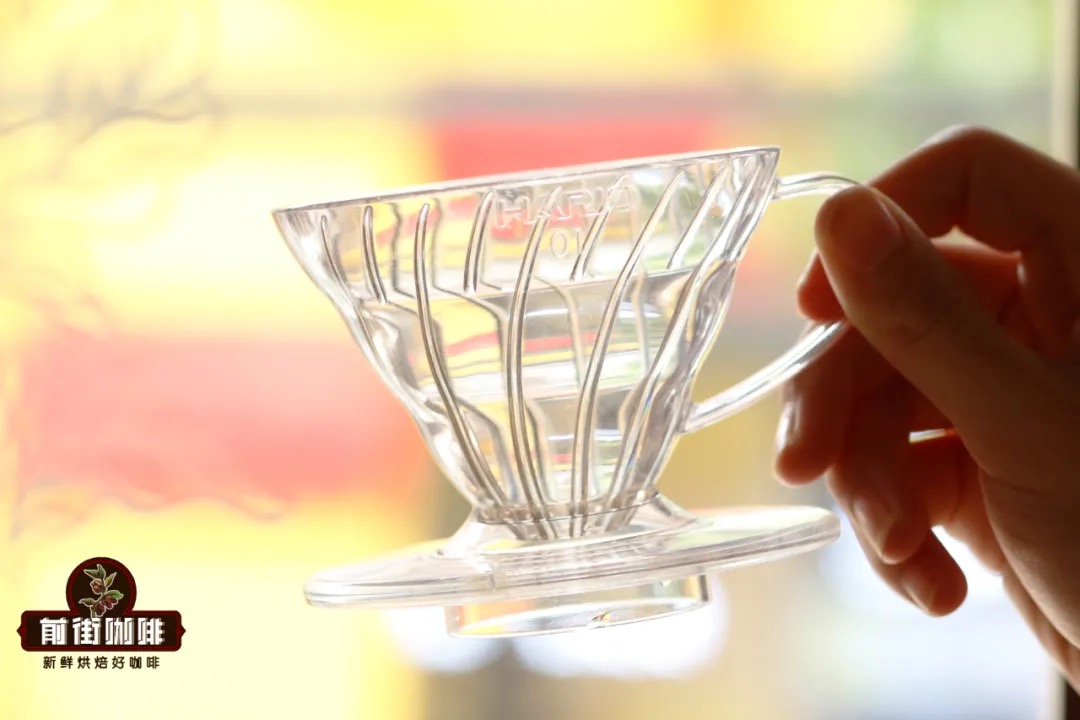
The Ice Pupil Dripper's exhaust design, however, uses indented grooves. From the side we can see that its texture is divided into three layers. The upper smooth surface seals and fits completely with the filter paper. The middle layer consists of 24 short grooves extending from the smooth surface to half the dripper's depth. The lower layer has 12 long grooves extending from the short grooves down to the dripper's drain hole.
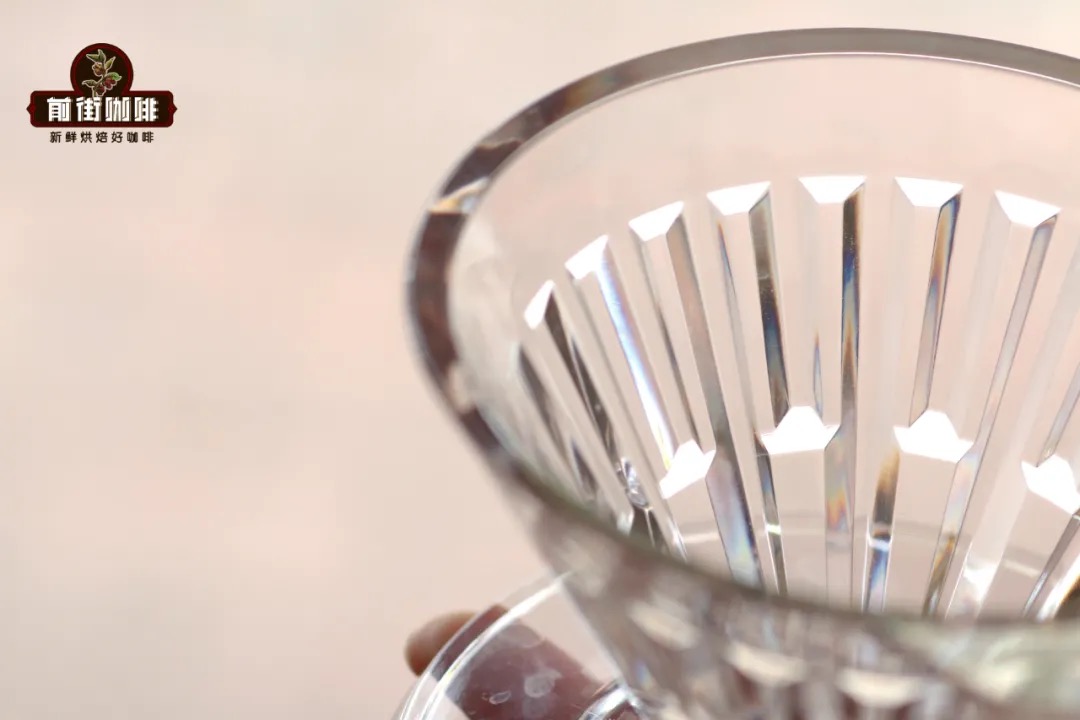
The grooves in the lower and middle layers are staggered, so the lower layer remains essentially suspended. This staggered design lets water pass slowly through the middle layer for full extraction, then accelerate immediately in the almost suspended lower layer to avoid over-extraction. It truly resembles a roller coaster, giving the coffee liquid enough psychological preparation before it descends rapidly into the lower pot.
What's the difference between coffee brewed with Ice Pupil and V60?
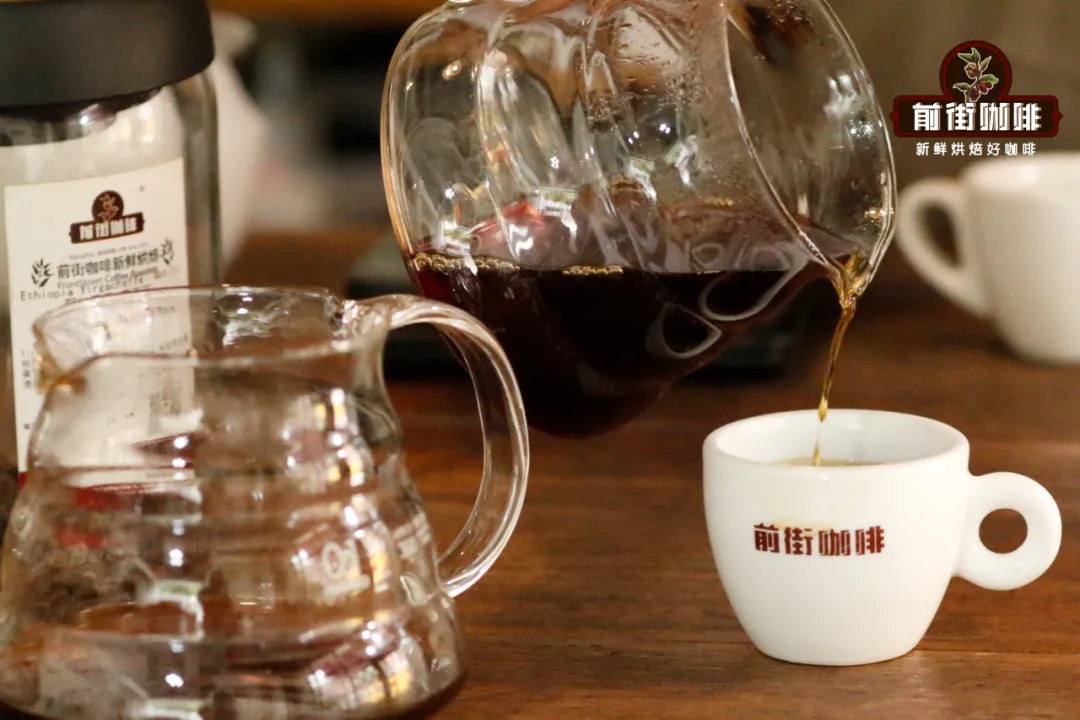
Both are conical drippers with relatively fast flow rates. We can observe that both achieve sufficient extraction while effectively reducing over-extraction under certain conditions, making them very user-friendly for coffee beginners. This time we will use the same brewing parameters for Yirgacheffe Gedeb Cooperative washed coffee beans to see how each performs in terms of flavor.

Brewing parameters: 15g of coffee beans; grind size at fine-sugar consistency (78% retention on China No.20 standard sieve); water temperature 91°C; coffee-to-water ratio 1:15. Using a three-pour method: first pour 30g of water for a 30-second bloom, then pour 95g of water for extraction, and when the water level drops to two-thirds, add another 100g of water. Total water poured: 225g.
V60 extraction time: 2'10". The coffee presents jasmine aroma, bright lemon acidity, cane sugar sweetness and a green tea aftertaste, with rich flavor layers.
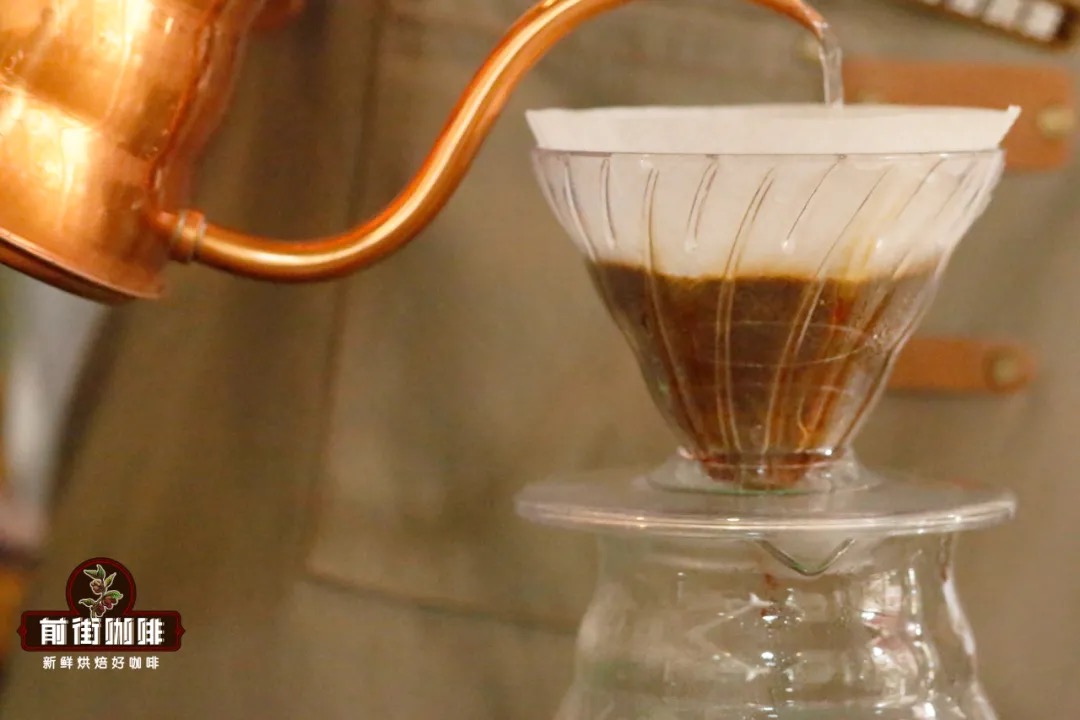
Ice Pupil extraction time: 2'10". The coffee presents a precious floral aroma, pomelo fragrance with a hint of pomelo peel bitterness, very prominent honey sweetness and an oolong tea-like aftertaste, with a full and solid mouthfeel.
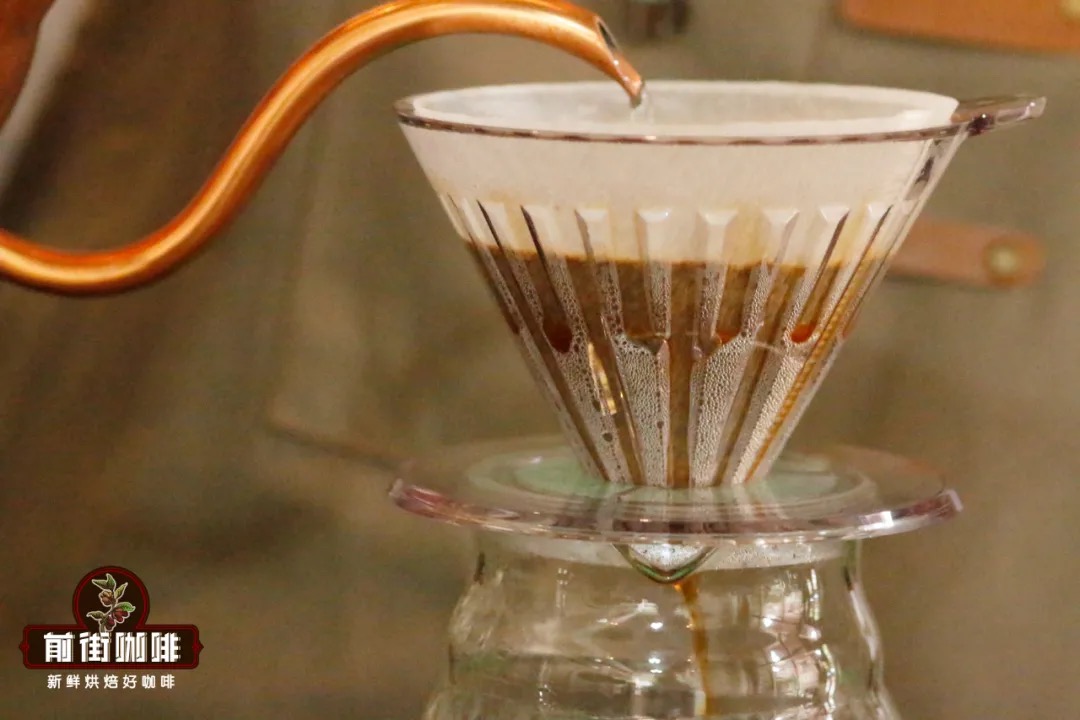
Using Experience
The Ice Pupil Dripper's user experience is a dream come true for perfectionists, because after wetting, the dripper truly fits tightly against the wall, eliminating worries about uneven extraction caused by poor filter paper adhesion affecting the uniformity of the coffee bed.
V60's advantage lies in controlling extraction time through the flow rate, resulting in a brighter taste and richer layers, though it may lack richness. If pouring stability is insufficient, it is easy to break through the coffee bed or flow too quickly, causing uneven extraction.
Ice Pupil's advantage is that the upper and middle layers fit tightly with the filter paper, creating an immersion-style extraction. Even if the flow is not perfectly controlled, there is room for recovery. The brewed coffee has a more balanced, saturated overall taste, with sweetness more pronounced than V60-brewed coffee. Because of the increased saturation, though, the layers are not as good as V60's, and the aroma and acidity become somewhat ordinary.
Recommendations
Both drippers have very similar overall flow rates and are very suitable for brewing light to medium roast coffee beans. For beans with brighter acidity and richer aromas, such as light to medium roast washed coffees or light to medium roast natural process coffees, V60 is the better choice, enhancing overall layering and making flavors clearer. For beans with higher sweetness and fermentation notes, such as light to medium roast natural process coffees or honey process coffees, the Ice Pupil Dripper is preferable, producing a fuller mouthfeel and more pronounced sweetness.
FrontStreet Coffee Recommendation
For the V60 in your cupboard, a bright washed Ethiopian coffee is the natural pairing. FrontStreet Yirgacheffe Gedingding is lightly roasted and shows white jasmine, clear citrus and lemon acidity and a tea-like sweetness, so its layered aroma and lively acidity come through cleanly - much like the Gedeb washed cup described above.
If you have the Ice Pupil Dripper and want to chase its sweeter, fuller side, FrontStreet Ethiopia Huakui is a good match. Naturally processed, it leans tropical, with strawberry, passion fruit and jackfruit aromas, low bitterness and a smooth, juicy body that the immersion-style extraction flatters. Try the same beans in both drippers and the contrast is easy to taste.
Important Notice :
FrontStreet Coffee is a long-established specialty coffee roaster in Guangzhou China, selling freshly roasted beans from its own farm in Yunnan as well as dozens of carefully selected single-origin beans from around the world for both pour-over and espresso. The products deliver consistently excellent quality and great value, with shipping within 24 hours. Guangzhou's FrontStreet Coffee shop is recommended by many coffee lovers, and the beans are now available online at the Tmall 。
FrontStreet Coffee has moved to a new address:
FrontStreet Coffee Address: 315,Donghua East Road,GuangZhou
Tel:020 38364473
 Scan and follow the En Gafei WeChat official account. Please indicate that the reprint comes from "En Gafei".

