
Can Unopened Coffee Powder Be Consumed After Expiration? How to Reuse Expired Coffee Powder?

"If you really love coffee, it will never go stale before you finish it" — nice in theory. In practice, we buy too much when there's a discount, or get sick and can't drink for a while, and end up with beans that are no longer fresh. Can those beans still be consumed?
Understanding Coffee Freshness

We chase freshness because fresh coffee simply tastes better — richer flavors, more complex layers. Over time, the carbon dioxide inside the beans dissipates, and aroma fades along with it. Once the CO2 is nearly gone, the beans are stale, and coffee brewed from them will taste flat and dull.
As a rule, 60 days past the roast date is considered the absolute limit of a bean's flavor peak; strict enthusiasts call beans "not fresh" after just 30 days. FrontStreet Coffee's own verification, however, shows that most beans — stored properly, sealed and protected from light and moisture — still hold good flavor within 40–50 days, without stale notes. But if the bag isn't resealed promptly after opening, flavor starts dropping around the 30-day mark, and the bloom no longer expands during brewing. That's the telltale sign.

To be clear: stale beans make for a less enjoyable cup, but from a food safety standpoint they're perfectly safe to drink. Properly roasted coffee carries a shelf life of one year, so there's no need to worry. And while you can't restore what the beans have lost, you can adjust your extraction to make the best of what remains.
Adjusting Brewing Methods for Stale Coffee
The classic symptom: after you add water for the bloom, the grounds barely react. Many people assume that since blooming exists to release gas, they should just skip it with stale beans. Actually, the opposite — you should pay even more attention to how you pour during the bloom.
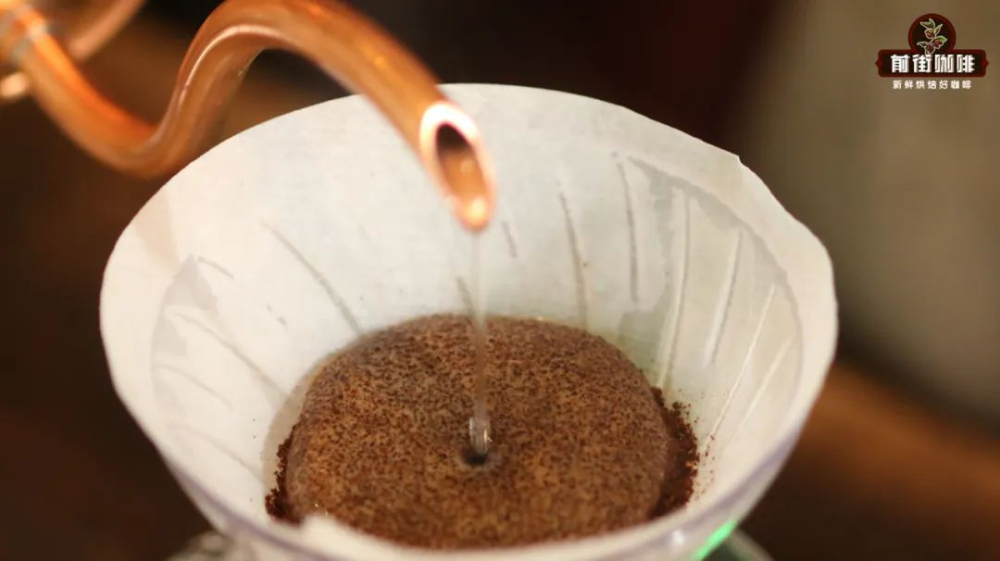
On the surface, blooming releases gas; its real purpose is to wet all the grounds, inside and out. As gas escapes, the grounds swell, closing the gaps between them and slowing drainage — giving the water time to saturate each particle's core.
With stale beans, nothing puffs up, so water rushes straight through the gaps into the server without ever penetrating the core. That's why only the surface of the grounds gets wet while the center stays dry — and the coffee comes out thin.
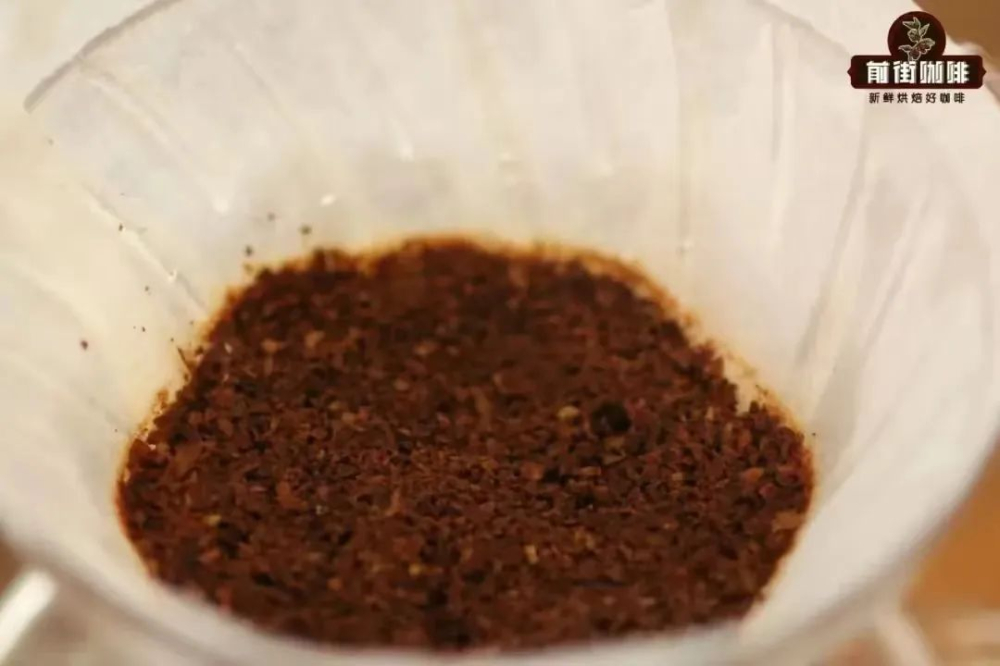
Then, in the later pours, there's almost no gas to lift a foam, most grounds sink quickly and clog the drainage holes, and over-extraction brings bitter, unpleasant flavors.
So here's what FrontStreet Coffee recommends for stale beans. First, grind coarser: if we normally use setting 10 on an EK grinder, we'd go to 10.5 to avoid clogging and the bitterness it causes.

Second, stretch out the bloom with a slower, smaller pour so the water has time to wet the grounds fully. Don't over-soak, though. In FrontStreet Coffee's experiment: for 15g of grounds, pour 30ml of water over 13 seconds, wait 5–7 seconds, then continue — total bloom time around 20 seconds.
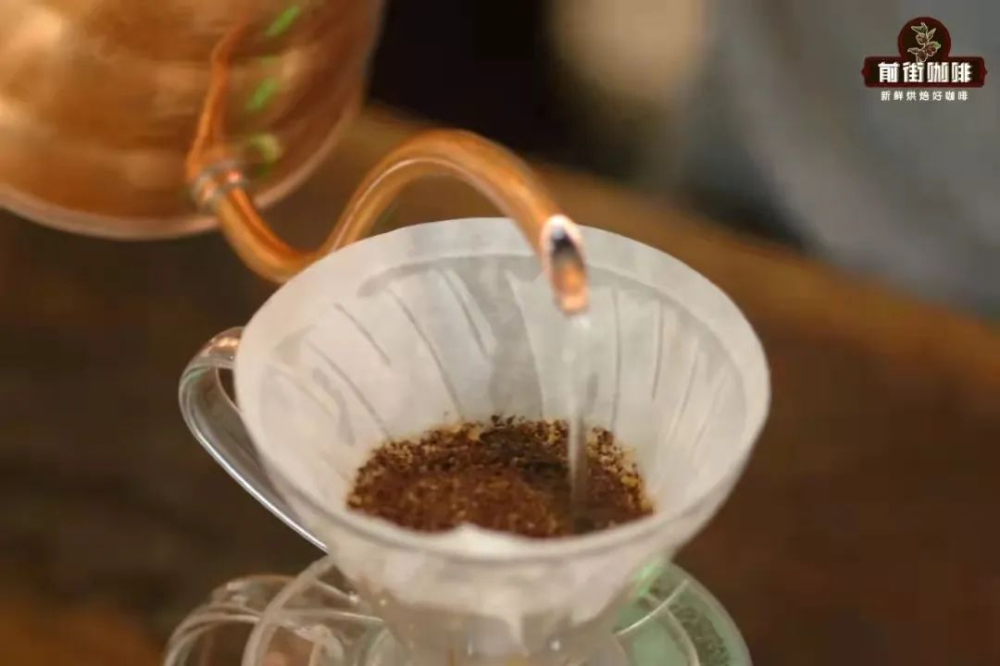
From there, pour as usual, with two cautions: don't pour wide circles, which can wash the thin grounds bed down into a clogged puck, and don't raise the water level too high — stale grounds lack "life," sink fast, and a high water level leaves too few grounds suspended to form a proper bed, so some water just runs down the ridges. That's another way a cup ends up flavorless.
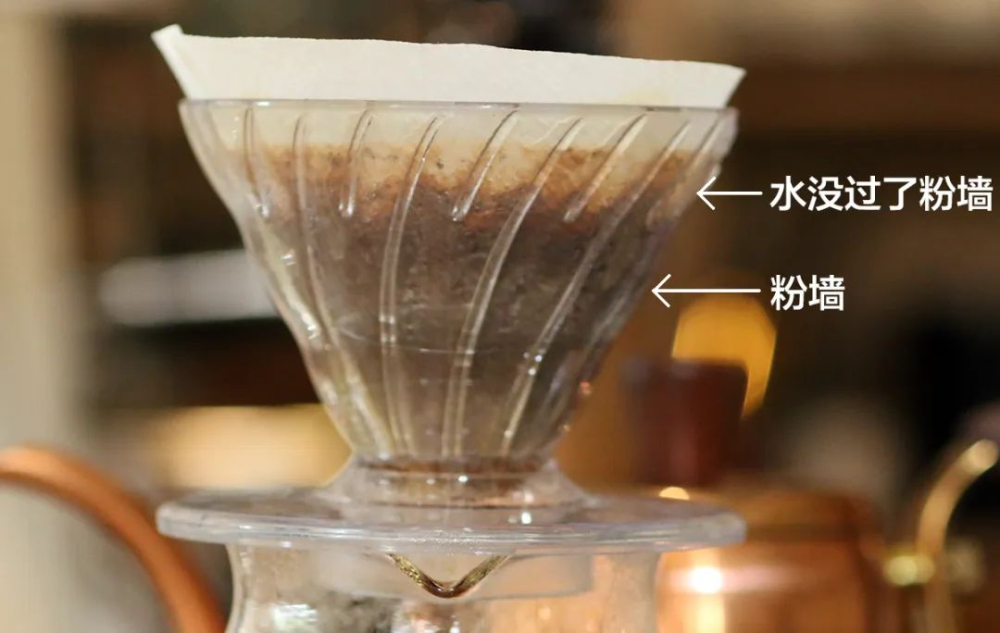
These adjustments simply respond to how stale beans behave during brewing, and they do make the coffee noticeably better. But aromas already lost cannot be brewed back into existence.
Alternative Uses for Expired Coffee Beans
If the beans are past not just their flavor peak but their shelf life, don't drink them — repurpose them. FrontStreet Coffee has three practical, eco-friendly options.

1. Deodorizing
Put grounds in ashtrays to neutralize cigarette odor — every stub-out releases a pleasant coffee scent, and the grounds help extinguish butts. Many cafés do exactly this. If your oven has absorbed months of roasting smells, heat a tray of grounds inside to clear them. Pet owners can sprinkle grounds after cleaning up to keep odors down.
2. Cleaning
Wrap grounds in gauze and scrub stovetops and pot lids to cut grease and stains. Boiled expired coffee can also clean sink drains and toilet pipes — similar surfaces all benefit.

3. Plant Fertilizer
Coffee contains nutrients plants need. Crush expired beans and sprinkle them into flower pots as odor-free fertilizer; a ring around a plant's base can even help deter pests.
FrontStreet Coffee Recommendation
Of course, the best fix for stale beans is buying fresher ones — and picking roasts that stay balanced longer. Medium roasts sit at the sweet spot where acidity, sweetness, and bitterness are all in check. FrontStreet Coffee's Fazenda Empress Brazil Yellow Bourbon is a prime example: gently sweet with cream peanut, chocolate, toasted bread, and sugarcane, equally at home in pour-over, moka pot, or espresso machine.
For something fruitier, the medium-roast FrontStreet Strawberry Candy Geisha blend pairs Costa Rican honey-process coffee with Panamanian washed Geisha, showing orange-honey aromatics and round sweetness across cold brew, pour-over, or espresso. And for a taste of China's own specialty scene, the FrontStreet 2013 natural Typica delivers classic Yunnan character — nuts, brown sugar, black tea, dried apricot — in a soft, balanced, very affordable medium roast that's well worth finishing before it ever goes stale.
Important Notice :
FrontStreet Coffee is a long-established specialty coffee roaster in Guangzhou China, selling freshly roasted beans from its own farm in Yunnan as well as dozens of carefully selected single-origin beans from around the world for both pour-over and espresso. The products deliver consistently excellent quality and great value, with shipping within 24 hours. Guangzhou's FrontStreet Coffee shop is recommended by many coffee lovers, and the beans are now available online at the Tmall 。
FrontStreet Coffee has moved to a new address:
FrontStreet Coffee Address: 315,Donghua East Road,GuangZhou
Tel:020 38364473
 Scan and follow the En Gafei WeChat official account. Please indicate that the reprint comes from "En Gafei".

