
Can You Still Drink Clumped Coffee Powder? How to Store Coffee Powder to Prevent Clumping?

Coffee beans that look oily on the surface raise all kinds of questions among beginners, and FrontStreet Coffee has heard them all:
"Why are the coffee beans wet? They were just opened."
"The coffee beans are covered in oil - they must have been sitting around for ages."
"The beans are so oily on the surface. Could they have gone bad?"
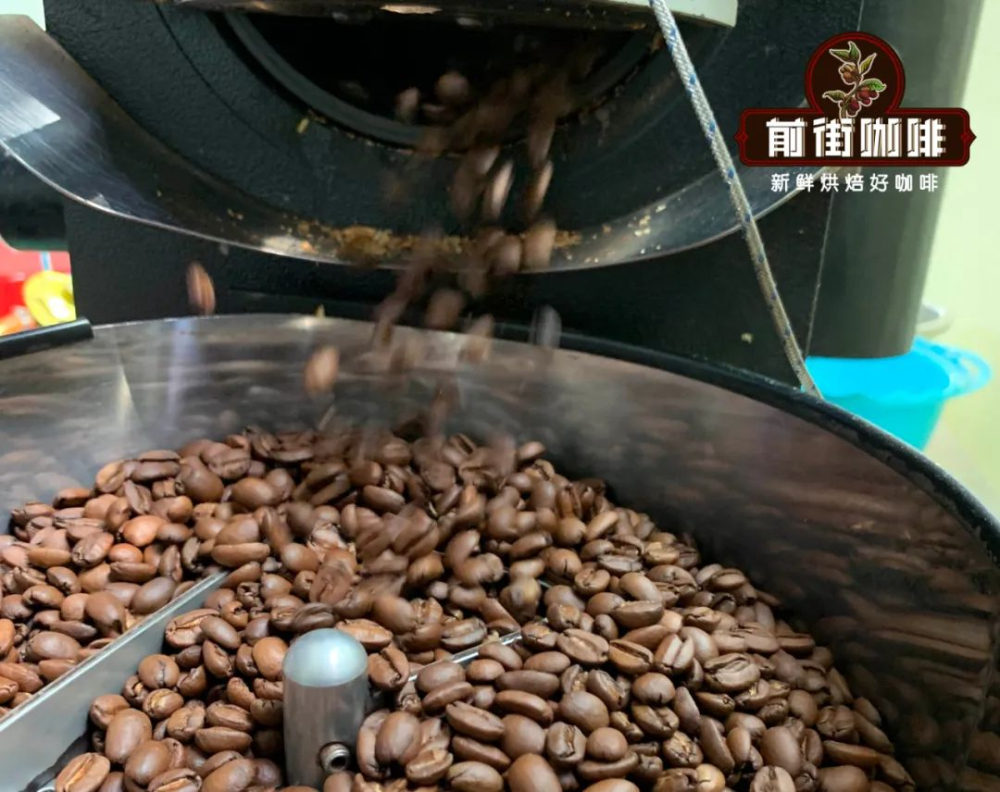
The "oil" on the surface of coffee beans is essentially the bean's water-soluble fat.
Before roasting, green beans have a tight cellular structure, with oils encapsulated inside the fiber matrix. During roasting, the roaster delivers a large amount of thermal energy to the beans, expanding the internal structure again and again. This opens up the pores in the cell walls of the green beans, which hold large quantities of carbon dioxide. As the roast deepens and the beans return to normal temperature and pressure after roasting, that carbon dioxide begins to escape slowly, and the fats seep out along with it, adhering to the bean surface.
The Impact of Roast Level
An oily appearance generally shows up in beans roasted to dark roast level or beyond - that is, around second crack - when oils gradually move to the surface together with the gases. Freshly roasted dark beans carry a slight sheen of oil. By the second day, carbon dioxide escapes more rapidly, releasing roasted aromas of caramel, dark chocolate, and more.
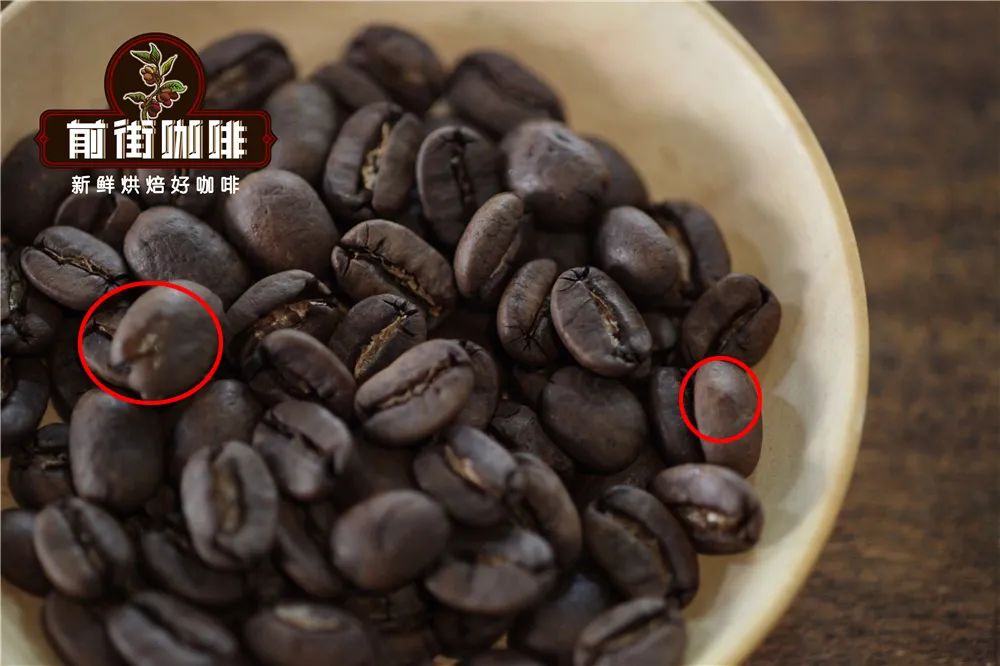
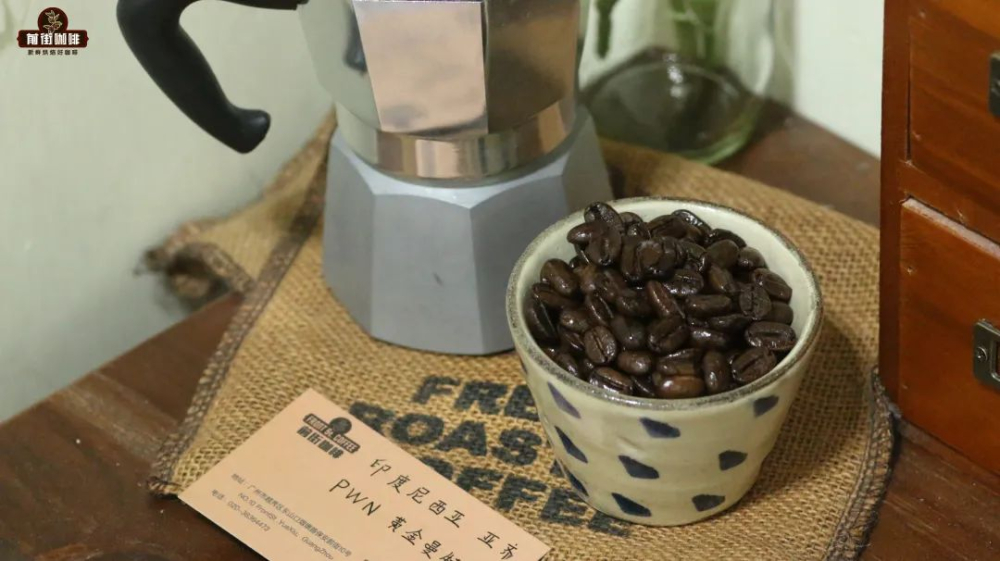
FrontStreet Coffee's Indonesian Golden Mandheling, for example, is roasted to a medium-dark level and develops an oily sheen after 3-5 days of resting, which is entirely normal. During the optimal tasting period, some beans 5-7 days after roasting may show droplet-shaped oils on the surface. That happens because uneven heating causes localized dehydration, and those little droplets actually mark the coffee's peak window.
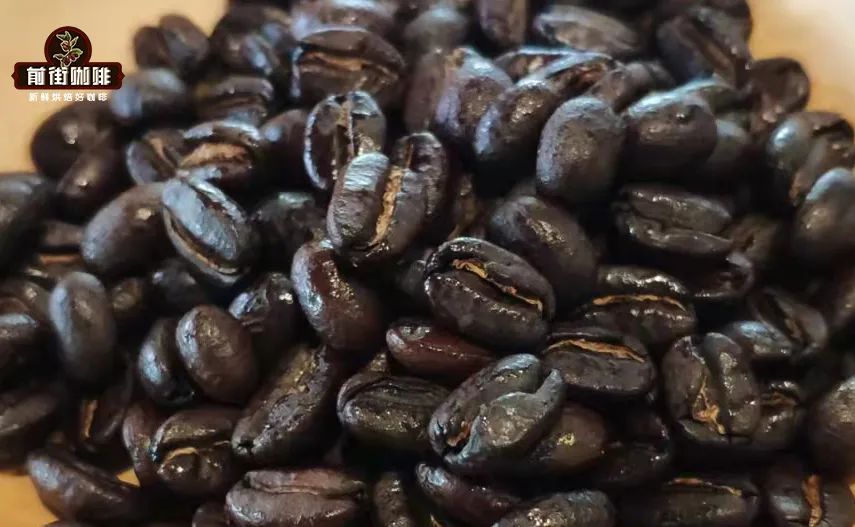
Oiliness, then, is simply one clue to a bean's roast level and has no necessary relationship with freshness. With extremely dark roasts such as "Japanese-style dark roast coffee," the beans may show oil on the very first day after roasting, still inside the packaging, and soon turn dark and glossy.

Signs of Moisture-Damaged Coffee Beans
If beans have been exposed to moisture, they generally won't look "wet" on the surface, and it's hard to tell by sight alone whether roasted beans have taken on moisture. We can, however, judge from the signs that appear during brewing.
Freshly roasted beans have very low moisture content, roughly 1-2%. Stored in a humid environment, coffee beans act as a moisture absorber, so water content rises, followed by spoilage and mold. Common signs include difficulty grinding, clumping of the grounds, loss of aroma, and a musty smell.
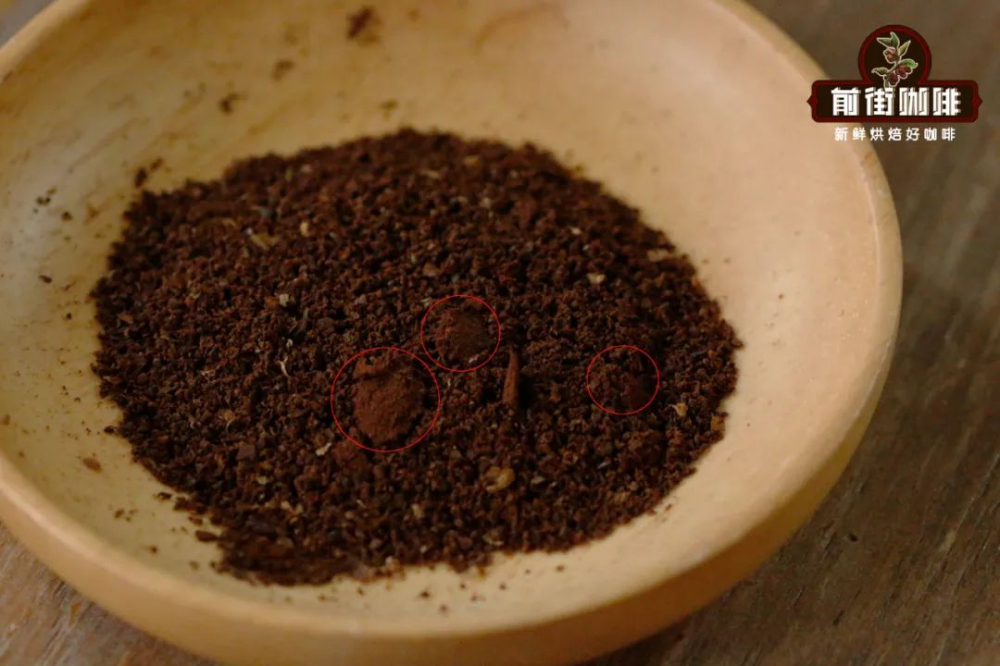
How to Determine if Coffee Beans Are Fresh?
The most common coffee packaging uses one-way degassing valve sealed bags and vacuum-sealed containers, which isolate beans from water molecules in the air. The carbon dioxide the beans release also serves as a protective gas, enveloping them and slowing the loss of flavor. Once the packaging is opened, the oils contact moisture in the air and oxidize, accelerating the aging of the beans.
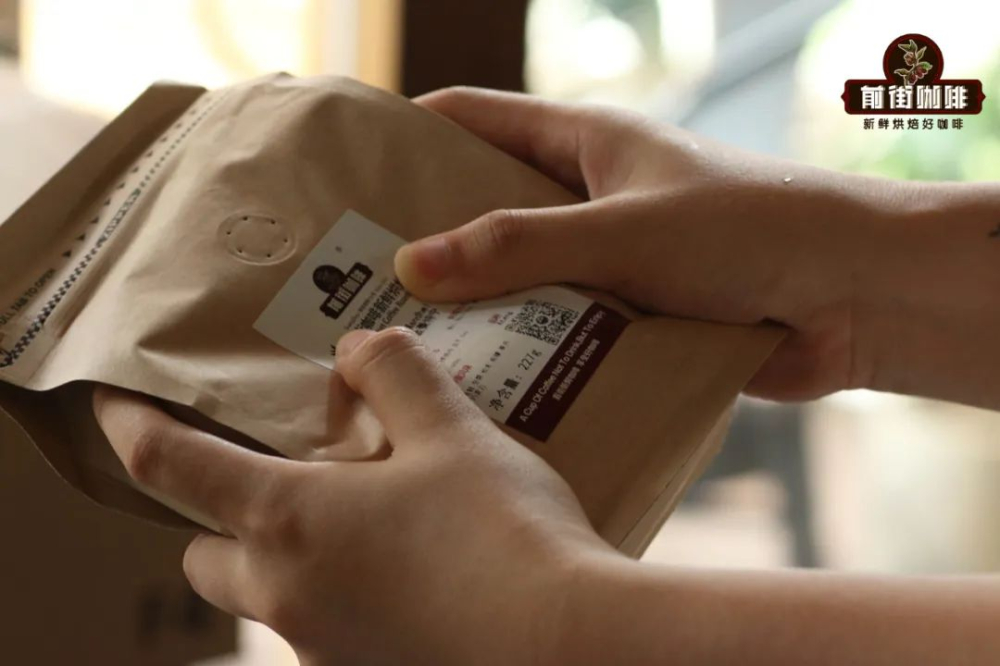
When some light to medium roast beans are stored for a period and the entire surface develops a layer of oil, the aroma turns weak, and there's a slightly greasy smell, it means much of the flavor has already dissipated and they should be consumed as soon as possible.
Freshness shows most clearly during extraction. During the bloom, if the coffee bed doesn't expand at all, the gases in the beans have been completely released. Throughout the extraction there's no aroma, the flavor is empty, and it tastes woody and fibrous.

The main factors affecting the freshness of coffee beans are oxygen, moisture, light, and heat. To store beans properly, keep them whole, sealed, away from light, protected from moisture, and at low temperature. Even then, flavor will gradually dissipate over time, so rather than storing them long term, FrontStreet Coffee still recommends enjoying them within their optimal tasting period.
FrontStreet Coffee Recommendation
If this discussion of oil sheen and dark roasts has you craving a properly full-bodied cup, FrontStreet Coffee's PWN Golden Mandheling is a fine place to start. The PWN company buys up high-quality Mandheling green beans and screens them hard on density, screen size, shape, and color, then hand-sorts out defects so the beans come out whole, even, and translucent, with less of Mandheling's muddy, grassy edge. Freshly roasted, it drinks with sandalwood, herbs, spice, roasted hazelnut, caramel, and dark chocolate, a clean and mellow body, and a rich, layered aroma - good for daily drinking and just as good as a gift.
For a classic expression of the region, choose FrontStreet Coffee's Indonesian wet-hulled Mandheling from the Lintong region by Lake Toba. To bring out the traditional Mandheling profile it is given a medium-dark roast, so it drinks low in acidity and full in body, with generous caramel, dark chocolate, and toasted-bread aromas and a long, sweet finish. It is a natural match for anyone who likes a strong cup - the kind of bean whose surface oils, as the article above explains, are simply a sign that the roast is doing its job.
Important Notice :
FrontStreet Coffee is a long-established specialty coffee roaster in Guangzhou China, selling freshly roasted beans from its own farm in Yunnan as well as dozens of carefully selected single-origin beans from around the world for both pour-over and espresso. The products deliver consistently excellent quality and great value, with shipping within 24 hours. Guangzhou's FrontStreet Coffee shop is recommended by many coffee lovers, and the beans are now available online at the Tmall 。
FrontStreet Coffee has moved to a new address:
FrontStreet Coffee Address: 315,Donghua East Road,GuangZhou
Tel:020 38364473
 Scan and follow the En Gafei WeChat official account. Please indicate that the reprint comes from "En Gafei".

