How to Control Water Temperature and Brew Light Roast Coffee Beans for Pour-Over Coffee
Pour-Over Coffee: The Art and the Science
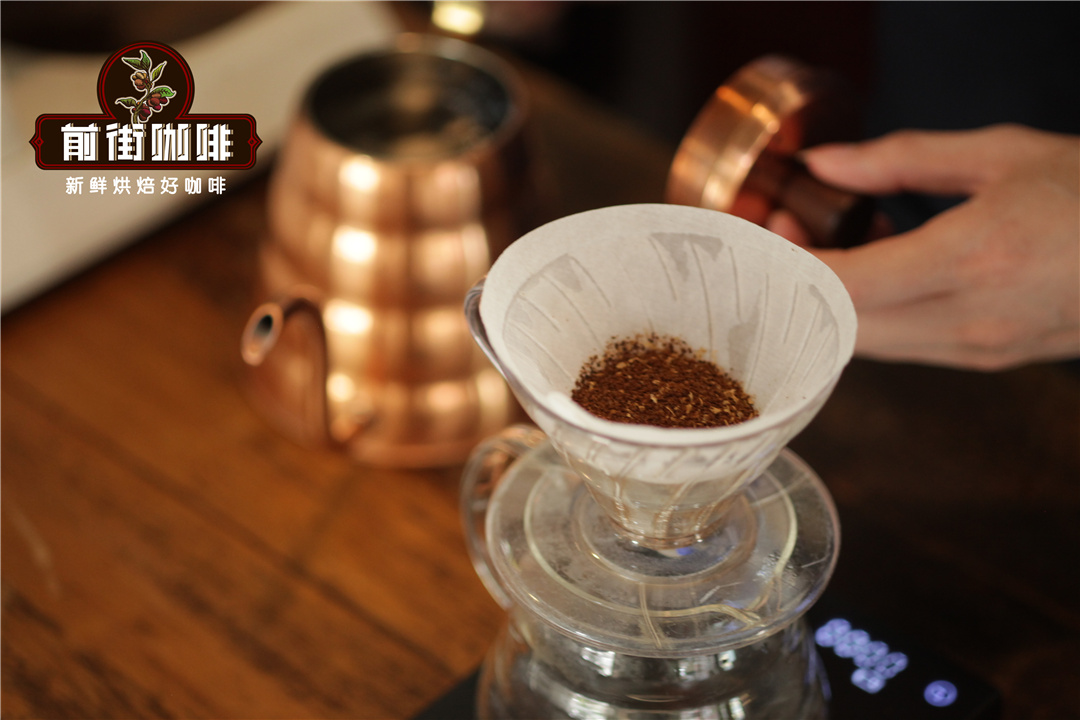
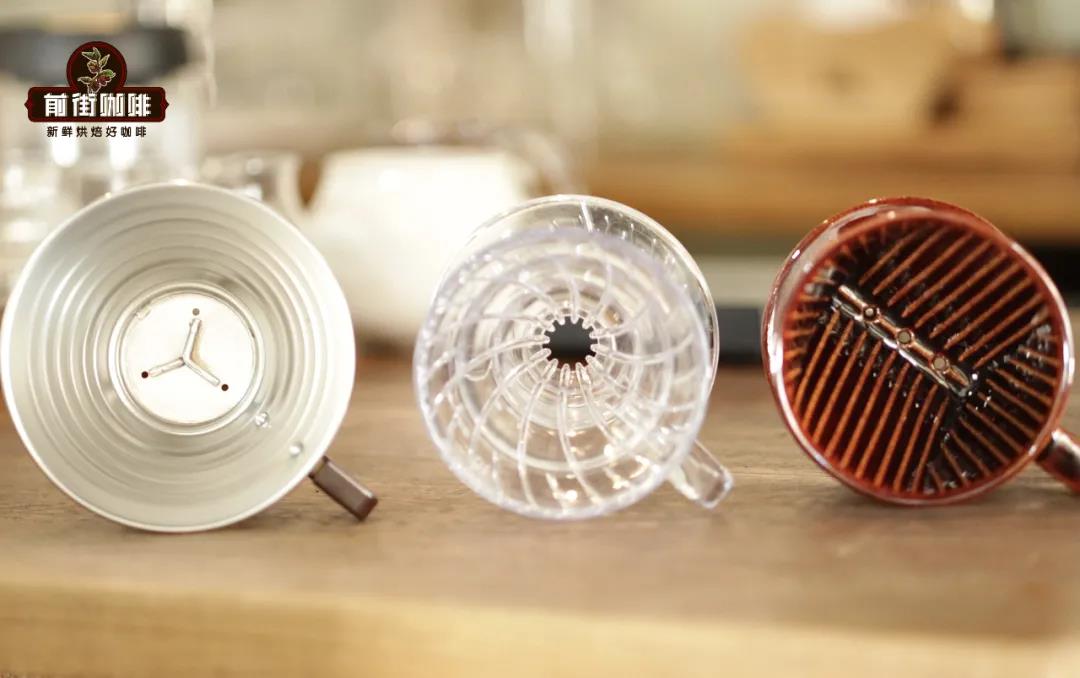
Pour-over coffee is a simple brewing method, yet mastering it is no simple matter. Because it uses a dripper with filter paper or a mesh screen as the filtration tool, it is extremely convenient. Broadly speaking, pour-over brewers rely on the drip concept to make coffee, and the market offers a wide range of drippers - T-type, cone-shaped, V60, smart drippers, and more. For drip brewing, we recommend a medium to fine grind, around 3 to 3.5 on the Fuji ghost-tooth grinder.
The Importance of Water Temperature
When it comes to specialty coffee, water temperature is not something you can overlook if you want a delicious pour-over. FrontStreet Coffee will now walk through how to use water temperature properly.
Brewing Light Roasts
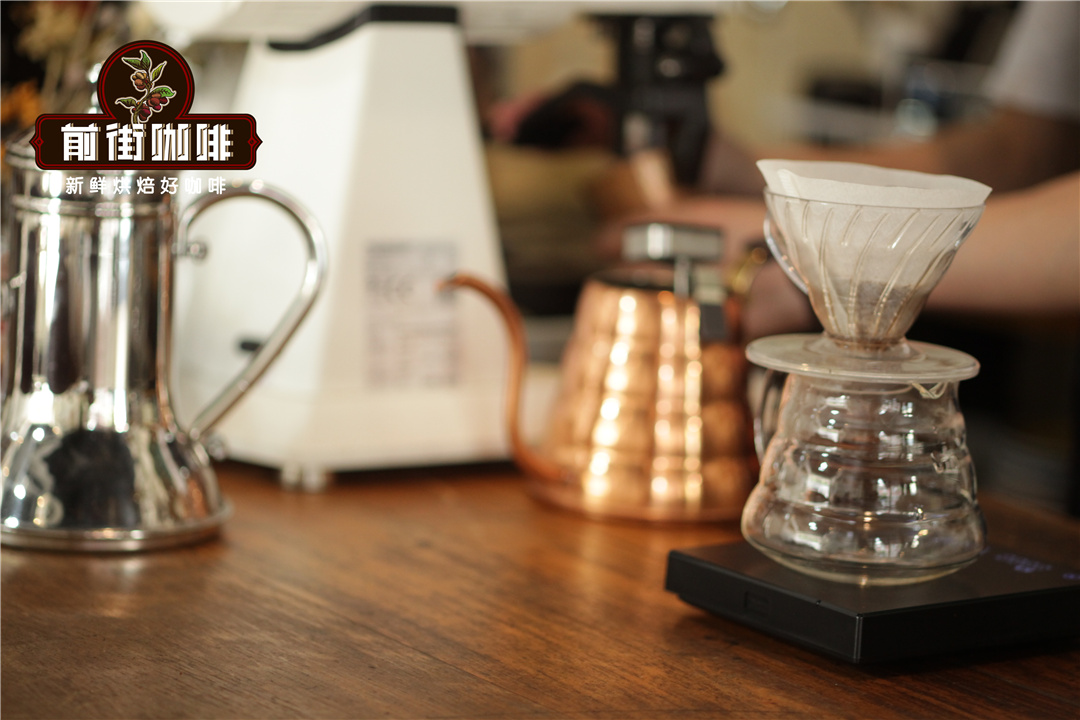
If you want more acidity from a light roast, use higher water temperature, controlled between 88 and 90°C, and pour more slowly. That extracts more aroma and brings the coffee's acidity to the front. If you would rather not have so much acidity, lower the water temperature to 84 to 86°C and pour a little faster; the cup will reveal noticeable sweetness and fruit notes instead.
Let the coffee cool a little before drinking for a better experience. This keeps the acidity from turning harsh and lets the floral and fruit aromas come forward. The sweet-and-sour profile of a light roast is perfect for a hot summer morning, with a clear, bell-like acidity that sweeps away the groggy, humid haze.
FrontStreet Coffee Recommendation
The best beans for a light roast pour-over are the ones whose acidity and aromatics reward careful temperature control, and FrontStreet's flower-and-fruit coffees fit that description well. A V60 is the brewer most often recommended to beginners, because its fast, clean extraction produces the layered aromatics and lively acidity these coffees are built around. FrontStreet Gedding is a classic Yirgacheffe - obvious citrus, berries, and florals with a green-tea sweetness, and acidity so soft and bright it reads as the natural sweet-sour of fruit rather than anything sharp, which makes it very easy to accept for someone just starting with pour-over.
If you prefer something more tropical, FrontStreet Hua Kui is one of the most successful star products of the specialty market in recent years. Its tropical fruit aromatics are extremely prominent - strawberry, passion fruit, jackfruit, even lychee - with clear sweetness, very low bitterness, and a smooth, juicy body, a cup that tends to overturn the stereotype of coffee being bitter.
For a sweeter, softer option, FrontStreet Mozart is a raisin-honey-processed coffee from Costa Rica's high-altitude, volcanic-soil growing areas. It shows the sweetness of raisins and blueberries alongside osmanthus and rose, and comes through beautifully whether brewed as pour-over, cold brew, Americano, or latte.
Important Notice :
FrontStreet Coffee is a long-established specialty coffee roaster in Guangzhou China, selling freshly roasted beans from its own farm in Yunnan as well as dozens of carefully selected single-origin beans from around the world for both pour-over and espresso. The products deliver consistently excellent quality and great value, with shipping within 24 hours. Guangzhou's FrontStreet Coffee shop is recommended by many coffee lovers, and the beans are now available online at the Tmall 。
FrontStreet Coffee has moved to a new address:
FrontStreet Coffee Address: 315,Donghua East Road,GuangZhou
Tel:020 38364473
 Scan and follow the En Gafei WeChat official account. Please indicate that the reprint comes from "En Gafei".