Introduction to Rum Barrel Fermentation Processing Method and Flavor Evaluation of Honduras Sherry Whiskey Barrel Coffee Beans

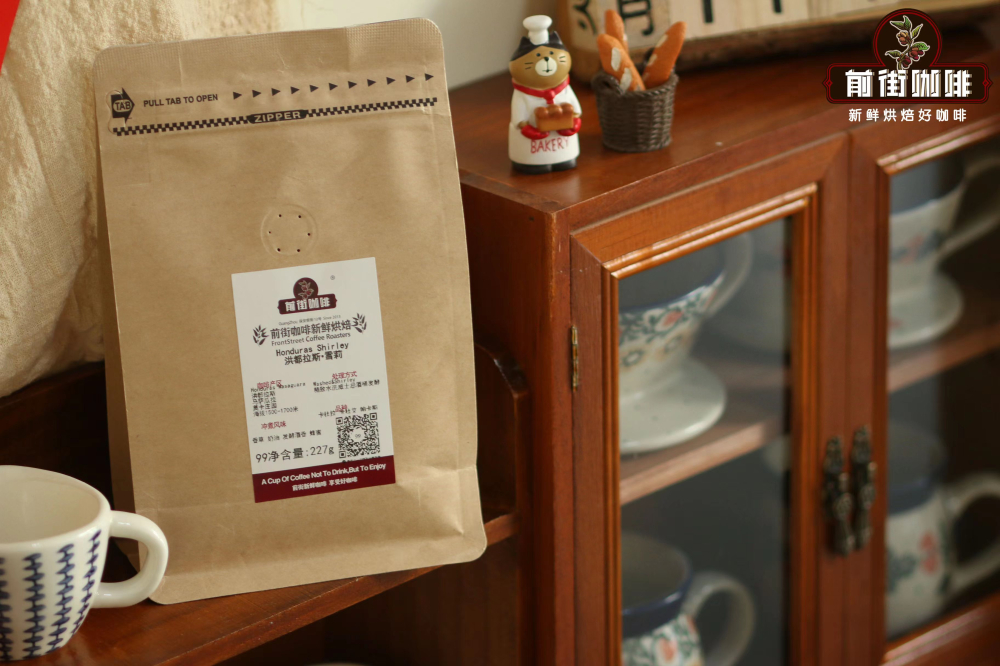
Sometimes when you drink coffee you catch distinctly fermented, wine-like aromas in the cup. These are natural byproducts of coffee fermentation—but when a coffee shows especially rich, boozy wine character, it has almost certainly been barrel-aged. FrontStreet Coffee carries several barrel-processed coffees, including the San José Lot from Colombia, the Lychee Lan from Honduras, and the FrontStreet Coffee Sherry beans. All of them marry a special wine aroma to coffee's own fragrance.
The Pioneer of Barrel Processing
FrontStreet Coffee's Honduras Sherry Whiskey Barrel-fermented beans are the most iconic wine-flavored coffee we offer—and to talk about them, you have to start with the pioneer of barrel processing.
The first estate to ferment coffee in barrels was San José in Colombia. Beyond growing coffee, its owner produced rum oak barrels and distilled rum. One day, while his wife Monsalve Botero was helping fill barrels with distilled liquid for fermentation, inspiration struck: if beans rested in oak barrels that had previously held wine, might they pick up wine-like flavors too? Starting in 2013, she began experimenting with low-temperature fermentation of coffee in Colombian oak barrels of different ages, and in 2017 she finally dialed in the combination she had been looking for.
Honduran Sherry Coffee
The FrontStreet Coffee Sherry lot comes from Honduras' Mocca Estate and also uses barrel fermentation—specifically refined washed sherry-barrel fermentation. Honduras sits in northern Central America between the Pacific and the Caribbean, a classic two-ocean country. Its mountainous terrain suits coffee and bananas equally well. Although Honduras' coffee industry developed later than its neighbors Guatemala and Nicaragua, that has not held it back, given the country's naturally excellent conditions for coffee cultivation.

Spanish merchants first brought coffee to Honduras in the late 18th century, and small-scale cultivation began in 1804. After 1970, coffee trees spread across the entire country. The turning point came in 1975, when a severe frost devastated Brazil's harvest: Honduras suddenly found itself a key supplier filling the shortfall, and its coffee industry took off from there. In 2004, Honduras held its first Cup of Excellence (COE) competition, which continues today. In 2011, the country's production surpassed that of Costa Rica and Guatemala, making Honduras both the largest coffee producer in Central America and the world's second-largest Arabica producer (the Catuai variety accounts for nearly half of its Arabica planting area). The FrontStreet Coffee Sherry lot is a mixed variety of Caturra, Catuai, and Pacas.

Masaguara Region and Processing Method
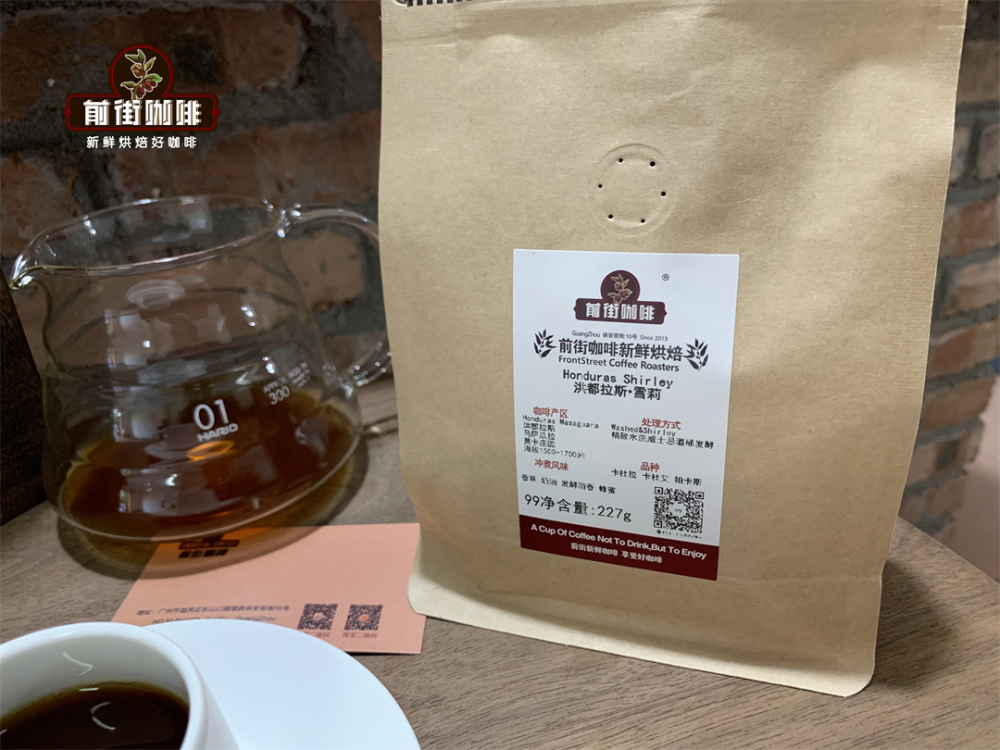
The Sherry coffee's growing region is Masaguara, a town in the Intibucá department of southwestern Honduras. The beans are grown at 1500–1700 meters, and Mocca Estate is the source of this wine-flavored coffee.
Processing starts with a refined washed preparation of freshly picked cherries. The washed beans then go into barrels that previously aged sherry for low-temperature fermentation over 30–40 days at roughly 15–20°C, followed by drying in the shade. The barrels are the same type used by sherry producers to mature their wine.

Sherry itself is made using the Solera System, a method of blending and aging sherries of different vintages after fortification—which is exactly where sherry's distinctive flavor comes from. FrontStreet Coffee's Sherry beans echo it with aromas of sherry wine, vanilla, and cream.
Brewing Method
Because this coffee already shows distinct vanilla and cream aromas on the cupping table, we brew it on a Hario V60 to highlight its sweet fragrance. The V60's relatively fast flow rate keeps the flavor layers clean and the aromatics prominent.
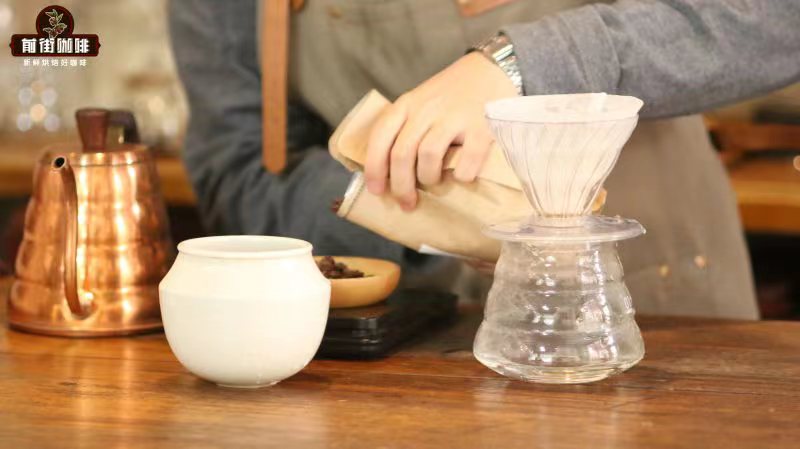
Brewing Parameters:
Water temperature: 90°C
Coffee-to-water ratio: 1:15
Medium-fine grind (BG 5R: China standard 20-mesh screen pass rate 58%)
Bloom with approximately twice the coffee weight in water (33g), ending the bloom when the coffee bed changes from wet to dry appearance, approximately 30 seconds.
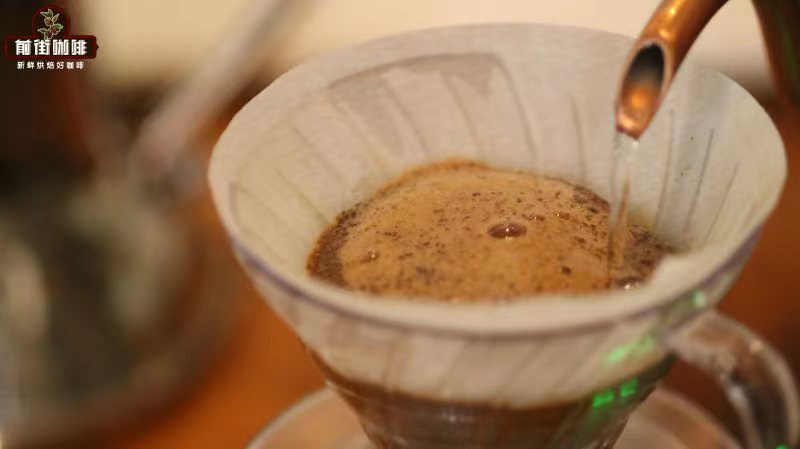
Continue with a small water stream, pouring at the center to 121g, then continue pouring to 225g when the water level is about to expose the coffee bed. Remove the dripper when the water level is about to expose the coffee bed. (Timing starts from the beginning of blooming) Total extraction time: 1'40"
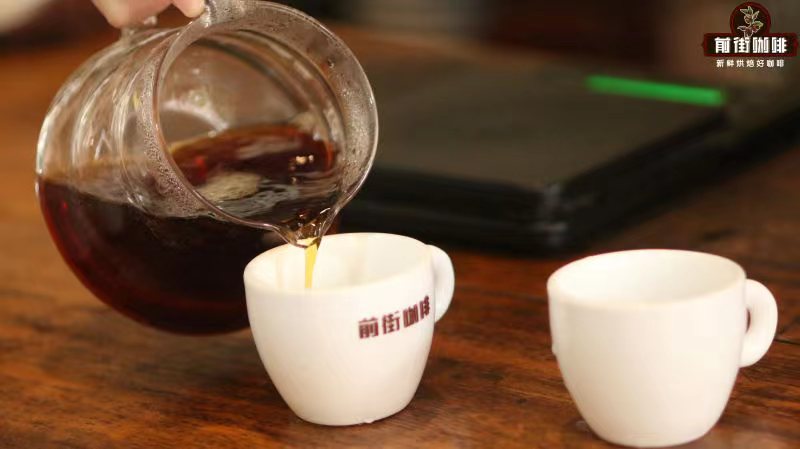
FrontStreet Coffee Recommendation
1. FrontStreet Honduras Sherry (Whiskey Barrel) — The coffee described in this article: refined washed, fermented 30–40 days in sherry barrels at Mocca Estate, Masaguara (1500–1700 m). Sherry, vanilla, and cream notes in abundance—perfect for pour-over drinkers chasing sweet, boozy aromatics.
2. FrontStreet Colombia Huila (Washed) — From Huila, Colombia's most famous specialty region, where hills above 1500 m meet abundant river water. A medium-dark roast brings out black chocolate, nutty sweetness, moderate body and crema—great for pour-over and French press, and equally at home in a moka pot or espresso machine for Americanos and lattes.
3. FrontStreet Colombia Finca Linea Sidra (Anaerobic Natural) — Anaerobic fermentation in a pressure-rated stainless tank, where temperature, time, and pH are tightly controlled, converts the coffee into a burst of tropical fruit aroma. At a medium-light roast, expect passion fruit, grape, apricot, and dried-fruit complexity in pour-over, cold brew, drip bags, or moka pot.
4. FrontStreet Premium Espresso Blend — Combines the creamy-nut character of Brazilian coffee with the dark-chocolate bitterness of Colombian. Extracts a fine golden crema and pairs beautifully with milk for a rich, smooth latte—friendly for beginners and a solid base for Americano, cappuccino, and mocha.
Important Notice :
FrontStreet Coffee is a long-established specialty coffee roaster in Guangzhou China, selling freshly roasted beans from its own farm in Yunnan as well as dozens of carefully selected single-origin beans from around the world for both pour-over and espresso. The products deliver consistently excellent quality and great value, with shipping within 24 hours. Guangzhou's FrontStreet Coffee shop is recommended by many coffee lovers, and the beans are now available online at the Tmall 。
FrontStreet Coffee has moved to a new address:
FrontStreet Coffee Address: 315,Donghua East Road,GuangZhou
Tel:020 38364473
 Scan and follow the En Gafei WeChat official account. Please indicate that the reprint comes from "En Gafei".