
Indonesian Mandheling Coffee Bean Varieties, Grades, and Golden Mandheling Origin Flavor Characteristics
What is Mandheling Coffee?

The rich taste of Mandheling — with its unmistakable herbal and cocoa notes — puzzles many newcomers to single-origin coffee. Next to vibrant, floral, fruit-forward coffees from regions like Yirgacheffe or varieties like Geisha, Mandheling's darkness can seem out of step with modern palates.
But a great Mandheling is far more than soulless bitterness. After years of cupping Mandheling lots from different harvests and regions, FrontStreet Coffee has found that beneath the rich, intense flavors lives a subtle, lively acidity woven through herbal notes and dark chocolate — a coffee you never tire of drinking.
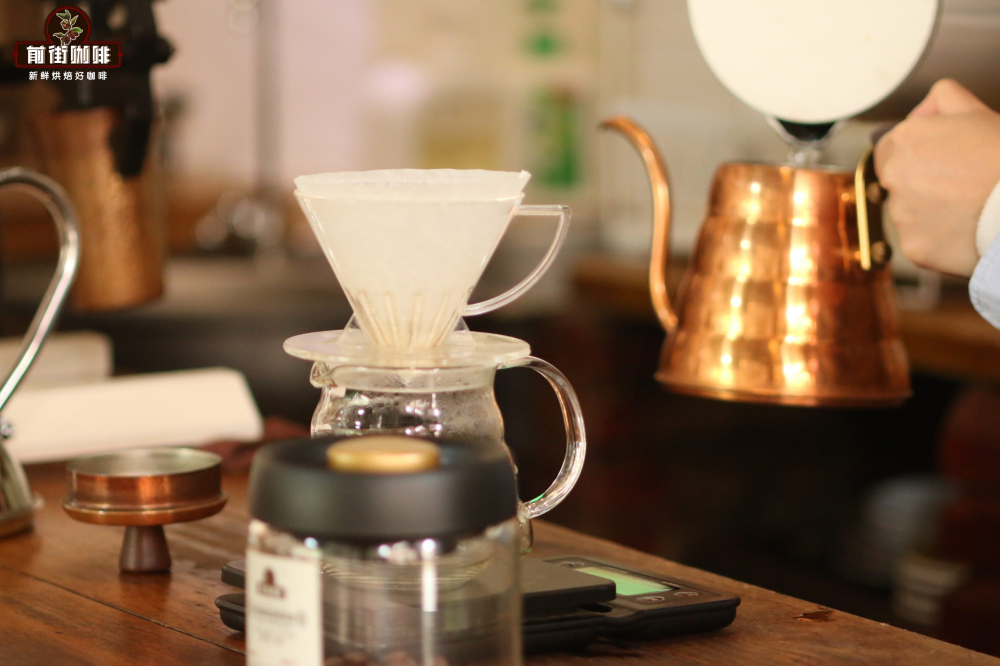
Where Does Mandheling Come From?
Unlike most coffees named after a region, estate, or mill, "Mandheling" is not a place — it's the name of an ethnic group from Indonesia's island of Sumatra. Only arabica grown on Sumatra can be called Mandheling coffee.
Sumatra's best coffee comes from two areas: the region around Lake Tawar in Aceh in the north, and the mountains surrounding Lake Toba further south. Because so many smallholder farmers use the island's unique semi-washed process, and because the soil lacks iron, these beans show a distinctive bluish tint even in their fresh green state.

Lake Toba sits in central North Sumatra Province. In 1888, Dutch colonists moved "Java Mandheling" north into the Lake Toba region. Coffee from around Lake Toba and Lintong can all be called Mandheling, with Lintong being the true heartland — the beans are grown in the mountains ringing the lake.
Lake Tawar lies in the heart of the Aceh Special Administrative Region at the northern tip of Sumatra. Most coffee from North Sumatra is Gayo, predominantly of the Ateng variety; beans from Lake Tawar are sold as Aceh coffee or Lake Tawar coffee. The area is less than one-tenth the size of Lake Toba's, yet in recent years both the quality and volume of its coffee have overtaken the south.

FrontStreet Coffee's list carries two Mandhelings: Lintong Mandheling from the Lintong region, part of the daily-bean series, and Golden Mandheling from PWN, sourced from the Gayo region.
Lintong Mandheling vs. PWN Golden Mandheling
Golden Mandheling is a registered trademark of Indonesia's PWN (Perusahaan Winnerson) company. Only beans that pass at least three rounds of fully manual selection after harvesting and drying, reach screen size 18 or above, show fewer than 3 defects in a 300g green sample, and belong to the top G1 grade with a dark green color and uniform flat shape may be sold as Golden Mandheling.
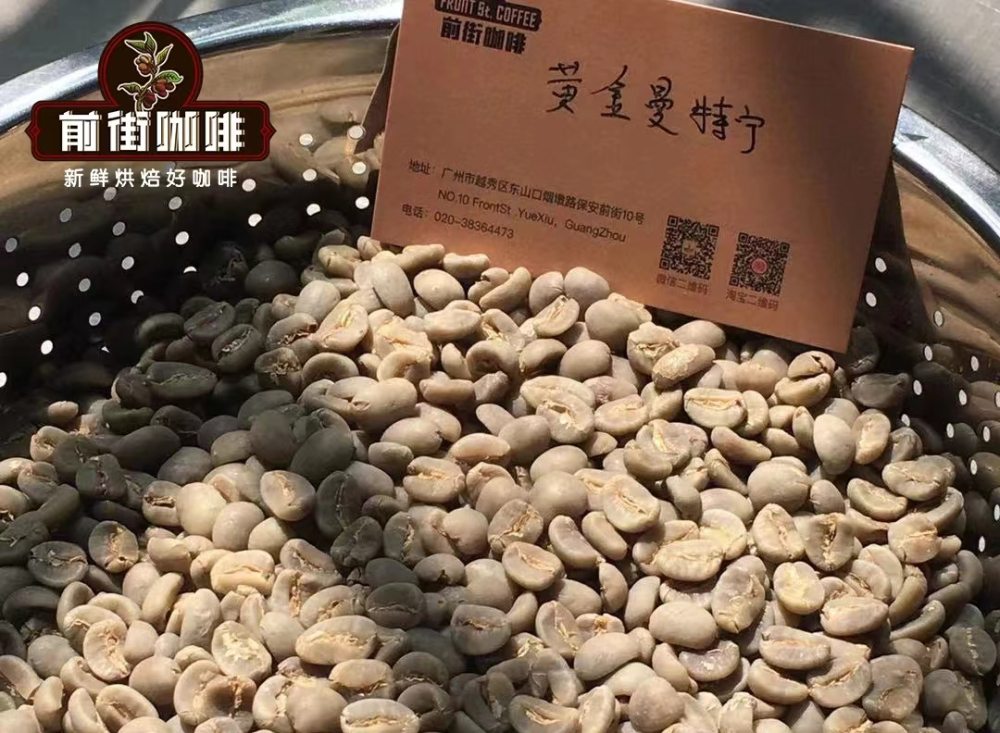
As Golden Mandheling's reputation has grown, plenty of non-PWN beans have adopted the name. FrontStreet Coffee has noticed merchants selling "Golden Mandheling" that is really G1-grade Mandheling sorted above screen 18 with three rounds of hand selection — visually a near match, fetched at higher prices.
Those beans can only honestly be called specialty Mandheling. FrontStreet Coffee's PWN Golden Mandheling is certified by PWN itself, and the certificate and PWN-branded green bean bags can be seen at FrontStreet Coffee's stores.
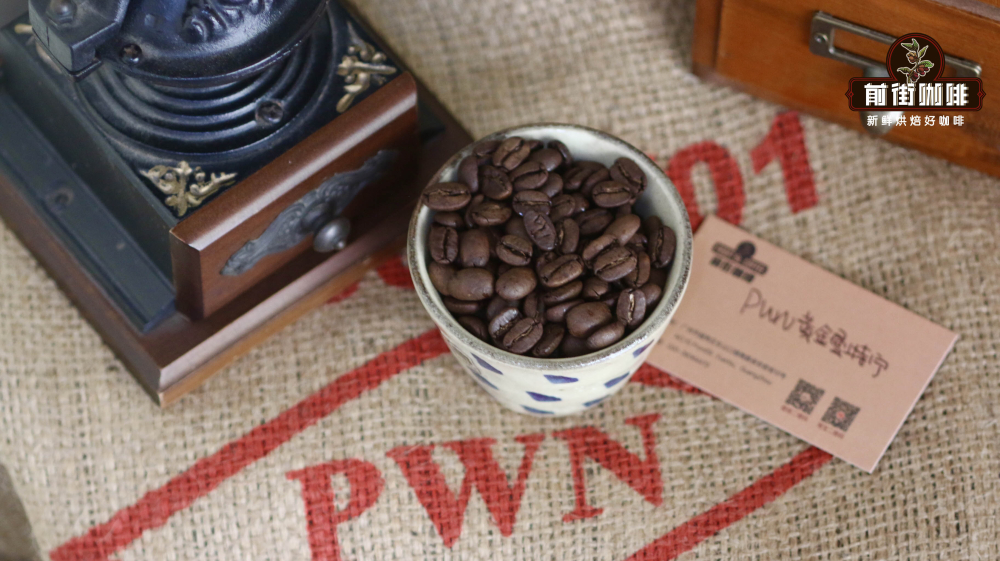
In FrontStreet Coffee's cuppings, PWN Golden Mandheling tastes cleaner with a stronger sweet aftertaste but slightly less body. If you prefer heavier body, choose Lintong Mandheling; if you prefer cleanliness, choose PWN Golden Mandheling.
Mandheling Coffee Varieties
FrontStreet Coffee's Lintong Mandheling is the Timtim variety — also known as the Timor variety — an arabica with Robusta heritage. The PWN Golden Mandheling uses the Ateng variety, also known as Catimor, a Caturra-Timor hybrid.
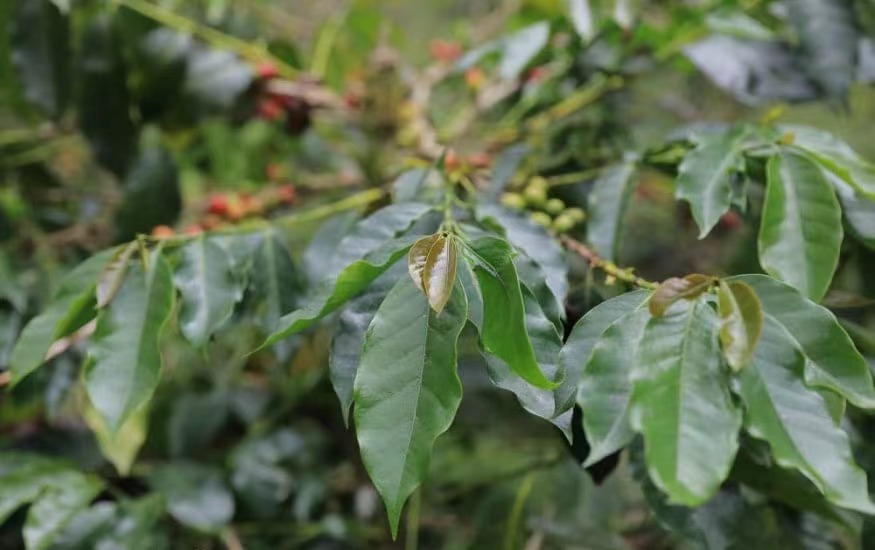
Both share strong disease and pest resistance — essential in Indonesia's warm, humid climate, where pests and pathogens thrive as readily as the coffee plants themselves.
Mandheling's Processing Method
Indonesia's relentless humidity and rain demand fast drying. So after harvesting, farmers ferment the cherries in a washed process, then immediately run them through a depulper to strip the fruit and husk.
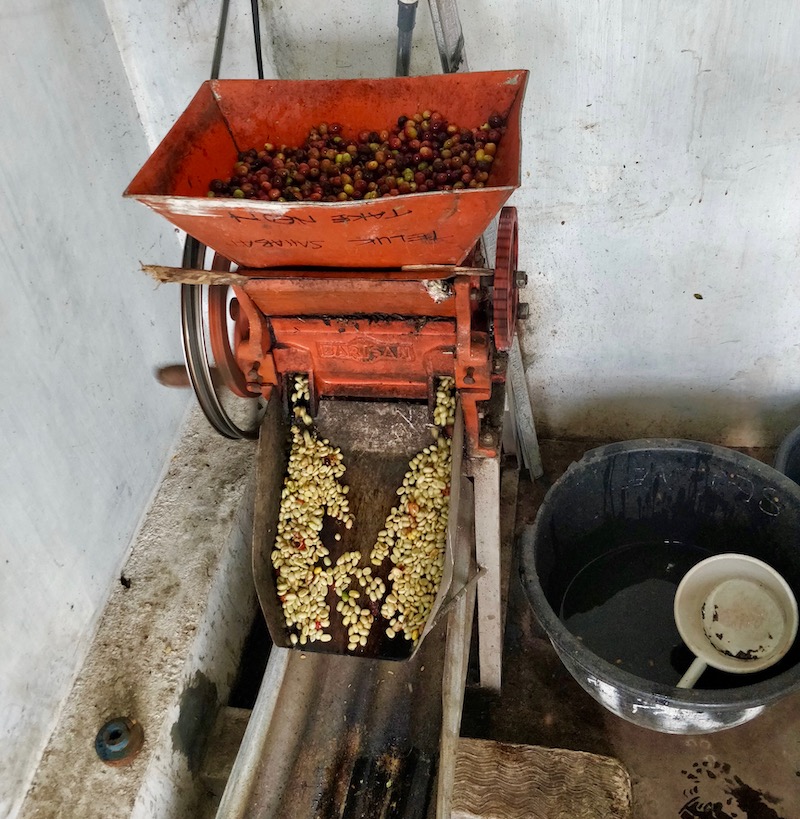
At that stage moisture sits around 30-40%; sun or machine drying then brings it down to about 13%. The method saves at least 30% of processing time, letting farmers turn beans into cash quickly and cutting costs.
Wet-hulled coffee is typically thick, intense, and boldly individual — and this process is found nowhere else but Indonesia.
Flavor Characteristics of Mandheling
Mandheling is rich, aromatic, purely bitter, and full-bodied with a whisper of sweetness. Roasted, the beans run large with a caramel-like aroma and a fragrant, luxurious taste. Most coffee lovers drink it straight as a single origin, but it's also a cornerstone of espresso blending — a bean equally at home in pour-over and in a mix.
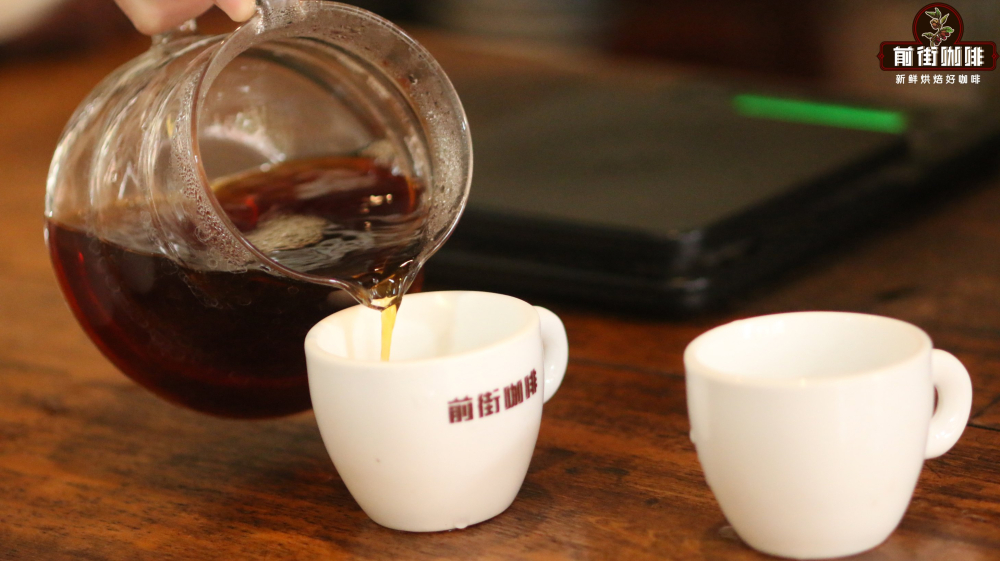
Great coffee starts with a fresh roast, so every bean FrontStreet Coffee sells ships within 5 days of roasting.
How to Brew Mandheling for Best Taste
Because Mandheling has so little acidity to begin with, it never turns sour or astringent even when it cools or gets brewed over ice — which is why FrontStreet Coffee recommends brewing it hot.

Dripper: KONO
Coffee: 15 grams
Coffee-to-water ratio: 1:15
Grind size: 70% pass-through on the Chinese #20 standard sieve
Water temperature: 88°C
Bloom with 30g of water for 30 seconds, then pour slowly in small streams up to 125g; increase the flow slightly and finish pouring to 225g. Total extraction time: 2 minutes.
FrontStreet Coffee Recommendation
If Mandheling's dark, herbal depth is your comfort zone but you'd like to hear what the other end of the spectrum sounds like, FrontStreet Coffee's washed Yirgacheffe is the classic counterpoint: grown at 1,700-2,100 meters in southern Sidamo — some of the highest coffee elevations in the world — it sings with white jasmine florals and bright citrus-lemon acidity at a friendly price, which is exactly why it's the go-to first bean for people entering specialty coffee.
For a middle path, try the washed Guodingding Cooperative lot from a small village cooperative on Yirgacheffe's southeastern edge — traditionally washed, with none of the old bitterness, just clean citrus, lemon, and jasmine — or the natural Red Cherry lot, sun-dried as whole ripe cherries for three to five weeks on raised beds, delivering citrus acidity, berry juiciness, honeyed sweetness, and creaminess. Between Mandheling's chocolatey weight and Yirgacheffe's sparkling brightness, you'll quickly discover which side of the coffee world your palate calls home.
Important Notice :
FrontStreet Coffee is a long-established specialty coffee roaster in Guangzhou China, selling freshly roasted beans from its own farm in Yunnan as well as dozens of carefully selected single-origin beans from around the world for both pour-over and espresso. The products deliver consistently excellent quality and great value, with shipping within 24 hours. Guangzhou's FrontStreet Coffee shop is recommended by many coffee lovers, and the beans are now available online at the Tmall 。
FrontStreet Coffee has moved to a new address:
FrontStreet Coffee Address: 315,Donghua East Road,GuangZhou
Tel:020 38364473
 Scan and follow the En Gafei WeChat official account. Please indicate that the reprint comes from "En Gafei".

