What Are the Signs of Over-extracted Pour-Over Coffee? What Causes Over-extraction in Pour-Over Coffee?
If you brew pour-over regularly, you have probably lived this moment: everything feels under control while pouring, but as the coffee in the filter begins its final drawdown, panic sets in — "Why is it flowing so slowly? Hurry up! It's going to over-extract. Should I cut the flow? What do I do?!"
What's Really Happening When Coffee Drains So Slowly?
You checked your parameters before brewing, stayed focused throughout the pour, and everything looked normal along the way. So why, at the end, does the drainage suddenly crawl?
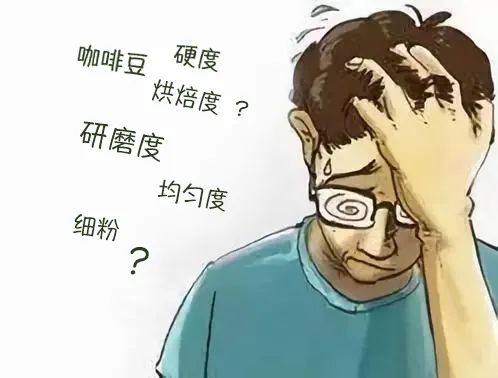
Many enthusiasts immediately blame the grind size — and slow flow is indeed usually a grind question. If you read FrontStreet Coffee's articles often, you know we calibrate grind size by the pass-through rate on a #20 standard sieve.
For pour-over, FrontStreet Coffee uses a grind that passes 80% through the #20 sieve — meaning when calibrating with 10g of grounds, we choose the setting that lets 8g through. In other words, whether 0.8mm or 0.3mm, any particle smaller than 0.85mm passes through the #20 sieve.
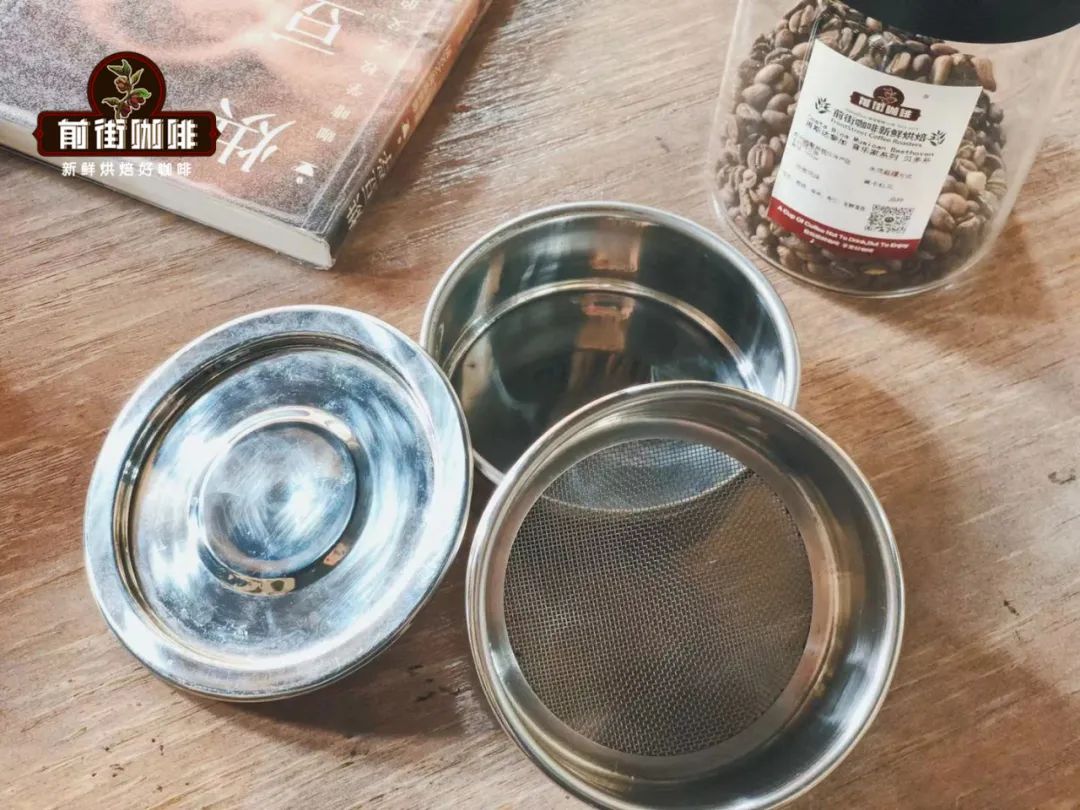
This is where grinder quality matters. Take the EK-43s as an example: sieved through multiple mesh sizes at the setting where 80% passes the #20 sieve, particles larger than 0.85mm account for 20%, particles between 0.5-0.85mm for 60%, particles between 0.35-0.5mm for 16%, and particles smaller than 0.35mm for 4%. That is a grinder with relatively uniform grinding.
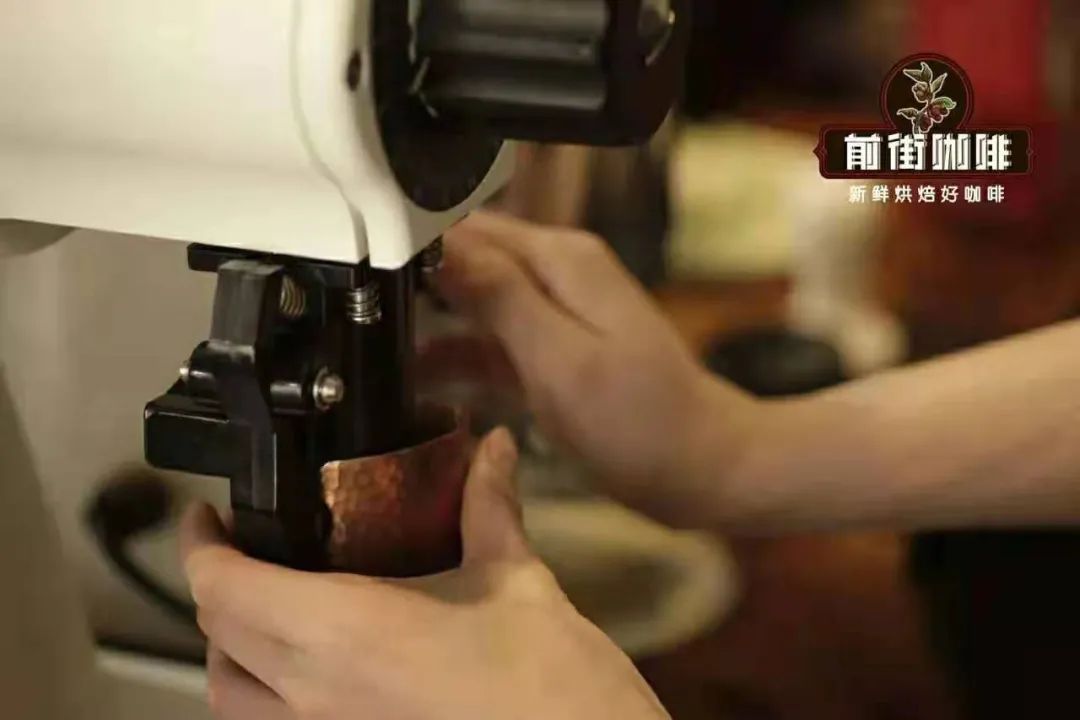
Now sieve another brand's grinder output at the same 80%-pass setting: particles larger than 0.85mm account for 20%, 0.5-0.85mm for 50%, 0.35-0.5mm for 18%, and below 0.35mm for 12%. And looking at the particles over 0.85mm, the boulders from the other grinder are visibly larger than the EK's. Different grinders clearly differ in grind uniformity.
Simply put, the more uniform the grind, the better the extraction; the more uneven the particle sizes, the worse — showing up as clogging from fines even at the same calibrated setting. This is why so many beginners feel helpless when the flow rate slows at the end, dreading over-extraction.
A Side Note: Why Are Beginners So Afraid of Over-Extraction?
Because the bitter, muddled flavors of over-extraction are genuinely unpleasant — more off-putting than under-extraction. Over-extraction occurs when water soaks the grounds for too long, which is why a slow drawdown makes novices anxious.
So how long is "too long"? For a normal pot of pour-over, 1 minute 40 seconds to 2 minutes 20 seconds is a reasonable extraction window, with most brews landing between 1 minute 50 seconds and 2 minutes. Past the 2-minute mark with water still in the bed, over-extraction risk rises. A few seconds over is usually fine, but if it runs more than 10 seconds long, brewers with limited experience are almost certainly over-extracting.
FrontStreet Coffee's advice: you have to taste over-extraction to learn it. Only then will your judgments sharpen next time. Excessive time does normally produce unpleasant flavors — though this holds specifically when the slowdown comes from excess fines.
In fact, fine particles aren't the only cause of slow drainage. Different drippers produce different flow rates, which many enthusiasts already understand. Another factor is the bean itself. Careful brewers will notice that some beans drain quickly while others crawl as if clogged — a matter of bean hardness.
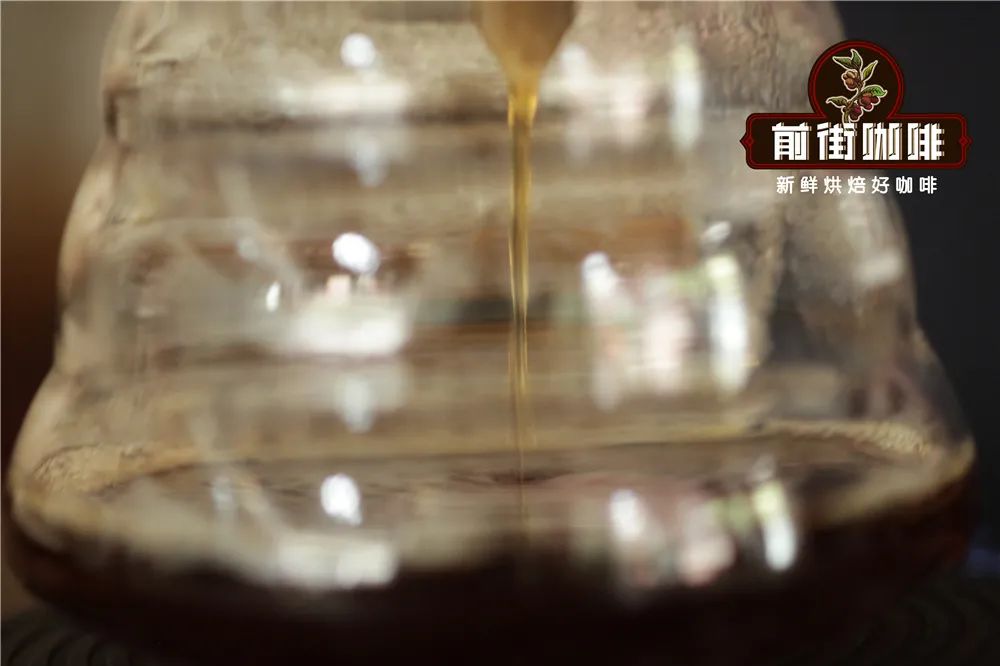
Panama Gesha, for example, has dense, hard beans and is typically roasted light, so it absorbs water less efficiently and resists forming a proper bloom. High density also makes the grounds sink, so very little coffee floats on the surface when brewing Gesha. With the bed settled, drainage slows, and the extraction time runs correspondingly longer — around 2 minutes to 2 minutes 30 seconds. That is not over-extraction.
This is why copying one bean's recipe onto another bean is risky. When the beans are similar, it may work; when they differ significantly, you cannot judge correctly by the clock alone.
FrontStreet Coffee Recommendation
Since grind calibration and flow control matter so much here, the dripper itself deserves attention. FrontStreet Coffee's dripper of choice is the resin Hario V60 — its 60-degree cone and single large opening let liquid flow unimpeded, so the brew speed depends largely on your pouring control. The resin version also insulates heat well and, being mass-produced, holds the tightest manufacturing tolerances of any material, ceramic and glass included.
As for beans: if your brews keep running slow and you want to taste the difference between beans, try comparing FrontStreet Coffee's Yirgacheffe Guodingding — a washed Ethiopian with bright citrus, berry, and white-floral character — against the PWN Indonesia Golden Mandheling, a dark, low-acid coffee with herbal, dark chocolate, and earthy notes. The contrast in density, roast, and drainage behavior will teach you more about extraction than any clock can. And if you love the slow-drinking Gesha profile, FrontStreet's Boquete Washed Gesha — jasmine, green tea, honey, citrus, and orange — is the estate-level way to practice those longer 2 to 2 minute 30 second brews.
Important Notice :
FrontStreet Coffee is a long-established specialty coffee roaster in Guangzhou China, selling freshly roasted beans from its own farm in Yunnan as well as dozens of carefully selected single-origin beans from around the world for both pour-over and espresso. The products deliver consistently excellent quality and great value, with shipping within 24 hours. Guangzhou's FrontStreet Coffee shop is recommended by many coffee lovers, and the beans are now available online at the Tmall 。
FrontStreet Coffee has moved to a new address:
FrontStreet Coffee Address: 315,Donghua East Road,GuangZhou
Tel:020 38364473
 Scan and follow the En Gafei WeChat official account. Please indicate that the reprint comes from "En Gafei".