How Many Cups of Pour-Over Coffee Can You Drink Per Day? Which Has More Caffeine: Pour-Over or Espresso?
Caffeine: A Blessing for Some, A Nightmare for Others
For those who need caffeine, coffee becomes essential. But coffee's flavor also draws in a group of enthusiasts who are not chasing caffeine at all, including many who are caffeine intolerant. Among the customers who come to FrontStreet Coffee, the great majority are drawn by the taste of coffee itself.

Many people assume coffee must be loaded with caffeine—after all, it is called caffeine, so it ought to come from coffee in abundance. In fact, tea contains more than twice as much caffeine as coffee beans, which is the first surprise.
Comparisons aside, coffee does contain caffeine. So how much caffeine is actually in a cup, and how many cups can we drink per day?
How Much Caffeine Do Coffee Beans Contain?
Start with how much caffeine coffee beans contain. Different varieties differ. Taking the common Arabica and Robusta as examples, Arabica beans contain approximately 0.9-1.4% caffeine, while Robusta beans contain about 2-4%, mostly concentrated around 3%. Robusta therefore carries more than twice the caffeine of Arabica.
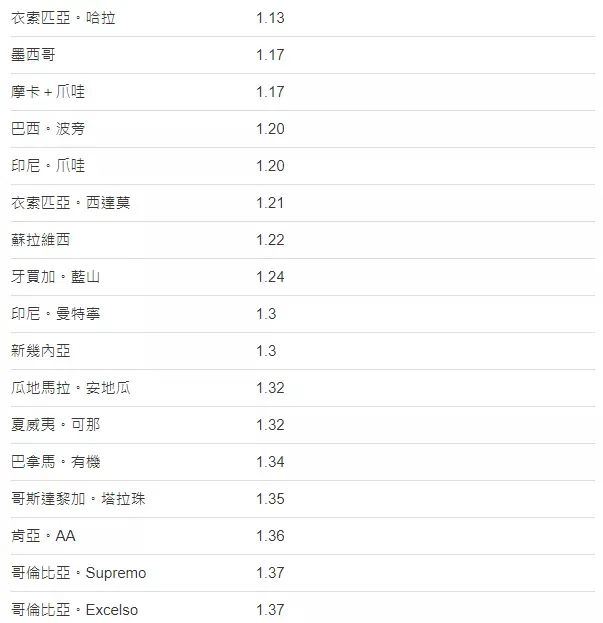
There are subtler differences by region as well. Among Arabica beans, those tested in Colombia contain about 1.37% caffeine, while Arabica from Ethiopia's Sidamo region contains only about 1.21%.
How Much Caffeine Is in a Cup of Coffee?
The caffeine in a cup depends closely on how much coffee is used. Using 15g of coffee as the standard for a pour-over and calculating on Arabica at 1.3% caffeine, the total caffeine content would be 195mg. Note that 195mg is the total caffeine content inside the beans—the amount actually dissolved into the water will be less than 195mg.
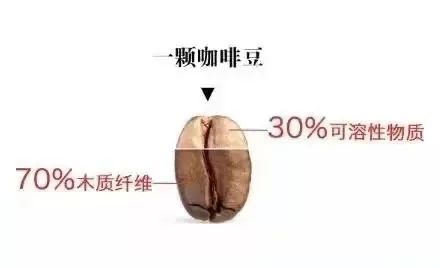
Two points matter here. First, caffeine is water-soluble and belongs to the roughly 30% of coffee components that dissolve in water.
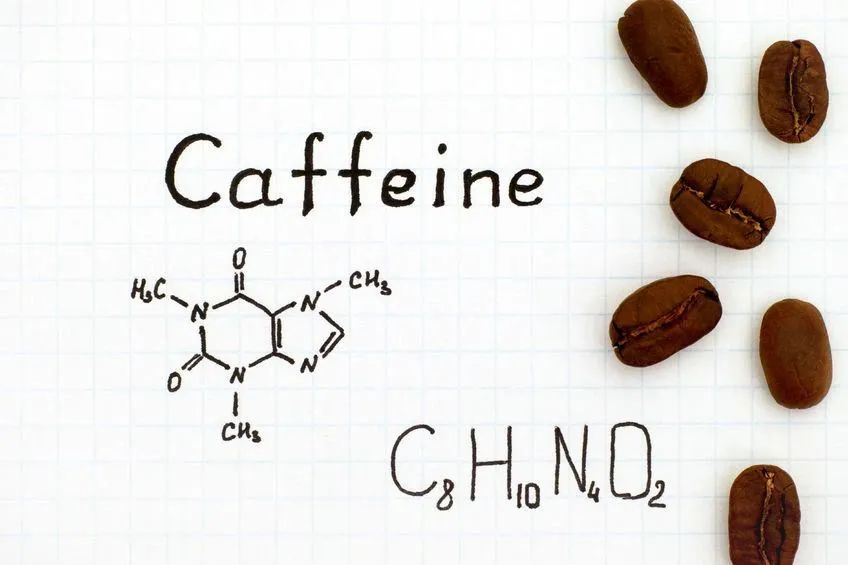
Second, when we brew coffee we typically extract only 18-22% of the coffee's substances. Caffeine's chemical formula is C8H10N4O2, and it is a comparatively large molecule. As FrontStreet Coffee has explained when discussing extraction, smaller-molecule compounds are extracted first while larger ones take longer to come out.
In reality, then, a standard pour-over made with 15g of grounds contains approximately 60-90mg of caffeine.
What Factors Affect the Caffeine Content in Coffee?
Return to the earlier point: why does tea contain twice as much caffeine as coffee beans, yet coffee feels more stimulating? Although tea holds more caffeine, it releases it very slowly, so less ends up in an equal volume of water than with coffee.
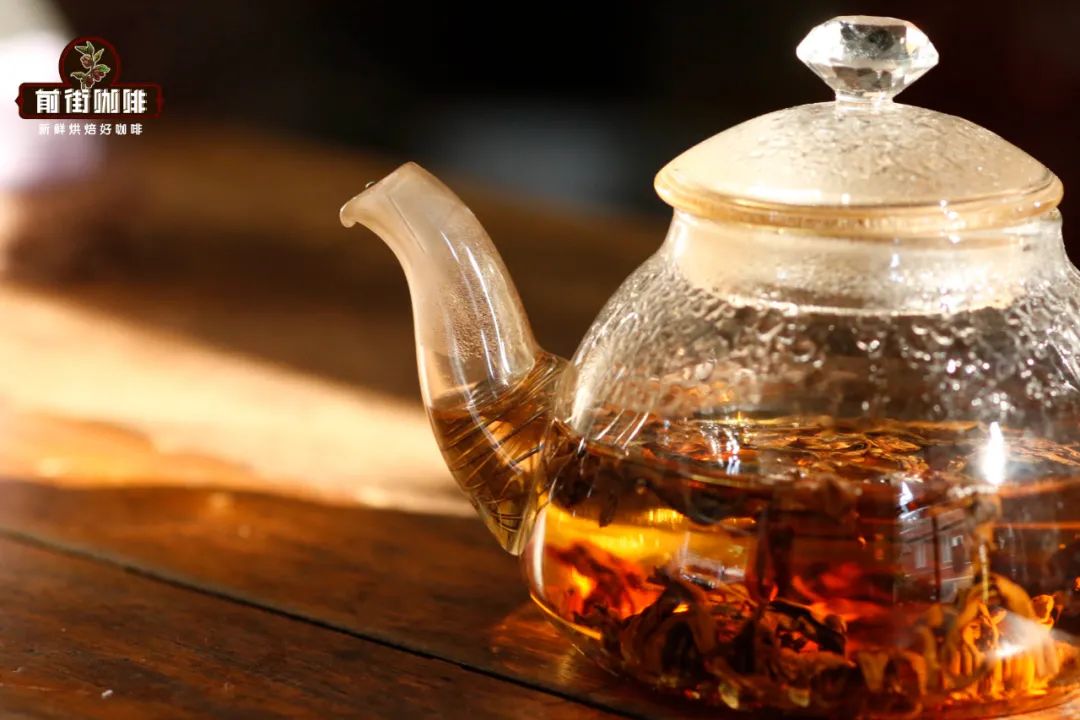
Apply that logic across brewing methods and the longer the contact time, the more caffeine ends up in the cup.
So, with the same beans of equal weight:
Cold brew coffee > French press > Pour-over coffee > Espresso
A cup of cold brew (200ml/20g beans) contains approximately 200mg of caffeine;
A cup of French press coffee (225ml/15g beans) contains approximately 120mg of caffeine;
A cup of pour-over coffee (225ml/15g beans) contains approximately 60-90mg of caffeine;
A shot of espresso (30ml/15g beans) contains approximately 85mg of caffeine.
Note: for Americanos, lattes, cappuccinos and other drinks built on espresso, the total caffeine stays the same unless the recipe calls for more than a single shot.
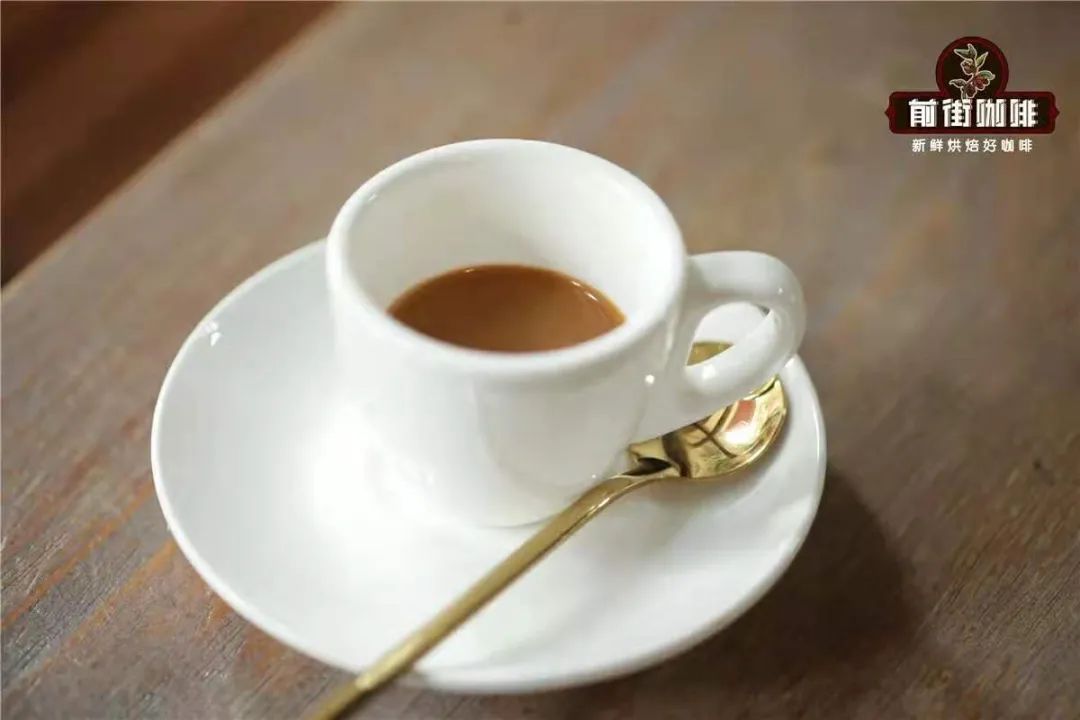
Some will ask: if espresso contains the least caffeine, why does it feel the most stimulating? Two things explain it. First, espresso is far more concentrated than other coffees, which itself creates a stimulating effect—just as staying awake through willpower or a cold splash of water can perk you up without any caffeine at all.
Second, some coffee shops habitually use a blend of Robusta and Arabica, which raises the total caffeine content. Comparing bean types against each other would otherwise be meaningless.
How Many Cups of Coffee Can You Drink Per Day?
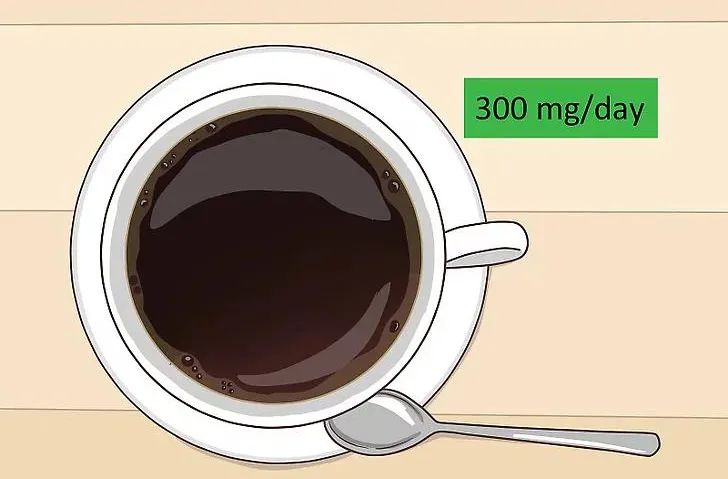
It is generally held that ordinary adult men should not exceed 400mg of caffeine per day, while recommendations in the United States and Europe cap adults at 300mg per day. At those levels health problems are unlikely. Taking pour-over coffee (200ml per cup) with an average caffeine content of 75mg as an example, drinking 4-5 cups a day would not affect health.
FrontStreet Coffee Recommendation
If you are watching your daily caffeine intake, the variety and roast you choose matter as much as the number of cups. Colombia is a good middle ground: FrontStreet Colombia Huila comes from Huila province in the southern Central Cordillera, Colombia's best-known specialty region, where coffee is planted above 1,500 meters on hills ringed by mountains and where the country's most important rivers converge, bringing abundant water and humidity. FrontStreet's washed Huila is roasted medium-dark, which brings out dark chocolate and nutty sweetness with moderate oils and a full body. It is suited to pour-over and French press, and also extracts beautifully in a moka pot or espresso machine for Americanos and lattes.
For a brighter, more aromatic profile, FrontStreet Colombia Diviso Estate Sidra is processed with anaerobic natural fermentation. Colombian coffee was traditionally washed, but recent years have brought a wave of experimental processing; anaerobic fermentation, sometimes called carbonic maceration, is simply fermentation in a low-oxygen or oxygen-free environment, usually in a pressure-resistant stainless steel tank where temperature, time and pH are controlled. Anaerobic natural and anaerobic washed are the best known versions. FrontStreet Sidra uses the anaerobic natural method, which converts the coffee into richer tropical fruit aromas; roasted medium-light, it brews as pour-over, cold brew, drip bag or moka pot with complex notes of passion fruit, grape, apricot and dried fruit.
If you have a home espresso machine or a moka pot, FrontStreet Specialty Blend is the baristas' strong recommendation. It is an espresso blend built for cafe use, combining the creamy nuttiness of Brazilian coffee with the dark chocolate bittersweetness of Colombian coffee. It extracts with a fine golden crema and pairs superbly with milk for a rich, smooth latte, making it very friendly to beginners. It also works as the base for Americanos, cappuccinos, mochas and other standard espresso drinks, so a moderate pour-over or a single espresso keeps you comfortably within the daily limits described above.
Important Notice :
FrontStreet Coffee is a long-established specialty coffee roaster in Guangzhou China, selling freshly roasted beans from its own farm in Yunnan as well as dozens of carefully selected single-origin beans from around the world for both pour-over and espresso. The products deliver consistently excellent quality and great value, with shipping within 24 hours. Guangzhou's FrontStreet Coffee shop is recommended by many coffee lovers, and the beans are now available online at the Tmall 。
FrontStreet Coffee has moved to a new address:
FrontStreet Coffee Address: 315,Donghua East Road,GuangZhou
Tel:020 38364473
 Scan and follow the En Gafei WeChat official account. Please indicate that the reprint comes from "En Gafei".