Pour-Over Coffee Tutorial—How to Brew Ethiopian Yirgacheffe for the Perfect Taste
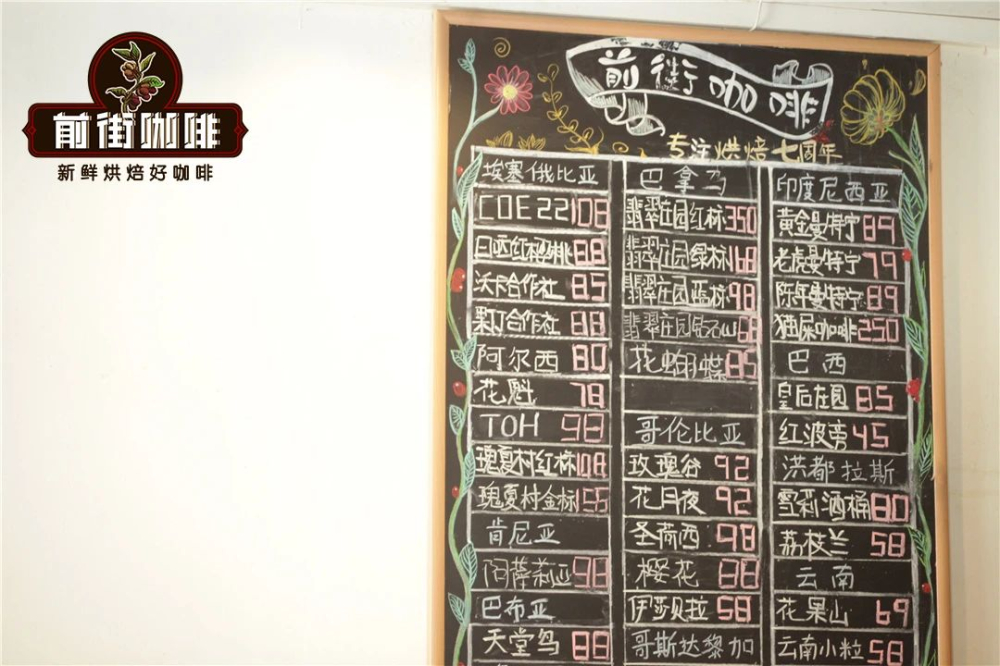
If you enjoy pour-over coffee, you are probably familiar with FrontStreet Coffee's Yirgacheffe. For drinkers who find strong, bitter coffee hard to accept, it is an easy way into the appeal of fruity, acidic coffee. FrontStreet Coffee offers two processing styles for its Yirgacheffe, each with a distinct profile. If you like full tropical fruit flavours, FrontStreet Coffee recommends the Sun-Dried Red Cherry. If you prefer bright, uplifting citrus acidity, the Washed Gotitty is more suitable.
What's the Difference Between Washed and Sun-Dried Yirgacheffe?
Ethiopia's high-altitude terrain and abundant sunshine make it ideal for sun-drying coffee cherries. Traditional sun-drying was rather crude: each farmer processed cherry in their own small courtyard, spreading it directly on roofs or the ground. Those rough techniques introduced many unpleasant flavours and produced inconsistent quality.
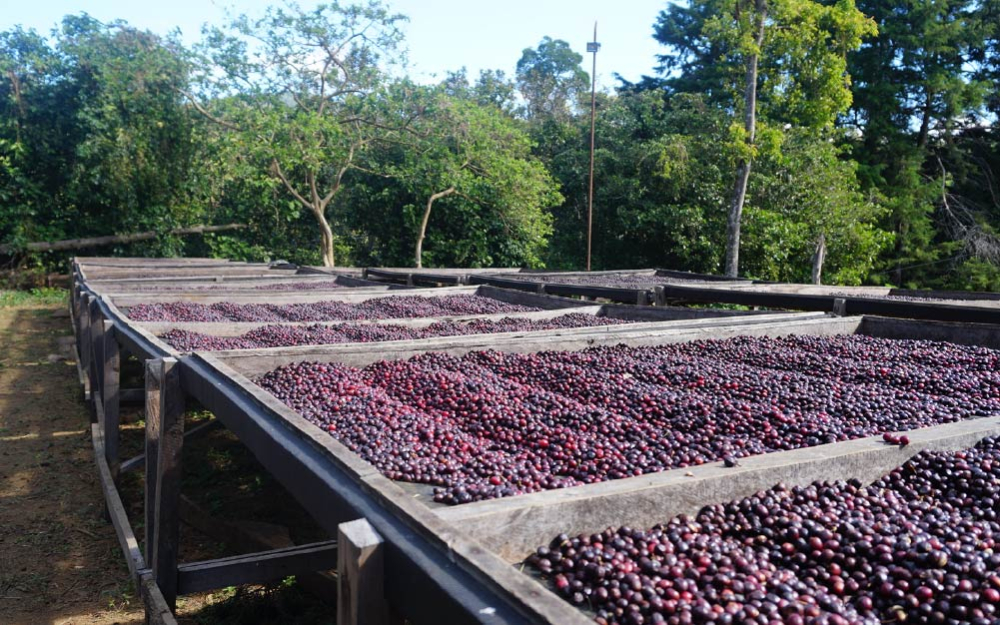
In 1972, the Ethiopian government introduced more advanced washing technology and equipment from Central and South America. Farms using the washed method must build washing pools and have access to a continuous supply of fresh water, which raises production costs. During processing, fermented beans sit in the pools and are moved back and forth, using friction between the beans and the power of flowing water to wash them until smooth and clean. Each step removes impurities and defective beans, producing more uniform green beans, and the final trading price is higher than for naturally dried coffee. Washing not only cuts the defect rate significantly but also gives Yirgacheffe its fresh citrus tones and elegant white florals, with a bright, delicate, clean overall profile.
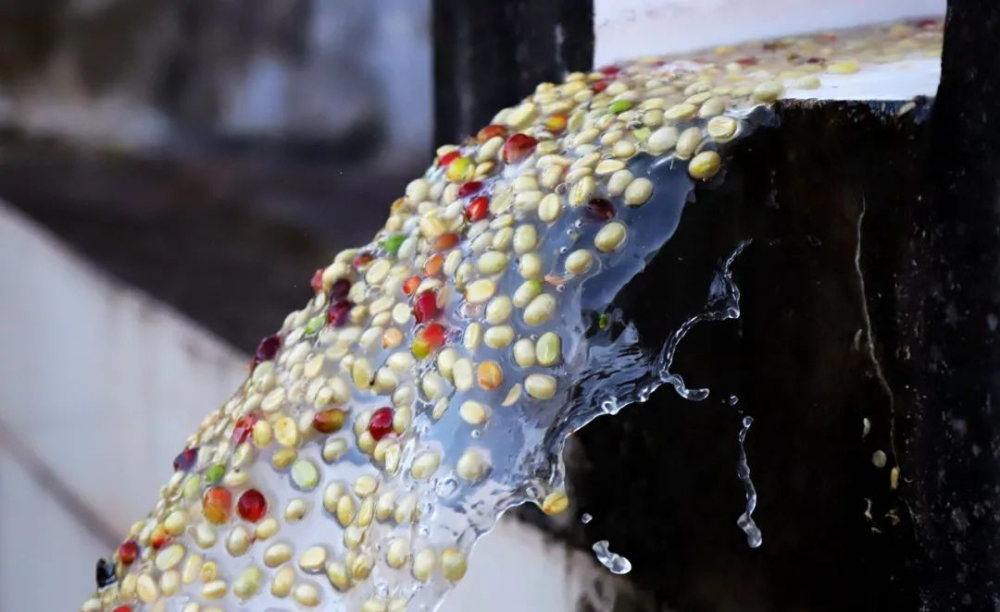
Although washed coffee became popular, sun-drying still accounts for the majority of Ethiopian production. Unlike in the past, today's sun-drying invests far more effort in manual sorting and even drying. Freshly picked cherry is sorted by hand, removing overripe or insect-damaged beans so only high-quality fruit remains. The cherry then goes to drying areas, and different growing regions use different racks: some use waterproof tarps, some raised beds, but the most common are African drying beds. Drying typically takes 27-30 days, until the coffee turns dark purple and moisture content drops to 11%.

The FrontStreet Coffee Gotitty Cooperative beans on the menu use classic washed processing of FrontStreet Coffee's Yirgacheffe, while the Red Cherry beans use a refined sun-dried process, with more intense flavours, richer layers, fuller fermentation notes and tropical fruit, along with higher sweetness.
Flavor Characteristics of Medium-Light Roasted Yirgacheffe
FrontStreet Coffee believes the greatest characteristic of Ethiopian coffee is its fruit acidity and floral notes, praised by many coffee professionals as a "fruit bomb." To highlight such explosive aromatics, the roast cannot go too deep, so FrontStreet Coffee uses medium-light roasting to showcase the fruit.
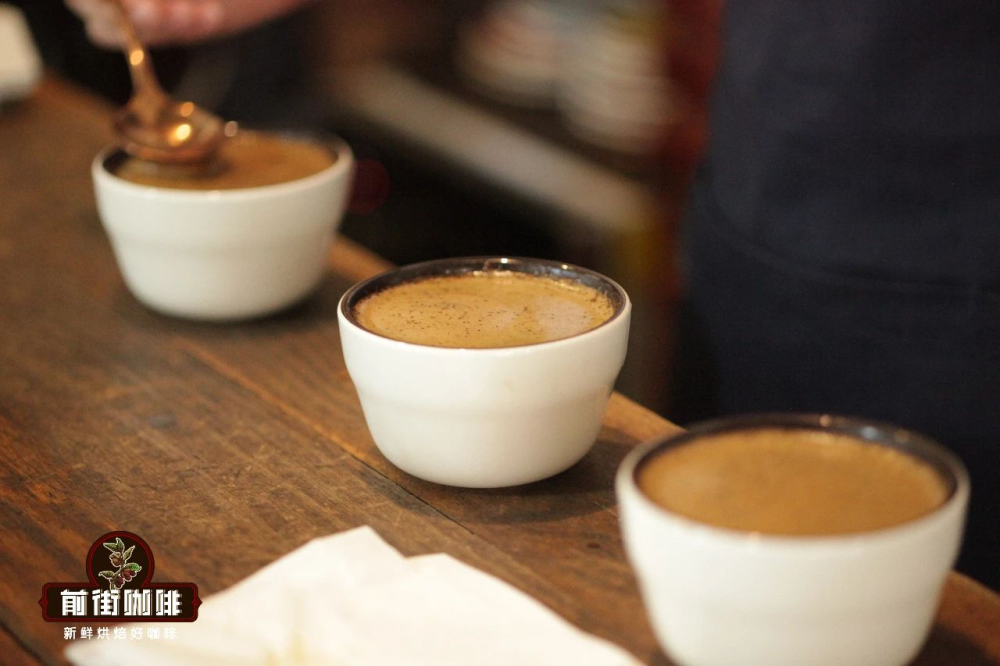
Cupping Flavors:
FrontStreet Coffee's Washed Gotitty Cooperative coffee shows a dry aroma of fresh passion fruit, citrus and berry acidity. The wet aroma reveals citrus and berries. On tasting, citrus acidity, berry sweetness, almond, tea-like notes and a honey-sweet aftertaste emerge. It has a low body, bright acidity, and is clean and refreshing.
FrontStreet Coffee's Sun-Dried Red Cherry coffee shows full berry sweet-tartness in the dry aroma. At different temperatures, soft berry sweet-tartness, ripe fermented fruit notes, obvious honey sweetness and a black tea finish combine into a smooth mouthfeel.
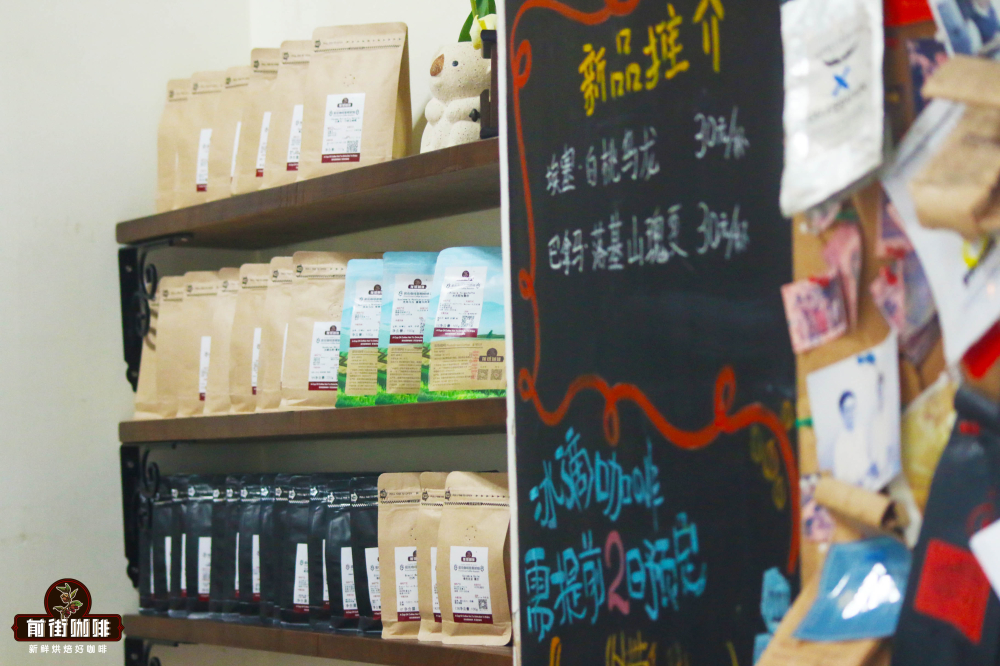
FrontStreet Coffee's Yirgacheffe Daily Bean also uses washed processing and a medium-light roast, with the classic Yirgacheffe flavour notes, and suits pour-over, cold brew, French press and other methods. FrontStreet Coffee's menu includes a Daily Bean series — "daily beans" are simply delicious and affordable. FrontStreet Coffee has selected 7 classic origins, covering a wide range of representative regions, varieties and natural processing methods, so everyone can taste regional profiles at a reasonable price and work out their own preferences. It is FrontStreet Coffee's best-value coffee series.
Pour-Over Brewing Tips and Suggestions for FrontStreet Coffee Yirgacheffe
Based on previous brewing experience, FrontStreet Coffee recommends that beginners use a three-stage pour. Three-stage extraction helps dissolve flavour compounds fully, enhances the layers in the mouthfeel, and avoids the over-extraction that comes from a long soak. For 15g of ground coffee at a 1:15 ratio (225ml of water in total), the three stages are 30ml, 95ml and 100ml, with the scale reading 30g, 125g and 225g.
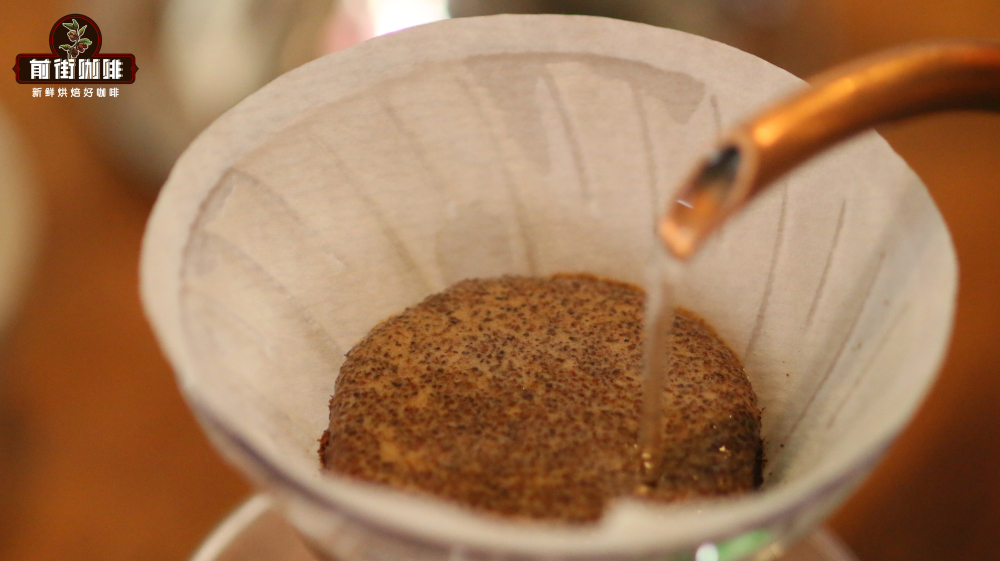
Here FrontStreet Coffee's Washed Yirgacheffe Gotitty Cooperative beans are brewed in a Hario V60 dripper. The V60's spiral ribs let the grounds release gas more readily, maximising the volatilisation and dissolution of aromatic compounds. Since FrontStreet Coffee's Yirgacheffe is light roasted, the beans are relatively hard and need 92°C-93°C water to activate the floral and fruit flavours.
For grind size, FrontStreet Coffee recommends a medium-fine grind (78% pass rate through China standard #20 sieve), similar to fine sugar in consistency. A grind that is too coarse cannot extract full, rounded flavour and gives a thin cup; too fine a grind over-extracts easily at high water temperatures and turns bitter.
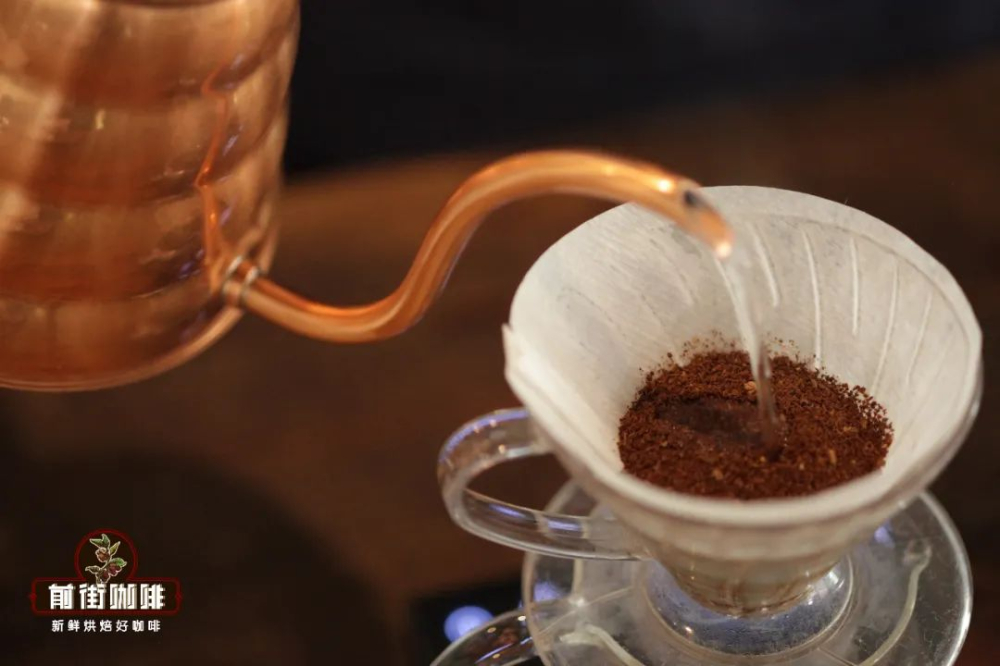
First, place the folded filter paper in the dripper and make sure it sits well. Pour 15g of ground coffee into the dripper and zero the scale. For the first stage, pour 30g of water for a 30-second bloom, starting the timer as you pour. Use a small stream at the centre point, spiralling outward so the entire coffee bed is moistened.
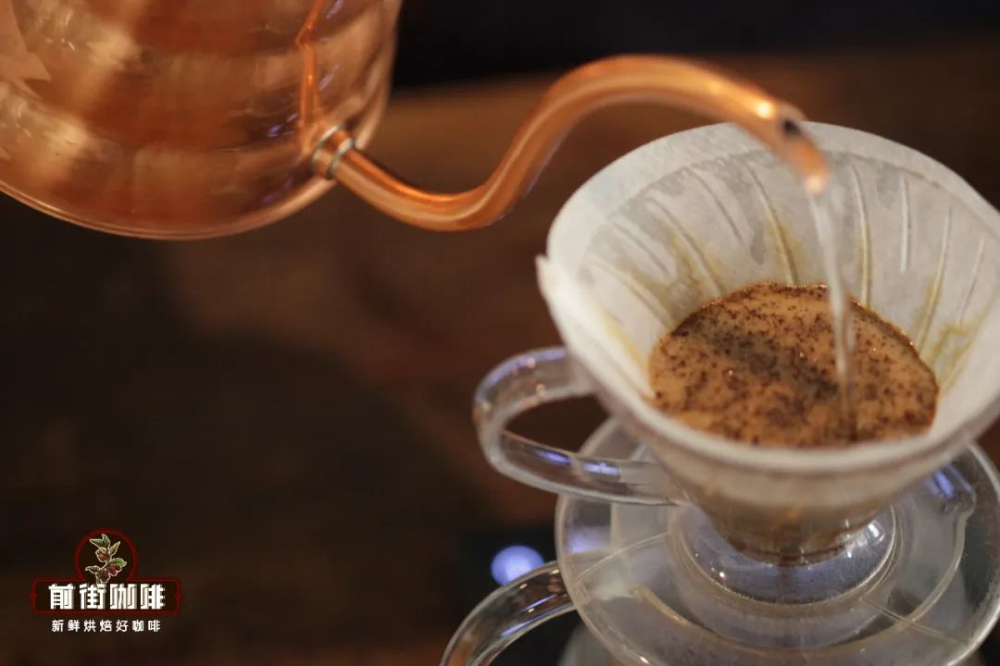
After 30 seconds, begin the second stage of 95g with a slightly larger stream, aiming to lift the whole coffee bed. The stream should be poured vertically and evenly, with the scale reading 125g, completed around 55 seconds.
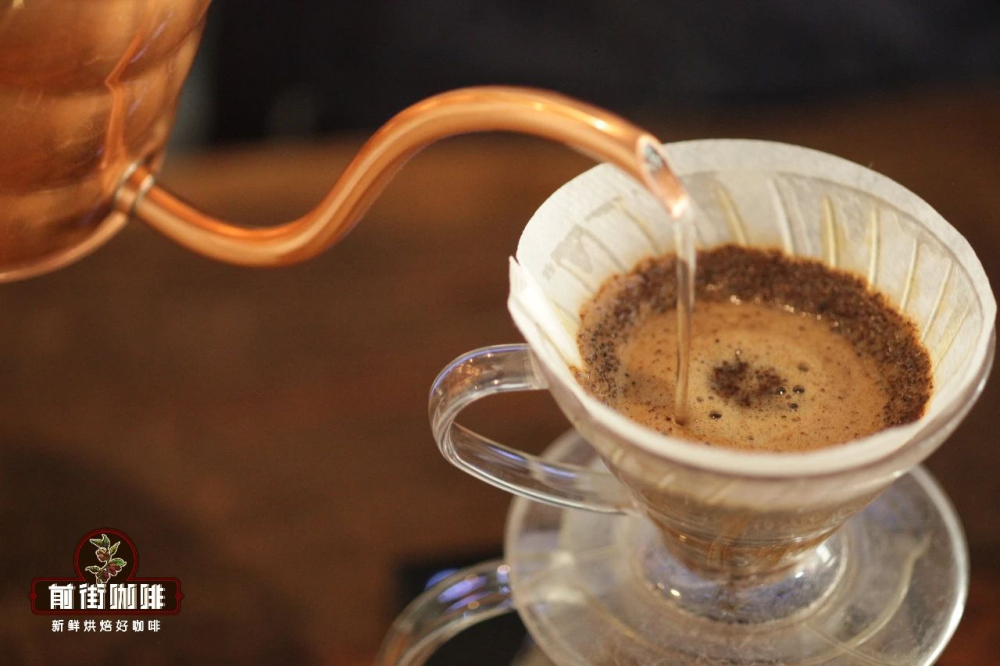
When the liquid level drops to halfway, begin the third stage of 100g with a small stream in small circles, keeping the flow from getting so large that it scatters the coffee bed and causes under-extraction. Total water should reach 225g, with the drip finishing around 2 minutes. Remove the dripper, swirl the coffee in the server to even it out, and it is ready to taste.

The water amount at each stage is not fixed. You can adjust it based on your accumulated pour-over experience and your understanding of the beans. FrontStreet Coffee treats brewing as a scientific experiment: to master pour-over, you need to understand the real meaning of every parameter, which is how you find the experimental method and build a brewing framework that suits you.
Professional Coffee Knowledge Exchange
For more coffee bean information, please follow Coffee Workshop.
FrontStreet Coffee Recommendation
FrontStreet Washed Yirgacheffe Daily Bean is the most approachable way into the region. It is known for white jasmine, bright citrus and lemon acidity and a tea-like body, and its accessible price has made it the first specialty bean for a great many drinkers. Yirgacheffe itself is a town in southern Ethiopia, inside the Sidamo region, at around 1700-2100 meters, with the coffee trees planted above 1800 meters — among the highest coffee areas in the world. The area was wetland long ago, and its unmistakable white florals and lemon-citrus acidity turned the name into shorthand for Ethiopian specialty coffee. In 2010, with the Yirgacheffe name carrying such weight, the Ethiopian Commodity Exchange separated it from Sidamo, and the Yirgacheffe coffee we know today was born.
FrontStreet Gotitty Cooperative shows what a single village can add. Yirgacheffe is not one place so much as a cluster of small areas and villages, several of which have experienced cooperatives whose mature methods push quality higher. Gotitty is the most representative. It sits at the southeastern end of Yirgacheffe in the Worka area and was originally part of the Worka cooperative under the Yirgacheffe union YCFCU; as demand for traceability grew, it was identified as a single origin in its own right. It follows the most traditional washed processing, and drinkers describe it as the last clean corner of Yirgacheffe: no traditional bitterness, with fresh, bright citrus and lemon acidity and the fragrance of jasmine.
FrontStreet Sun-Dried Red Cherry is the same origin handled a different way. It uses whole-ripe-cherry natural processing: only fully mature, undamaged fruit is taken, given a first screening at the processing station, then spread on raised beds to dry, and turned every 2-3 hours in the first days to prevent uneven heating and over-fermentation. After three to five weeks, once the colours are right, the outer pulp is milled off and the beans go into storage. Because the cherry dries with the fruit still on it, the cup keeps the typical Yirgacheffe character while gaining the tropical fruit of natural processing: citrus-like acidity, a berry-juice quality, honey sweetness and a creamy smoothness. Brewed at 90-91°C with 15g at a 1:15 ratio and a medium-fine grind, it is an ideal place to start.
Important Notice :
FrontStreet Coffee is a long-established specialty coffee roaster in Guangzhou China, selling freshly roasted beans from its own farm in Yunnan as well as dozens of carefully selected single-origin beans from around the world for both pour-over and espresso. The products deliver consistently excellent quality and great value, with shipping within 24 hours. Guangzhou's FrontStreet Coffee shop is recommended by many coffee lovers, and the beans are now available online at the Tmall 。
FrontStreet Coffee has moved to a new address:
FrontStreet Coffee Address: 315,Donghua East Road,GuangZhou
Tel:020 38364473
 Scan and follow the En Gafei WeChat official account. Please indicate that the reprint comes from "En Gafei".