How to Drink Pour-Over Black Coffee? The Best Tasting Temperature for Coffee & Can Cold Coffee Be Reheated

There's a good reason people say, "Drink your coffee while it's hot!" FrontStreet Coffee once heard a coffee lover describe cooled coffee this way: "One sip and my head ached. That bitter, astringent taste plus a woody flavor lingered in my mouth, and I had to set the cup down for a long while."
Why does coffee taste so different as it cools?
Temperature changes both flavor expression and our sensory perception of it. FrontStreet Coffee evaluates coffee at high, medium, and low temperatures during cupping to map its flavor profile, because coffee shows different characteristics at different temperatures. This happens for two main reasons: the flavor compounds in coffee change with temperature, and human sensory perception changes with it too. Our senses detect five basic tastes — sweet, sour, bitter, salty, and umami — and coffee most often expresses sweet, sour, and bitter. These three taste compounds behave very differently across the temperature range.

Bitterness and Bitter Sensation
In the world of taste buds, bitterness is the most sensitive of all! The moment taste buds detect it, they signal the brain: "Alert — bitterness incoming!"
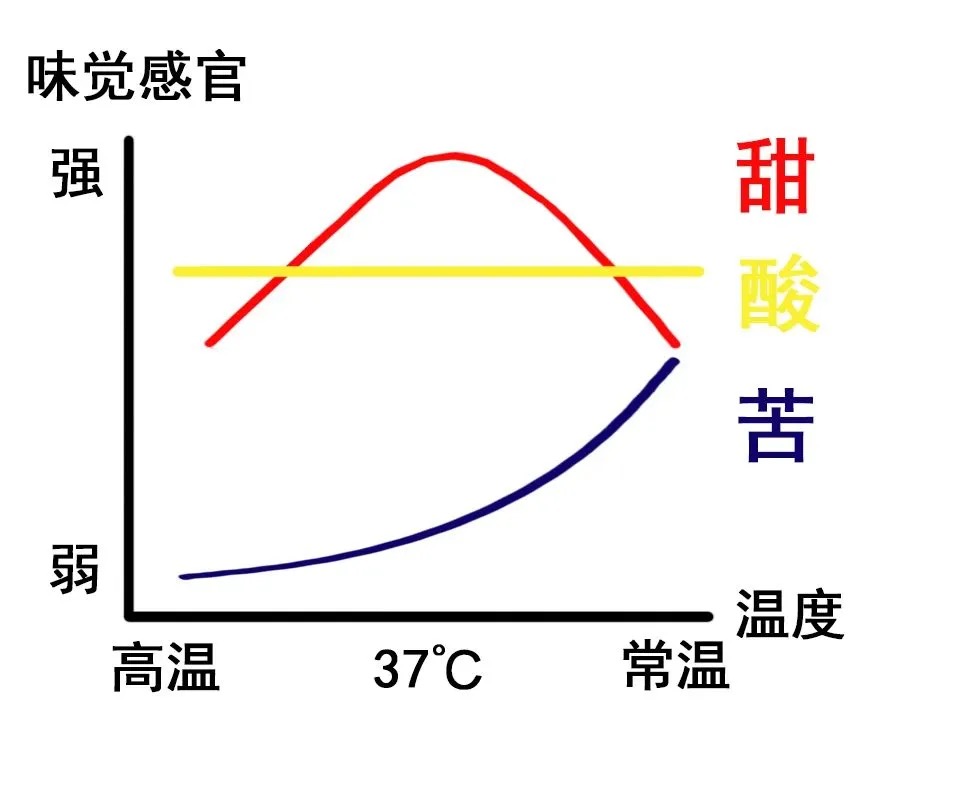
Bitterness grows more pronounced as temperature falls, because at high heat the burning sensation in the mouth overrides taste-bud perception and dulls sensitivity. That's why dark-roasted coffees, which already show bitterness when hot, become even harder to drink once fully cooled.

Sweetness and Sweet Sensation
Sweetness is most prominent when a food's temperature is close to body temperature. Try this: stir sugar into hot water, then taste it at different temperatures — the sweetness peaks when the sugar water sits between 30-50°C. Coffee behaves the same way: when the liquid in your mouth reaches this range, sweetness and aftertaste are at their best.
Sourness and Sour Sensation
Sourness barely changes with temperature. Put lemon juice in hot water and the sourness will read much the same across the range. So why does the acidity of light-roasted coffee turn so assertive as it cools? First, light roasts naturally contain fewer bitter compounds than dark roasts — they're built mostly of sweet and sour compounds — and once the temperature drops below 30°C, sweetness becomes less active, letting sourness step forward. Another factor is the oxidation of coffee oils.
Why does coffee turn unpleasantly bitter or sour when it cools?
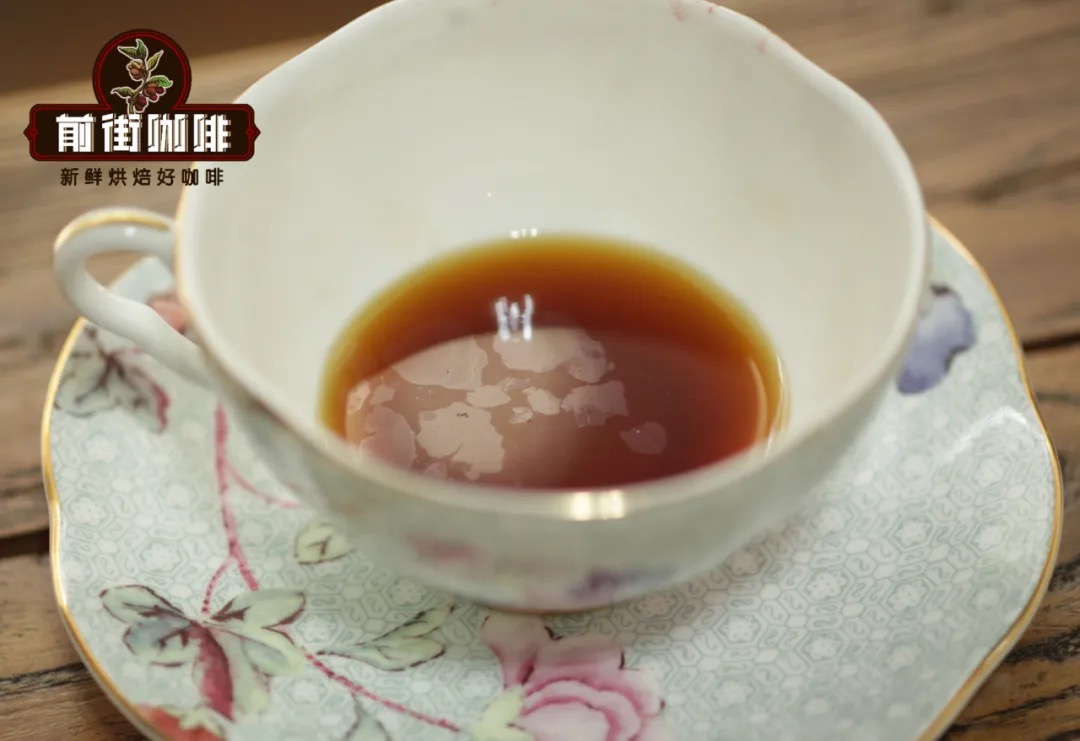
First, oil oxidation. Pour-over coffee is paper-filtered, which blocks most oils, but some still dissolve into the brew and pass through. As the coffee cools, that thin layer of oil re-congeals and floats to the surface, meeting the air. On contact with oxygen it begins to break down, producing a sharp, rancid sourness (more noticeable in light roasts). This easily oxidized oil is also the source of stale, oily flavors (more noticeable in dark roasts).
Second, the oxidation and polymerization of pigments — in plain terms, coffee stains. Roasting creates brown pigments through caramelization. Some of the products of that reaction give coffee its caramel and chocolate flavors, while other components oxidize and deteriorate over time, turning the flavor progressively more bitter and burnt.
The Optimal Temperature for Tasting Coffee
As shown above, each temperature reveals a different side of the cup. Freshly brewed coffee is typically above 70°C — too hot for most mouths — so this is the moment to enjoy the aroma: volatile compounds are at their most active. By around 60°C, it's the ideal time to savor the coffee's full, rich body.
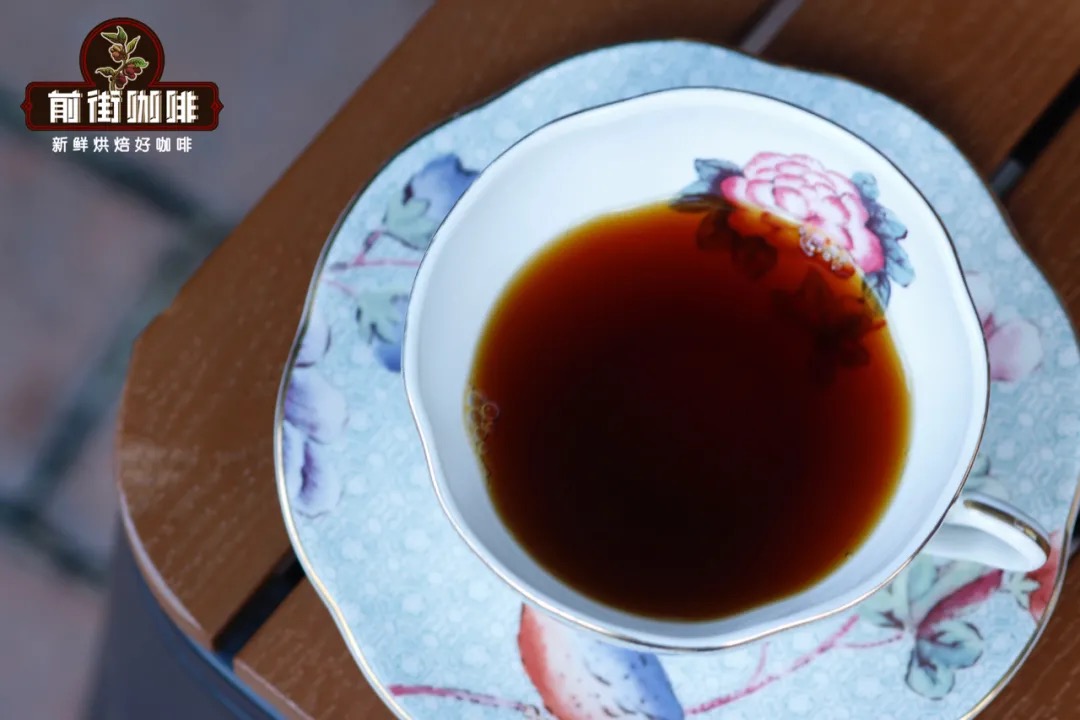
At 50°C, sweet and sour compounds come alive, and floral, fruity, and nutty aromas are most prominent. At 37°C, sweetness peaks. By room temperature, sourness is at its strongest. Different beans have different ideal tasting windows depending on roast level: beans with pronounced sweet-and-sour character shine around 30-50°C, while fuller-bodied beans are best around 40-60°C.
Can cold coffee be reheated?
FrontStreet Coffee doesn't recommend it. As coffee cools, its volatile aromatics dissipate, and reheating can't bring the original aroma back. What's more, if the coffee has already developed unpleasant flavors as it cooled, reheating only intensifies them.
FrontStreet Coffee Recommendation
FrontStreet Guodingding Yirgacheffe (light roast, for the sweet-sour window): the first stop for many coffee lovers entering specialty coffee, with vivid citrus, berry, and floral notes and a green-tea-like sweet finish. Its acidity is soft and bright — the natural sweetness of fruit, never harsh — and with beans built on sweet and sour compounds, it is at its most fragrant and juicy in the 30-50°C range. Brew it in a V60, whose fast extraction lets its florals, bright acidity, and tea-like finish fully unfold.
FrontStreet PWN Golden Mandheling (dark roast, for the body window): a dark-roast Indonesian with very low acidity and a long, mellow, full body — herbal and dark chocolate up front with a faint earthy note, richly layered. Beans like this, all about body and deep caramelization, show best around 40-60°C, when the warm, heavy flavors are at their richest. A great pick for drinkers who love bold coffee and dislike acidity.
Important Notice :
FrontStreet Coffee is a long-established specialty coffee roaster in Guangzhou China, selling freshly roasted beans from its own farm in Yunnan as well as dozens of carefully selected single-origin beans from around the world for both pour-over and espresso. The products deliver consistently excellent quality and great value, with shipping within 24 hours. Guangzhou's FrontStreet Coffee shop is recommended by many coffee lovers, and the beans are now available online at the Tmall 。
FrontStreet Coffee has moved to a new address:
FrontStreet Coffee Address: 315,Donghua East Road,GuangZhou
Tel:020 38364473
 Scan and follow the En Gafei WeChat official account. Please indicate that the reprint comes from "En Gafei".