What Are the Ways to Learn About Specialty Coffee? What Is Specialty Coffee? Where Is the Best Place to Learn About Coffee?
Coffee is everywhere in daily life. When we order a cup in a cafe, we interact with it. But if you want to truly understand coffee, finding a starting point can be surprisingly hard.
FrontStreet Coffee had the chance to hear about a friend's coffee journey, and we would like to use his experience as a blueprint for weighing up the pros and cons of the common ways people get into coffee, given how the market looks today.

Friend A's Coffee Journey
One question troubled A for a long time: what exactly counts as getting started with coffee? Learning how to drink it? Learning how to brew it? Or knowing about coffee knowledge? To this day he still does not know the answer.
Even A is not clear why he chose the path of coffee. He only remembers that by his senior year of college, at that transitional moment between leaving campus and entering society, he was, like many graduates, full of confusion about the future. Then one day he drew up a career plan and resolutely set out to learn coffee.

Even with a clear goal, the question remained: where to begin? Through talking to people, A learned that there are basically two routes into the coffee industry - attending a training institution or becoming an apprentice at a coffee shop.
Training institutions are the route most people hear about first. Studying at one can quickly deliver specialist coffee knowledge, but for A, who had not even received his graduation certificate yet, the high tuition fees made him set the idea aside.
That left the apprenticeship route, though he did not take that either. He knew that learning coffee as an apprentice makes for very slow progress. For one thing, A was practically a blank slate who understood coffee only as a beverage. Few coffee shops are willing to let a beginner like A learn coffee knowledge, because a shop has to be profitable, and shops that spend money nurturing beginners are rare.

The second reason is that atmosphere matters enormously. Stay in an atmosphere that is not what you want for long enough and you easily forget your original intention. A's goal was clear: he genuinely wanted to understand coffee and learn everything about it. So, on a friend's recommendation, he bought several books on coffee and began studying.
After working through those books, A had a grasp of the basics and was no longer a complete novice. With theory behind him, he decided to work at a coffee shop for practical experience. He was lucky and was quickly hired by an independent shop.

After some time there, he found that what he had learned before had only scratched the surface, and that some of it seemed contradictory. A gradually lost confidence and began to question his choices. So he decided to study at a coffee training institution. Having learned systematically there, he went on to work at several coffee shops, and recently he finally opened his own.
Asked recently whether he regretted his coffee-learning journey, he said that although he had taken some detours, he did not regret the choices he made at each fork in the road, because given the circumstances at the time he had chosen the best available option. Even now, he still learns something new about coffee every day.
How Can We Get Started with Coffee?
Coffee training institutions are currently the most systematic route for beginners. This is not to say that they are extraordinary, but rather that we live in an era of paying for knowledge: when you pay, the institution is obliged to deliver. With an established coffee knowledge framework such as SCA's, learning also becomes easier. FrontStreet Coffee is referring here to the framework for learning coffee knowledge. As for whether you can become an expert after finishing the training, anyone who thinks so has clearly misunderstood SCA's mission.
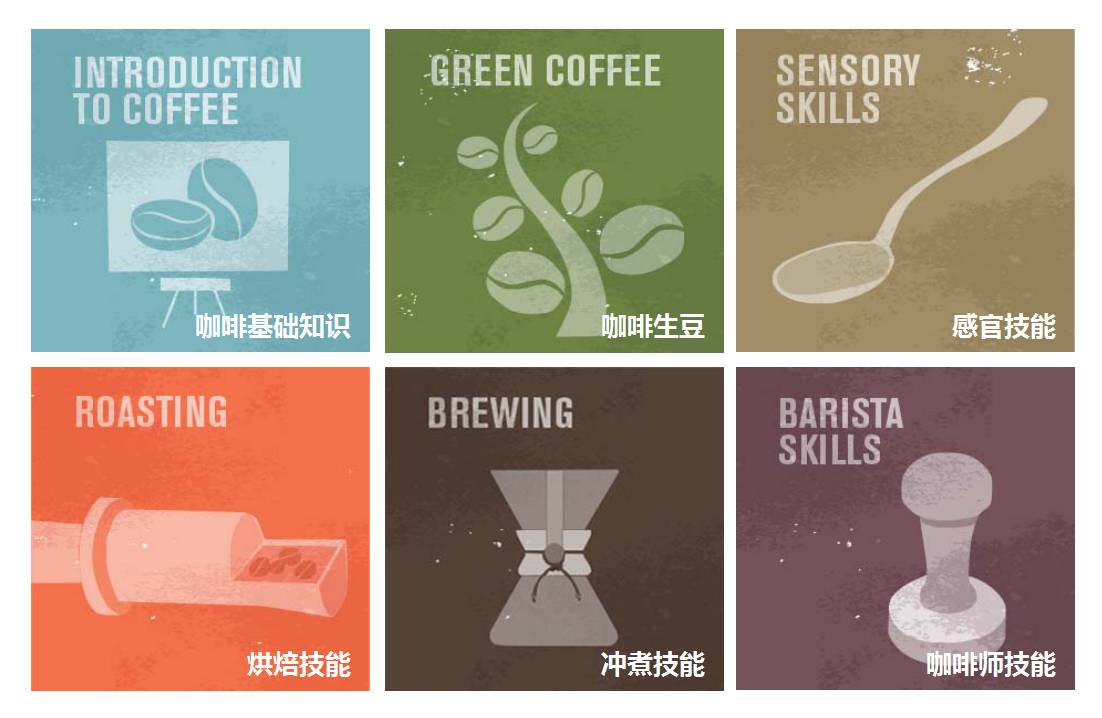
When you complete SCA's credits and receive that final certificate, congratulations - you have finally gotten started with coffee. That is right: finishing the entire SCA curriculum means only that you have a certain understanding of the basic framework of coffee knowledge.
Many people also ask whether coffee training courses are worth attending. They certainly are, since having a teacher to resolve your doubts is more efficient than reflecting on your own, provided you find reliable teachers. As for the considerable tuition, that depends on each person's finances and should be judged according to your means. In short: useful, but not cheap.
The Self-Learning Path
The second route is self-learning, which takes many forms: reading books and practicing with equipment on your own, working at coffee shops, or visiting various shops as an enthusiast and learning from them. Generally speaking, self-learning takes more time, the expenses are not necessarily lower, and it depends heavily on individual ability.
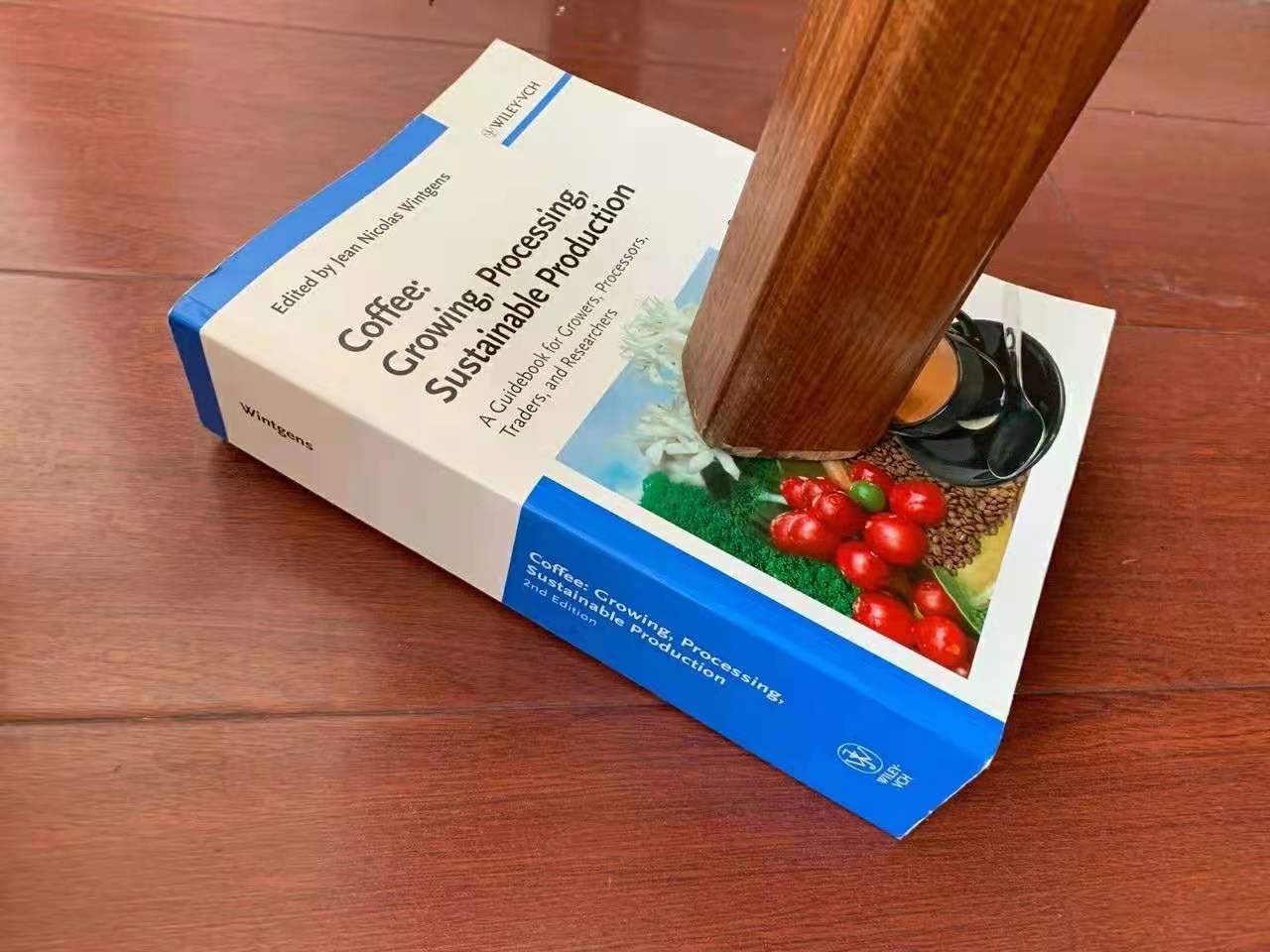
Of these, reading books and practicing on your own has one clear weakness: timeliness. In a fast-moving coffee market, past knowledge does not always apply to today. The internet now lets people know everything about the world without leaving home, but online information can be true or false - how many people can tell the difference reliably? Self-learning also tends to lead you down detours, and you may follow a wrong path all the way to a dead end before you have to start over.
Working at coffee shops to gain experience sounds very appealing: you enjoy the coffee atmosphere while learning about coffee. In shops that focus on quality and operations, you can learn a great deal about brewing and shop management, but beyond that it is hard to learn other aspects of coffee knowledge. That applies under relatively good conditions; some shops will only teach you perfect etiquette.
On visiting coffee shops to learn, FrontStreet Coffee believes the vast majority are very hospitable and happy to share coffee knowledge. Those who already have a systematic framework will benefit greatly, but beginners without one cannot tell right from wrong, and can easily run into conflicting information that leaves them overthinking.
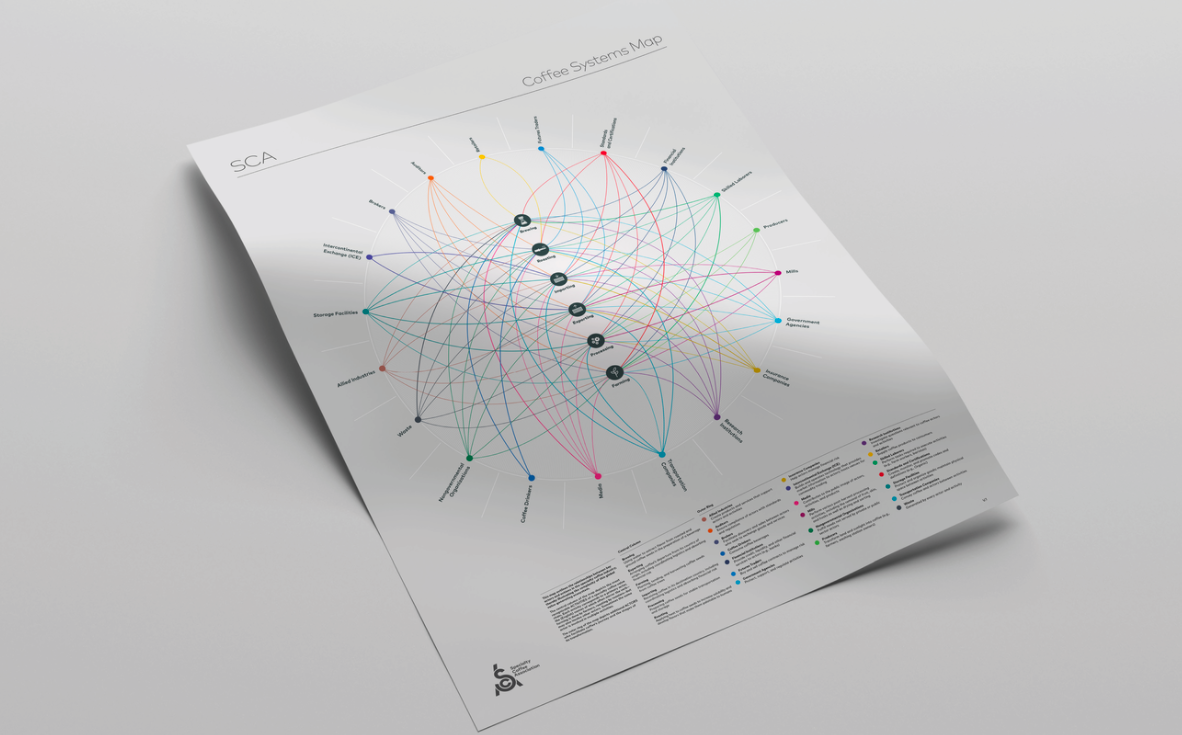
SCA Coffee System Framework Diagram, from the SCA official website.
Building Your Coffee Knowledge Framework
After all these ways of getting started, have you noticed that the real goal is to build a solid coffee knowledge framework? Only a bigger and stronger framework can hold more knowledge without collapsing. Whether you seek guidance from a teacher, study diligently on your own, or accumulate experience through work, you are always building your own framework for understanding coffee. As your understanding grows, you will also discover just how small you still are.
FrontStreet Coffee Recommendation
The fastest way to understand a framework is to taste your way through it, and beginner-friendly single origins make that affordable. FrontStreet Brazil Cerrado Red Bourbon is a good place to start: an entry-level single origin from the famous Cerrado growing region, it is defined by a simple promise - good drinking at a fair price. In the cup it shows the typical cream, peanut and cocoa notes of Brazilian coffee.
To learn what washed African coffee tastes like, try FrontStreet Yirgacheffe Gerdin Cooperative. This lot from Gerdin village is a classic washed Yirgacheffe representative, carrying jasmine florals, lemon acidity and berry notes, and it teaches the clean, bright profile that defines the region.
And if you want to understand why Geisha commands so much attention without spending a fortune, FrontStreet Panama Boquete Washed Geisha comes from Panama's most representative specialty region, with a pure varietal lineage and a washed process. It lets you taste the orange-blossom honey character of Geisha clearly, and its strong value makes it easy to explore the same bean through several different brewing methods.
Important Notice :
FrontStreet Coffee is a long-established specialty coffee roaster in Guangzhou China, selling freshly roasted beans from its own farm in Yunnan as well as dozens of carefully selected single-origin beans from around the world for both pour-over and espresso. The products deliver consistently excellent quality and great value, with shipping within 24 hours. Guangzhou's FrontStreet Coffee shop is recommended by many coffee lovers, and the beans are now available online at the Tmall 。
FrontStreet Coffee has moved to a new address:
FrontStreet Coffee Address: 315,Donghua East Road,GuangZhou
Tel:020 38364473
 Scan and follow the En Gafei WeChat official account. Please indicate that the reprint comes from "En Gafei".