How to Determine Pour-Over Coffee Grind Size? The Relationship Between Grind Size and Roast Level.
The Impact of Grind Size on Coffee
Grinding is crucial to coffee, because good coffee depends on the right grind size. The size of the coffee particles directly affects how efficiently water extracts from them. In theory, the more uniform the particles, the more consistent the overall extraction and the better the flavor. Concentration and extraction yield fall as the grind gets coarser and rise as it gets finer.
Grind size describes the size and shape of the coffee after grinding, and it also determines the surface area. The finer the coffee is ground, the larger the surface area, which increases the contact between water and coffee and allows more compounds to be extracted. That greater surface area also gives carbon dioxide more room to escape from within the beans.
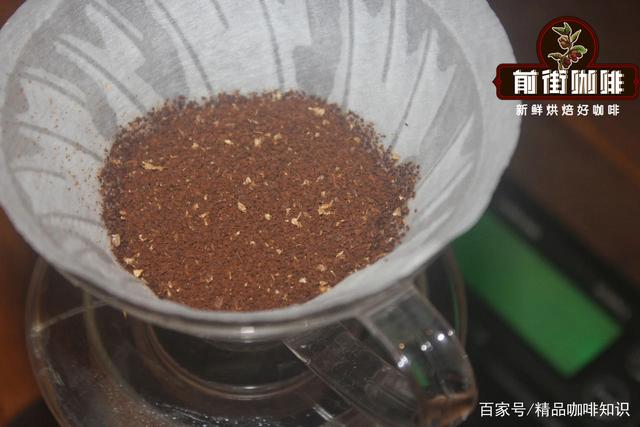
Coffee flavors extract in the following order: acidity, sweetness, bitterness, and astringency. That means by controlling the degree of extraction you control how much of each compound comes through, in other words, you determine how the coffee tastes. This is the fundamental goal behind building any brewing recipe, whether for espresso or pour-over, and grind size is one of the key factors.
Standard Coffee Roast Levels
Standard coffee roast levels are divided into light roast, light-medium roast (cinnamon), medium roast, medium-dark roast (high), dark roast (City), and very dark roast (Full City).
In general, the three most commonly used roast levels are light roast, medium roast, and dark roast.
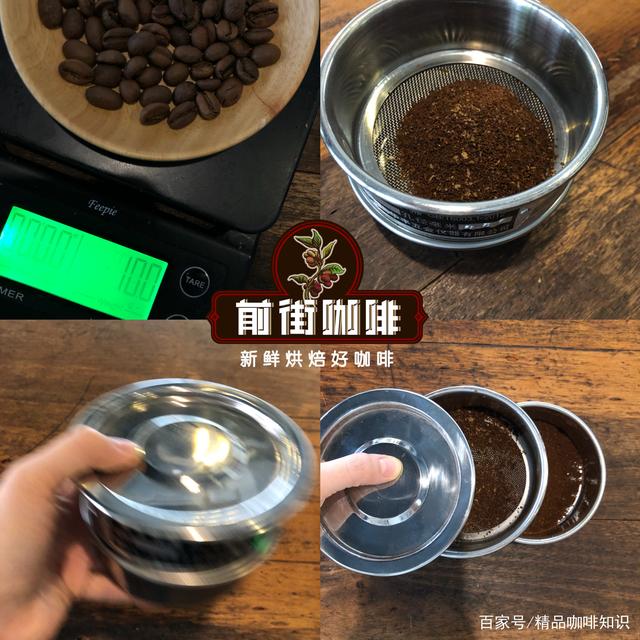
For grind size, FrontStreet Coffee sets its targets by sieving according to roast degree. Drawing on the Specialty Coffee Association (SCA) guidelines for pour-over coffee, FrontStreet Coffee combines those recommendations with practical operating verification.
Grind Size Recommendations by Roast Level
Light Roast
Light roast coffee beans typically show acidity, while caramelized compounds are not easily extracted. For light roast beans, FrontStreet Coffee recommends a fine grind with an 80% pass-through rate on a #20 sieve (0.85mm).
Medium Roast
For medium roast beans, FrontStreet Coffee recommends a fine grind with a 75% pass-through rate on a #20 sieve (0.85mm). A finer grind slows the water as it flows through the coffee bed, better extracting acidic compounds, sweet compounds, and caramelized compounds, which balances the coffee's flavor.
For ground coffee, a brewing water temperature of 90-91°C is recommended. Water that is too hot over-extracts the caramelized compounds and produces bitterness, while water that is too cool under-extracts, pulling only some of the acidic and sweet compounds and leaving the coffee flat and uninteresting.
Medium-Dark Roast
Medium-dark roast beans generally have lower acidity and more noticeable body, which means caramelized compounds are richer. FrontStreet Coffee recommends a coarser grind (a 70% pass-through rate on a #20 sieve of 0.85mm, roughly raw-sugar size). A coarser grind speeds the water through the coffee bed and keeps the caramelized compounds from over-extracting, letting the coffee show sweet richness in flavor and texture without unpleasant bitterness.
For medium-coarse ground coffee, a brewing water temperature of 88-89°C is recommended. Water that is too hot makes the coffee bitter and hard to swallow, while water that is too cool leaves it flat and uninteresting.
FrontStreet Coffee Recommendation
Once you have your grind dialed in, the right bean makes the technique pay off. For light roasts that reward a fine grind, FrontStreet Yirgacheffe Gudina is a bright, floral Ethiopian that shows citrus and jasmine at a fine setting, while FrontStreet Huakui brings strawberry and tropical fruit when ground fine and brewed as pour-over. On the medium-dark end that asks for a coarser grind, FrontStreet PWN Golden Mandheling, wet-hulled and dark roasted, rewards a coarse setting with a heavy, herbal, dark-chocolate cup. Matching grind to roast like this is exactly why FrontStreet Coffee calibrates every recommendation against the SCA pour-over standard.
Important Notice :
FrontStreet Coffee is a long-established specialty coffee roaster in Guangzhou China, selling freshly roasted beans from its own farm in Yunnan as well as dozens of carefully selected single-origin beans from around the world for both pour-over and espresso. The products deliver consistently excellent quality and great value, with shipping within 24 hours. Guangzhou's FrontStreet Coffee shop is recommended by many coffee lovers, and the beans are now available online at the Tmall 。
FrontStreet Coffee has moved to a new address:
FrontStreet Coffee Address: 315,Donghua East Road,GuangZhou
Tel:020 38364473
 Scan and follow the En Gafei WeChat official account. Please indicate that the reprint comes from "En Gafei".