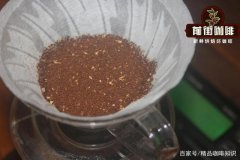
How to Drink Gesha? Deborah Gesha Flavor Profile and Special Processing Method
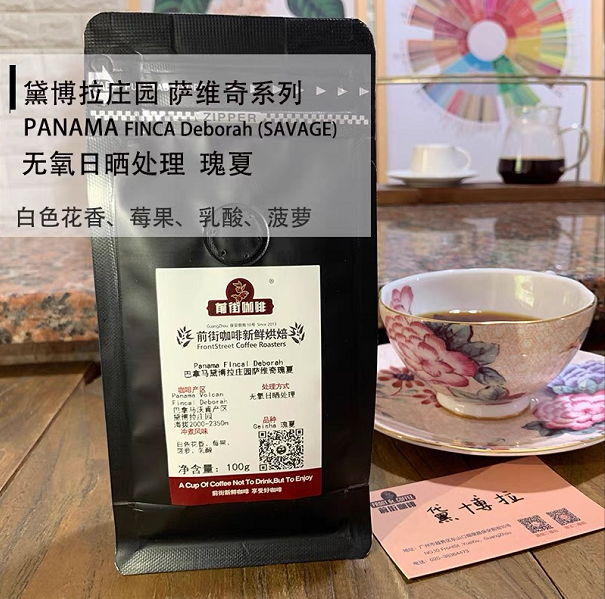
FrontStreet Coffee Panama Deborah Anaerobic Natural Gesha
Origin: Panama
Region: Volcan
Estate: Deborah
Altitude: 2000-2350 meters
Variety: Savage Series (a Gesha series named after the estate owner)
Processing Method: Anaerobic Natural
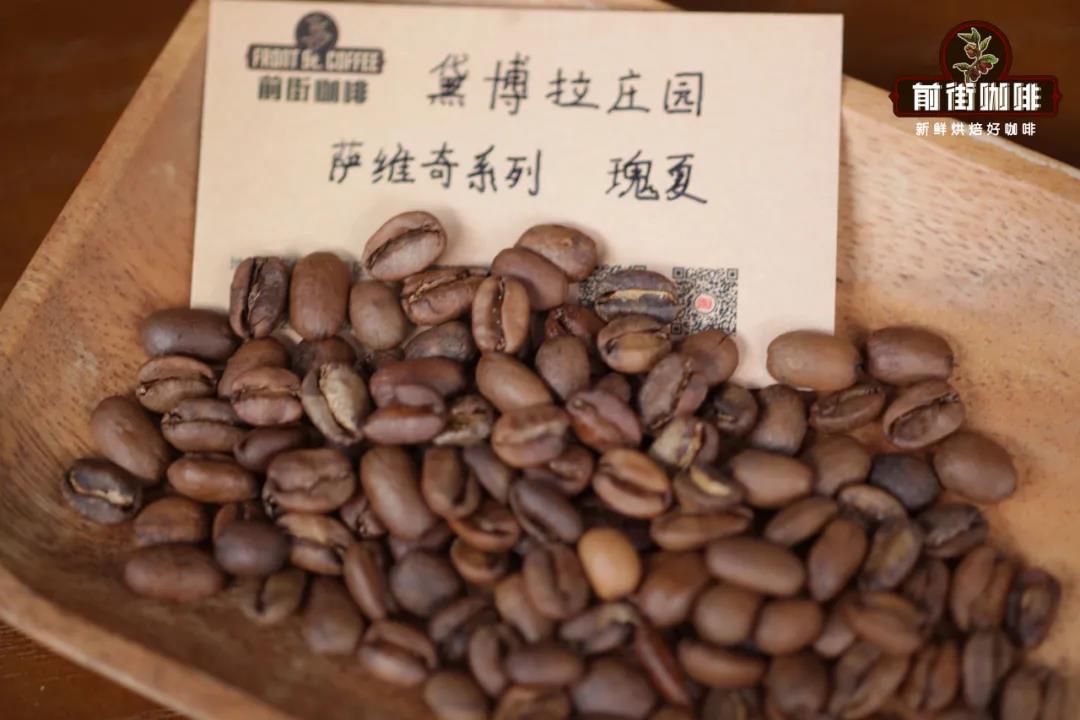
Roast Level: Medium Roast
The flavor profile presents white floral notes, pineapple, and lactic sweetness and sourness, with a full mouthfeel and an overall sweet-sour balance.
FrontStreet Coffee recommends following SCA guidelines for pour-over: 15g of coffee with 90-93°C hot water for 225ml, maintaining a 1:15 coffee-to-water ratio.
Coffee Processing Method
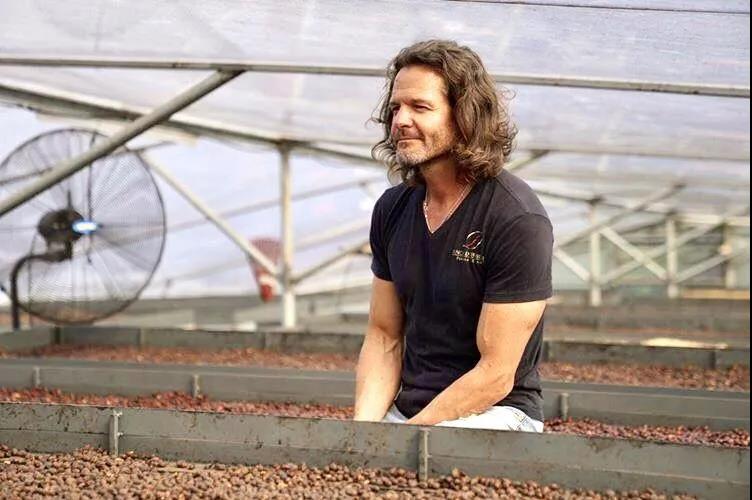
This FrontStreet Coffee Panama Deborah Gesha undergoes a special anaerobic fermentation natural process. FrontStreet sourced these Gesha beans from plots at 2000-2350 meters, ensuring excellent green bean quality. First, freshly harvested cherries are sun-dried in greenhouses until they turn raisin-like, then placed in sealed containers where oxygen is extracted for 36 hours of dry fermentation, followed by depulping that retains 100% of the pulp for further fermentation. Coffee processed this way develops extremely sweet, aromatic flavors, highlighting fresh fruit and florals.
Savage Series Gesha Coffee
Mr. Jamison Savage, owner of Deborah Estate, runs two other projects besides the estate: his new Morgan Estate, and the Savage Coffee Project. Named after Savage himself, the project reflects his personal commitment. The Gesha beans FrontStreet Coffee sourced this time come from the Panama Deborah Estate Savage Coffee. Savage positions himself among the world's most accomplished coffee producers, so he doesn't limit himself to beans grown on his own land: the Savage Coffee Project acquires high-quality cherries from around Deborah Estate and processes them with the estate's own technology.
Premium Gesha Estate - Deborah
Deborah Estate sits in the high mountains of the Chiriqui volcano, making it one of Panama's highest and most remote coffee farms. At these altitudes, nighttime temperatures can drop to 10°C. The extreme elevation and cooler temperatures slow the trees' metabolism, letting them push more sugars into the cherries as they develop. Deborah also enjoys ideal rainfall, averaging 2200mm annually. For most of the year the estate is wrapped in the clouds of the tropical rainforest, where rare flora and fauna thrive undisturbed beneath the canopy. No gas-powered machines, harsh chemical pesticides, or herbicides are used during cultivation. The natural environment is actively maintained with organic fertilizers combined with organic weed control to keep ecological balance between coffee trees and unwanted shrubbery. Deborah's altitude keeps disease naturally at a minimum — the temperature alone creates a hostile environment for fungal problems and other ailments — so the trees can pour their energy into beautiful fruit instead of fighting disease. Insect pressure, too, is minimized by the elevation. These benefits extend to management, translating into lower costs and steadier production. With geography like this, Deborah Estate's coffee quality is exceptional, with rich flavor profiles to match.
FrontStreet Coffee Recommendation
Fallen for Deborah's anaerobic natural Gesha? Then it's time to map the wider Gesha world. Gesha (from "Geisha") is Arabica's most coveted variety: unique florals and superb sweet-tart acidity have won over countless coffee lovers, while low yields, weak disease resistance, and demanding cultivation keep prices climbing. Knowing the types and their value for money is how you drink great Gesha without overspending.
In Panama, Gesha's fame rests on Esmeralda Estate. The Red Label "Esmeralda Special" grows at 1,600-1,800 meters — each batch from a single plot (FrontStreet's comes from the Jaramillo plot) and cupping above 90 points — while the Green Label "Private Collection" blends several high-altitude plots into the estate's signature profile at a friendlier price. Both show Panama Gesha's hallmark orange-blossom honeyed character, juicy fruit acidity, and tea-like sweetness. For an affordable first taste, FrontStreet's entry-level Boquete Gesha delivers that classic character — oolong texture, delicate fruit, distinct layers — without the flagship price tag.
Ethiopia, Gesha's birthplace, offers its own treasures. Geisha Village Estate, founded by a couple 12 miles from the original Gesha forest on 475 hectares, replanted the variety closest to Panama Gesha — effectively the native Gesha. Its Gold Label (Gesha 1931, 10% of output, refined natural) cups with complex richness that competition baristas love, and its Red Label (Gori Gesha, 15% of output, single-terroir with full traceability) scores 88+ on the SCA 100-point scale. FrontStreet's Genlana Estate Gesha is the approachable pick: from a processing station established in 2014 near the Kochere and Genlana Abaya border, where 700 hectares of largely uncultivated, fertile, shaded land lets this native Gesha show layered depth — hand-picked fully ripe cherries, 14-20 days sun-dried on raised beds, medium-light roasted for bright citrus, elegant ginger flower, ripe-fruit sweetness, and a silky Gesha finish. To brew: 91°C water, fine-sugar grind (78% through a No. 20 sieve), 15g in a V60 at 1:16, three-stage pour to 225g in 2:10-2:20. And for everyday Gesha vibes, the Strawberry Sugar blend — Costa Rican honey process plus Panama Gesha — brings raisin, orange, ripe blueberry, rose, and a whisper of almond in a pour over, moka pot, home espresso machine, Clever dripper, or cold brew.
Important Notice :
FrontStreet Coffee is a long-established specialty coffee roaster in Guangzhou China, selling freshly roasted beans from its own farm in Yunnan as well as dozens of carefully selected single-origin beans from around the world for both pour-over and espresso. The products deliver consistently excellent quality and great value, with shipping within 24 hours. Guangzhou's FrontStreet Coffee shop is recommended by many coffee lovers, and the beans are now available online at the Tmall 。
FrontStreet Coffee has moved to a new address:
FrontStreet Coffee Address: 315,Donghua East Road,GuangZhou
Tel:020 38364473
 Scan and follow the En Gafei WeChat official account. Please indicate that the reprint comes from "En Gafei".