What's the Difference Between Cold Drip and Cold Brew Coffee? How to Use Coffee Beans for Better Cold Drip Flavor

Many friends who visit FrontStreet Coffee's store to drink cold drip coffee tell us ours is excellent — full-bodied, aromatic and rich in flavor. Today FrontStreet Coffee is sharing the techniques for making delicious cold drip coffee.
Basic Operations of Cold Drip Coffee Making
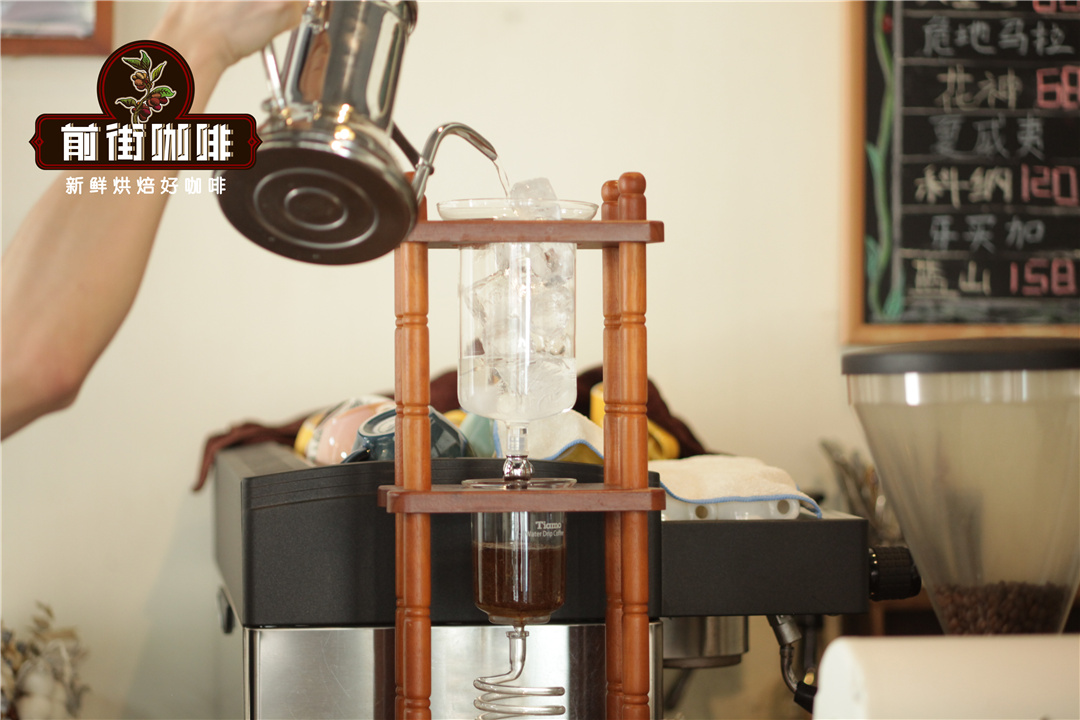
Cold drip equipment has three parts: the upper chamber holds ice water, the middle chamber holds coffee grounds, and the bottom chamber collects the extracted coffee liquid.
Making cold drip coffee is quite simple: put ice water in the upper chamber, add coffee grounds to the middle chamber, then control the ice water so it drips drop by drop through the grounds, completing extraction in about 6 hours. There are, however, many details that affect the quality of the flavor. FrontStreet Coffee will explain them step by step below.
Factor 1: Coffee Beans
Coffee beans are the most important factor, since different beans produce distinctly different flavors in cold drip. Selecting suitable beans is therefore crucial to an excellent cold drip.
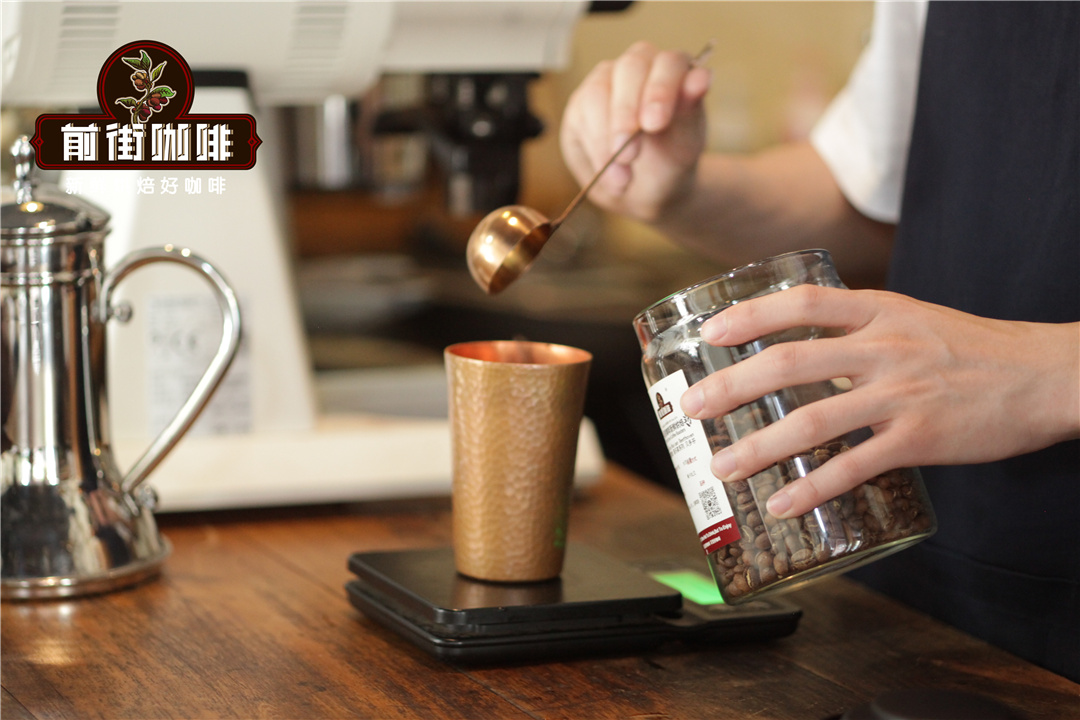
Generally, light roast beans are preferred for cold drip, because the sweet-and-sour fruit notes become more refreshing at cold temperatures. Beans with distinctive, special flavors are also excellent for cold drip. Examples include Honduras Sherry coffee beans, Costa Rica's Giant Boulder Blueberry, the Musician Series, Colombia's Rose Valley and Flower Moon Night.

Factor 2: Grind Size
There are two important considerations for grind size. If the grind is too coarse, resistance in the bed is low and water passes through too quickly into the bottom chamber; with cold water's low extraction efficiency, this yields weak, flavorless coffee. If the grind is too fine, resistance rises, water accumulates and clogs, and over-extraction brings bitterness.
FrontStreet Coffee therefore recommends a grind where 80-85% passes a #20 standard sieve. For a richer flavor choose 85% pass-through; for a cleaner taste choose 80%.

Factor 3: Drip Speed
This is somewhat like the pour rate in pour-over. Some prefer 1 drop per second, others 1 drop every 2 seconds. It directly affects total extraction time — slower dripping needs more time, faster dripping needs less. FrontStreet Coffee typically uses a rate of 7 drops per 10 seconds as a reference.
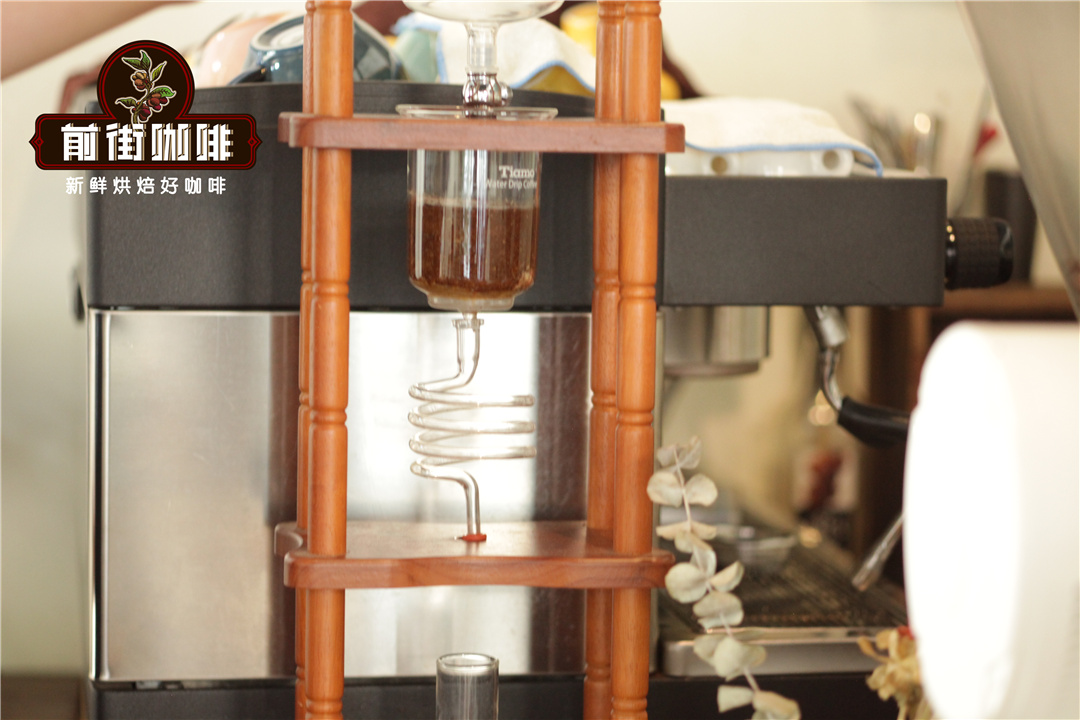
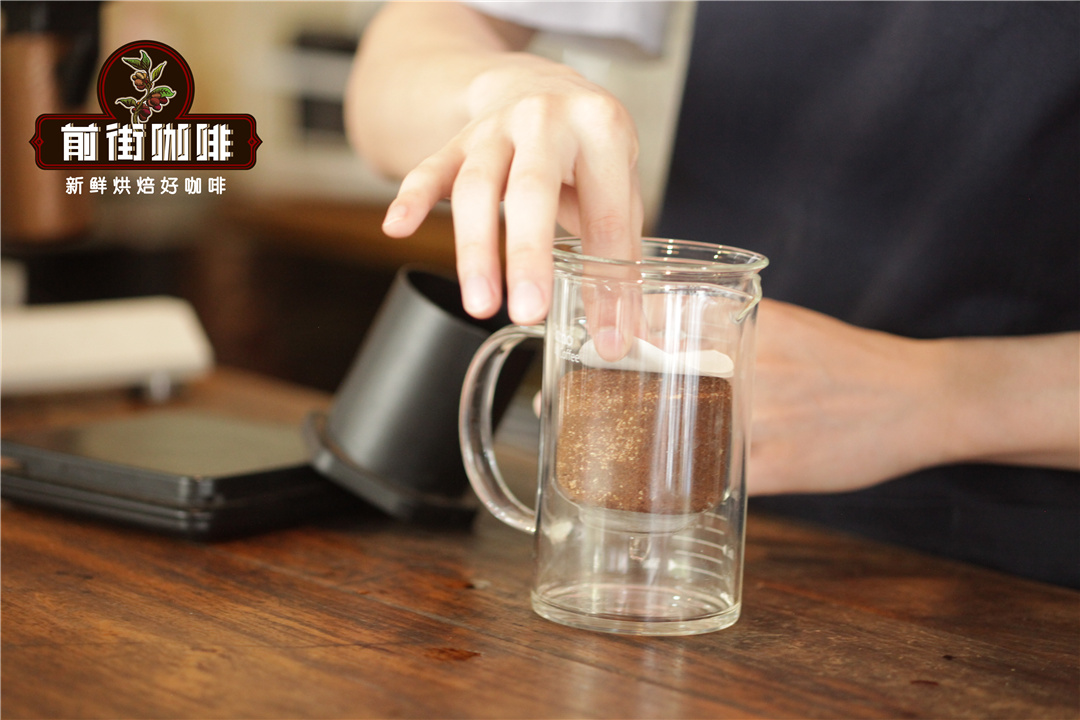
Pro tip: Before adjusting the cold drip speed you can pre-wet the grounds in the filter basket. This helps create a uniform density in the bed and prevents uneven extraction.
Factor 4: Cold Drip Ratio
The ratio matters a great deal. The key is balancing concentration against extraction rate. FrontStreet Coffee uses 60 g of grounds to extract 600 ml of coffee liquid — a coffee-to-water ratio of 1:10. Based on FrontStreet Coffee's standard 200 ml serving, one batch yields 3 cups.
A 1:10 ratio is considered quite concentrated; cold drip usually uses between 1:12 and 1:14.

Factor 5: Serving Method
Freshly made cold drip can be drunk immediately, but FrontStreet Coffee recommends refrigerating it for 12 hours before serving, which lets its flavors develop to the fullest.
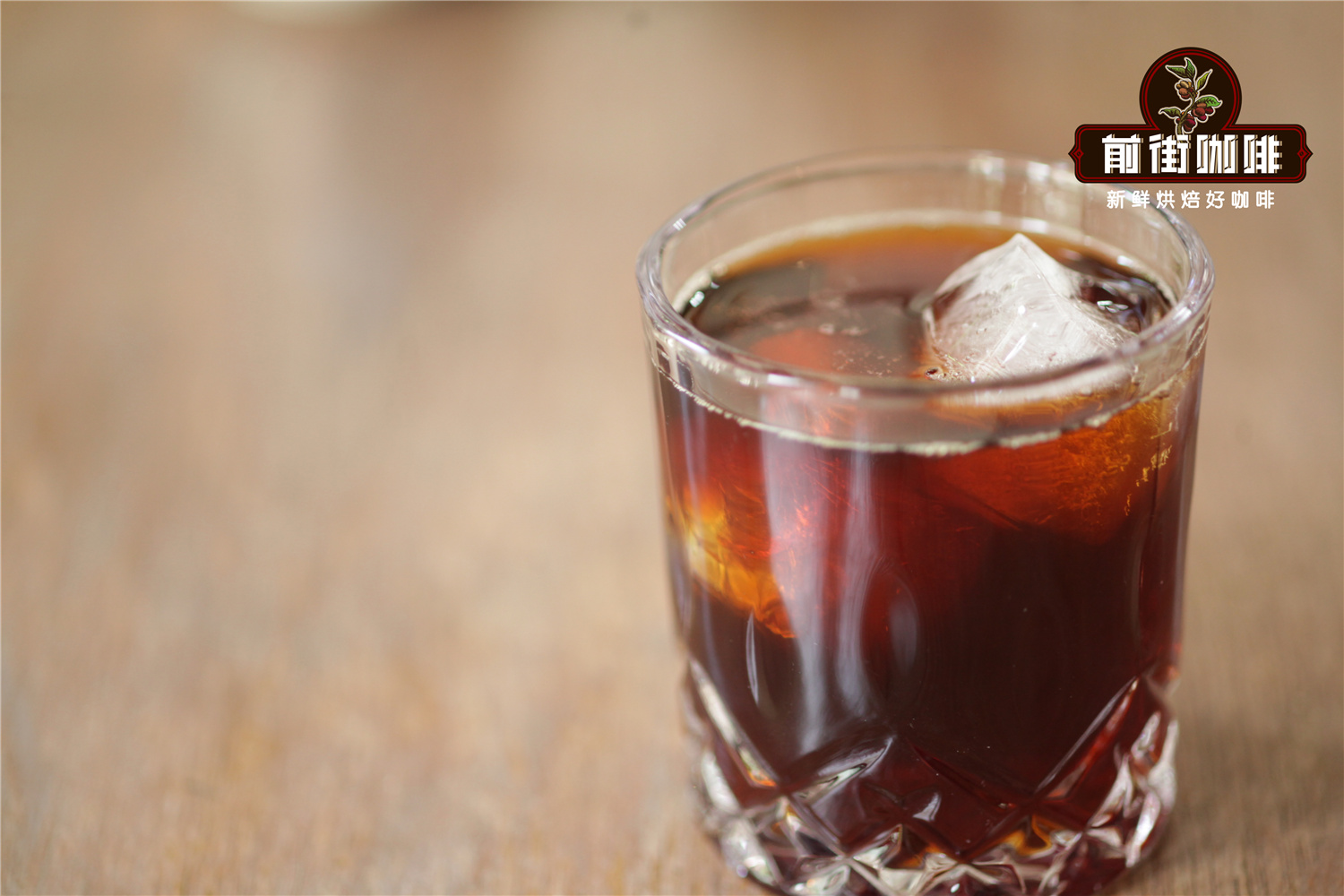
Because FrontStreet Coffee's 1:10 ratio produces a very concentrated cold drip, we add 40 g of ice per 200 ml when serving, both to dilute it and to keep it chilled.
Unlike regular hot brewing, cold brew mainly means mixing grounds with cold (room-temperature) water, letting it sit for several hours in a low-temperature environment, and finally filtering out the grounds to obtain cold coffee liquid. With just a bag of coffee, a clean sealed container, water and a refrigerator, you can achieve cold brew freedom at home.
In fact, compared with the strict parameters of other extraction methods, cold brew is highly forgiving. From bean choice to the sealed container, from coffee-to-water ratio to grind size and steeping time, the adjustable range is wide. In other words, as long as you avoid extreme parameter combinations, you can make delicious cold coffee.
FrontStreet Coffee Recommendation
Colombian coffee works across a broad range of uses — it can go into espresso blends or stand alone as a pour-over single origin, and it comes in fruity, full-bodied and aroma-forward styles, so there is something for almost everyone. FrontStreet Coffee's washed Colombia Huila comes from Huila province in the southern Central Cordillera, the country's most famous specialty region: surrounded by mountains, planted above 1,500 meters, and watered by the junction of Colombia's most important rivers, which brings abundant water and humidity. A medium-dark roast plays up its dark chocolate and nutty sweetness, moderate crema and full body, and it suits pour-over and French press as well as moka pot and espresso machine, making Americanos and lattes with ease.
Colombian coffee was long processed by the washed method, but in recent years innovative processing has become popular. Anaerobic fermentation is a newer taste experience and goes by several names — some call it carbonic maceration — but simply put, it is fermentation in a low-oxygen or oxygen-free environment, usually in a pressure-resistant stainless-steel tank where temperature, time, pH and other variables can be controlled. The best-known forms are anaerobic natural and anaerobic washed. FrontStreet Coffee's Sidra is processed anaerobically and naturally, and after oxygen-free fermentation the coffee develops more tropical fruit aroma; a medium-light roast brings complex, intense flavors of passion fruit, grape, apricot and dried fruit in pour-over, cold brew, drip bags and moka pot.
For anyone with a home espresso machine or a moka pot, FrontStreet Coffee's Premium Blend is a strong recommendation — an espresso blend designed for running a café. It combines the creamy nuttiness of Brazilian coffee with the dark chocolate bittersweetness of Colombian coffee, and extraction shows fine golden crema. It pairs beautifully with milk for a rich, smooth latte, is very forgiving for beginners, and works as the base for Americanos, cappuccinos, mochas and other standard espresso drinks.
Important Notice :
FrontStreet Coffee is a long-established specialty coffee roaster in Guangzhou China, selling freshly roasted beans from its own farm in Yunnan as well as dozens of carefully selected single-origin beans from around the world for both pour-over and espresso. The products deliver consistently excellent quality and great value, with shipping within 24 hours. Guangzhou's FrontStreet Coffee shop is recommended by many coffee lovers, and the beans are now available online at the Tmall 。
FrontStreet Coffee has moved to a new address:
FrontStreet Coffee Address: 315,Donghua East Road,GuangZhou
Tel:020 38364473
 Scan and follow the En Gafei WeChat official account. Please indicate that the reprint comes from "En Gafei".