Coffee Basics: Authentic Cappuccino Brewing Method - Cappuccino Golden Circle

As more people fall for coffee latte art, plenty of baristas show off their skills when serving drinks, whether it is a latte, a flat white, or a cappuccino. That leaves many people wondering: is there really any difference between a cappuccino and a latte?
The Origin of Cappuccino
Cappuccino is a phonetic rendering of the Italian word "Cappuccio," meaning hood. As a coffee, however, it is tied to a local religious order known as the Capuchin friars.
When the order came to Italy to preach, the friars wore dark brown robes and hoods folded into small pointed caps. The Italians of the time had a clever idea: they frothed milk into a dense, stable foam and poured it into espresso. The coffee in the cup formed a ring of brown much like those robes, and they then used a spoon to shape the surface foam into a pointed cap. Since the pronunciations of "Capuchin" and "Cappucci" were close, the Italians folded the "n" into "Cappuccio" without changing the rhythm of speech, and the milk coffee was finally named "Cappuccino."
Why Does Cappuccino Need a "Coffee Golden Ring"?
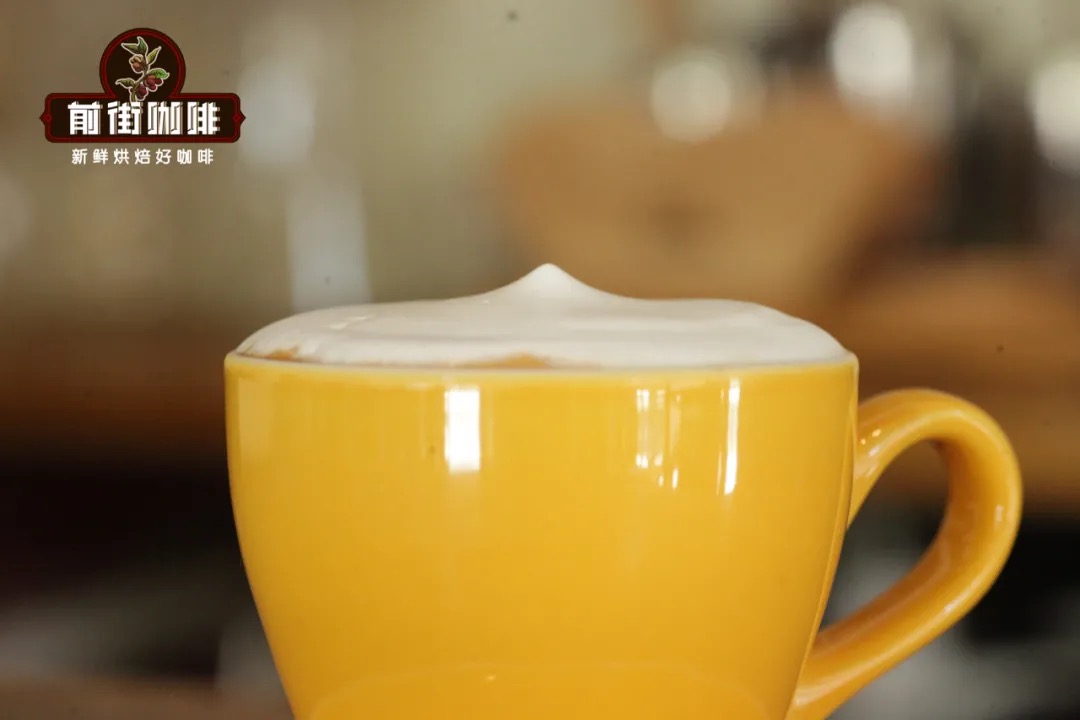
With the rise of cappuccino, many Italians gradually came to accept milk coffee. Because the little foam cap had to be shaped by hand, adding preparation time, people slowly stopped building the "small pointed cap." Tradition, though, could not be abandoned, so cappuccino still retained a ring of brown coffee while letting the dense foam rise above the rim of the cup, presenting a "hat" in memory of the missionaries.

Thus the tradition of the cappuccino's "coffee golden ring" was born. Everyone knows that when coffee mixes with milk, the brown coffee turns light brown. To preserve the golden ring, you must keep the milk from dispersing the coffee oils. So when frothing the milk, it needs to be denser and thicker, letting the foam form a protective layer between the milk and the coffee oils.
Why Isn't Latte Art Made on Cappuccino?
The foam thickness for latte art is 1cm. Foam at that thickness flows freely, allowing it to blend evenly with espresso and form patterns. Making a cappuccino, however, requires not dispersing the coffee oils so the golden ring survives, which means the espresso cannot blend evenly with the milk.

At the same time, to keep the foam from collapsing as it rises above the rim and to give it enough surface tension to stay stable at the cup's edge, the foam needs to be frothed to 1.5cm. Foam at that thickness has poor fluidity and cannot be used to create latte art patterns.
How Should a Proper Cappuccino Be Made?
Coffee Cup Selection
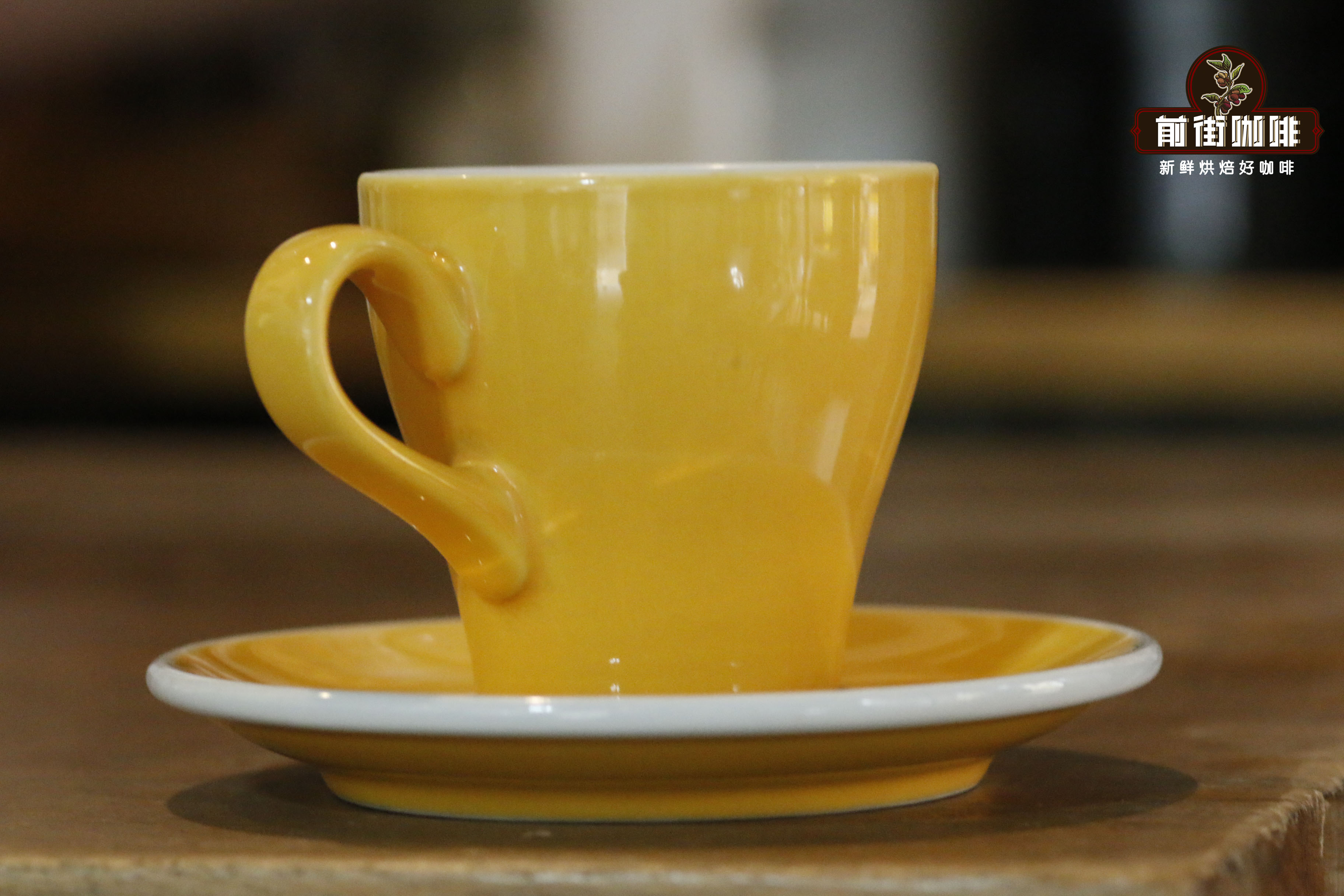
FrontStreet Coffee uses 180ml tulip coffee cups when making cappuccino. Compared with round-bottomed cups, a tall cup with a narrow bottom and a wide top better highlights the "hat" shape of a cappuccino.
Espresso Extraction
FrontStreet Coffee uses a blend of Sherry barrel-aged and sun-dried Yirgacheffe beans called "Sunflower Warm Sunshine" for its espresso beverages. To make a single portion of cappuccino, the recipe is 20g of coffee grounds extracted to 35g of coffee liquid, divided into two portions, with an extraction time of 27 seconds. You can also pull a single espresso directly; FrontStreet Coffee's parameters are 12g of grounds extracted to 30g of coffee liquid over 23 seconds.

Using Chilled Fresh Milk
Fresh milk better preserves the proteins and milk fat. Protein is key to forming foam, while milk fat further stabilizes it, slowing the collapse rate and adding a rich texture to the coffee.
Foam Frothing
Use a small milk pitcher and pour in 150ml of chilled fresh milk. Before the steam wand enters the pitcher, purge it to release condensed water from the steam holes. Place the wand 1cm below the milk surface and turn on the steam switch. When the steam hits the milk surface it makes a hissing sound. This step is called aeration, the first step in forming foam.
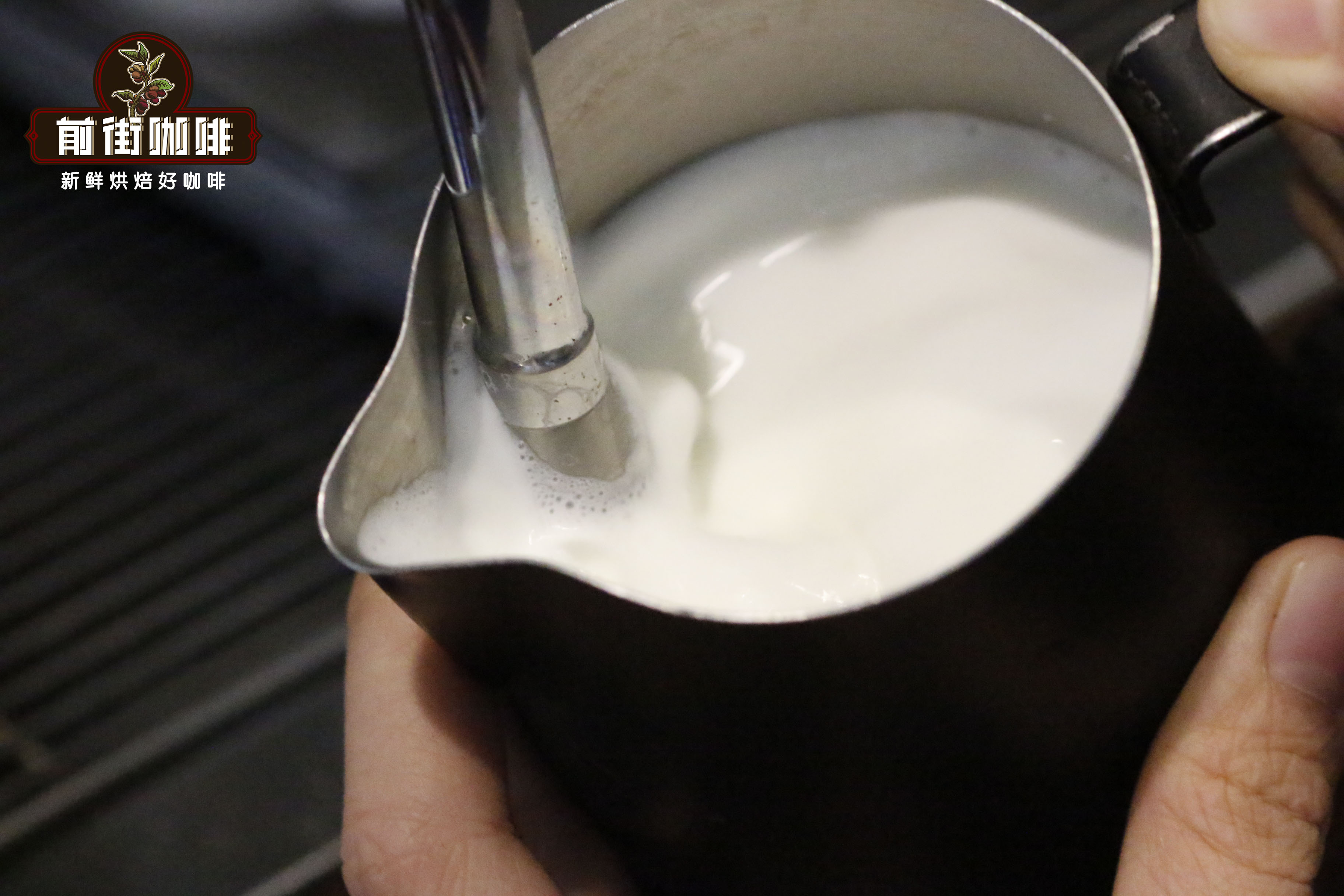
The longer the aeration, the thicker the foam. For cappuccino the foam needs to be 1.5cm, so when frothing, stop aeration after hearing 6-7 hissing sounds, then angle the pitcher to 45 degrees to create a vortex that sweeps away large bubbles; at this point the hissing stops. The milk is ready once it reaches about 55 degrees Celsius.
Shake the Pitcher Before Pouring to Prevent Foam and Milk Separation
Once frothing stops, foam and milk begin to separate. Find a pivot point on the table surface, then rotate your wrist to shake the pitcher clockwise at a consistent speed, keeping the milk and foam blended before you pour.
Pouring the Foam into Espresso
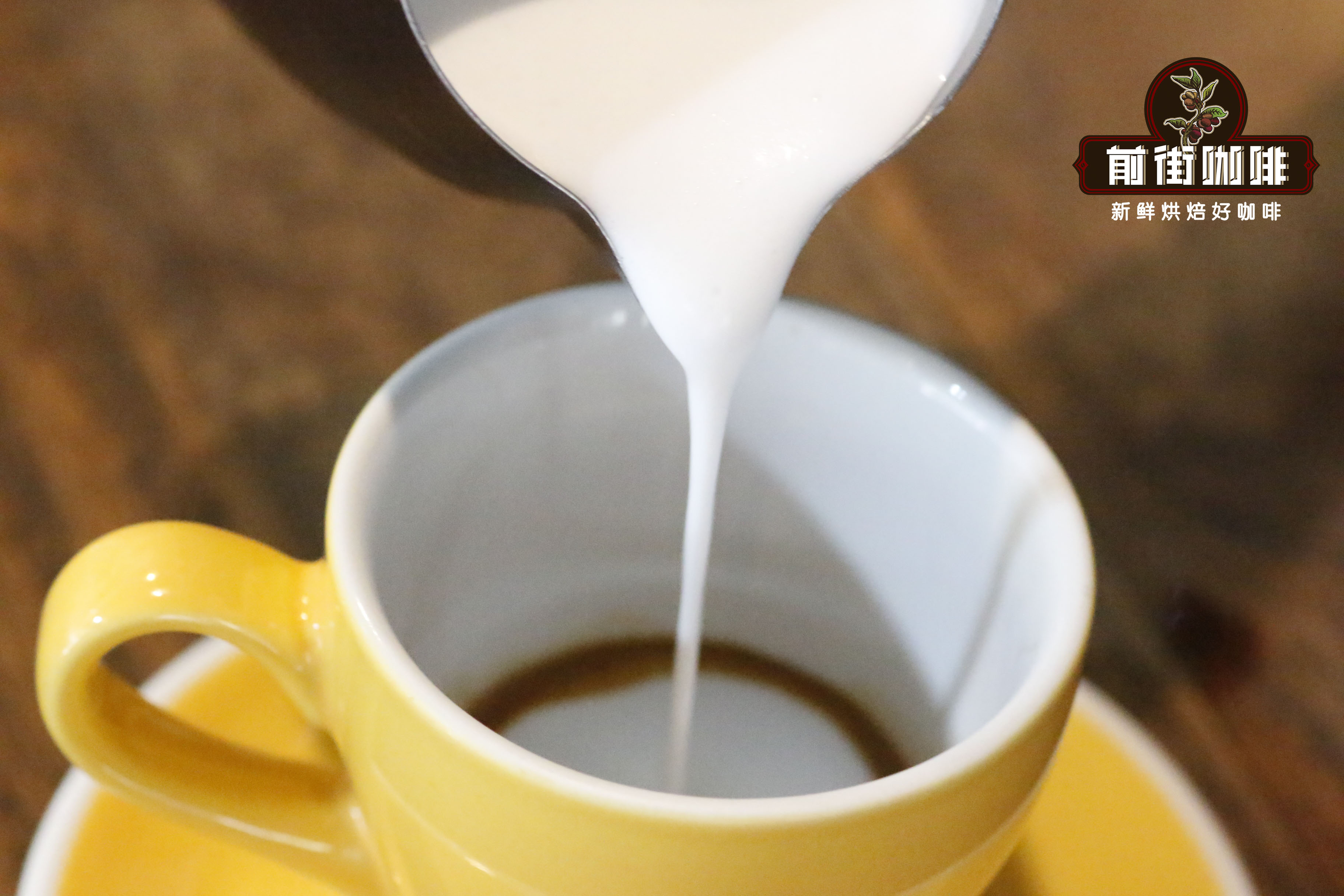
As FrontStreet Coffee noted above, when pouring milk we cannot disperse the espresso oils. If we pour milk directly, the oils will certainly disperse. We therefore need to pour the foam first, creating a protective layer between the milk and the oils before the milk goes in. But milk is heavier than foam, so what pours first will definitely be milk. How, then, can we ensure the foam goes first?
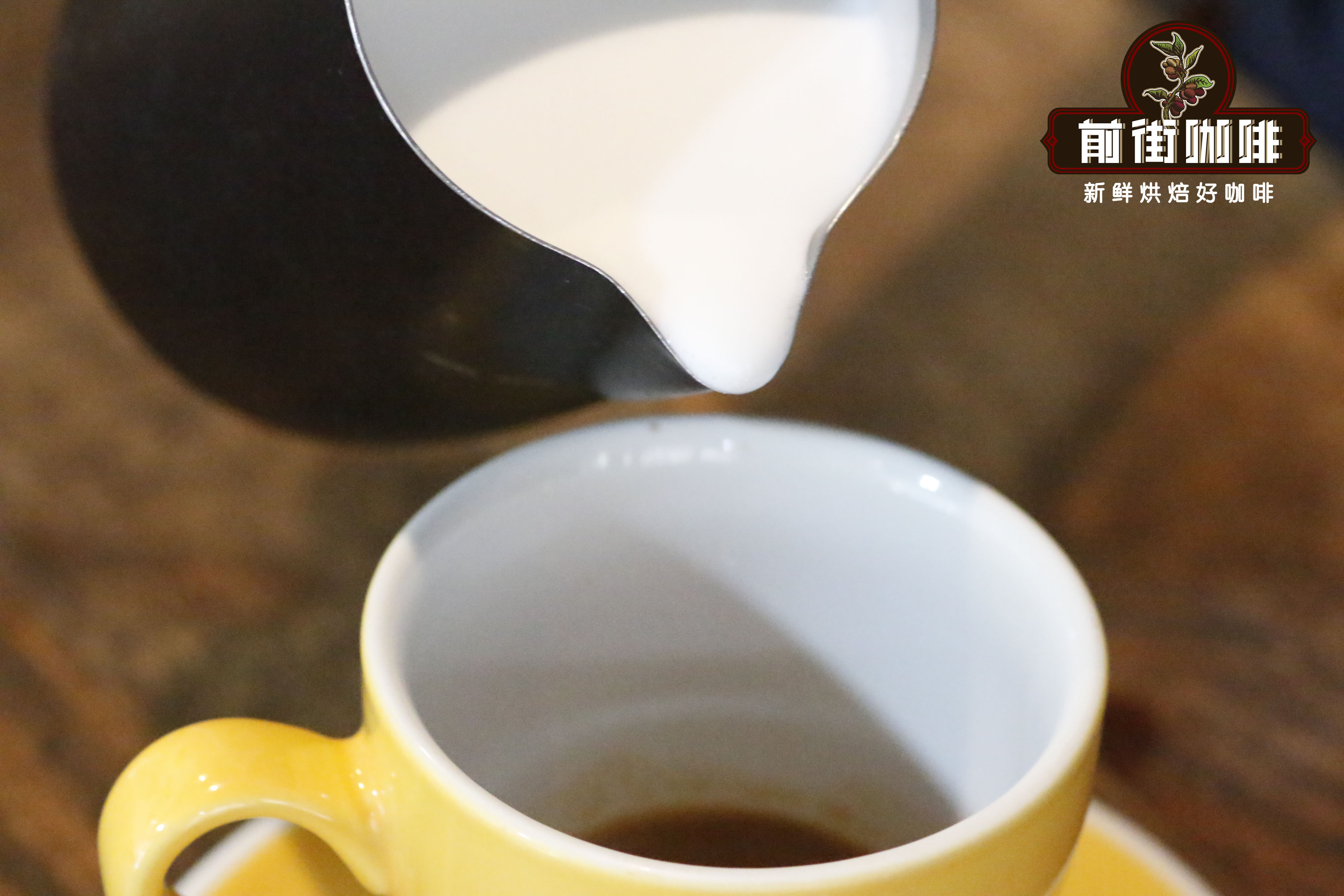
Key point: align the pitcher spout with the center of the espresso surface, then tilt the pitcher slightly to a near-pouring state but do not pour yet. Pause for a moment and let the foam gather at the spout before slowly pouring into the center. When pouring the foam, there is no need to swirl for blending or shake your wrist; just hold a stable posture and pour the foam straight into the center.
FrontStreet Coffee Recommendation
A cappuccino lives or dies by its crema and its foam, and both start with the bean. FrontStreet Coffee's Classic Blend is the pick for anyone learning latte art at home: a medium-dark espresso recipe built from three regions, inspired by the classic "Mamba" pairing of Mandheling and Brazil. A small amount of Robusta adds aroma and body, so extraction releases clear butter, toasted bread, and caramel-cookie notes. The flavor is intense and the body solid, with a fine crema that extracts very consistently, making it an essential home coffee for beginners.
If you prefer a rich, nutty profile, choose FrontStreet Coffee's Specialty Blend. This medium-dark espresso bean pairs washed Colombian coffee with semi-washed Brazilian coffee for nut, dark chocolate, and caramel notes. Whether you make an Americano, a latte, or a flat white, it brings out creamy, almond, and cocoa aromas, with a crema fully on par with a cafe's, more than enough for practicing latte art. It suits anyone who wants to open a shop or simply learn at home.
For those ready to open a cafe, FrontStreet Coffee's Commercial Blend is tailored to you: a traditional Italian-style recipe that adds a little Robusta on top of the Specialty Blend, building more fine dark-brown crema and a heavier body. Whether you make an Americano, a latte, or a mocha, it carries nut, cocoa, and caramel flavors and makes latte art effortless.
Important Notice :
FrontStreet Coffee is a long-established specialty coffee roaster in Guangzhou China, selling freshly roasted beans from its own farm in Yunnan as well as dozens of carefully selected single-origin beans from around the world for both pour-over and espresso. The products deliver consistently excellent quality and great value, with shipping within 24 hours. Guangzhou's FrontStreet Coffee shop is recommended by many coffee lovers, and the beans are now available online at the Tmall 。
FrontStreet Coffee has moved to a new address:
FrontStreet Coffee Address: 315,Donghua East Road,GuangZhou
Tel:020 38364473
 Scan and follow the En Gafei WeChat official account. Please indicate that the reprint comes from "En Gafei".