Beginner's Coffee Guide: Key Points for Pour-Over Coffee Novices & Recommended Filter Drippers for Beginners
Pour-over coffee was originally invented to make coffee preparation simpler. As times have changed and quality of life has improved, people have come to enjoy the process of making pour-over coffee more and more, and have developed more research and pursuit around it. Research keeps innovating and people keep pursuing excellence, which has given rise to many misconceptions that have trapped a great many enthusiasts.

Misconception 1: Coffee Brewing Techniques
On brewing techniques, many coffee beginners become obsessed with imitating the methods of competition baristas without understanding the principles of extraction. FrontStreet Coffee does not deny that technique affects coffee flavor, but its importance is not primary, because every brewing method rests on one principle: using appropriately hot water in suitable quantities to pass through properly sized coffee particles for the right amount of time, so as to extract a coffee with perfectly balanced flavors.
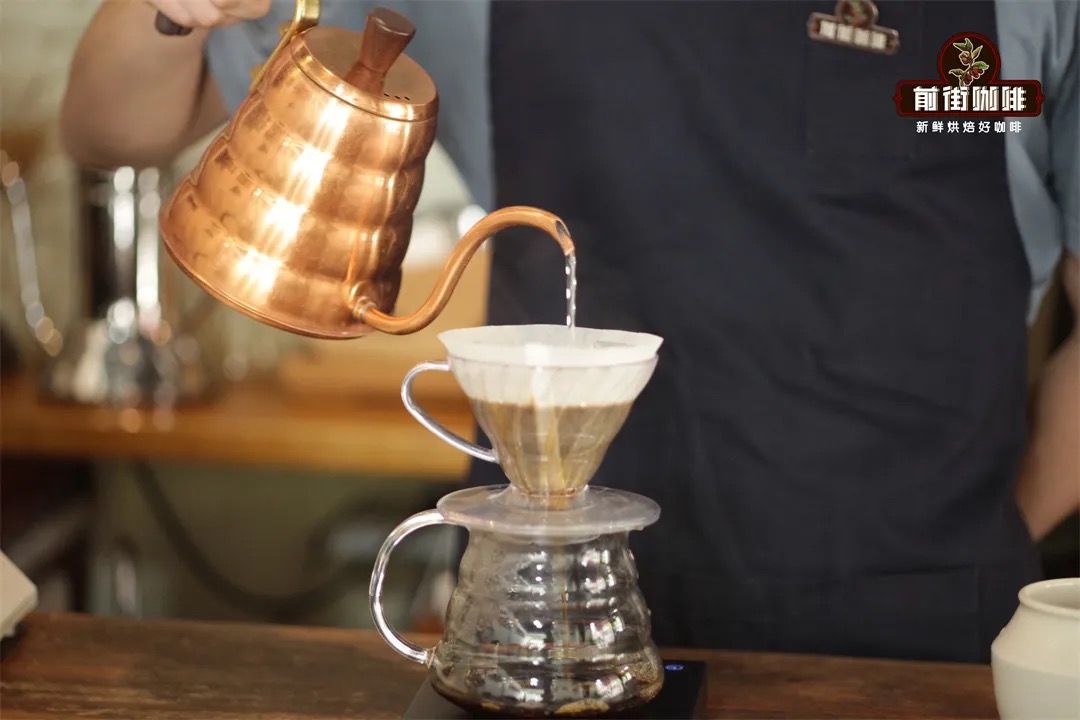
FrontStreet Coffee believes that as long as you use fresh coffee beans with the right grind size, water temperature, and coffee-to-water ratio, combined with a conventional brewing method (circular segmented pouring), and ensure that 100% of the water you pour passes through the coffee particles, you can get a good cup of pour-over coffee.
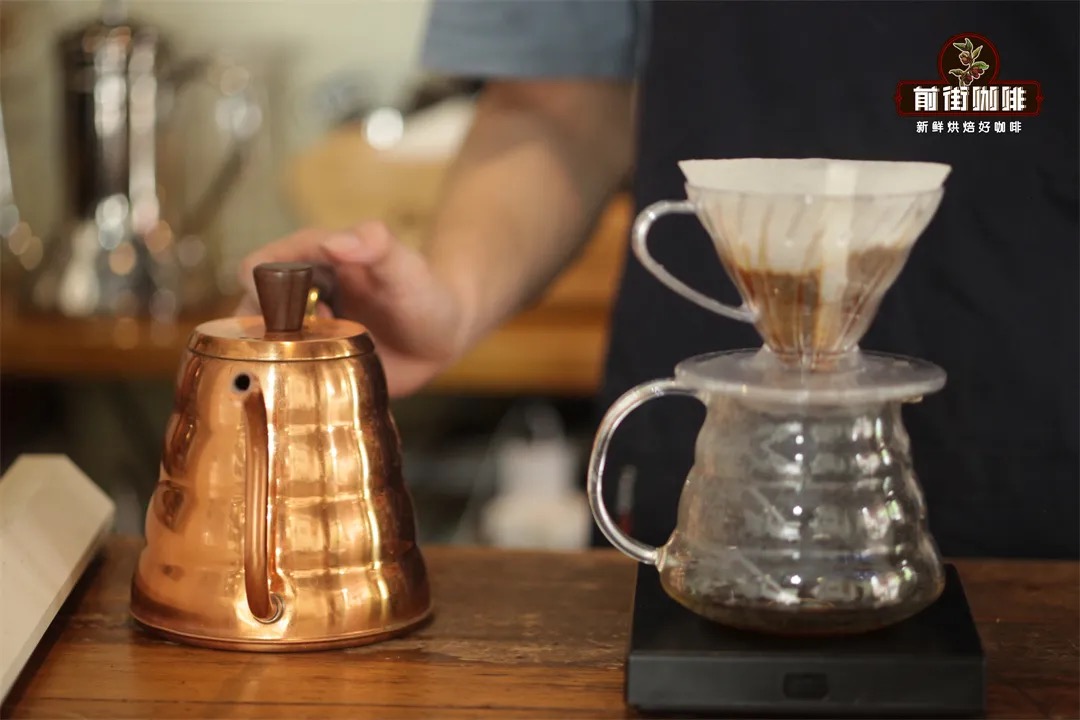
When some coffee "experts" explain their approach, it becomes easy to see that behind every different technique lies the goal of better expressing the flavor characteristics of the particular bean they are brewing, and these methods are often tailor-made for that one bean rather than necessarily applicable to others. We need to understand their intentions and then think about a brewing method suited to the beans in our own hands, which will help you grow quickly on your brewing journey instead of blindly following trends.
Misconception 2: Filter Cup Selection
As pour-over coffee has been embraced by more and more people, all kinds of filter cups have appeared on the market, some focused on even extraction as their core principle, others on rapid filtration to prevent clogging, and so on. The arrival of these drippers has brought more variation and possibility to pour-over coffee. Many beginners eagerly buy up various types of filter cups, only to find that they cannot brew good coffee with any of them, and then point the finger at the drippers. (The drippers, of course, are innocent.)
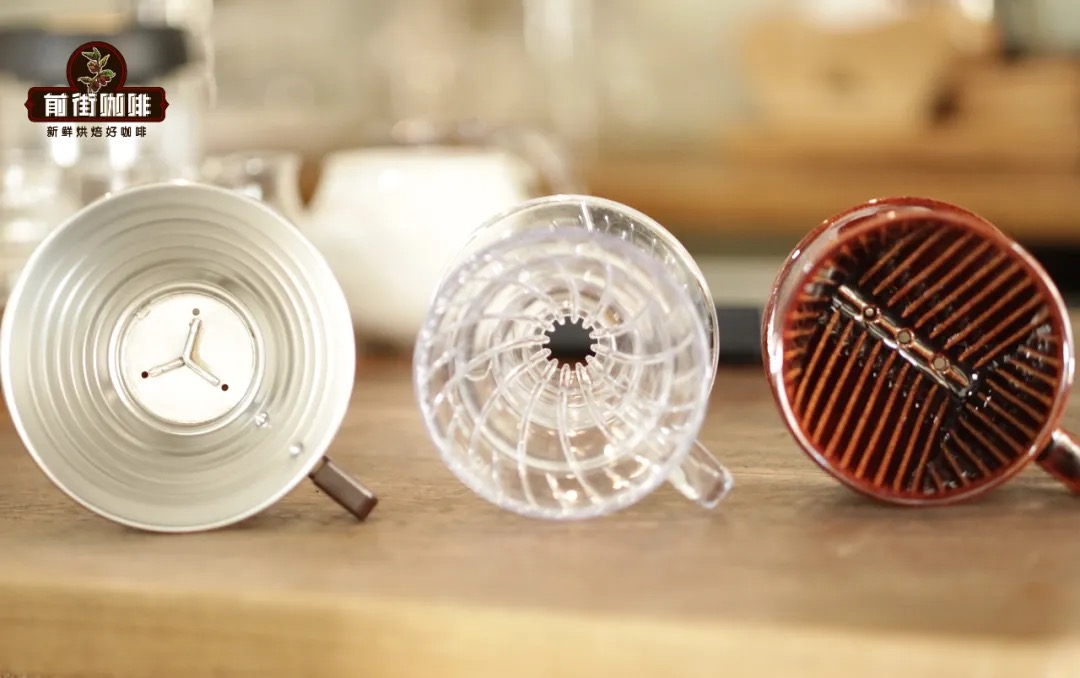
Whether a filter cup is classic or innovative, its design always involves trade-offs. As long as you fully understand its design and extraction principles, any device can achieve equally excellent brewing. The V60 filter cup, for example, uses a 60-degree cone to guide water flow toward the center, extending the contact time between water and coffee, while the large filter hole at the bottom lets the brewer control extraction time by changing the pour rate.
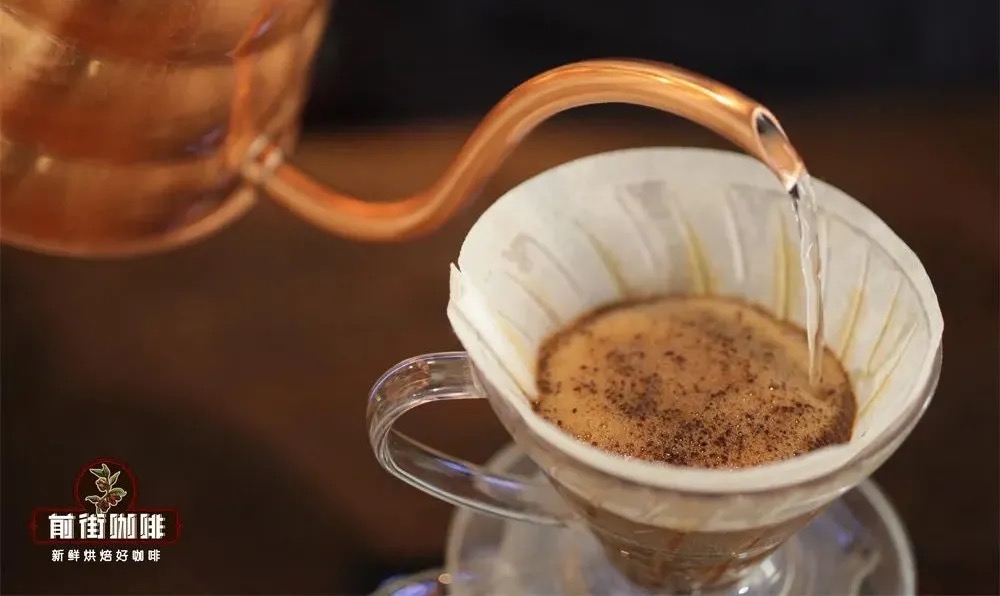
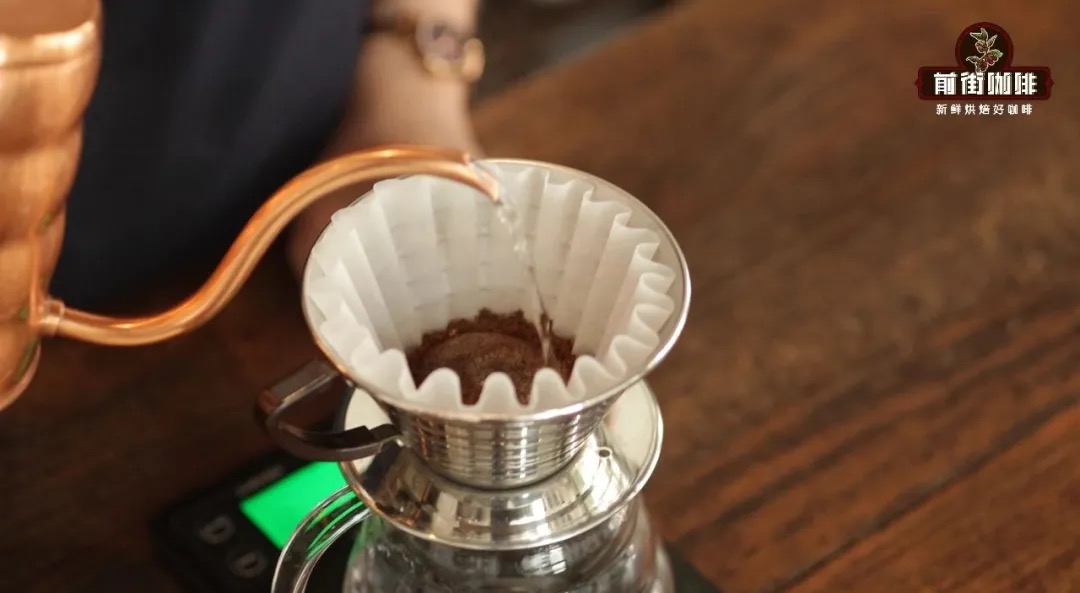
Another example is the cake filter cup, whose flat-bottom design creates an evenly distributed, flat coffee bed. With the same amount of grounds, the flat bed is thinner, allowing water to pass through the coffee more quickly, while the flat structure also enables more even extraction.
Misconception 3: Being Casual About Brewing Parameters
"I don't use a thermometer; the water temperature feels about right." "An electronic scale is too much trouble; as long as it's roughly right." With these "roughly right" approaches, there are perfectly good reasons why the brewed coffee doesn't taste good. When brewing pour-over coffee you typically need auxiliary tools such as an electronic scale and a thermometer. These seemingly "unimportant" tools give you real accuracy.
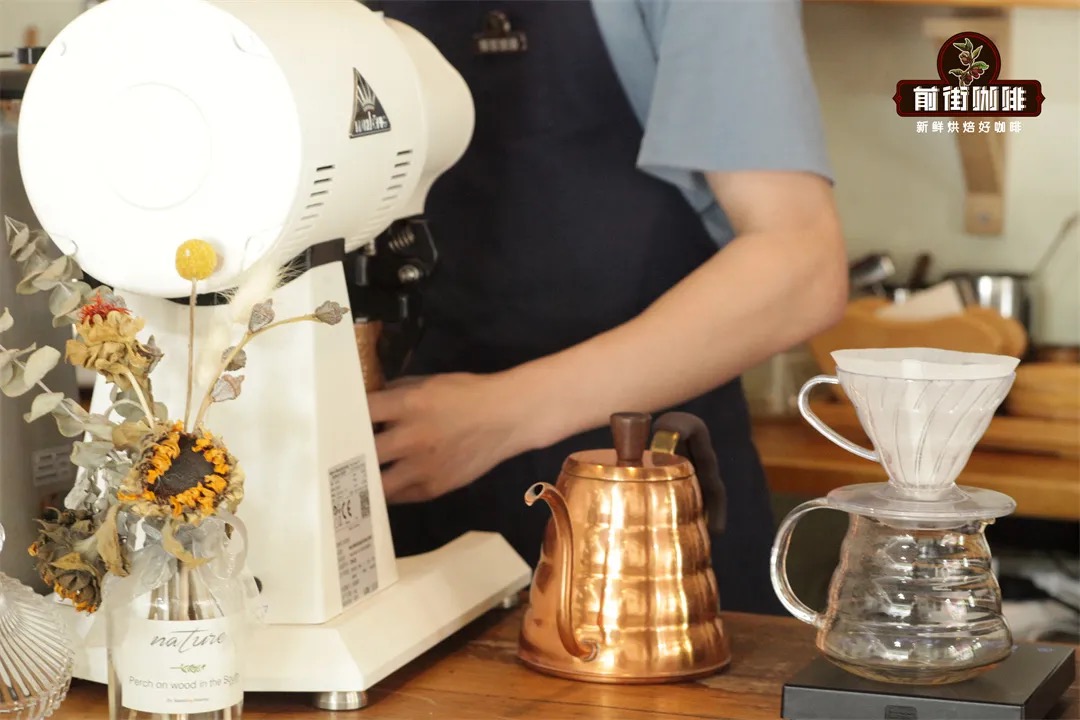
For example: you have prepared 15g of coffee beans and plan to brew with 91°C water and a 1:13 coffee-to-water ratio. Then your grinder suddenly decides to hold back some particles, and you end up with only 14.7g of ground coffee. If you proceed with the original parameters without knowing this, the final extracted coffee will depart in flavor from what those parameters were meant to produce.
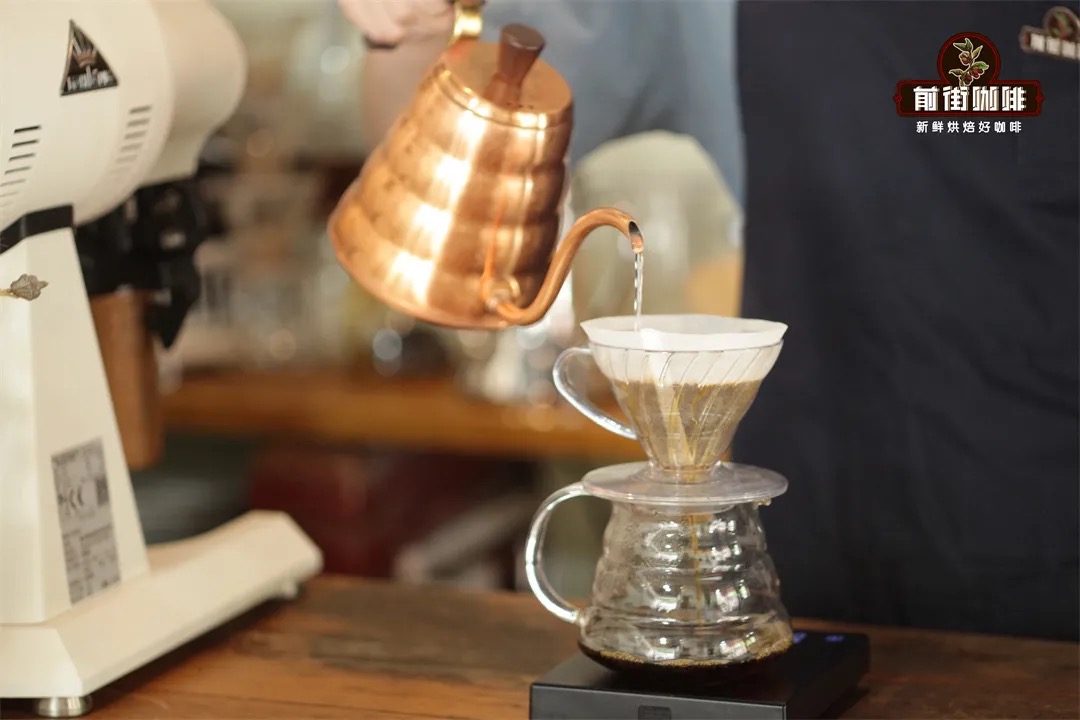
FrontStreet Coffee believes that these seemingly insignificant small changes always show up in the final tasting stage. So once you have settled on brewing parameters, you need to execute them rigorously with the help of auxiliary tools. If every parameter drifts a little, the flavor of the final brew will differ significantly.
FrontStreet Coffee Recommendation
Once your parameters are dialed in, the next variable is the bean itself, and FrontStreet Coffee keeps a range of flora-and-fruit lots that make pour-over practice rewarding. The FrontStreet Yirgacheffe Gudingding Cooperative is a friendly place to start: a washed Ethiopian with citrus, berry, and floral notes and a green-tea sweetness, whose soft, bright acidity is far gentler than the sharp "sour coffee" beginners often imagine.
If you want something more dramatic, the FrontStreet Ethiopia Flower Queen leads with tropical fruit, strawberry, passion fruit, and even lychee, with low bitterness and a juicy, smooth body. Both are forgiving enough for a novice practicing the circular segmented pour described above, yet rewarding enough to show clearly what changes in grind, temperature, and ratio actually do.
Important Notice :
FrontStreet Coffee is a long-established specialty coffee roaster in Guangzhou China, selling freshly roasted beans from its own farm in Yunnan as well as dozens of carefully selected single-origin beans from around the world for both pour-over and espresso. The products deliver consistently excellent quality and great value, with shipping within 24 hours. Guangzhou's FrontStreet Coffee shop is recommended by many coffee lovers, and the beans are now available online at the Tmall 。
FrontStreet Coffee has moved to a new address:
FrontStreet Coffee Address: 315,Donghua East Road,GuangZhou
Tel:020 38364473
 Scan and follow the En Gafei WeChat official account. Please indicate that the reprint comes from "En Gafei".