Coffee Basics for Beginners: How to Store Freshly Roasted Coffee Beans and Ground Coffee?
The Significance of Degassing Valves on Coffee Packaging
Recently a customer asked FrontStreet Coffee: "Why do you need to seal the degassing valve after grinding coffee beans into powder? Won't that prevent carbon dioxide from escaping the packaging?"
FrontStreet Coffee seals coffee beans immediately after they are roasted and cooled, to minimize the loss of coffee flavor. However, freshly roasted beans produce large amounts of carbon dioxide internally, which begins to release continuously once roasting is complete. Without a way for this carbon dioxide to escape, internal pressure can easily build up and rupture the packaging.
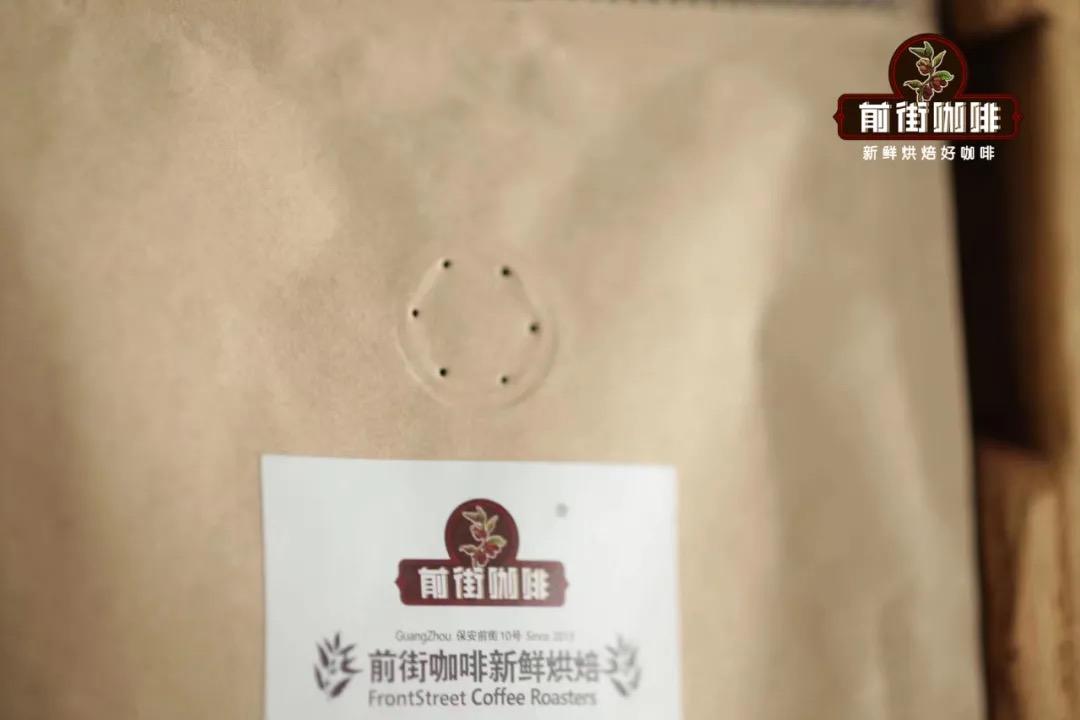
This degassing valve is actually a one-way exhaust device that releases carbon dioxide while preventing external gases from entering through the valve, thereby reducing the oxidation rate of the beans. Since this device can release carbon dioxide, coffee flavors can naturally escape through it as well.
Why Must the Degassing Valve Be Sealed After Grinding into Coffee Powder?
Because we need to preserve the coffee flavor. While coffee is still in whole-bean form, the release rate of carbon dioxide and flavor is very slow. Once ground, however, both are released at an incredibly fast pace. So when coffee is ground into powder, it needs to be sealed in its packaging immediately and the degassing valve must be sealed to prevent flavor from escaping.
Do Freshly Roasted Coffee Beans Still Need Degassing After Being Ground into Powder?
No. The purpose of degassing is to let the beans release some of their internal carbon dioxide. This helps eliminate the harshness of freshly roasted beans, making the flavor more rounded and full; it also reduces the impact of carbon dioxide on extraction during subsequent brewing. If the coffee has already been ground into powder, there is no need for further degassing, because during transportation the pressure created by carbon dioxide in the packaging can also help make the flavor more rounded. So you can brew a cup immediately upon receiving the coffee powder.
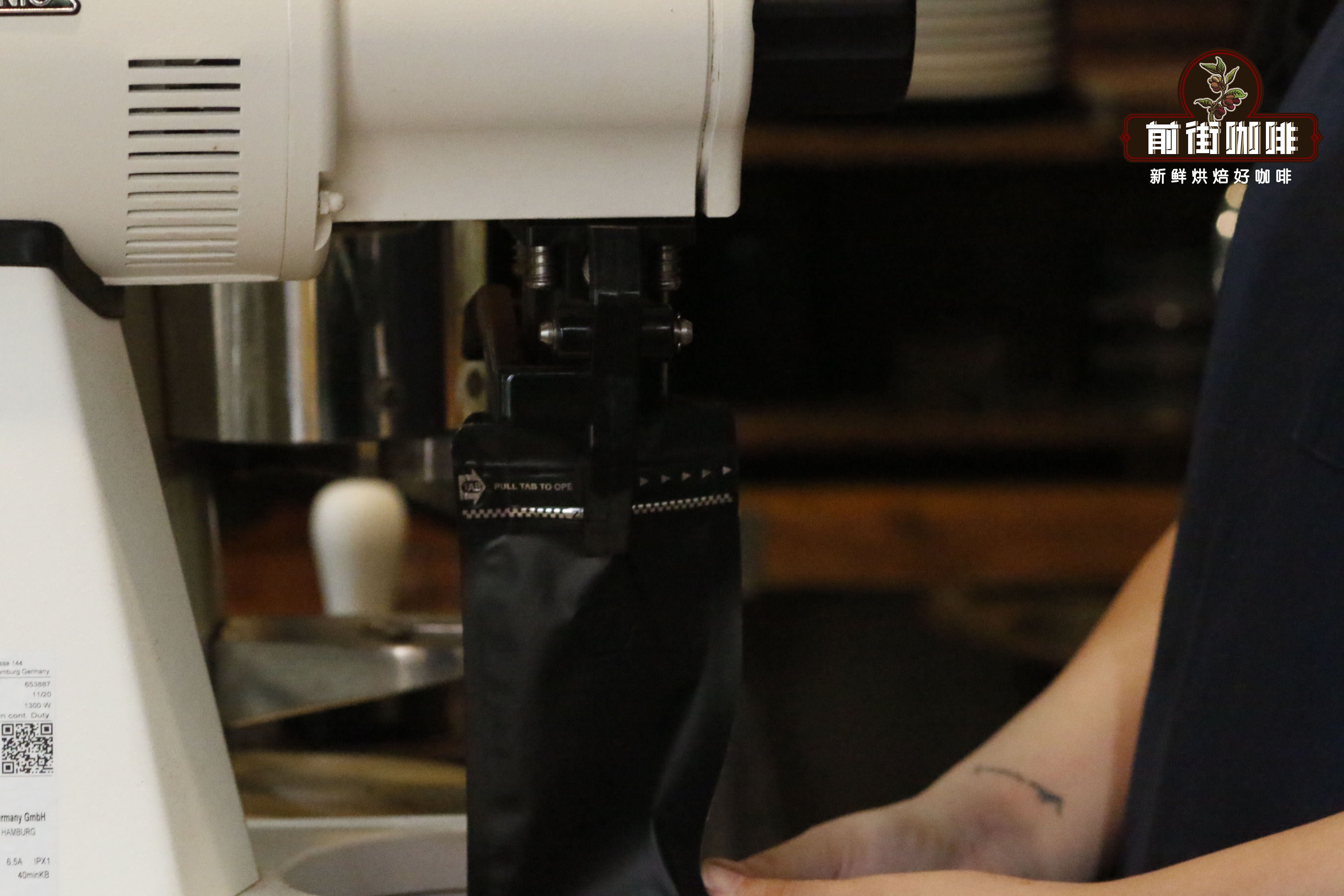
Flavor Period of Coffee Beans After Grinding
The optimal flavor period for freshly roasted coffee beans is within 30 days after the degassing period (4-7 days). When beans are ground into powder, the aroma begins to diminish and the loss of flavor accelerates. Therefore, the flavor period for freshly roasted beans ground into powder is within 20 days.
How to Store Coffee After Grinding Freshly Roasted Coffee Beans into Powder?
Store in a cool, ventilated, and dry place
Whether beans or powder, avoid placing them in direct sunlight, as high temperatures accelerate the release of coffee flavor and significantly reduce the flavor period. At the same time, pay attention to whether the storage location is humid, since moist environments easily breed bacteria, which not only gives the coffee a musty smell but also affects human health.
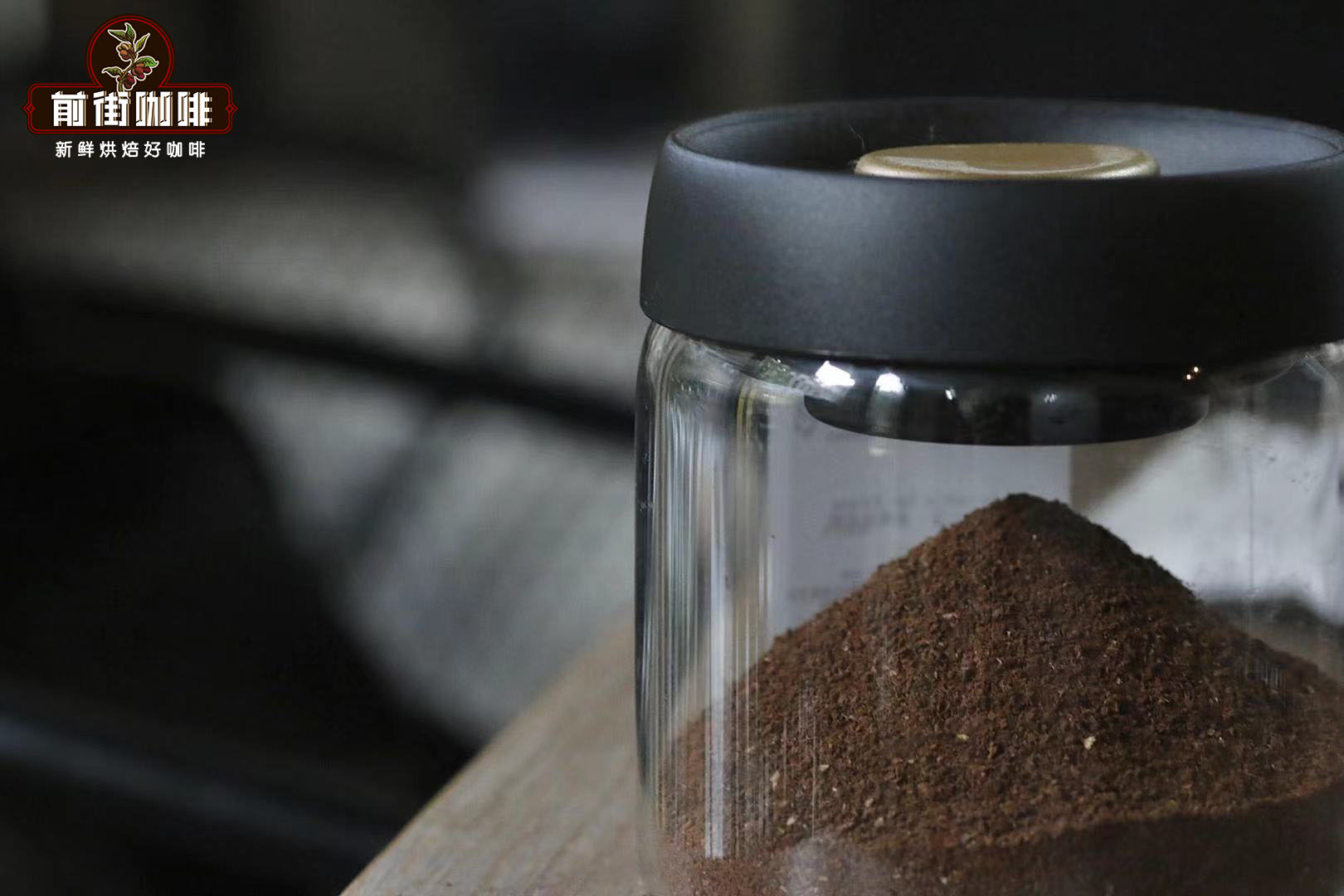
Store in completely sealed containers
Coffee beans can be stored in their original packaging, but coffee powder is best kept in completely sealed containers. First, the oxidation rate of coffee powder is much faster than that of beans. Second, if there is even a slight gap when resealing the original packaging, flavors will escape rapidly. Storing powder in completely sealed containers therefore provides better assurance.
Final Thoughts
Although pre-ground coffee powder is convenient to use, FrontStreet Coffee still recommends grinding beans just before brewing. We also suggest buying one package at a time and finishing it before buying the next—after all, the freshness of coffee beans or powder really matters.
FrontStreet Coffee Recommendation
Once you are grinding just before brewing, the beans in the hopper matter as much as the storage. FrontStreet Coffee's medium-roast line is a good fit for anyone who wants balance and easy drinkability. FrontStreet Brazil Queen Estate, a rare yellow Bourbon from the world's largest coffee-producing country, is clean and gently sweet, with cream-peanut, chocolate, toasted-bread, and sugarcane aromas after a medium roast, and it works for both pour-over and moka pot or espresso machine. If you prefer something sweeter, FrontStreet Strawberry Candy combines a honey-processed Costa Rican coffee with washed Panama Gesha and is roasted medium to bring out both orange-blossom-honey character and rounded sweetness, suited to cold brew, pour-over, and espresso alike. For a Chinese-grown option, FrontStreet 2013 Sun-Dried Typica carries authentic Yunnan small-bean character, roasted medium for a balanced, gentle profile with nut, brown sugar, black tea, and apricot notes that work in pour-over, cold brew, and drip machine. And if you want a single bean that is balanced enough to please almost anyone, FrontStreet Jamaica Blue Mountain No. 1—Typica grown in Jamaica—is roasted medium so its sweet, bitter, and mellow qualities merge into an elegant cup of chocolate, roasted nut, cream, and caramel.
Important Notice :
FrontStreet Coffee is a long-established specialty coffee roaster in Guangzhou China, selling freshly roasted beans from its own farm in Yunnan as well as dozens of carefully selected single-origin beans from around the world for both pour-over and espresso. The products deliver consistently excellent quality and great value, with shipping within 24 hours. Guangzhou's FrontStreet Coffee shop is recommended by many coffee lovers, and the beans are now available online at the Tmall 。
FrontStreet Coffee has moved to a new address:
FrontStreet Coffee Address: 315,Donghua East Road,GuangZhou
Tel:020 38364473
 Scan and follow the En Gafei WeChat official account. Please indicate that the reprint comes from "En Gafei".