How Can Coffee Beginners Appreciate the Flavors of Pour-Over Coffee? Is the Tea-Like Sensation in Specialty Coffee Actually Astringency?
"Isn't a tea-like sensation the same as sweetness?!" "Tea-like sensation is actually just astringency...!" "Isn't 'tea-like' simply the taste of tea??" This article was born from everyday life — FrontStreet Coffee's baristas recently overheard three friends quietly debating exactly these questions.
Understanding Astringency Before Tea-like Sensation
Before we can talk about tea-like sensation, we need to understand astringency.
Astringency is a tactile sensation, not a taste. It appears when polyphenol compounds in food or drink bind to the proteins in your mouth, creating a rough, drying feeling. Intense roughness — the kind that lingers and dulls everything you taste afterward — is what we'd call harsh, negative astringency. But not all astringency is a flaw, so it helps to split it into two categories: negative and positive.
Negative Astringency
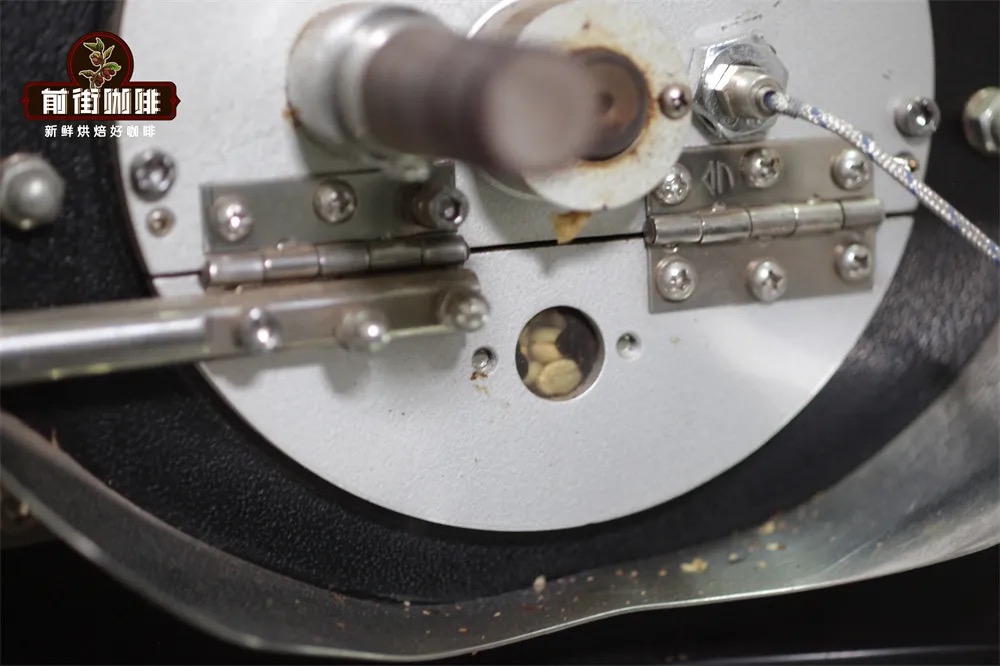
Negative astringency is hard to undo. If green coffee carries too much chlorogenic acid, for instance, roasting degrades it into quinic acid — a non-volatile phenolic acid you can't smell at all, but which tastes bitter and sharply astringent. Or consider beans that never fully dehydrate during roasting: lingering moisture disrupts heat transfer, so the exterior roasts while the core stays underdeveloped. The result tastes herbal, with a green, puckering grip on the palate.
Positive Astringency
Positive astringency, by contrast, adds complexity. A touch of citrus-peel astringency alongside clean acidity and gentle skin grip can evoke biting into pomelo flesh and catching the bitter inner membrane — that sweet-sour edge with a flicker of bitterness isn't unpleasant at all; it sets up a long, sweet finish.
What Exactly is a Tea-like Sensation?
Start with tea itself. When a tea tastes obviously bitter and astringent, the culprit is usually leaf quality or over-brewing — too many tea polyphenols released at once. Good leaves brewed properly fill the mouth with the cultivar's own aroma and a sweet, lingering return.
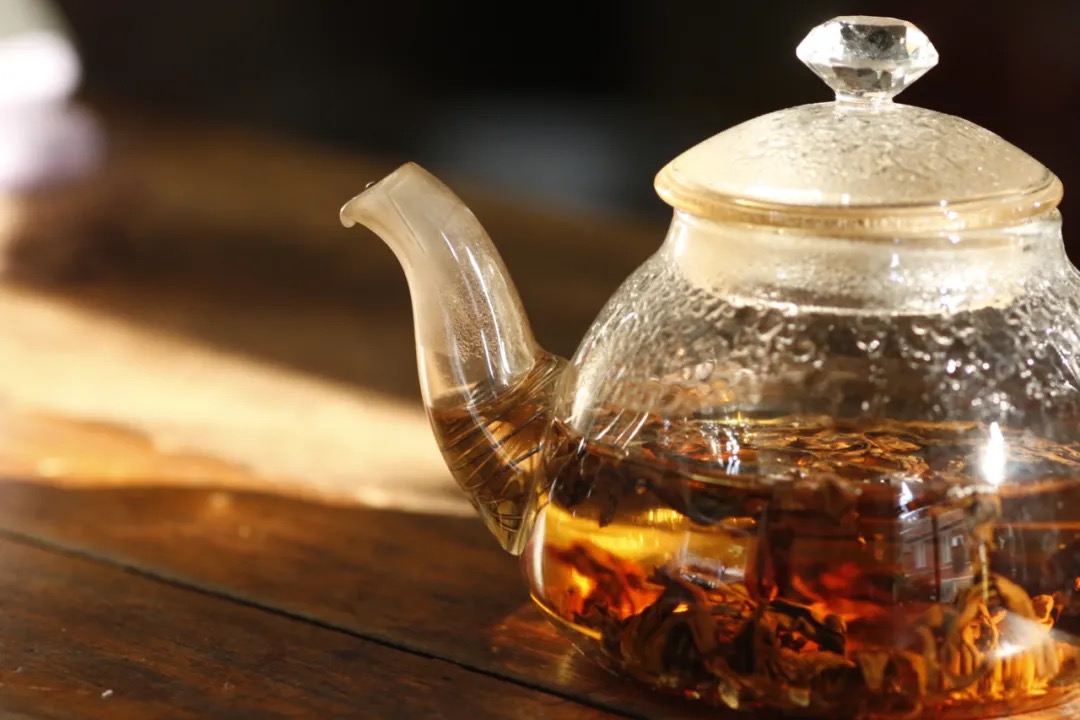
Green tea, for example, retains a large share of its polyphenols, so you feel a light roughness on the tongue along with a fresh, green aroma — and often a savory, oceanic umami note from amino acids, much like seaweed.
Oolong teas such as Tieguanyin are semi-oxidized, so the sensation is smooth, mellow, and refreshing, with a pronounced sweet aftertaste and fragrance that hangs on.
Black tea, fully oxidized, gives the fullest sensation of all: rich, substantial body, deep aroma, strong tea flavor, and an unmistakable sweet return.
Tea-like Sensation in Coffee
Now back to coffee. Strictly speaking, the tea-like sensation in coffee isn't the same as drinking actual tea — it tends to show up in the aftertaste, in how long and how sweetly the finish lingers, conjuring the aroma, texture, or return of a particular tea.
FrontStreet Coffee's baristas often find green tea's distinctive umami and fresh, grassy aroma rising in the aftertaste of washed Yirgacheffe.
With the washed Esmeralda Special Green Dot, we get a pronounced sweet return and a light, airy feel — remarkably like drinking Tieguanyin, with both the fragrance and the sweet finish lasting and lasting.
And natural-processed Yunnan Typica delivers a substantial, black-tea-like sweet finish.
Final Thoughts
Coffee's flavor world is endlessly varied, and no two people's senses are identical — not everyone will pick up a tea-like sensation at all. It's telling that English-language tasting notes for specialty coffee rarely mention tea, while in China, "tea-like sensation" and "tea aroma" are among our favorite descriptors.
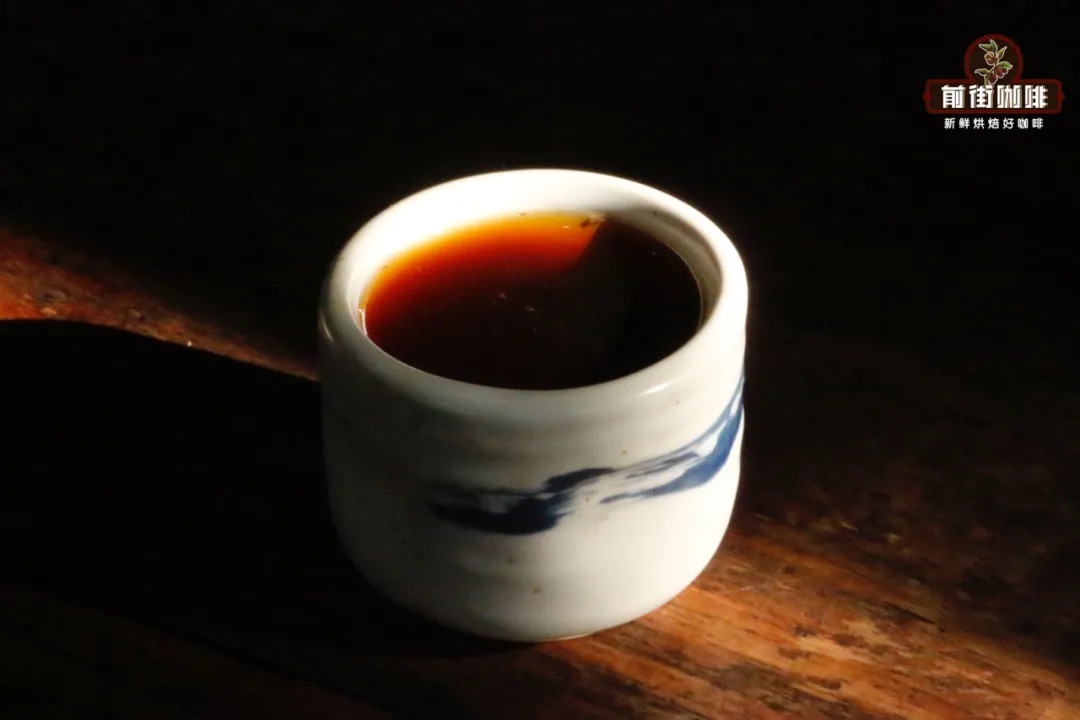
Partly, that's because Chinese drinkers have an innate familiarity with the sensation. And partly, it's deliberate: we want to loosen the old assumption that coffee only tastes burnt and bitter. Through tea-like descriptions, we hope people discover that specialty coffee, like fine tea, can offer exquisite aromatics, a clean texture, and a long, sweet finish.
FrontStreet Coffee Recommendation
If tea-like sensations are what you chase, start with FrontStreet Coffee's washed Yirgacheffe — the classic gateway to Ethiopian coffee. It's known for white jasmine florals, bright citrus and lemon acidity, and a distinctly tea-like finish, all at a friendly price, which is why so many drinkers call it their first specialty bean. The washed Worka (Guodingding) lot from the Guodingding cooperative in southeastern Yirgacheffe goes a step further: traditionally washed with none of the old bitterness, just crisp citrus acidity, jasmine fragrance, and that clean, green-tea sweetness that makes so many people fall for pour-over on the first cup.
For black-tea-style depth, look to Ethiopia's natural process. FrontStreet's Red Cherry natural Yirgacheffe is dried as whole, fully ripe cherries on raised beds — turned every two to three hours at the start to prevent uneven fermentation — then rested three to five weeks before hulling. The cup keeps classic Yirgacheffe character while gaining tropical fruit: citrusy acidity, a berry-juice juiciness, honeyed sweetness, and a cream-smooth body, with the substantial sweet return of a well-brewed black tea.
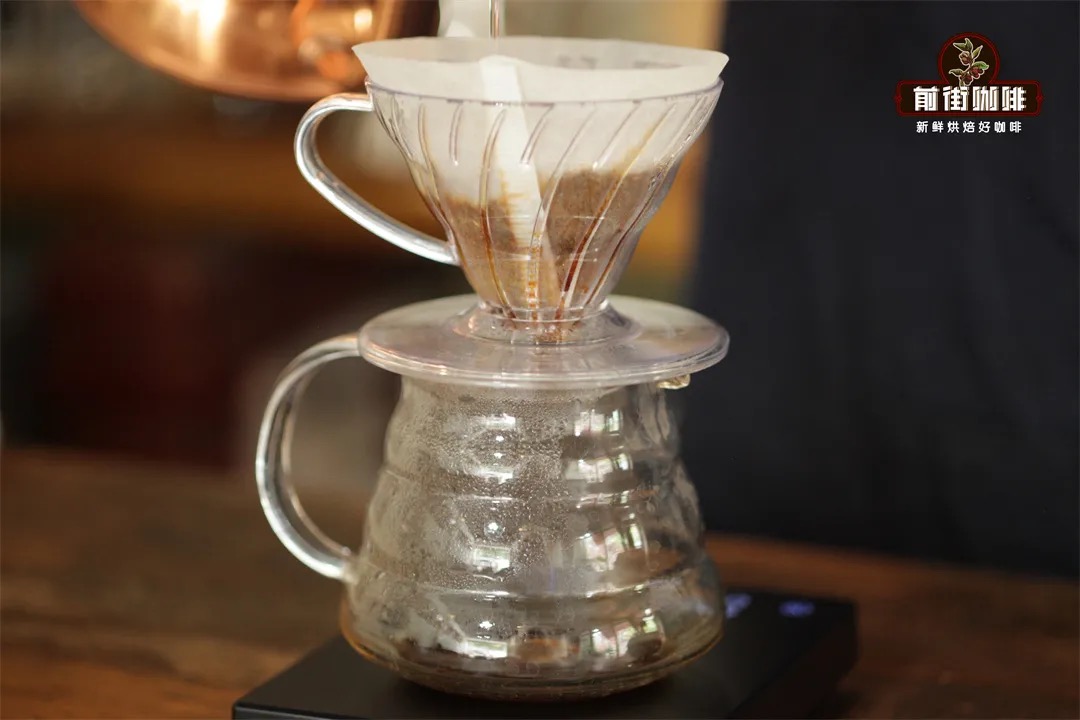
And for the pinnacle of the tea-and-floral experience, the Panama Esmeralda Red-Label Geisha is hard to overstate: elegant jasmine, citrus and bergamot, a delicate black-tea finish, and a cup so clean and transparent that the sweet return seems to go on forever. However you brew it, treat these beans the way you'd treat fine tea — gentle heat, even extraction — and they'll reward you with aromas that blur the line between the teapot and the dripper.
Important Notice :
FrontStreet Coffee is a long-established specialty coffee roaster in Guangzhou China, selling freshly roasted beans from its own farm in Yunnan as well as dozens of carefully selected single-origin beans from around the world for both pour-over and espresso. The products deliver consistently excellent quality and great value, with shipping within 24 hours. Guangzhou's FrontStreet Coffee shop is recommended by many coffee lovers, and the beans are now available online at the Tmall 。
FrontStreet Coffee has moved to a new address:
FrontStreet Coffee Address: 315,Donghua East Road,GuangZhou
Tel:020 38364473
 Scan and follow the En Gafei WeChat official account. Please indicate that the reprint comes from "En Gafei".