Where to Find the Best Coffee Beans and Important Indicators to Look for When Selecting
The specialty coffee market offers a dazzling array of choices, with countless varieties of packaging, brands, and origins. So how exactly should you choose high-quality coffee beans? First, understand that coffee is a perishable agricultural product, not an item that can sit in a pantry indefinitely. Coffee beans do not spoil as quickly as fresh produce, but their flavors dissipate rapidly and begin breaking down soon after roasting.
Old coffee beans will not harm your health, but they may no longer carry their best, freshest flavor. Most beans reach peak quality within two to three weeks of roasting, so choosing fresher beans lets you enjoy the best flavor possible. Today, FrontStreet Coffee walks you through the key considerations for selecting coffee beans.
Coffee Bean Selection Point 1 - Coffee Bean Packaging
Many coffees are sold in exquisite packaging yet provide minimal product information. The more detailed coffee traceability information you can find on the packaging, the better your chances of buying high-quality coffee.
Coffee Bean Selection Point 2 - Coffee Bean Production History
Many coffees are sold in beautiful packaging but offer limited product information. The more detailed the following coffee traceability information you can find on the packaging, the better your chances of buying high-quality coffee.
Region of Origin
The country, or the more specific location, where the coffee beans were grown.
Name of the Farm
A more specific production location. Depending on the country, each origin and growing region defines its main processing and production units differently, such as farms, cooperatives, or washing stations.
Bean Variety
Anyone who studies coffee knows that beans fall into two main categories, Arabica and Robusta. These are further divided into more specific varietals. Today, genetic sequencing is used for more accurate classification based on relatedness. The specialty coffee beans on the market today are mainly products of Arabica varieties.
Altitude
Altitude refers to the height at which the coffee is grown. It directly affects flavor, especially acidity and hardness. In principle, the higher the altitude, the greater the chance of better flavor. For coffee, beans grown above 1,500 meters are quite rare. Between 1,000 and 1,400 meters counts as high altitude, while below 1,000 meters is medium or low altitude. The higher the altitude, the brighter the flavor, the higher the acidity, and the richer the taste. The lower the altitude, the milder the flavor, with more chocolate notes and a more singular profile.
Tasting Profile
A description of how the coffee tastes when brewed properly. Usually taken from cupping reports evaluated by baristas or cuppers, these represent the main flavors consumers can most easily perceive.
Coffee Bean Selection Point 3 - Purchase Location
To get high-quality coffee beans, we recommend buying directly from roasters or specialty coffee shops. There are now many reputable online specialty coffee stores with excellent quality that offer convenient purchasing and very clear labeling. Supermarkets or grocery stores rarely sell specialty coffee.
How to Judge Coffee Freshness
Once coffee beans are roasted, the flavor molecules inside them begin to dissipate. If you measured the content of those molecules daily, you would find each day slightly lower than the last. Generally, the best quality is achieved within two to three weeks of roasting.
Aroma
Freshly roasted coffee beans have a rich aroma; stale coffee, by contrast, appears oily and smells strongly rancid, a clear sign that you have bought stale beans.
Coffee Bean Appearance
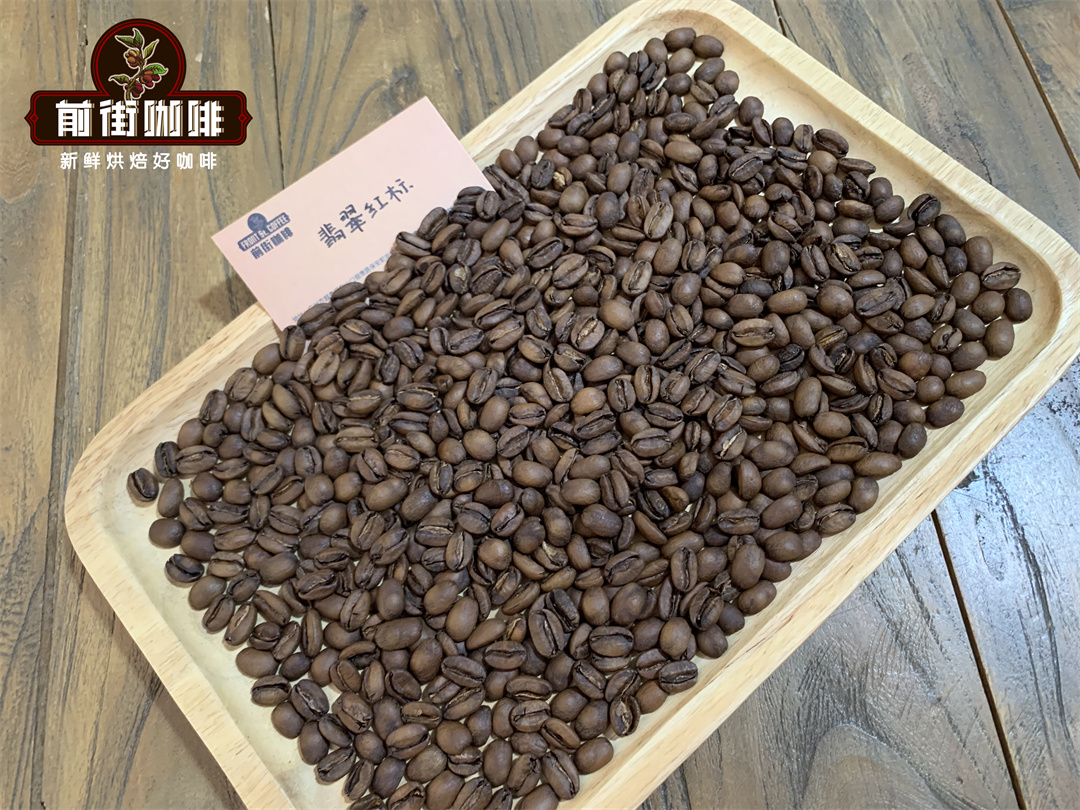
For single-origin beans, you can check whether the color of beans in the same batch is consistent, whether the particle size is uniform, and whether the shape is the same, to judge whether any inferior beans have been mixed in. For blended beans, however, inconsistent size and appearance is normal.
Everyone's preferences for taste and flavor differ. Just like tasting food, tea, or wine, it is highly subjective. To find good coffee, what suits you personally matters most. Even so, you can use the information above as guidance to understand a coffee's value. Developing a palate for coffee also takes time and accumulated experience. We recommend tasting a range of beans with different flavors at first, narrowing them down to the flavors you like best, and learning about the origin and production history of the beans you enjoy. That will help you pick beans that match your preferred taste in the future.
FrontStreet Coffee Recommendation
With freshness and traceability in mind, FrontStreet Coffee's medium-roast lineup offers clear origin information and a balanced cup. FrontStreet Brazil Queen Estate comes from Mogiana and uses the rare Yellow Bourbon variety, roasted medium to show creamy peanut, chocolate, toasted bread, and sugarcane sweetness. For a fruitier medium roast, FrontStreet Strawberry Candy Geisha Blend combines a Costa Rican honey-processed coffee with a Panamanian washed Geisha, giving orange-blossom honey and rounded sweetness that suits pour-over, cold brew, or espresso. FrontStreet 2013 Natural Typica, a Chinese specialty representative roasted medium, brings nut, brown sugar, black tea, and dried apricot notes, while FrontStreet Jamaica Blue Mountain No. 1 balances chocolate, roasted nuts, cream, and caramel. All four make it easy to match bean to taste.
Important Notice :
FrontStreet Coffee is a long-established specialty coffee roaster in Guangzhou China, selling freshly roasted beans from its own farm in Yunnan as well as dozens of carefully selected single-origin beans from around the world for both pour-over and espresso. The products deliver consistently excellent quality and great value, with shipping within 24 hours. Guangzhou's FrontStreet Coffee shop is recommended by many coffee lovers, and the beans are now available online at the Tmall 。
FrontStreet Coffee has moved to a new address:
FrontStreet Coffee Address: 315,Donghua East Road,GuangZhou
Tel:020 38364473
 Scan and follow the En Gafei WeChat official account. Please indicate that the reprint comes from "En Gafei".