What are the Differences in Flavor Characteristics Between Ethiopian Coffee Beans Guohua 6.0 and 7.0? Introduction to Guohua Coffee Roasting Levels
For drinkers just getting into specialty coffee, the best-known beans often come from Ethiopia, and two of them turn up again and again in cafes: washed Yirgacheffe and natural Sidamo.
Ethiopia is a treasure trove of coffee, yet even those two options can overwhelm a customer choosing beans at FrontStreet Coffee. When that happens, the baristas ask a simple question: would you like something with a cleaner taste, or something more juice-like?

When the answer is juice, FrontStreet Coffee points customers toward Huakui. Luckin Coffee's recent launch of the Huakui 5.0 series has also drawn in plenty of people who rarely drink specialty coffee, so it is worth introducing the Huakui beans properly.
Origin and Production Area
Huakui is produced in the Hambella sub-region of Sidamo, in southern Ethiopia. This famous coffee area has a wide range of soil types, including fertile red volcanic soil, and its diverse coffee varieties are generally labeled as local native species. That mix of elements is what gives Sidamo coffee its range of flavor.
Given such excellent growing conditions, beans from Sidamo consistently rank near the top of the East African Taste of Harvest (TOH) competition. At the 2020 TOH, the washed category champion came from the Guji region of Sidamo, and FrontStreet Coffee's selection includes that coffee as well.
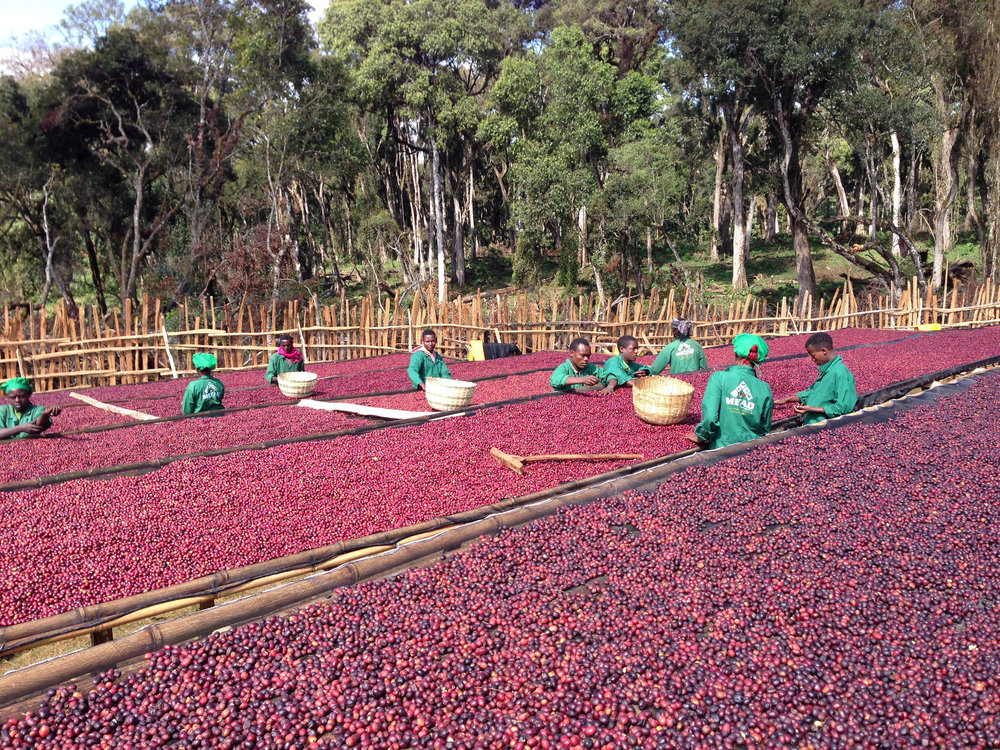
The natural Sidamo beans FrontStreet Coffee highlights come from the Hambella sub-region, which holds the highest-altitude coffee farms in Ethiopia. It is separated from the Kochere area of Yirgacheffe by a single mountain. Hambella is in fact a coffee farm belonging to the well-known local METAD Agricultural Development PLC. It serves both as an independent farm and as the main processing station for nearby growing areas, processing coffee from the surrounding region and selling it as separate lots.

The entire Hambella farm covers 200 hectares and lies about 75 kilometers from Yirgacheffe, in the heart of Ethiopia's best coffee country. Its processing station is notably professional, well equipped in machinery, management and scale. Fertile volcanic soil, natural organic farming methods and relatively mature post-harvest processing are the key reasons this area has become one of the most popular sub-regions in recent years. The Huakui beans are produced at the coffee processing station near Buku village in Hambella, also known as the Buku Abel Processing Station. Local farmers grow cash crops such as bananas around the coffee plants; when those crops wither and fall, they rot into the soil and become natural fertilizer for the coffee trees.
The Story Behind the Name "Huakui"
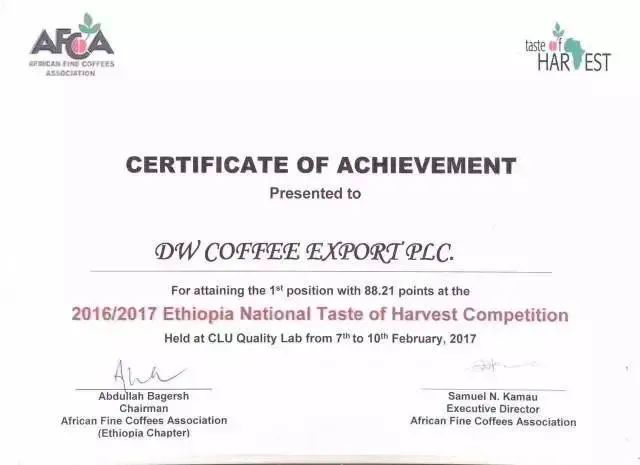
Since these beans come from the Hambella sub-region, why call them Huakui rather than Hambella coffee? The story goes back to 2017, when DW Company entered natural coffee processed by Buku Abel in the TOH competition. Its rich strawberry-cream flavor won over the international judges and took the natural category championship in TOH's Ethiopia division that year. After tasting those wild berry-cream flavors from the same batch of championship beans, a Beijing green bean merchant named Hong Shun decided to name it Huakui, meaning "the finest among flowers," as an expression of high hopes for the bean. That same year, at the China competition of the World Brewers Cup, Geisha varieties dominated the field, but competitor Li Jianfei took second place using the same batch of Huakui beans. Curiosity spread quickly, and Huakui became widely known.
Evolution of Huakui Versions
Anyone who follows Huakui closely will notice that the name changes each year, with a number after "Huakui" that climbs annually. Huakui is named in the format "Huakui X.0," so 2018 was Huakui 2.0 and 2021 naturally became Huakui 5.0. The 2022 beans were named Huakui 6.0, and in 2023 the first batch of Huakui 7.0 arrived at Shanghai Port on April 17th, which means the newest seasonal Huakui should be ready to taste by late April.

Like everyone else, FrontStreet Coffee was eager to know how Huakui 6.0 would differ from Huakui 5.0 and even from the original award-winning batch. At the time, the latest seasonal Huakui was still being processed at origin and was expected to arrive in April 2022. FrontStreet Coffee had already pre-ordered a batch at the earliest opportunity, and once the new seasonal beans land, they will be released to the public.
For now, only the two Huakui coffees on FrontStreet Coffee's menu can be tasted: Huakui 5.0 and Small Bean Huakui.
Differences Between Huakui 5.0 and Small Bean Huakui
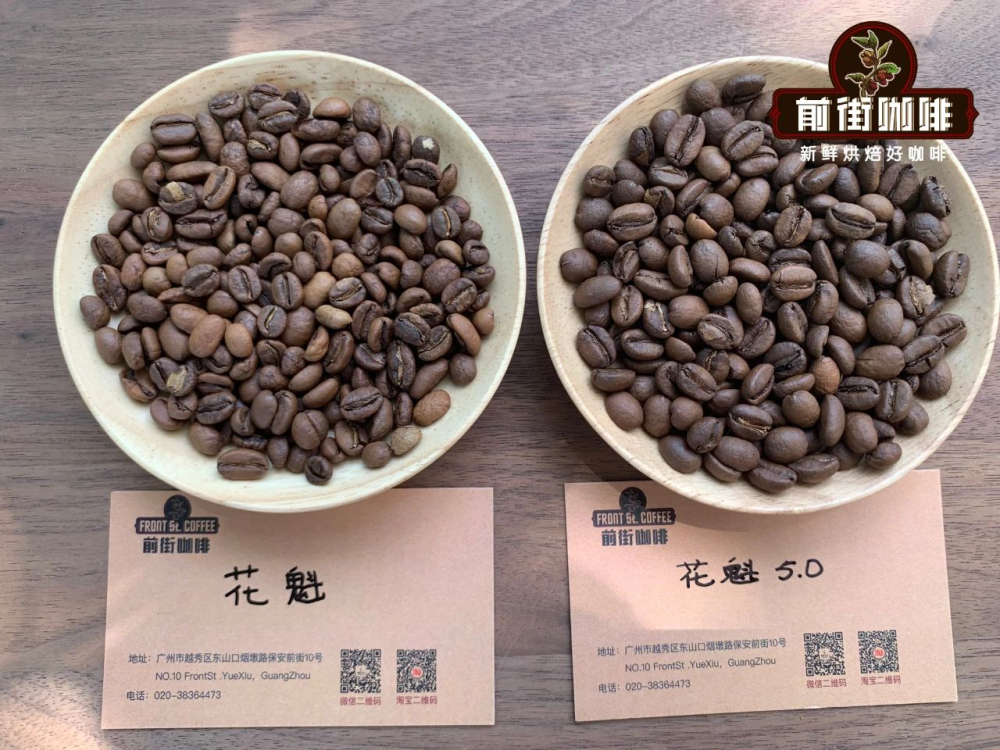
What separates Small Bean Huakui from Huakui 5.0? Back in 2017, FrontStreet Coffee noticed that some small coffee beans appeared among the Huakui lots, and the same small beans turned up in the following two years as well. Cupping later showed that these small-bean Huakui were the source of Huakui's aroma. In 2020, DW Company's Buku Abel processing plant handled these small beans separately and distinguished them as the Small Bean Huakui product.
Cupping both Huakui 5.0 and Small Bean Huakui from the 2021 season, FrontStreet Coffee found that Huakui 5.0's flavor sits closer to the Guji region overall: light floral notes, combined berry acidity and a full, juice-like body. Small Bean Huakui is closer to the 2017 award-winning batch, with prominent strawberry flavor, a full and solid juice-like mouthfeel, and a long-lasting creamy aftertaste.

Brewing Recommendations
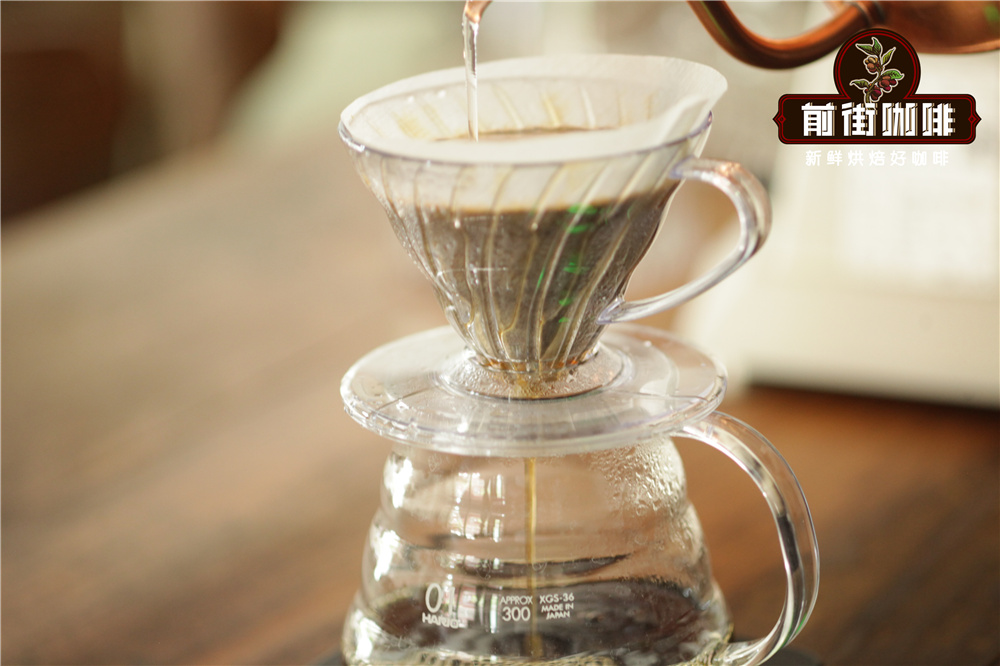
FrontStreet Coffee's roasters use a medium-light roast for both Huakui coffees, preserving more and higher-quality acidity for a brighter cup. When brewing them, FrontStreet Coffee recommends a Hario V60 dripper, a water temperature of 91°C and a medium-fine grind.
Brewing Parameters:
Dripper: Hario V60
Water Temperature: 91°C
Dose: 15g
Ratio: 1:15
Grind Size: 80% pass-through rate on a China standard #20 sieve
FrontStreet Coffee generally pours in three stages when brewing, which gives the coffee more layered depth. First pour 30g of hot water for a 30-second bloom, then pour from the center with a small stream, slowly spiraling to 125g to break the pour into segments. When the water level in the dripper drops to the point where the coffee bed is just about to be exposed, continue spiraling to 225g. Total extraction time is approximately 2 minutes.
FrontStreet Coffee Recommendation
The Huakui lots above show what natural processing can do with ripe Hambella fruit, but FrontStreet Coffee's menu also covers the cleaner, more restrained side of Ethiopia. The everyday washed Yirgacheffe is where most drinkers begin: white jasmine, bright citrus and lemon acidity, and a light, tea-like body that stays clean from start to finish. Yirgacheffe sits in the far south of Ethiopia, where coffee grows between 1,700 and 2,100 meters with the trees planted above 1,800 meters, making it one of the highest coffee regions in the world.
For a more specific single-origin lot, the FrontStreet washed Gedeb cooperative coffee comes from the Worka area at the southeastern edge of Yirgacheffe. It was originally part of the larger Worka cooperative within the YCFCU before becoming a separately traceable lot, and its traditional washed process keeps the cup free of bitterness, with fresh citrus and lemon acidity and elegant white florals. And if you want to stay on the fruit-forward side, the FrontStreet natural Red Cherry is made only from fully ripe, unblemished cherries, dried whole on raised beds for three to five weeks and turned every two to three hours early on. Citrus acidity, berry juice, honeyed sweetness and a creamy texture follow. Between a bright washed Yirgacheffe and an aromatic natural, Ethiopia offers both ends of the spectrum, and each one suits a different mood.
Important Notice :
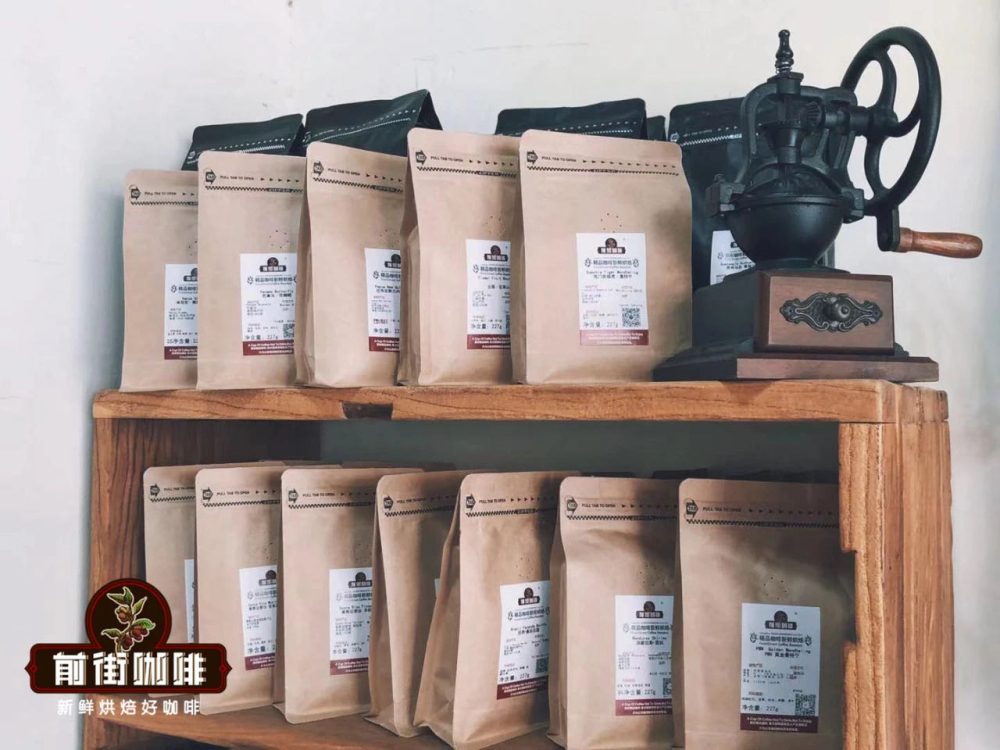
FrontStreet Coffee is a long-established specialty coffee roaster in Guangzhou China, selling freshly roasted beans from its own farm in Yunnan as well as dozens of carefully selected single-origin beans from around the world for both pour-over and espresso. The products deliver consistently excellent quality and great value, with shipping within 24 hours. Guangzhou's FrontStreet Coffee shop is recommended by many coffee lovers, and the beans are now available online at the Tmall 。
FrontStreet Coffee has moved to a new address:
FrontStreet Coffee Address: 315,Donghua East Road,GuangZhou
Tel:020 38364473
 Scan and follow the En Gafei WeChat official account. Please indicate that the reprint comes from "En Gafei".