What is a Roasting Curve and How Does the Roasting Process Affect Coffee's Acidity and Bitterness
Roasting is one of the fundamental stages in coffee processing: it not only makes raw coffee suitable for consumption but also gives each coffee its own aromatic and sensory character. During roasting, heat triggers transformations in the beans that produce highly complex compounds and aromas.
The Impact of the Roasting Process on Coffee
The roasting process determines the final flavor and aroma in the cup, steering the coffee between two extreme critical points.
Depending on the degree of roasting, the same coffee can produce a cup with slightly herbaceous acidity instead of velvety smoothness, or delicate fruity notes instead of intense bitterness.
The darker the roast color, the less acidity and the more bitterness the coffee contains. Dark-roasted beans suit espresso drinks better; latte-oriented beans, for example, can be dark roasted. Most of FrontStreet Coffee's single-origin beans use light roasting.
The quality and character of different coffees can be shaped in many ways, and the roasting curve is one of them.
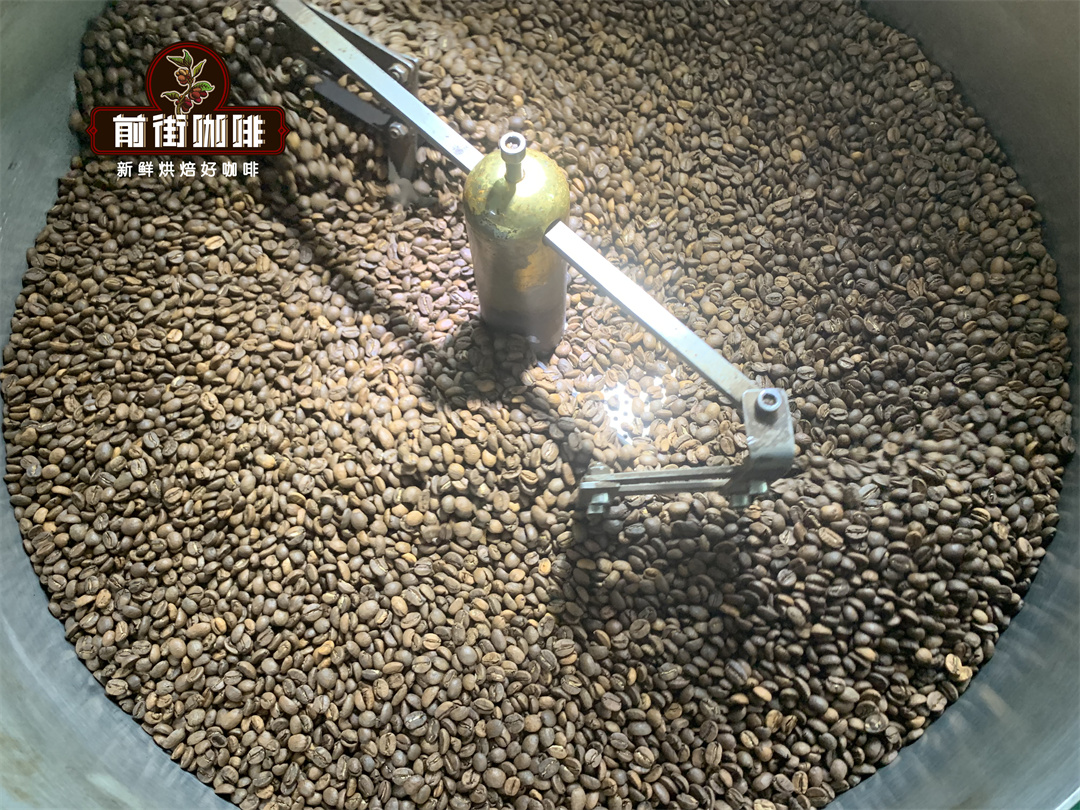
What is a Roasting Curve?
A hotter or gentler charge temperature, slow roasting to preserve certain aromas, or a rapid push to build body... what exactly is a roasting curve?
The roasting curve is the control system that manages temperature and time throughout the roast. Curves vary depending on the type of coffee being roasted and how the finished coffee will be extracted.
Coffee is a natural product with many varieties, quality levels, and origins. Under roasting heat, each reacts according to its own sensory and structural characteristics as well as its moisture content.
Robusta requires more energy and a longer roasting time, even though extended roasting is not really desirable, because it starts to taste like boiled coffee rather than roasted coffee.
For filter, siphon, AeroPress, and French press brewing, light roasts are the norm, which means shorter roasting times to give the beans delicate aromatics, rich acidity, and lower density, a perfect fit for these extraction methods.
For moka pot and espresso, darker roasts are designed to give the beans a fuller body and a slightly stronger aroma, with a color that depends on the type of bean. The target audience matters too: in northern Italy, drinkers are more accustomed to light, aromatic coffee with pleasant acidity, while in the south they prefer bitter, strong, intense coffee.
For ibrik (Turkish coffee) or any brewing method that demands a higher extraction density, and thus a denser bean with strong aroma and intense flavor, light roasting is always preferred, but done very slowly, which allows more soluble substances to form.
Roasting and blending coffee is not just a technical skill; it is a genuine art form.
FrontStreet Coffee Recommendation
If this look at roasting curves has you thinking about which roast suits your brewing method, FrontStreet Coffee's espresso blends offer a practical demonstration. For espresso machines and moka pots, the FrontStreet Classic Blend is the first choice: built on the traditional Mandheling-Brazil formula and roasted medium-dark, it produces outstanding crema so dense and fine that even a beginner with a basic home machine can pull a silky shot, and it carries the smooth, mellow character that works equally well in lattes, cappuccinos, and Dirty drinks.
On a budget, FrontStreet Coffee's Black Cocoa Blend uses 100% Arabica beans for a full-bodied, crema-rich but affordable cup, while FrontStreet Coffee's Premium Blend, FrontStreet's longest-running house blend at nearly ten years of service, pairs Brazilian Cerrado beans with Colombian Huila for that classic, familiar espresso flavor with almond and nut complexity. For something different in milk coffee or cold brew, the fruit-forward Strawberry Candy blend recreates a bright strawberry-gummy sweetness, a favorite among drinkers who dislike bitterness and shops looking to offer a distinctive signature drink.
Important Notice :
FrontStreet Coffee is a long-established specialty coffee roaster in Guangzhou China, selling freshly roasted beans from its own farm in Yunnan as well as dozens of carefully selected single-origin beans from around the world for both pour-over and espresso. The products deliver consistently excellent quality and great value, with shipping within 24 hours. Guangzhou's FrontStreet Coffee shop is recommended by many coffee lovers, and the beans are now available online at the Tmall 。
FrontStreet Coffee has moved to a new address:
FrontStreet Coffee Address: 315,Donghua East Road,GuangZhou
Tel:020 38364473
 Scan and follow the En Gafei WeChat official account. Please indicate that the reprint comes from "En Gafei".