Authentic Indonesian Kopi Luwak Bean Prices_Taste and Flavor of Indonesian Civet Coffee Beans
Indonesian Civet Coffee beans could be called the Rolls-Royce of the specialty coffee market. FrontStreet Coffee's store also keeps Civet Coffee beans on its coffee bean menu. As early as 2002 in New York, a pound of Civet Coffee beans was priced at a staggering $500. The name may not sound elegant, but there is no denying that the flavour conceals the distinctive herbal aroma of Indonesia's coffee regions, with an exceptionally rich body.
If you were to ask, "Why are Civet Coffee beans so expensive?" the real reason is their extremely low production volume. Here is the story behind this coffee bean and what makes it distinctive.
FrontStreet Coffee - Indonesian Civet Coffee beans Story
The Indonesian Civet Coffee beans introduced by FrontStreet Coffee are pure Arabica varieties. Local farmers collect the droppings, clean them, and then sort them by variety.
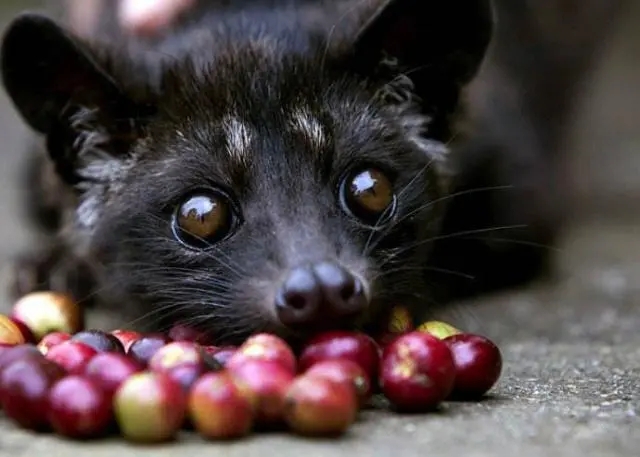
In the 17th century, Dutch colonists first brought coffee seedlings to Indonesia. The unique geography and mild climate of the Sumatra archipelago nurtured high-quality coffee beans. But a local species of wild civet loved to eat mature, full coffee cherries. During harvest season the plantations often suffered from their theft, which was a great headache for coffee farmers who were already heavily taxed. As a result, they drove the animals away and captured large numbers of them.
Then one day Captain Willemsen, leading his team on a patrol past a farmhouse as usual, smelled a rich coffee aroma from far off. He rushed into the farmer's courtyard and saw the farmer roasting coffee beans in an iron pan. Willemsen, already worried about being blamed by his superiors for harvesting too few coffee beans, was furious. Just as he was about to explode, he was caught by the cup of black coffee the farmer handed him.
At the first sip Willemsen felt an incredible smoothness and richness, a sweet fragrance he had never experienced before hitting his taste buds instantly. When he saw the green beans the farmer showed him he was even more stunned: they were actually droppings excreted by wild civets. It turned out that local farmers could not afford to drink the coffee harvested from the plantations. Seeing so many coffee beans the civets had eaten but could not digest lying on the ground, they thought it was a waste, so they collected them, cleaned them and enjoyed them themselves, calling it "Civet Coffee".
FrontStreet Coffee - Indonesian Civet Coffee beans Processing Method
First, it is important to know that Indonesian Civet Coffee beans are produced in the Sumatra archipelago and have sustained their legend through rarity and uniqueness.
Sumatra is rich in Arabica coffee beans, and the island's civets love to eat mature, full coffee cherries. After fermentation inside the civet's digestive system, the cherries undergo a remarkable change, developing a mellow, singular flavour with a lasting aftertaste and a rich, layered smoothness. That unique production process and scarce yield are what make Civet Coffee so exceptional and precious.
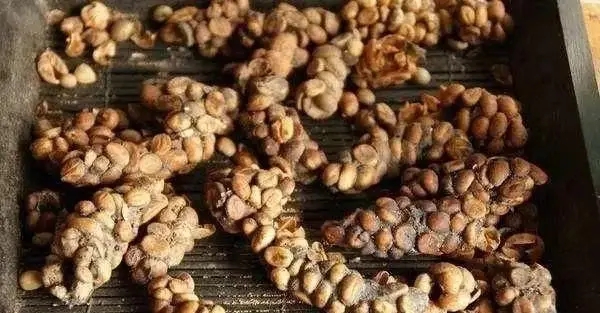
FrontStreet Coffee - Introduction to Civet Internal Fermentation Method
Civet internal fermentation uses the lactic acid bacteria and digestive fluids from the civet's digestive tract to remove the fruit pulp and pectin attached to the surface of the original beans. The beans are finally excreted with the faeces, and coffee farmers then go up the mountains at dawn to collect the droppings, cleaning them to obtain the precious internally fermented beans one by one.

Civets mainly inhabit tropical rainforests and the edge shrublands and grasslands of subtropical evergreen broadleaf forest in hills and mountains below 2,100 meters altitude, choosing rock caves, soil holes or tree holes as their habitat.
Civets have a fairly omnivorous diet. Animal foods include small mammals, birds, amphibians and reptiles, crustaceans and insects - rodents, small birds, snakes, frogs, fish, crabs, bird eggs, insects, earthworms and wild fowl. Plant foods include the stems and leaves of Solanaceae plants, the seeds of various figs, and fruits such as bignay and nightshade.
Civets digest plants poorly, however, so eating berries is essentially dessert for them while meat is the main food. In their most natural environment, eating the food that suits them best, eating the coffee cherries they have chosen themselves - ripe fruit with high sugar content - and then excreting the coffee beans they cannot digest is simply animal nature, and entirely natural.
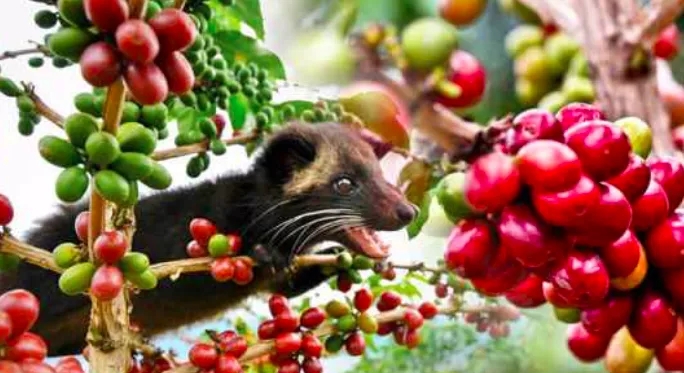
Early on, local people collected wild civet droppings from the forests, extracted the undigested coffee seeds and processed them into green beans. Because the yield was low and the internal fermentation method so unusual, many businessmen later spotted the opportunity and began capturing civets in large numbers for caged farming. Civets, which are naturally carnivorous, were then left able to eat only coffee cherries.
The nutrients in coffee cherries cannot keep a civet healthy, but the practice is defended on the grounds that although coffee beans are not digested in the civet's digestive tract, the highly corrosive digestive fluids have corroded their surface. Those fluids contain a special protease that can break down the original protein chains of the coffee bean, splitting long-chain proteins into small particles and forming short-chain peptides and amino acids.
In fact, though, because they eat only coffee cherries for long periods, civets excrete the beans perhaps just one or two hours after eating them. Beans that remain in the civet's stomach for only one or two hours do not have time to undergo the changes described above. The beans come out much as they went in, and any flavour change is minimal.
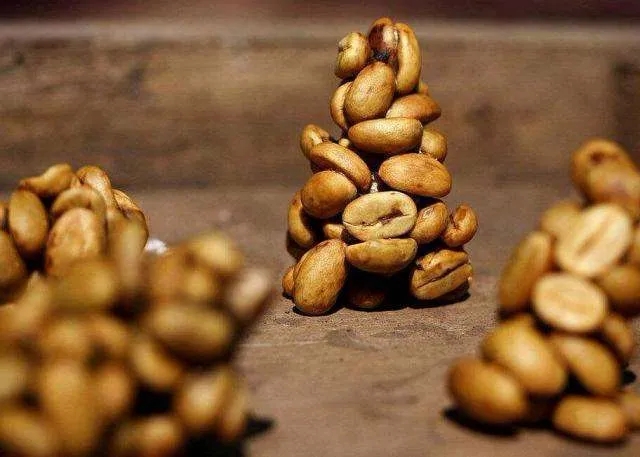
FrontStreet Coffee believes there is nothing wrong with the natural formation of Civet Coffee itself. Civets use their noses to identify mature coffee cherries, and Ethiopian red cherry coffee is likewise harvested from fully mature fruit - the principle is the same. The problem lies with the people who cage the civets.
They force the animals to eat only coffee cherries, ripe or unripe, purely to increase the production of Civet Coffee, which leads to the cruel practices that no longer belong to the category of coffee we discuss.
The Indonesian Civet Coffee beans introduced by FrontStreet Coffee are pure Arabica varieties. Local farmers collect the droppings, clean them and then sort them by variety. Both the flavour and the body of Arabica are higher than those of Robusta beans.
Because Indonesian Civet Coffee beans undergo internal animal fermentation, they possess a special herbal aroma and excellent body, which is why they are a favourite among the wealthy. Its price is very expensive, it must be said, but an expensive price does not necessarily mean the bean quality is excellent.
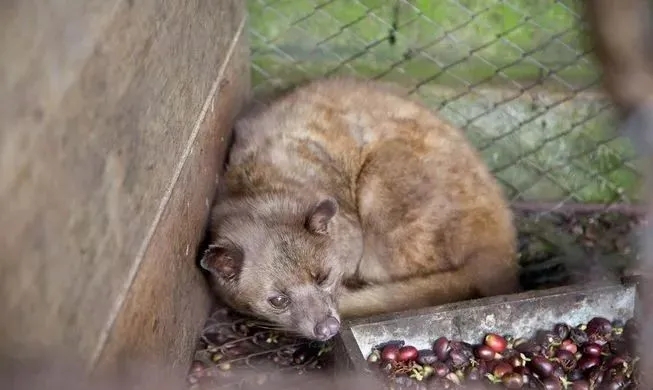
FrontStreet Coffee would also like to share one more piece of knowledge: internally fermented coffee beans are not limited to Civet Coffee. There is also South American Wattled Jacu coffee, Indian monkey coffee and Sri Lankan elephant coffee - all fermented inside animals.
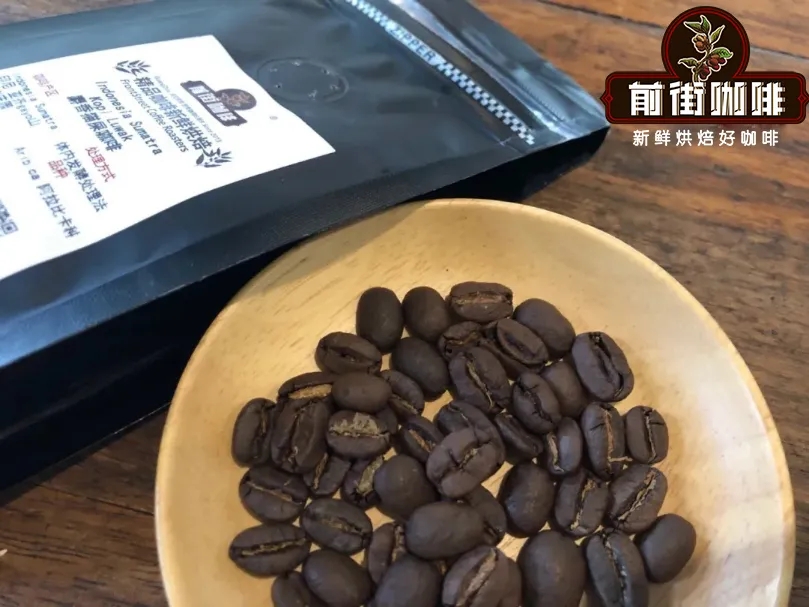
FrontStreet Coffee - Indonesian Civet Coffee beans
Origin: Indonesia, Sumatra
Variety: Timtim, Typica, Catimor
Processing Method: Internal Fermentation
FrontStreet Coffee - Indonesian Civet Coffee beans Brewing Experience
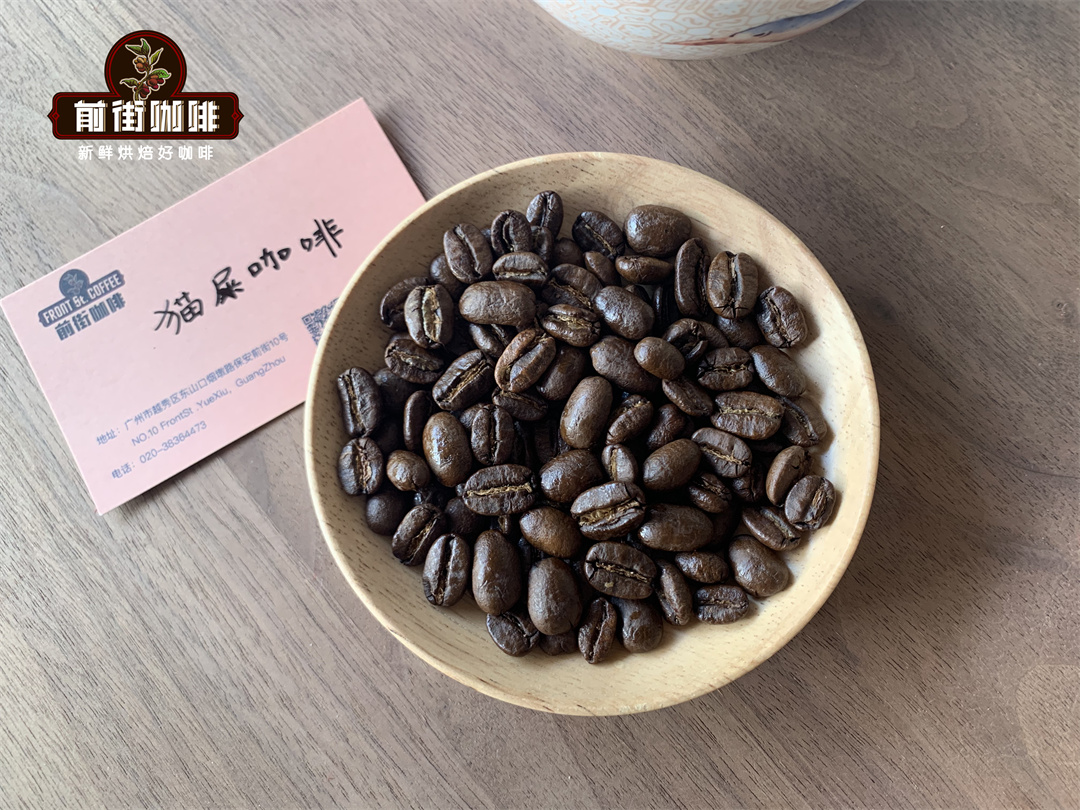
FrontStreet Coffee's Indonesian Civet Coffee beans are medium-dark roasted, and the brewed coffee has a smooth mouthfeel. To highlight the herbal and nutty flavours of Civet Coffee beans, FrontStreet uses a KONO dripper in the following process.
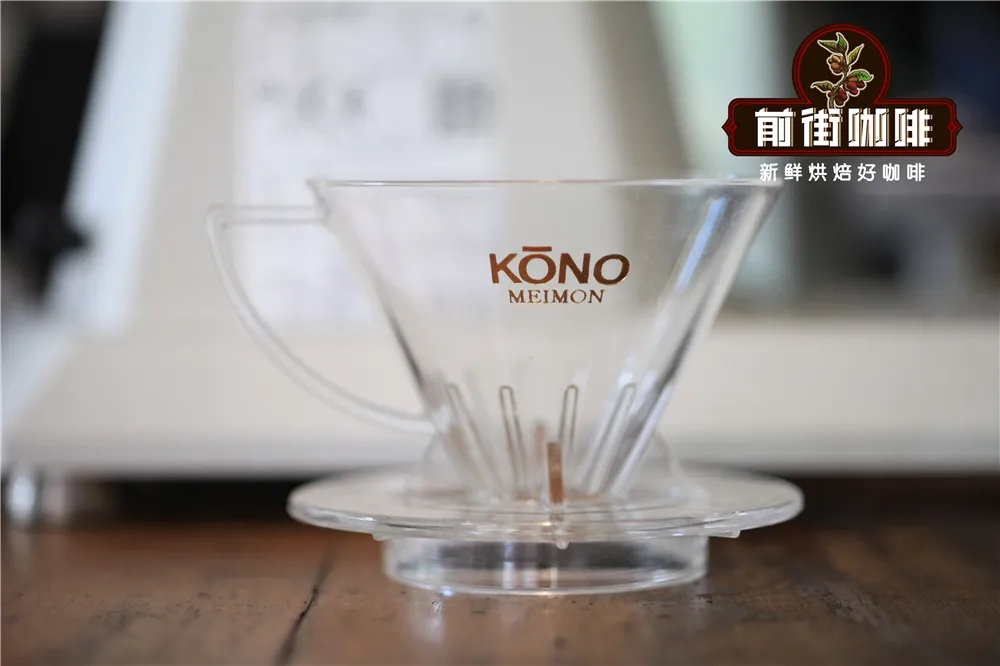
The KONO dripper brings out a rounder, richer body with a more direct expression of flavour. Its exhaust effect is relatively poor, however, because its ribs are straight and extend only one quarter of the dripper's depth. Above that one-quarter point the surface seals tightly against the cup wall.
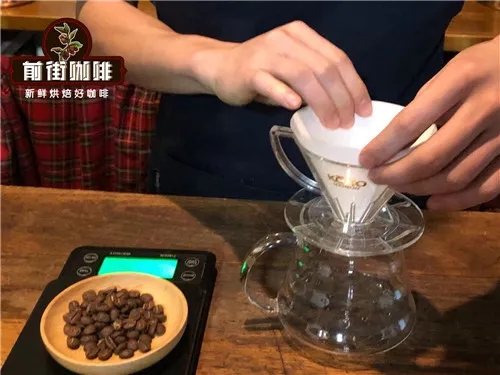
The reason FrontStreet chooses the KONO dripper for these medium-dark roasted beans is that the only exhaust area is those one-quarter ribs. Once the water level rises above the rib area, the volume of water in the dripper keeps increasing and creates pressure through its own weight. Because the outlet is relatively small, this extends the contact time between coffee particles and water, and as the flow carries substances away it extracts soluble components more effectively, achieving the high body we are after.
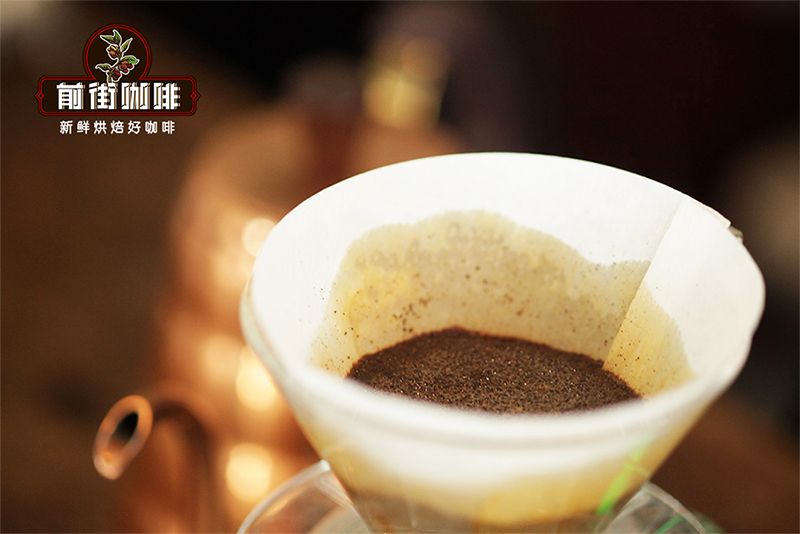
FrontStreet Coffee wants to express the herbal flavour and rich body of Indonesian Civet Coffee beans as fully as possible, so during roasting these beans are taken to a medium-dark roast.
Medium-dark roasted beans generally lose a higher proportion of weight, which makes them lighter. During brewing the grounds do not sink completely to the bottom, so they absorb water the moment it is first poured. Vigorous degassing forms bubbles around the grounds and creates channels, and those channels last longer with fresher beans, causing the water level to drop faster. FrontStreet therefore tends to use a coarser stream and a slow circular pour when brewing medium-dark roasted Indonesian Civet Coffee beans.
FrontStreet Coffee - Indonesian Civet Coffee beans Brewing Method
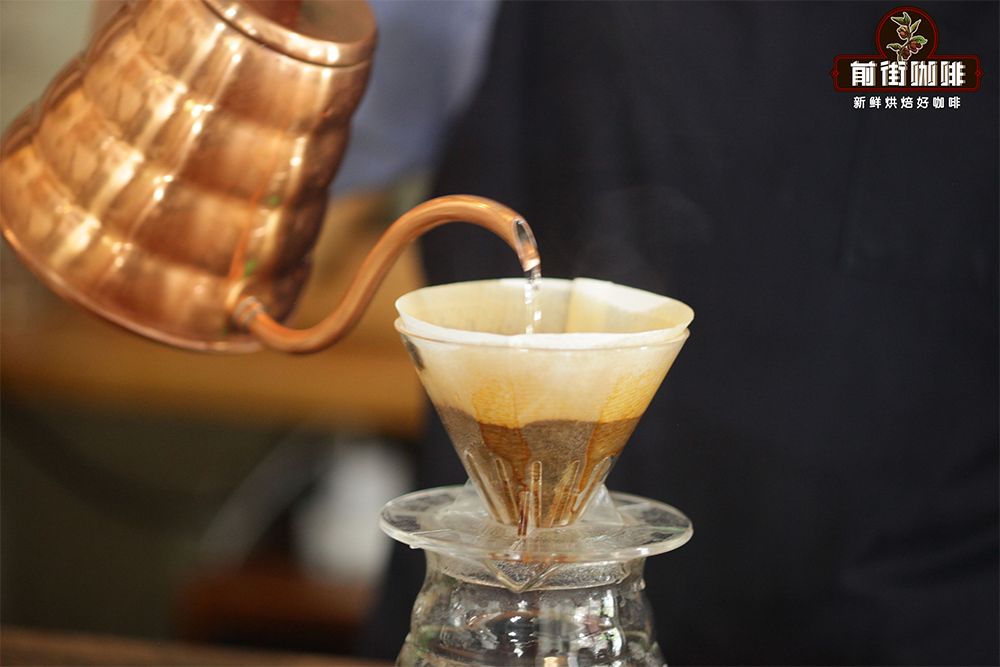
Brewing Parameters:
Water Temperature: 86-87°C
Grind Size: Medium-coarse grind (68% retention on a China #20 standard sieve)
Coffee-to-Water Ratio: 1:15
Use 30 g of water for a 30-second bloom. When adding water in a small circular motion to 125 g, make the first break. Continue pouring to 225 g as the water level is about to expose the coffee bed, then stop. When the water level is again about to expose the bed, remove the dripper (timing starts from the bloom). Extraction time: 2'00".

FrontStreet Coffee - Indonesian Civet Coffee beans Flavor Description
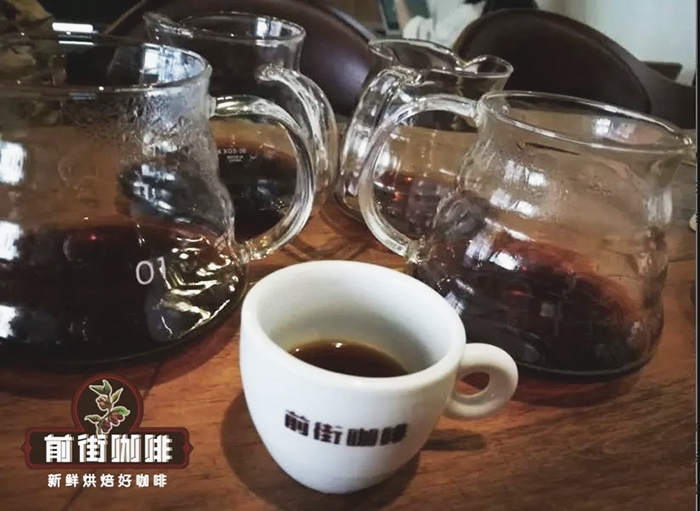
Herbal, nutty, dark chocolate, smooth mouthfeel, rich body.
FrontStreet Coffee - Indonesian Civet Coffee beans Extended Reading
FrontStreet Coffee believes there is nothing wrong with the natural formation of Indonesian Civet Coffee beans itself. Civets use their noses to identify mature coffee cherries, and Ethiopian red cherry coffee beans are likewise harvested from fully mature fruit - the principle is the same.
The origin of Indonesian Civet Coffee beans, however, has been exploited as a gimmick. Most civets today are kept in cages, and those who cage them force the animals to eat coffee cherries whether ripe or not, purely to increase production, which leads to the cruel practices that no longer belong to the category of coffee we discuss.
This extremely expensive coffee has nothing to do with the climate and altitude where it grows, nor with the genetics of the coffee tree, but comes entirely from its special processing method: civets eat the coffee cherries, which ferment in the digestive system and are then excreted with the faeces.

For more coffee bean information, look for FrontStreet Coffee.
For professional coffee knowledge exchange, look for FrontStreet Coffee.
FrontStreet Coffee Recommendation
If the appeal of Indonesian coffee for you is that dense, herbal, full-bodied character rather than the novelty of how it was processed, Sumatra has a far more straightforward answer: Mandheling. Mandheling refers to Arabica from Sumatra, and it is made mainly with the local wet-hulled method - the wet-hulling process strips the parchment while the bean is still half-dry, half-moist, which leaves the green bean fully exposed to the air as it finishes drying and gives the coffee its characteristic herbal and spice notes.
FrontStreet Coffee's Mandheling comes from the Toba Lake area of the Lintong region. To express the classic Mandheling profile it is roasted medium-dark, giving a low-acid, full-bodied cup with rich aromas of caramel, dark chocolate and toasted bread and a long, sweet finish. It is an excellent choice for anyone who prefers a heavier cup.
At the top of the range is FrontStreet Coffee's PWN Golden Mandheling. PWN is a trading company that buys up premium local Mandheling lots, so it deals only in specialty-grade Mandheling, and "Golden Mandheling" is its flagship. Production follows strict standards for screening out defects, starting from measurements of bean density, size, shape and colour, and the beans are sorted to remove defective ones so that what remains is whole, even, large and translucent, with the muddy and grassy notes of Mandheling reduced. Freshly roasted, FrontStreet's PWN Golden Mandheling gives sandalwood, herbal, spice, roasted hazelnut, caramel and dark chocolate flavours, with a clean finish, a sweet, dense body and a rich, layered aroma.
Important Notice :
FrontStreet Coffee is a long-established specialty coffee roaster in Guangzhou China, selling freshly roasted beans from its own farm in Yunnan as well as dozens of carefully selected single-origin beans from around the world for both pour-over and espresso. The products deliver consistently excellent quality and great value, with shipping within 24 hours. Guangzhou's FrontStreet Coffee shop is recommended by many coffee lovers, and the beans are now available online at the Tmall 。
FrontStreet Coffee has moved to a new address:
FrontStreet Coffee Address: 315,Donghua East Road,GuangZhou
Tel:020 38364473
 Scan and follow the En Gafei WeChat official account. Please indicate that the reprint comes from "En Gafei".