What Makes Burundi Specialty Coffee Unique & What Roast is Suitable for Burundi Coffee Beans
Burundi coffee is often called the Cinderella story of the coffee world: recognition for its quality and flavour has only come recently. When coffee was first cultivated in Burundi in the early 1960s, the crop was unfortunately never fully exploited, and the country's output fed the world of generic commodity coffee. Burundi's story is really a story about how coffee develops and evolves.
Its distinctive flavour sets Burundi apart among African coffees. This smooth, balanced cup features bright pomegranate notes and finishes with clean sugarcane undertones. If you have not tried Burundi coffee and would like to, you can find your preferred Burundi coffee in FrontStreet Coffee's specialty selection.
When brewing Burundi coffee, we recommend the Kono pour-over dripper.
Pour-over takes more preparation time and equipment, but the difference in the cup is significant: more florals, more delicate flavours. A French press may be easier, and immersion methods like the Chemex will still give you a distinctive, delicious cup that a French press cannot quite match.
Burundi Coffee Roasting
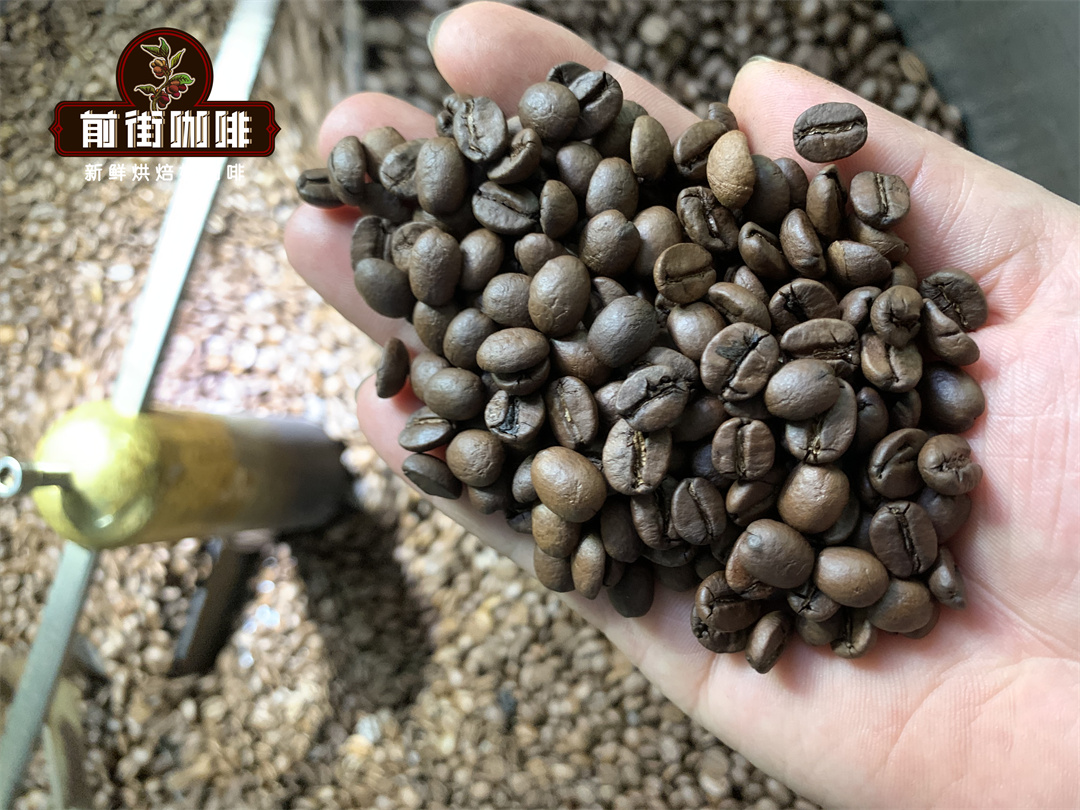
The delicate flavours and the balance of this coffee suit a medium roast — enough to draw out the aromatics without burying them under a dark roast or an espresso-style preparation. Buying fresh coffee from a professional craft roaster that imports green beans means you will taste the coffee at its best within days of roasting. Burundi is best enjoyed as a single-origin experience, but its distinctive character also makes it an excellent addition to a blend.
Quick Burundi Coffee Facts
750k – Number of families who depend on coffee as their primary source of income
80% – Burundi's export revenue comes from coffee
Early 1960s – Coffee was first cultivated in Burundi
FrontStreet Coffee Recommendation
Coffees from Burundi and its northern neighbour share a family resemblance, so FrontStreet Washed Yirgacheffe is a good place to start if you want to explore the region's bright, tea-like style. As an entry-level Ethiopian specialty coffee, it delivers a clear jasmine aroma and a bright citrus acidity. Yirgacheffe is a small town in southern Ethiopia, mild all year round, misty, cool and damp, where thousands of coffee trees flourish and produce the characteristic weave of florals and fruit acidity: light, elegant, with a tea-like body that drinks like a clean, refreshing lemon tea.
FrontStreet Yirgacheffe Gotitty Cooperative takes that style a step further. Most Ethiopian coffee is grown in a garden system, with smallholders delivering cherry to a village-level washing station and selling under the station's name — which is why you see cooperative coffees of every size. Gotitty sits at the southeastern end of Yirgacheffe in the Worka area and began as part of the Worka cooperative under the Yirgacheffe union YCFCU; in 2012, with roughly 300 member farmers, it stood up as an independent cooperative. Because the pulp is stripped before drying, the bean's own aromatics come through more clearly: citrus and lemon, elegant white florals, a bright and refined cup overall.
FrontStreet Sun-Dried Red Cherry offers the natural-process contrast. Here the cherries are first sorted to remove damaged or mouldy fruit, then dried in the sun for two weeks until the sugars and essence of the fruit sink into the bean and moisture content falls to 12%. The hardened pulp, mucilage and parchment are then milled away, and the beans go through density and colour sorting, with any defects hand-picked out. The result is a clean, refined cup with a rich, attractive fruit aroma and notes of peach, cocoa, honey and lemon.
If you prefer immersion brewing for these African lots, a French press works well: use a coarse grind the texture of raw sugar, a 1:15 ratio such as 15 grams of coffee to 225 grams of water (roughly 1.1-1.2% strength in the cup), and water around 90°C — about 1-2°C hotter than usual pour-over, since an immersion brew has no agitation to help extraction along. Stir gently, fit the plunger without pressing, wait 4 minutes, then press slowly to the bottom and pour carefully to avoid disturbing the sediment.
Important Notice :
FrontStreet Coffee is a long-established specialty coffee roaster in Guangzhou China, selling freshly roasted beans from its own farm in Yunnan as well as dozens of carefully selected single-origin beans from around the world for both pour-over and espresso. The products deliver consistently excellent quality and great value, with shipping within 24 hours. Guangzhou's FrontStreet Coffee shop is recommended by many coffee lovers, and the beans are now available online at the Tmall 。
FrontStreet Coffee has moved to a new address:
FrontStreet Coffee Address: 315,Donghua East Road,GuangZhou
Tel:020 38364473
 Scan and follow the En Gafei WeChat official account. Please indicate that the reprint comes from "En Gafei".