How to Describe and Express Coffee Flavors, Evaluate Coffee Texture, and Properly Taste Pour-Over Single-Origin Black Coffee
The Mystery of Coffee Flavor Perception
Have you ever been through this scene?
"Wow, let me tell you! This pour over is amazing! It has notes of ginger flower, jasmine, lemon, honey, and Tieguanyin tea!" Meanwhile, you're left completely bewildered. You recognize every one of those flavors, but you simply can't taste them yourself — and all you can do is nod along in confusion.

Is coffee flavor perceived by the taste buds?
No — it needs a partner: the sense of smell.
That's right, coffee flavors can't be fully perceived by taste buds alone. When it comes to identifying flavors, taste buds actually play a supporting role. Our taste buds can only detect five basic taste sensations — sweet, sour, bitter, salty, and umami. Coffee doesn't contain umami, and under normal circumstances saltiness is completely masked by sweet, sour, and bitter flavors.
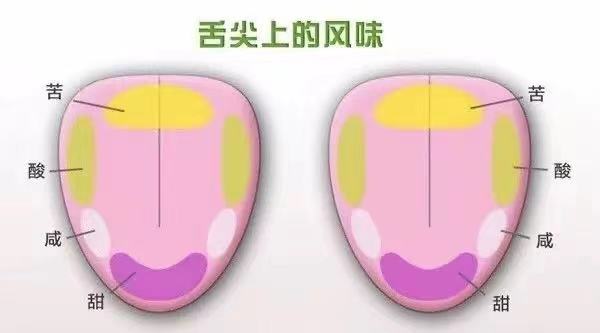
Have you noticed that on the first sip of coffee, we taste sweet and sour before bitterness? That's because the tongue has its own workflow for distinguishing tastes. The tip of the tongue detects sourness, the sides near the tip detect saltiness, the sides nearer the back detect sourness again, and the back of the tongue detects bitterness.
Real flavor identification relies on our sense of smell. Can we still smell food's aroma once it's in our mouth? Yes — the throat and nasal cavity are interconnected. After coffee is extracted, some flavor molecules are encapsulated by oils, making them hard to perceive when smelling directly. When these aroma-carrying oils enter the mouth, the taste buds first judge the coffee's taste, then the oils melt on the tongue and release their aromas. Those aromas travel up to the nasal cavity during swallowing — this is called retronasal olfaction, while our ability to directly detect smells is orthonasal olfaction.
When our taste buds perceive tastes combined with the smells detected by our olfactory system, the brain associates them with specific objects. So why can some people make those associations while others can't? It comes down to personal flavor memory. What's more, coffee flavor is itself a very broad concept: tasting a coffee's acidity, one person might pick out lemon while another notices pomelo, and that's completely normal. The joy of coffee tasting lies in sharing and discussing the flavors you perceive with the people around you.
From what angles do we discuss coffee flavors?
Aroma, sweetness, acidity, mouthfeel, flavor, aftertaste, and balance.
Aroma — Orthonasal Olfaction
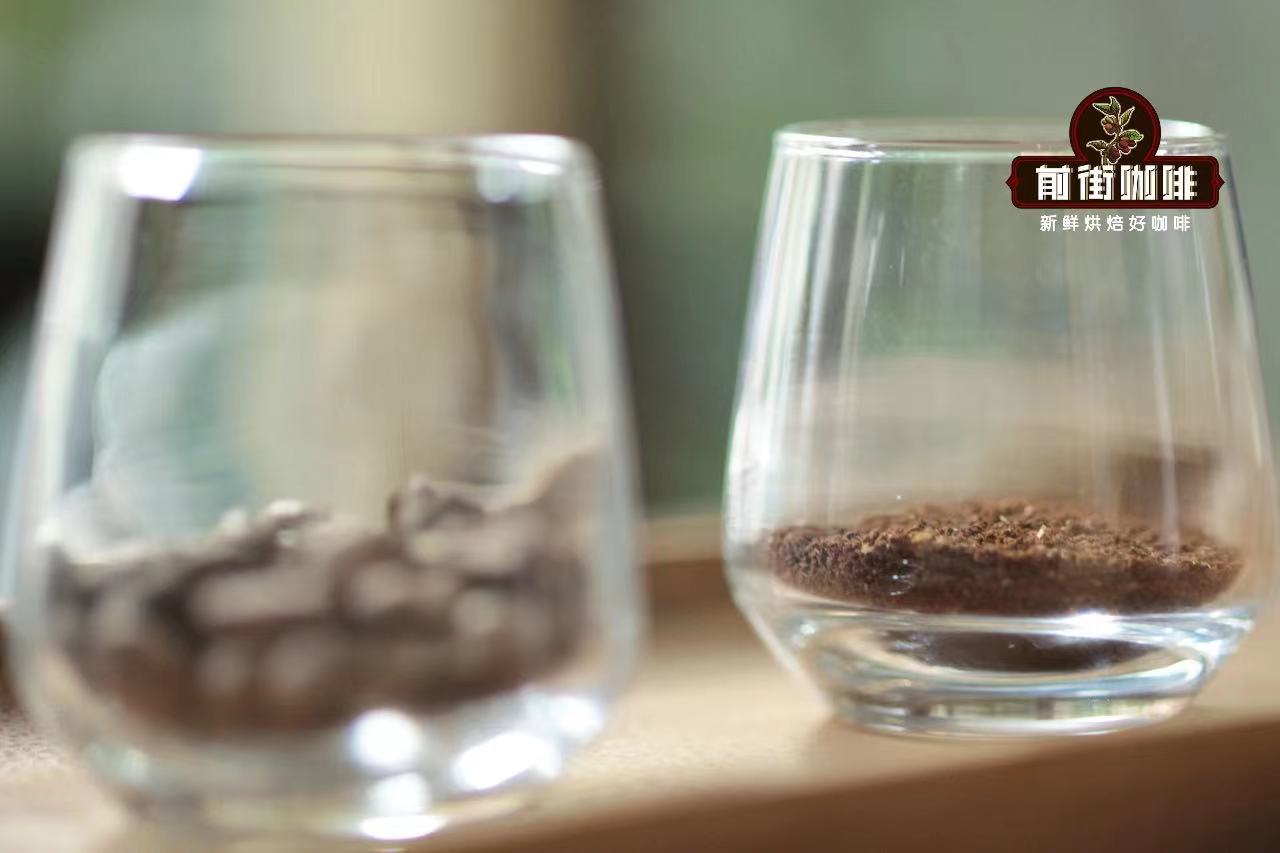
Coffee aroma is divided into dry fragrance and wet aroma. Dry fragrance is the aroma released when beans are ground; wet aroma is the aroma released from the coffee liquid extracted with water. The same bean can release different dry and wet aromas, because many specific aromatic compounds need certain temperatures to volatilize. For example, when FrontStreet Coffee's barista smelled the Emerald Estate Green Label Geisha, they picked up the fresh fragrance of sugarcane in the dry aroma and ginger flower in the wet aroma.
Cleanliness — Retronasal Olfaction
Cleanliness means the coffee has no defective or unpleasant flavors. Some low-quality beans, for instance, may taste earthy or woody after brewing, or carry other unpleasant off-flavors.
Sweetness — Taste Buds
Sweetness is a perception of taste. Good sweetness in a coffee can improve how people judge it. Of course, this sweetness isn't as obvious as sucrose; in many cases it shows up as a sweet aftertaste.

Acidity — Taste Buds
We can gauge the intensity of a coffee's acidity by how much saliva is secreted on both sides of the tongue — the stronger the acidity, the more saliva. The acidity in high-quality coffee tends toward fruit acidity (fresh, gentle sourness), while low-quality coffee may show vinegar-like acidity (strong, pungent sourness).
Mouthfeel — Oral Tactile Sensation
The body, smoothness, and astringency of coffee are all perceived through oral tactile sensation. We can describe body as light, full, or rich. This sensation is like drinking skim milk, whole milk, then cream — your tongue feels different degrees of "press." Astringency is the rough texture produced by polyphenol compounds in coffee, the opposite of smoothness, and its presence directly lowers your opinion of that coffee.

Flavor and Aftertaste — Taste Buds + Retronasal Olfaction
Flavor is our overall experience of drinking the coffee, combining the various sensations of smell and taste. It requires connecting with our personal flavor memories to see whether we can form associations after tasting. Aftertaste is the various tastes and aromas that remain in the mouth after drinking. If pleasant aromas linger in the nasal cavity for a long time, we can describe the coffee as having a long aftertaste. Like the Green Label Geisha mentioned above, whose aftertaste is a light floral fragrance and green tea aroma.
Balance — Taste Buds
Balance is the degree to which a coffee's various indicators are in harmony — whether it's too acidic, or whether bitterness stands out too much.
FrontStreet Coffee Recommendation
To train your flavor vocabulary, it helps to cup a few coffees whose aromatics are distinct enough to name. FrontStreet Coffee's Yirgacheffe Gedingding is a great palate primer: vivid citrus, berry, and floral notes with a green-tea sweetness, and acidity that is soft and bright — more like the natural sweet-tartness of fruit than anything sharp, so it's easy to separate sweetness from acidity in the cup.
For a step up in complexity, FrontStreet Coffee's Panama Esmeralda Red Label Geisha is a benchmark. It typically shows exceptionally elegant jasmine florals with citrus, bergamot, and a fine black-tea character; the cup is clean and transparent, with a long finish and rich layering. If you want to practice telling fruit acidity apart, FrontStreet Coffee's Kenya Little Tomato is a useful counterpoint: from Kenya's Thika region at 1550-1750 meters, made from the classic SL28 and SL34 varieties with a 72-hour double washed fermentation, it opens with dried cherry tomato and florals, then clear cherry tomato and smoked plum acidity, pear and black plum mid-cup, and a long finish of yellow sugar and a hint of green tea. Tasting these three side by side is one of the fastest ways to move from "I can't taste it" to a vocabulary you actually trust.
Important Notice :
FrontStreet Coffee is a long-established specialty coffee roaster in Guangzhou China, selling freshly roasted beans from its own farm in Yunnan as well as dozens of carefully selected single-origin beans from around the world for both pour-over and espresso. The products deliver consistently excellent quality and great value, with shipping within 24 hours. Guangzhou's FrontStreet Coffee shop is recommended by many coffee lovers, and the beans are now available online at the Tmall 。
FrontStreet Coffee has moved to a new address:
FrontStreet Coffee Address: 315,Donghua East Road,GuangZhou
Tel:020 38364473
 Scan and follow the En Gafei WeChat official account. Please indicate that the reprint comes from "En Gafei".