Essential Guide for Coffee Beginners: How to Create Beautiful Latte Art with Illustrated Techniques
Does this sound familiar? You watch other baristas pour latte art as silky and smooth as melted chocolate — then your own turn comes, and it is a completely different story! Your milk foam is silky, your espresso crema is just right, but you freeze up when it is time to pour... More often than not, the culprit is uneven fusion between milk and coffee.
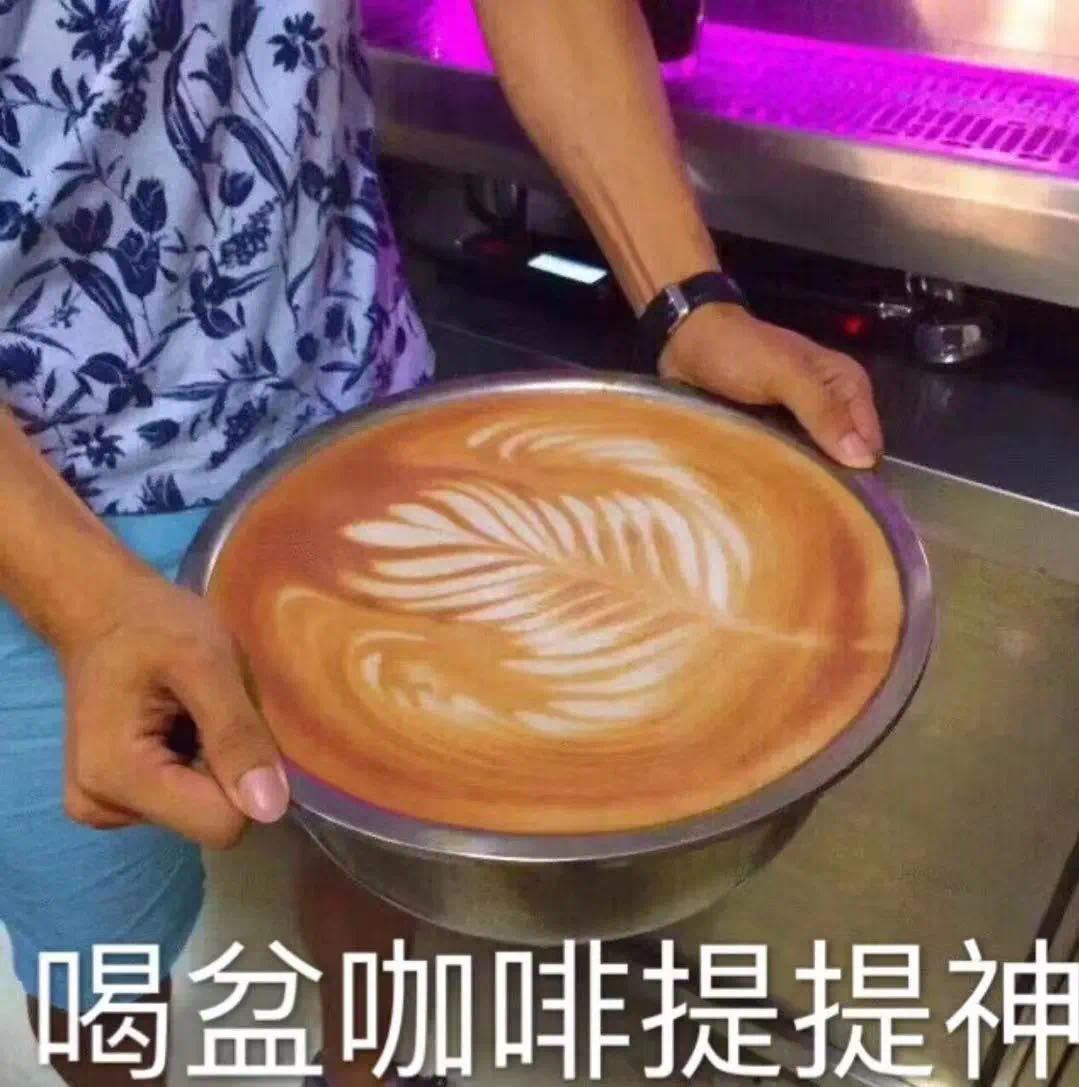
(With proper fusion, even a basin-sized latte art is possible)
The "Fusion" of Milk and Coffee
The fusion step affects not only how your latte art turns out, but also how the whole drink tastes. Picture milk and espresso that were never properly fused: from the first sip, the foam would taste strangely "layered" — suddenly bitter, then suddenly mild. And precisely because this step looks so simple, many people overlook it, swish the pitcher around a couple of times, and call it fusion.

(Left: Even fusion Right: Uneven fusion)
What Counts as "Even Fusion"
When milk and coffee are evenly fused, the drink shows a uniform color (a soft golden brown), the milk foam texture is fine and dense, and there are no stray bubbles around the edge of the latte art pattern. FrontStreet Coffee calls this ring of coffee the "golden circle."
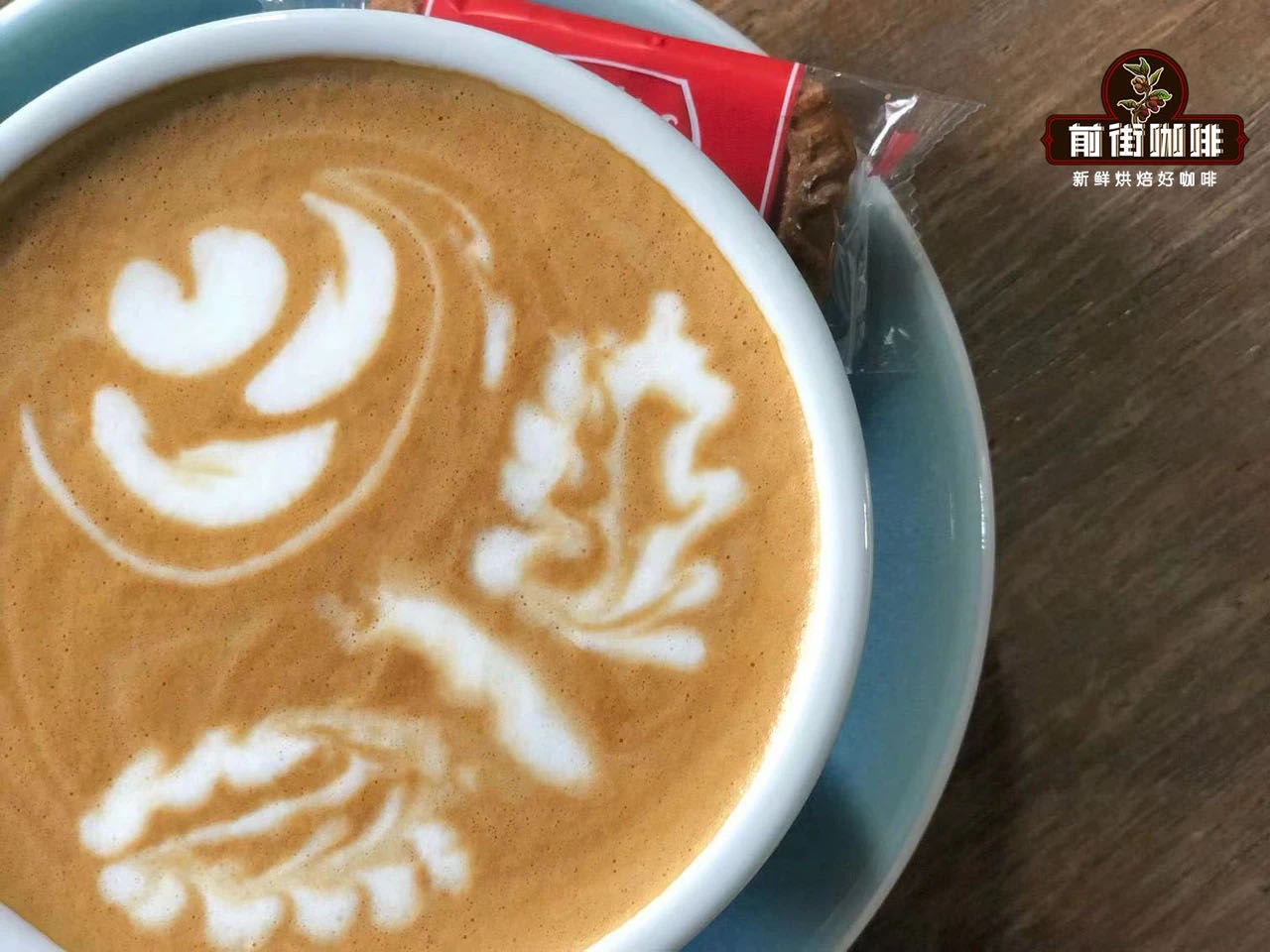
Even Fusion Isn't Difficult!
Grab a notebook and jot down these tips.
Moderate Espresso Crema Thickness
Espresso crema is not a case of the thicker the better: an overly rich crema makes it harder to fuse the milk evenly with the coffee. Of course, it cannot be too thin either — a thin crema cannot guide the foam's movement, and you may see the pattern "drift" in unexpected ways during the pour.
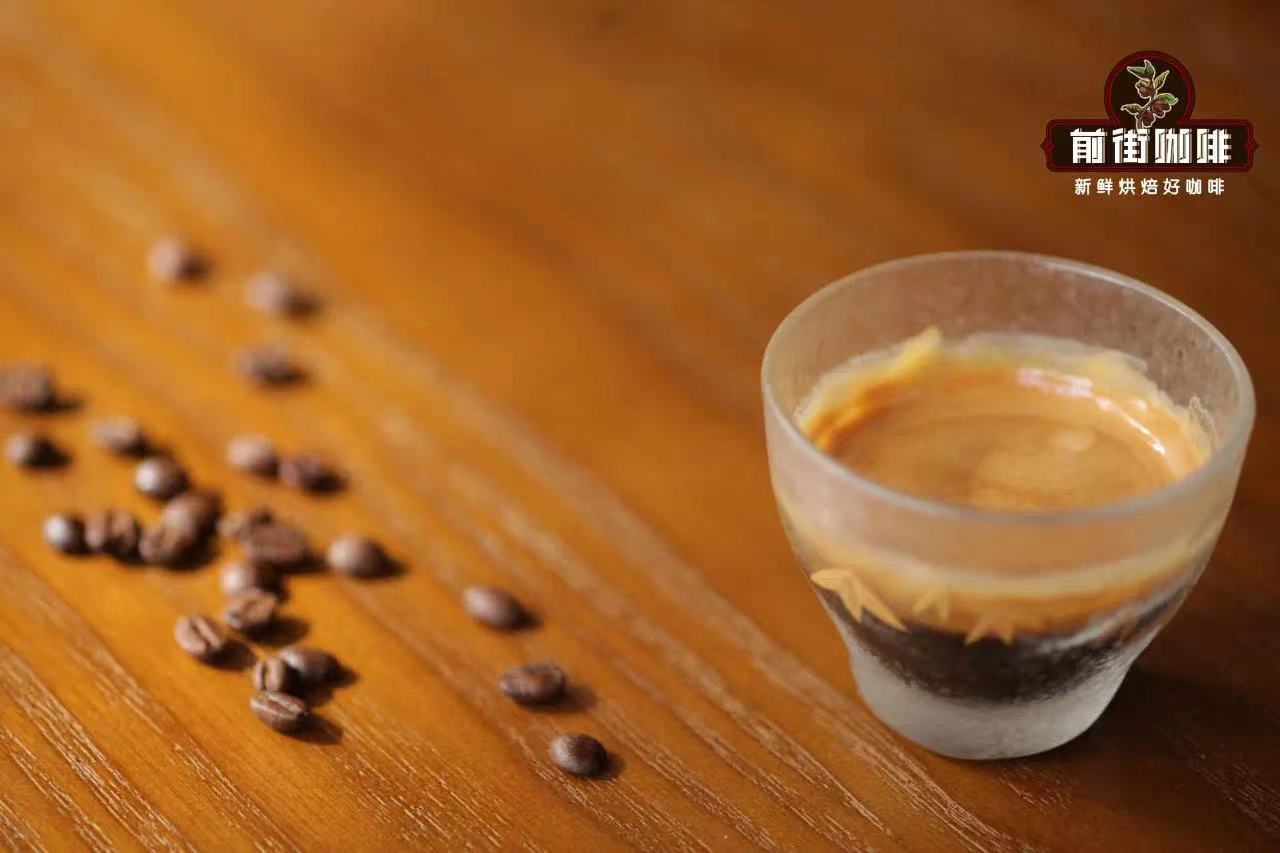
The ideal crema thickness for lattes is about 0.7cm — viscous and rich yet still fluid. Very fresh espresso beans carry a lot of carbon dioxide, which produces a relatively thick crema; stale beans have lost too much carbon dioxide to build enough crema, so it turns thin.
(A bit of science: crema exists because espresso is extracted under high pressure in a short time. At 9Bar of pressure in a sealed environment, carbon dioxide and water become supersaturated, while the coffee oils are emulsified and trap the carbon dioxide, carrying it out with the brewing liquid. Since the oils are lighter than water, the extracted coffee gradually separates, and the golden crema floats to the surface.)
Milk Foam Thickness & Fineness
The ideal milk foam thickness for lattes is 1cm. When steaming, stop aerating after 4-5 hissing sounds, then tilt the pitcher to 45 degrees to create a vortex that spins out the large bubbles. Properly frothed milk should look fine and glossy.
Swirl the Pitcher Before Fusion to Prevent Foam Separation
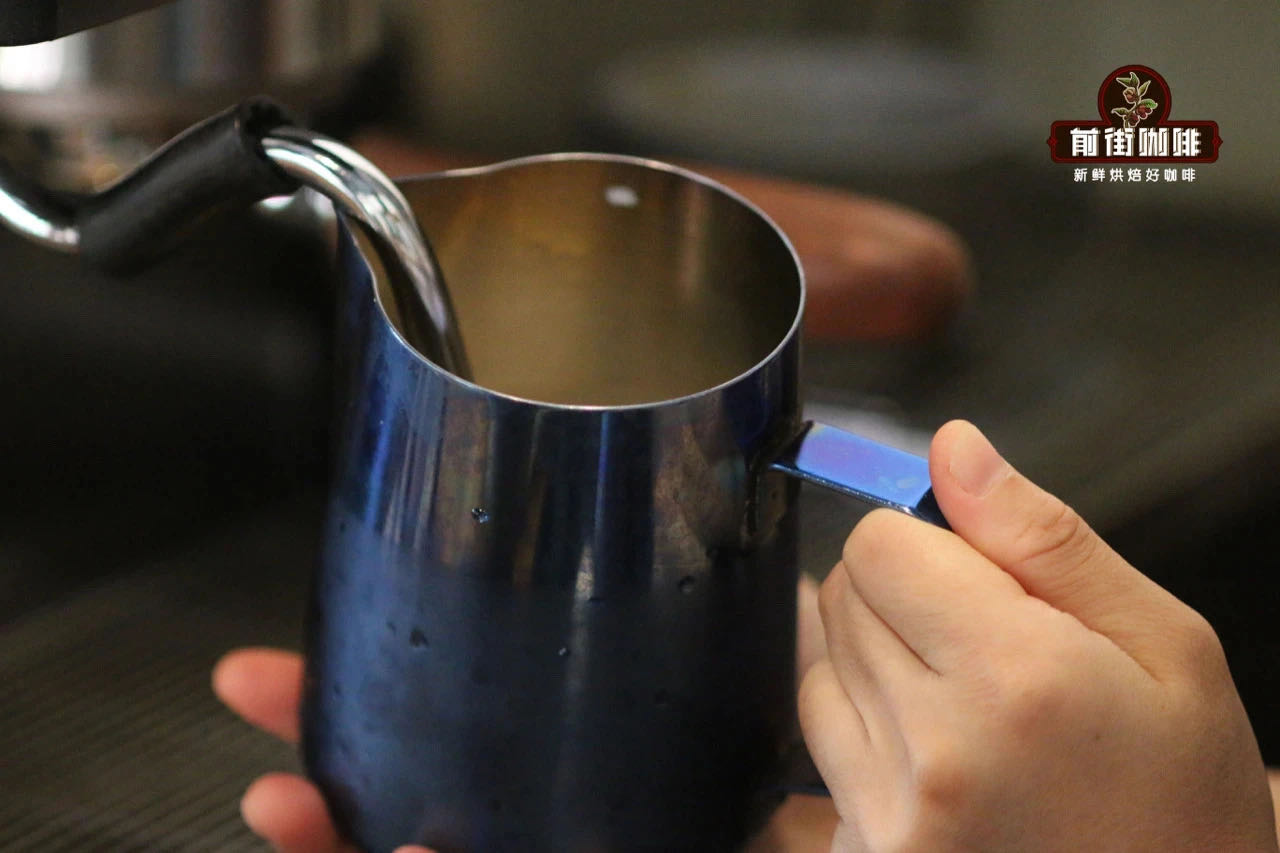
The moment steaming stops, foam and milk begin to separate. If you cannot pour immediately, find a pivot point on the counter and use your wrist to swirl the pitcher clockwise, keeping foam and milk evenly mixed. Pour while separated and only milk enters the cup while the foam rides on top — the foam will drop into the coffee in clumps instead of flowing in as smoothly as melted chocolate.
Direction of the Fusion Circles
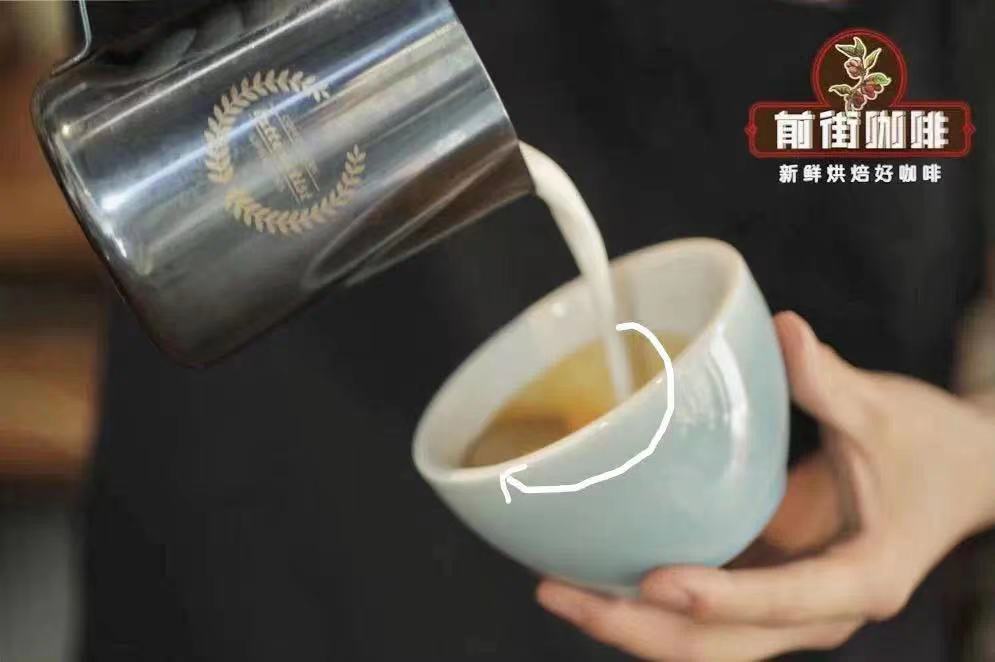
Yes, the direction matters too. The classic technique uses clockwise circles: hold the cup in your left hand and the pitcher in your right, and start circling from the 3 o'clock position toward 6 o'clock. You can move either the pitcher or the cup — just never rotate both at once! If the rhythm slips and milk and coffee "fight" each other, you will end up with a latte covered in large bubbles.
Height of the Milk Pour
During fusion, keep the pouring height around 5-8cm (fine-tune to your own setup). Pouring too low leaves a raft of foam floating on the surface and ruins the fusion; pouring too high creates impact that whips up bubbles of every size.
Milk Pour Speed
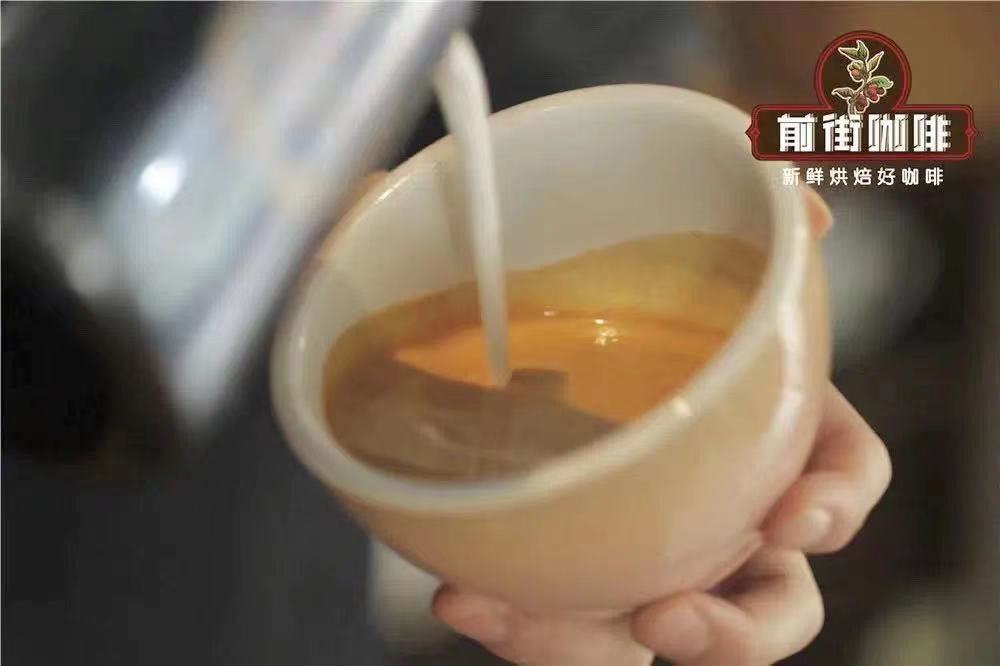
During fusion, the pour should be a touch finer than during pattern-pouring. The goal is to blend milk foam and coffee thoroughly without disturbing the cleanliness and color of the crema. Once you start forming the pattern, adjust the flow to suit the design so the foam can flow out and draw shapes.
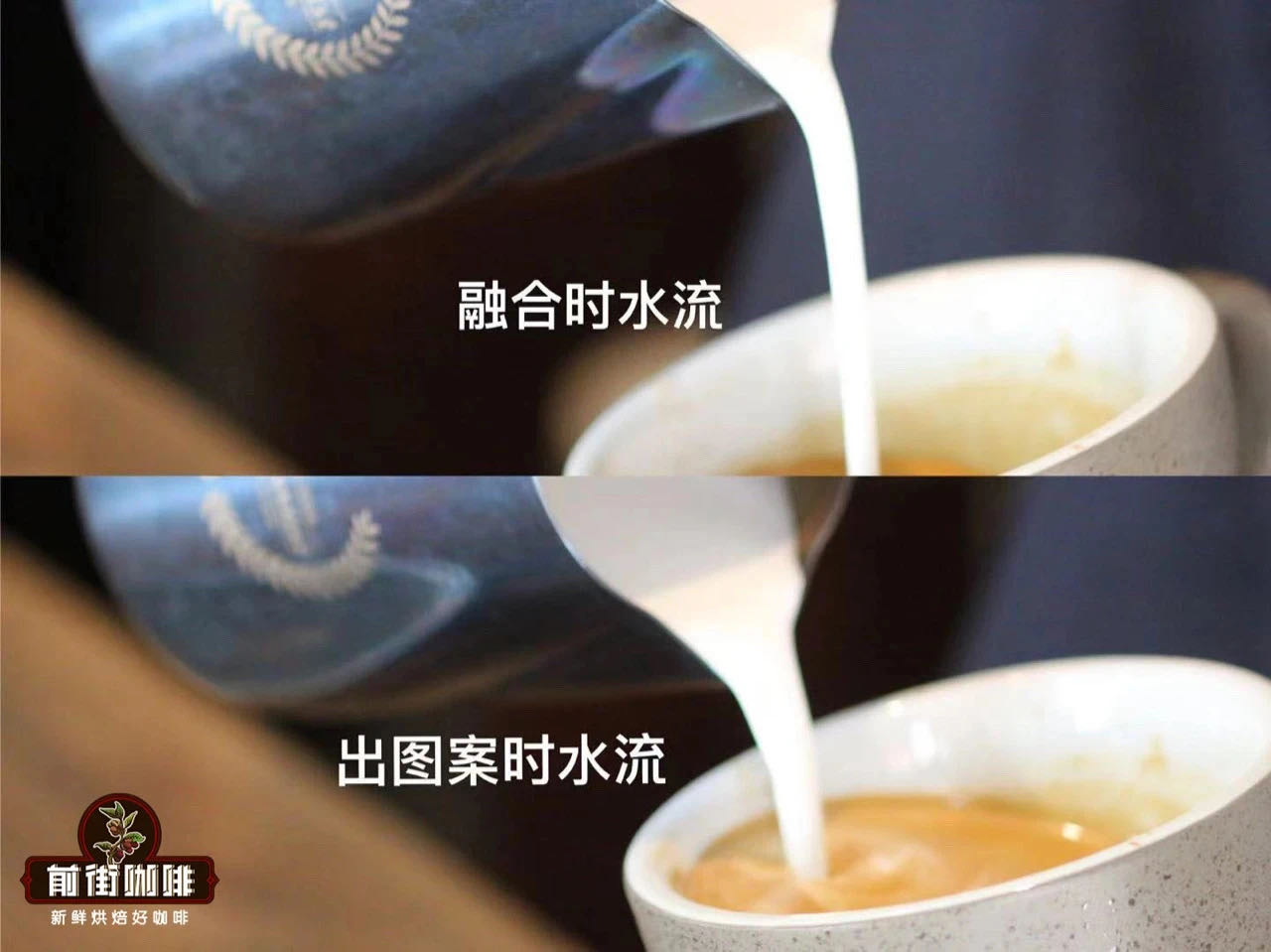
Amount of Milk for Fusion
How much milk you fuse in depends on the pattern. For basic shapes like a heart or a rosetta, fuse until the cup is 7/10 full, then lower the pitcher and start pouring the pattern.
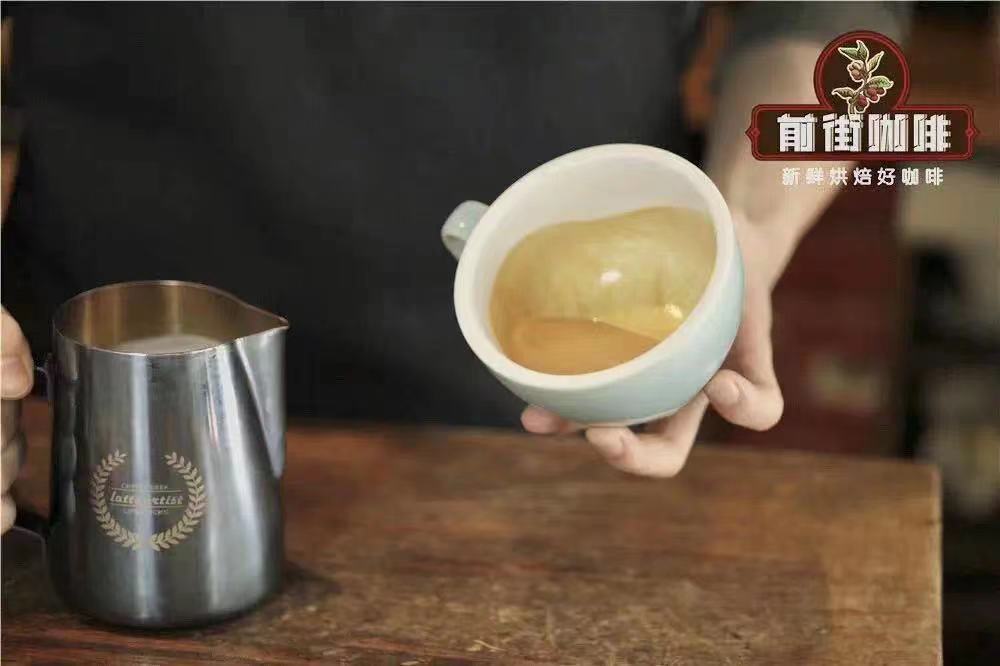
Size of the Circles
When circling for fusion, tilt the cup to 45 degrees and pour in an elliptical motion. Circle size should match the diameter of the coffee surface. FrontStreet Coffee suggests making the circles as large as possible without touching the cup walls.
FrontStreet Coffee Recommendation
FrontStreet Classic Blend (best for beginners learning latte art): a medium-dark espresso recipe built from three origins, inspired by the old-school "Mamba" formula of Mandheling and Brazil, with a touch of Robusta added for extra aroma and crema. Expect clear notes of butter, toasted bread, and caramel biscuits, a bold flavor with a solid body, fine and stable crema, and highly consistent extraction — an essential home bean for anyone starting out.
FrontStreet Premium Blend (rich nutty profile): also a medium-dark espresso bean, pairing Colombian washed coffee with Brazilian pulped natural. It shows nuts, dark chocolate, and caramel in straight espresso, and in milk drinks like lattes and flat whites it brings out smooth cream, almond, and cocoa aromas. The crema easily matches what you would get at a coffee shop — more than enough for practicing latte art at home or running a cafe.
Important Notice :
FrontStreet Coffee is a long-established specialty coffee roaster in Guangzhou China, selling freshly roasted beans from its own farm in Yunnan as well as dozens of carefully selected single-origin beans from around the world for both pour-over and espresso. The products deliver consistently excellent quality and great value, with shipping within 24 hours. Guangzhou's FrontStreet Coffee shop is recommended by many coffee lovers, and the beans are now available online at the Tmall 。
FrontStreet Coffee has moved to a new address:
FrontStreet Coffee Address: 315,Donghua East Road,GuangZhou
Tel:020 38364473
 Scan and follow the En Gafei WeChat official account. Please indicate that the reprint comes from "En Gafei".