Essential Details for High-Quality Coffee: Key Factors That Influence Coffee Excellence

Coffee has become an indispensable part of life for most people, from instant coffee and espresso to the many brewing devices and pour-over methods popular today. Specialty coffee, in particular, has become a favorite among modern coffee drinks.
However these coffees are presented, though, the quality of the coffee itself cannot be overlooked. To have a high-quality cup, the following key elements cannot be ignored. FrontStreet Coffee is here today to detail them.

Cleanliness of Equipment
The simplest way to improve coffee quality is to clean your brewing equipment. Natural coffee oils and fine coffee particles that accumulate on equipment can transfer burnt, bitter and sour flavors from the dirty gear to fresh coffee. Don't cook food in a dirty pot, and don't brew coffee in a dirty coffee maker.
Freshness of Coffee Beans
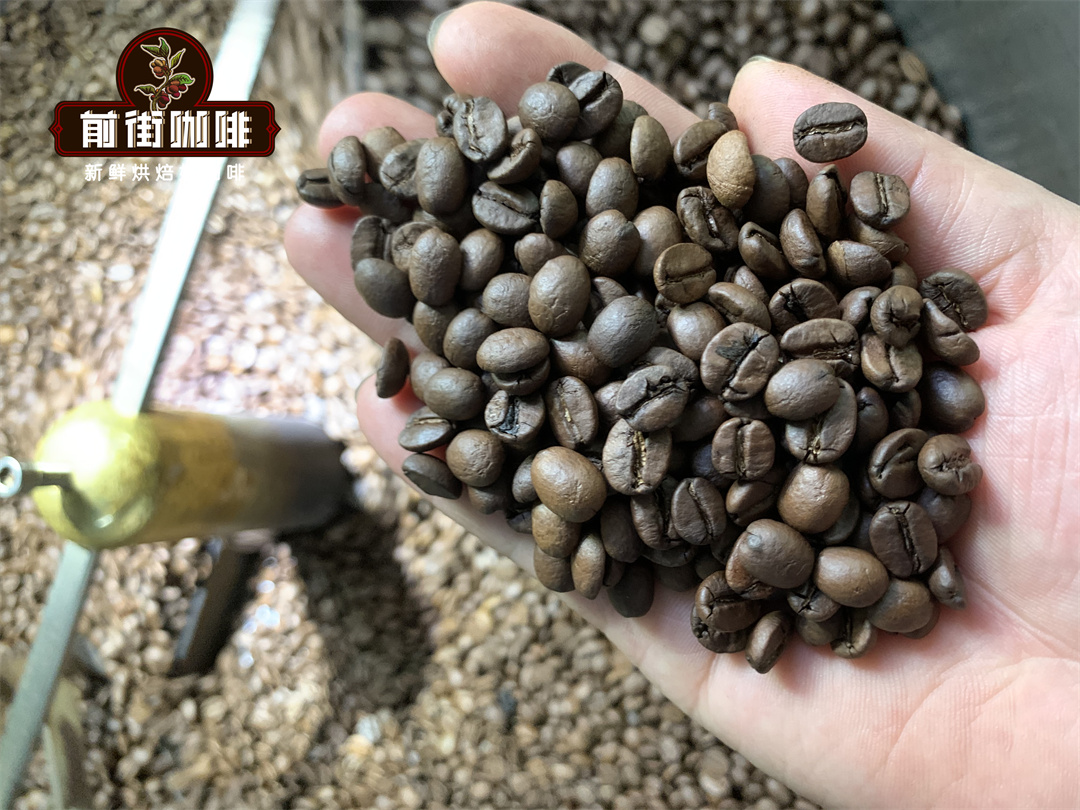
Roasted coffee is highly perishable and must be handled carefully and stored properly. Whole bean coffee can maintain optimal freshness for up to 2 weeks, while ground coffee holds its best quality for less than 1 hour in the surrounding environment.
The increased surface area of ground coffee accelerates the rate of deterioration. Store coffee in a cool, dry place away from light, heat, moisture and strong odors to maintain quality. Grind immediately before brewing in a burr grinder to preserve flavor and aroma. Stale coffee loses aroma and sweetness and tastes malty, papery and mild.

Coffee Grinding
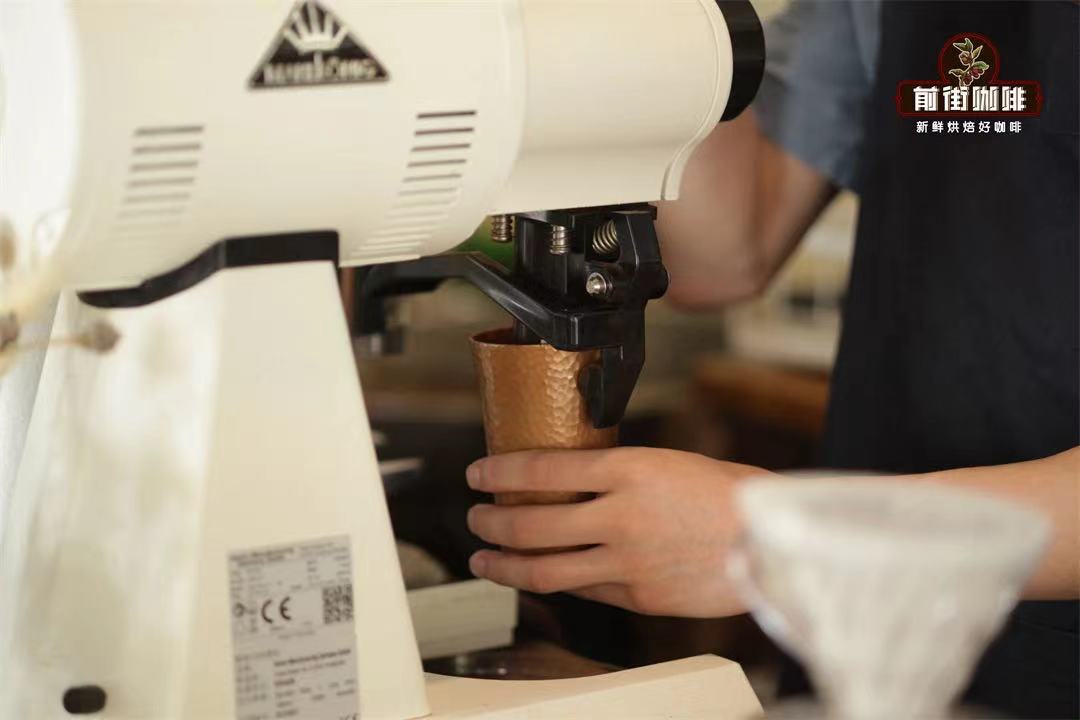
Grinding coffee reduces particle size and increases surface area, and it plays a major role in developing aroma and flavor during brewing.
The grind size must match the brewing method and depends on the length of the brewing cycle. Short brewing times, such as espresso and pour-over, require a fine grind for rapid extraction, while French presses and immersion brewers have longer cycles and require a coarser grind because of the longer contact time. Burr grinders produce more uniform particles than rotary blade grinders, which yields a richer, more complex cup.

Drinking Time
Brewed coffee is highly perishable, and coffee experts recommend serving it immediately after preparation. Coffee kept in a glass pot should hold for only 30 minutes, or 60 minutes in a thermal carafe. Extended holding lets aroma dissipate, reducing the coffee's sweetness and acidity. Dissolved substances also continue to precipitate in the liquid, making the coffee taste flat and heavy-bodied, with more sourness and bitterness.

Water Quality Is Crucial
Water accounts for 98%~99% of coffee, so the water used for brewing must be neutral, tasteless, at an appropriate temperature and measured precisely.
Suitable brewing water must be free of any off-flavors. The Specialty Coffee Association of America (SCAA) recommends that total dissolved solids in brewing water fall between 50-100 ppm, be free of iron, colorless, tasteless and free of sediment, with a pH between 6.5-7.5.

Water temperature is particularly important in specialty coffee brewing. Hot water at 92°C~96°C is needed to fully extract the appealing taste and aroma from coffee. Water that is too cold cannot extract enough, while water that is too hot will scorch the surface of the coffee grounds, making the cup taste flat and bitter.

The amount of water directly determines the ratio of water to coffee grounds. For drip coffee, the ratio should be 64 ounces of water with 3.25-4.25 ounces of freshly ground coffee, the "golden ratio" for drip coffee. This ratio, combined with appropriate water temperature and purity, can extract 18%~22% of the soluble substances from coffee, keeping the total dissolved solids in the cup between 1150-1350 TDS.
FrontStreet Coffee Recommendation
Once your gear is clean, your beans are fresh and your water is right, the remaining variable is the coffee itself, and FrontStreet's light-roasted Ethiopian lots reward that care. FrontStreet Yirgacheffe Gudingding Cooperative, a washed G1, shows jasmine florals, bright citrus and a green tea and honey finish, a clean cup that makes flaws in grind or water easy to spot. FrontStreet Ethiopia Huakui goes the other way, with tropical fruit aromas of strawberry, passion fruit and jackfruit and very low bitterness. FrontStreet brews this style of bean at 90-91°C with 15g at a 1:15 ratio in a V60, ground to fine granulated sugar so about 80% passes a No. 20 sieve, blooming with 30g for 30 seconds.
Important Notice :
FrontStreet Coffee is a long-established specialty coffee roaster in Guangzhou China, selling freshly roasted beans from its own farm in Yunnan as well as dozens of carefully selected single-origin beans from around the world for both pour-over and espresso. The products deliver consistently excellent quality and great value, with shipping within 24 hours. Guangzhou's FrontStreet Coffee shop is recommended by many coffee lovers, and the beans are now available online at the Tmall 。
FrontStreet Coffee has moved to a new address:
FrontStreet Coffee Address: 315,Donghua East Road,GuangZhou
Tel:020 38364473
 Scan and follow the En Gafei WeChat official account. Please indicate that the reprint comes from "En Gafei".