
Pour-Over Coffee Beginner's Guide: Common Coffee Grind Size Reference Chart and How to Use a Coffee Flour Sifter
"What's the right grind size for pour-over coffee?", "Why does the 10 setting on your grinder differ from the 10 setting on mine?", "Does 'sugar-sized' mean fine sugar, coarse sugar, or brown sugar?"... Are you still struggling to find the right grind for your brewing equipment? FrontStreet Coffee will walk you through finding the perfect coffee grind coarseness in this article! (Save it! Save it! Save this!!)

How Important is Coffee Grind Size?
At the same weight, the finer the grind, the more particles are cut, the greater the surface area, and the larger the area where water can contact the grounds. Conversely, the coarser the grind, the lower the coffee's concentration and extraction rate, the thinner the body, and the stronger the perceived acidity.
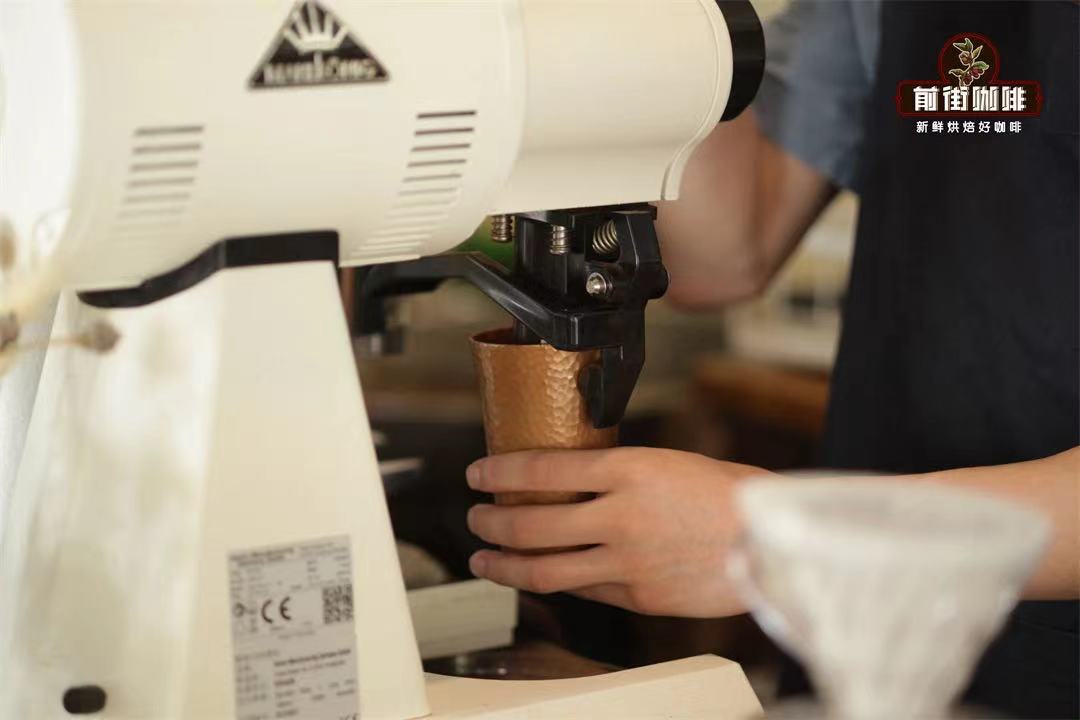
Different brewing methods require different grind sizes because they extract differently, and there is no unified standard for grinder settings. We therefore need a reliable measuring tool—the China Standard #20 sieve with a 0.85mm aperture, also known as the cupping calibration sieve or simply the coffee grounds sieve.
How to Use a Coffee Sieve to Determine Grind Coarseness?
Attentive readers might ask: why a cupping calibration sieve? Although the market offers many brewing methods with conflicting opinions on parameters, cupping is the recognized testing standard in the coffee industry. Cupping was initially used to evaluate green bean quality, but people gradually also use it to judge coffee flavor before settling on suitable brewing parameters. The grind for cupping is a 70-75% pass-through rate on a #20 sieve.
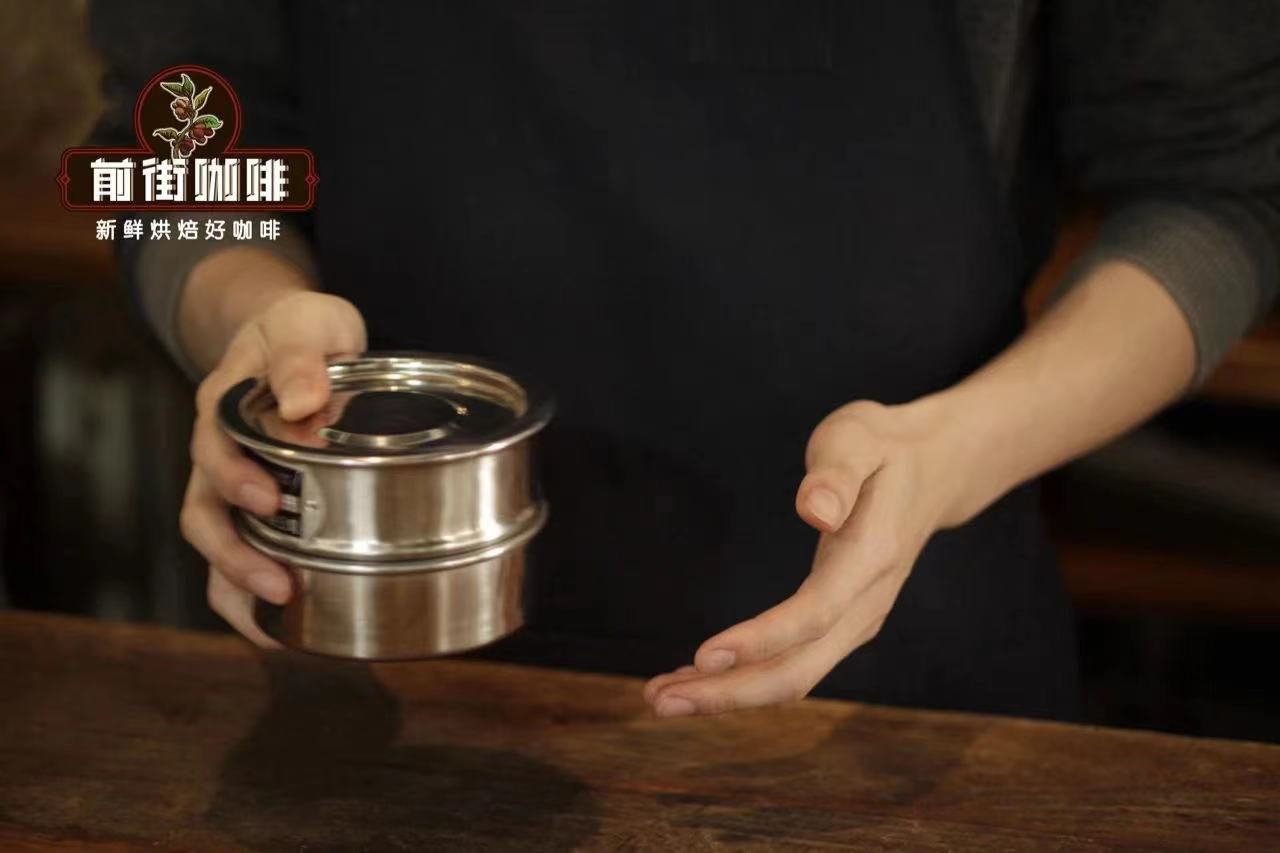
The method is simple: FrontStreet Coffee grinds 10g of coffee roughly, pours it into the middle sieve layer, covers it with the lid, and shakes horizontally until no more particles fall into the lower collection bowl. Then weigh the particles that passed through—that weight is the pass-through rate. If 7g-7.5g of 10g passes through, the grind has a 70-75% pass-through rate on the #20 sieve. The finer the particles, the higher the pass-through rate; the coarser, the lower.
Common Brewing Equipment Grind Size Standards & Reference Images
Drip Extraction / Pour-Over Coffee Grind Size (68-80% pass-through on a #20 sieve)
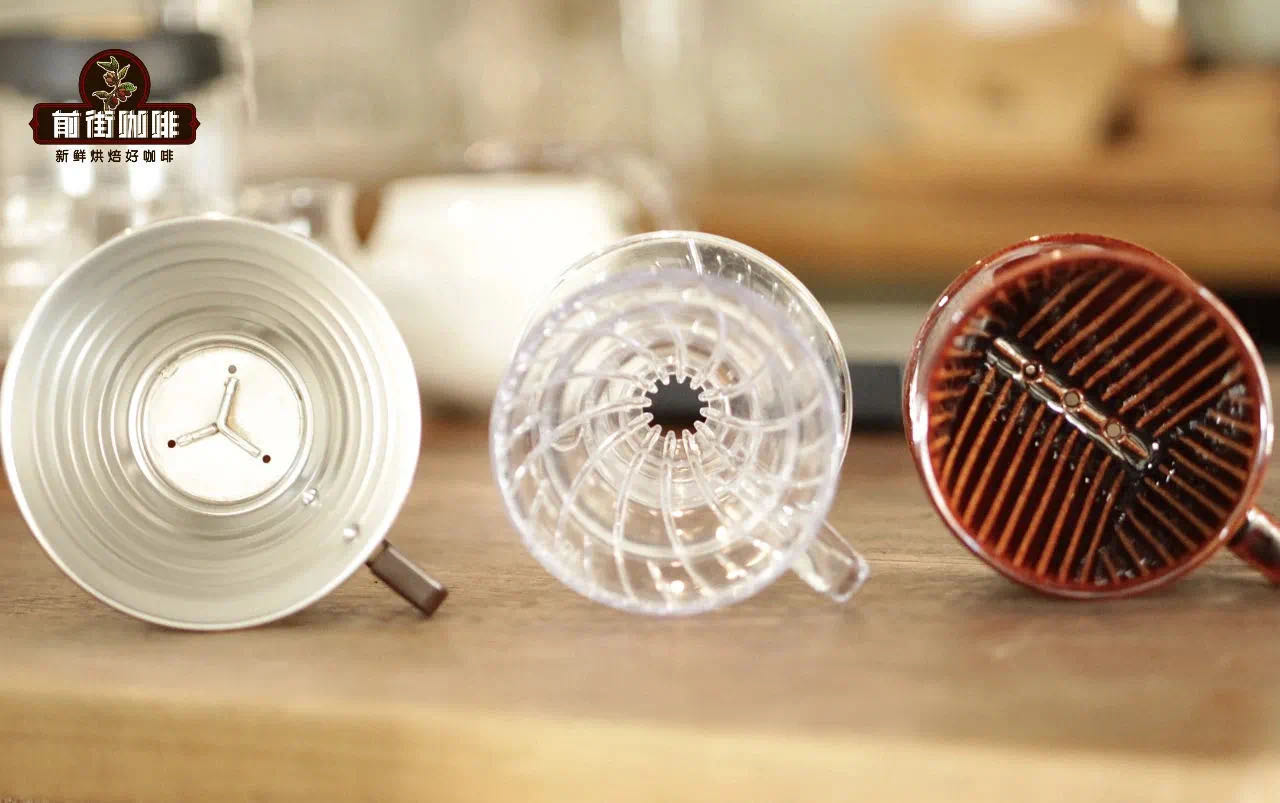
Suitable for V60, Kono, ice drip, Origami drippers, fan-shaped (flat-bottom) drippers, cake drippers, the Clever dripper, and electric drip coffee makers.
Drip brewing—pour-over coffee—works on the principle that water extracts compounds from the grounds and then passes through filter paper to produce a clean cup. Pour-over brew times are generally short, so the grind needs to be finer.
Different roast levels need different coarseness. FrontStreet Coffee suggests light-medium to medium roast beans use a grind of 75-80% pass-through on the #20 sieve, while medium-dark roast beans use 70-75%.
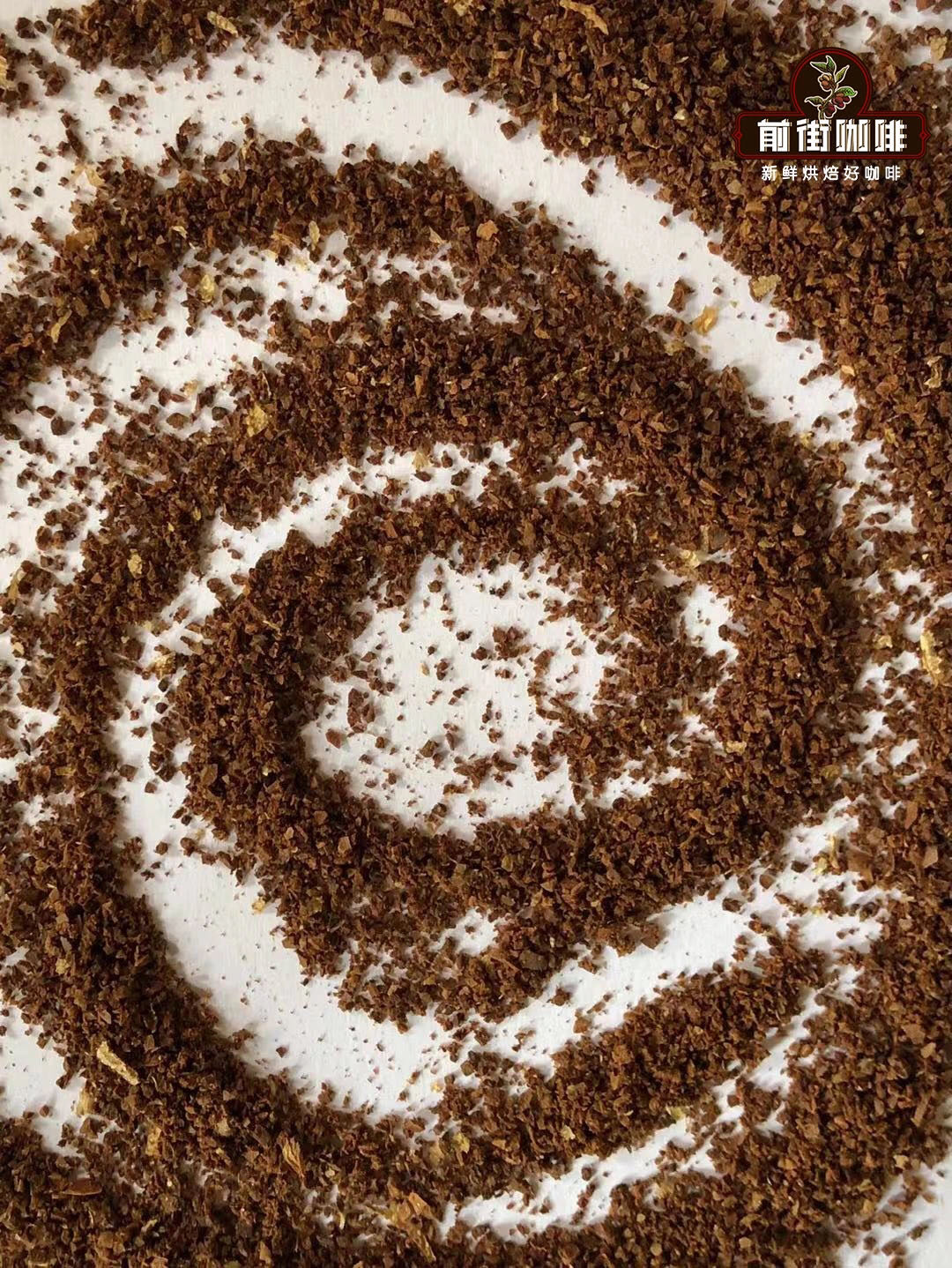
(75-80% pass-through coarseness)
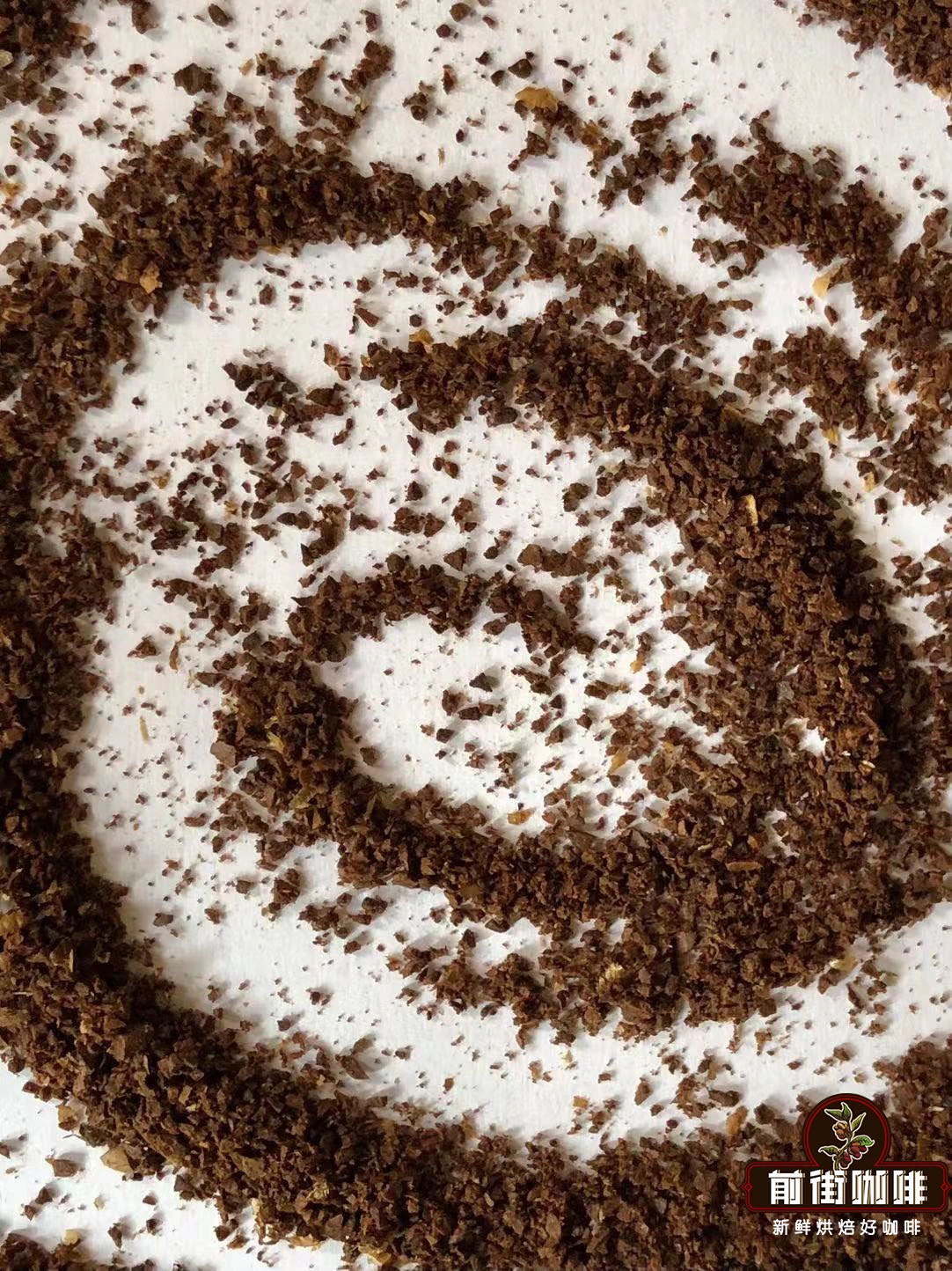
(70-75% pass-through coarseness)
Immersion Extraction / French Press Grind Size (68-75% pass-through on a #20 sieve)
French press extracts by immersion, with a long contact time (4 minutes), and its mesh filter has larger holes, so the grind needs to be coarser. This helps prevent over-extraction and makes the particles easier to filter out.
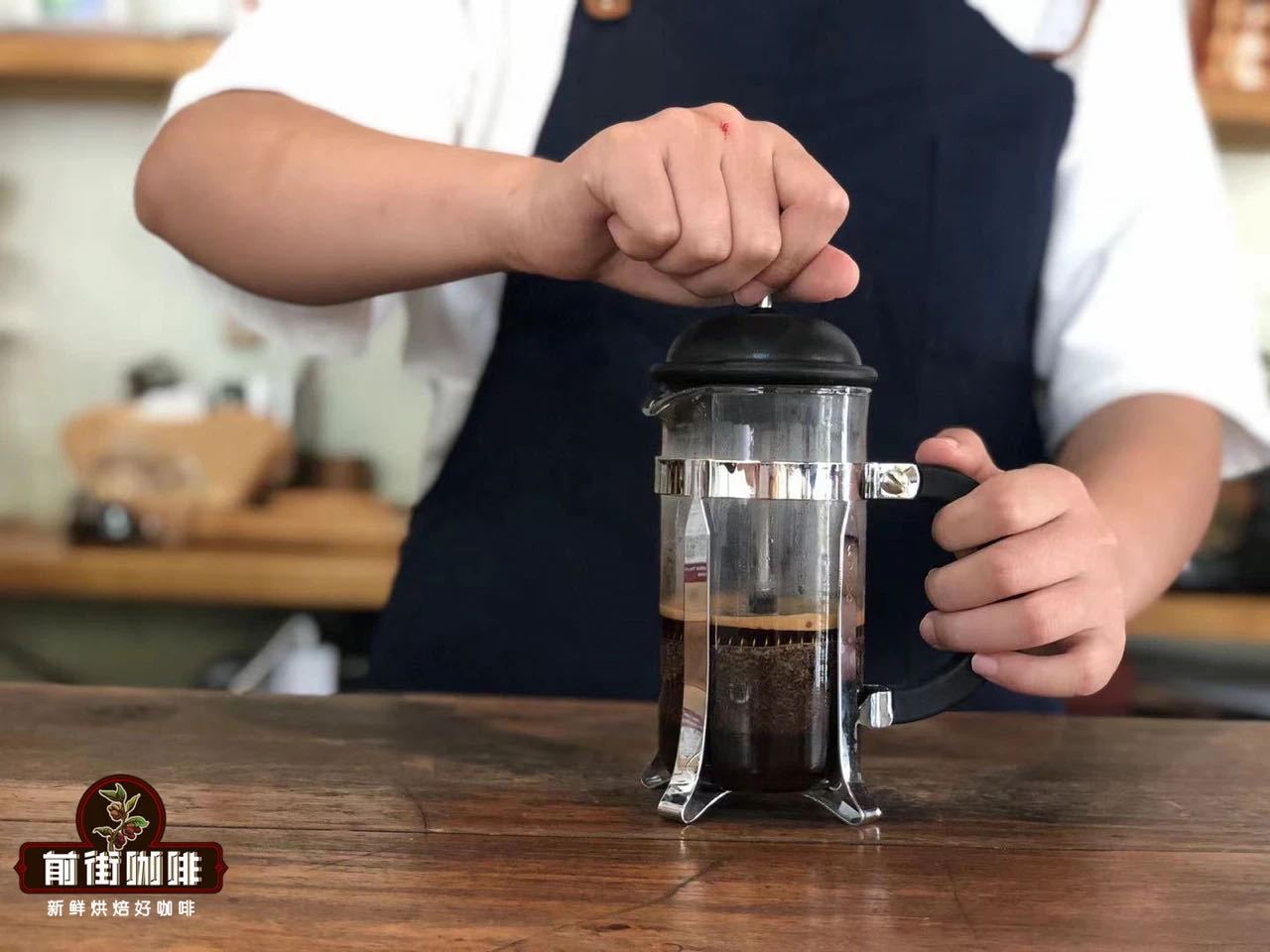
Different roast levels need different coarseness. FrontStreet Coffee suggests light-medium to medium roast beans use 70-75% pass-through on the #20 sieve, and medium-dark roast beans 65-70%.
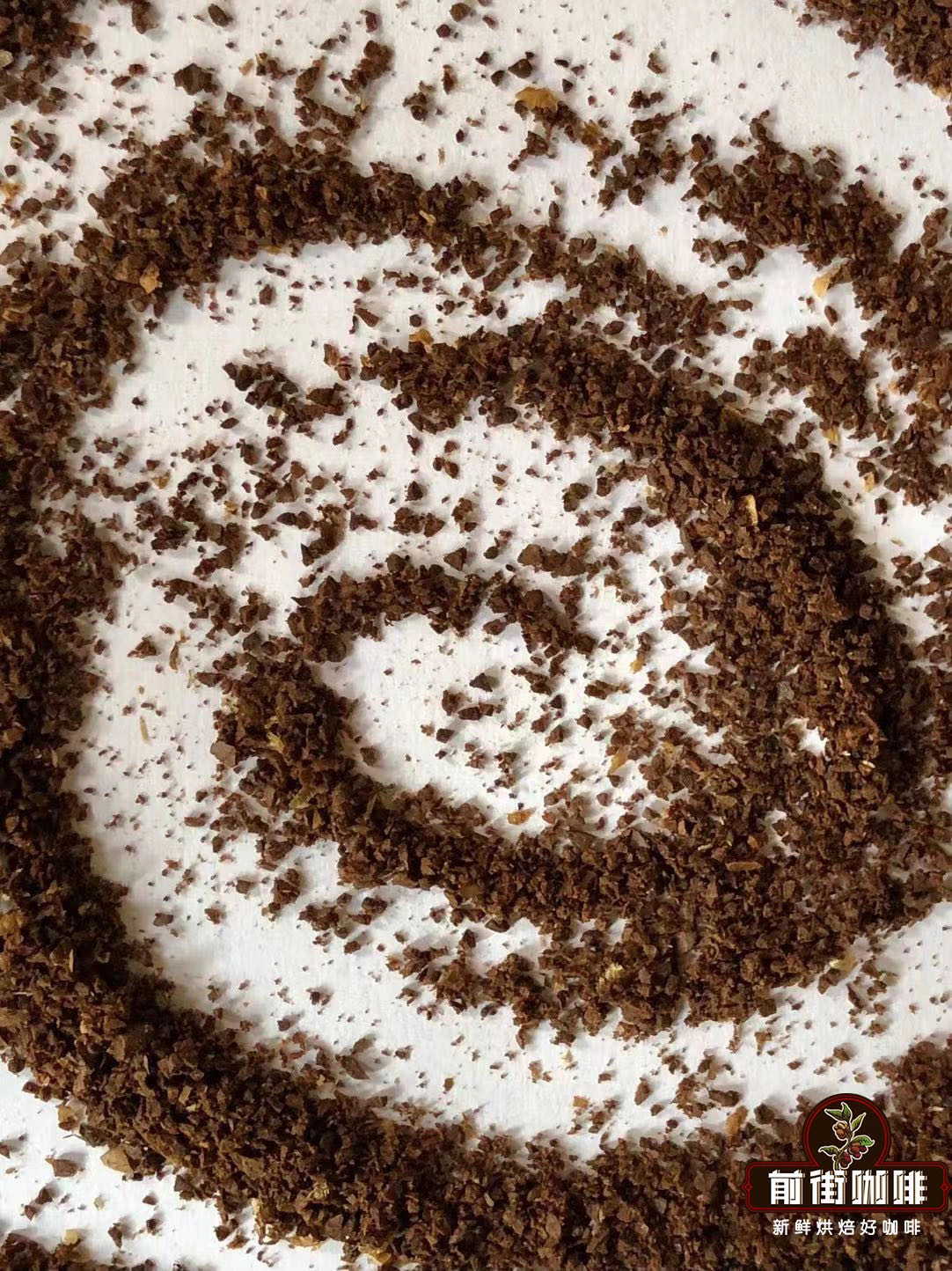
(70-75% pass-through coarseness)
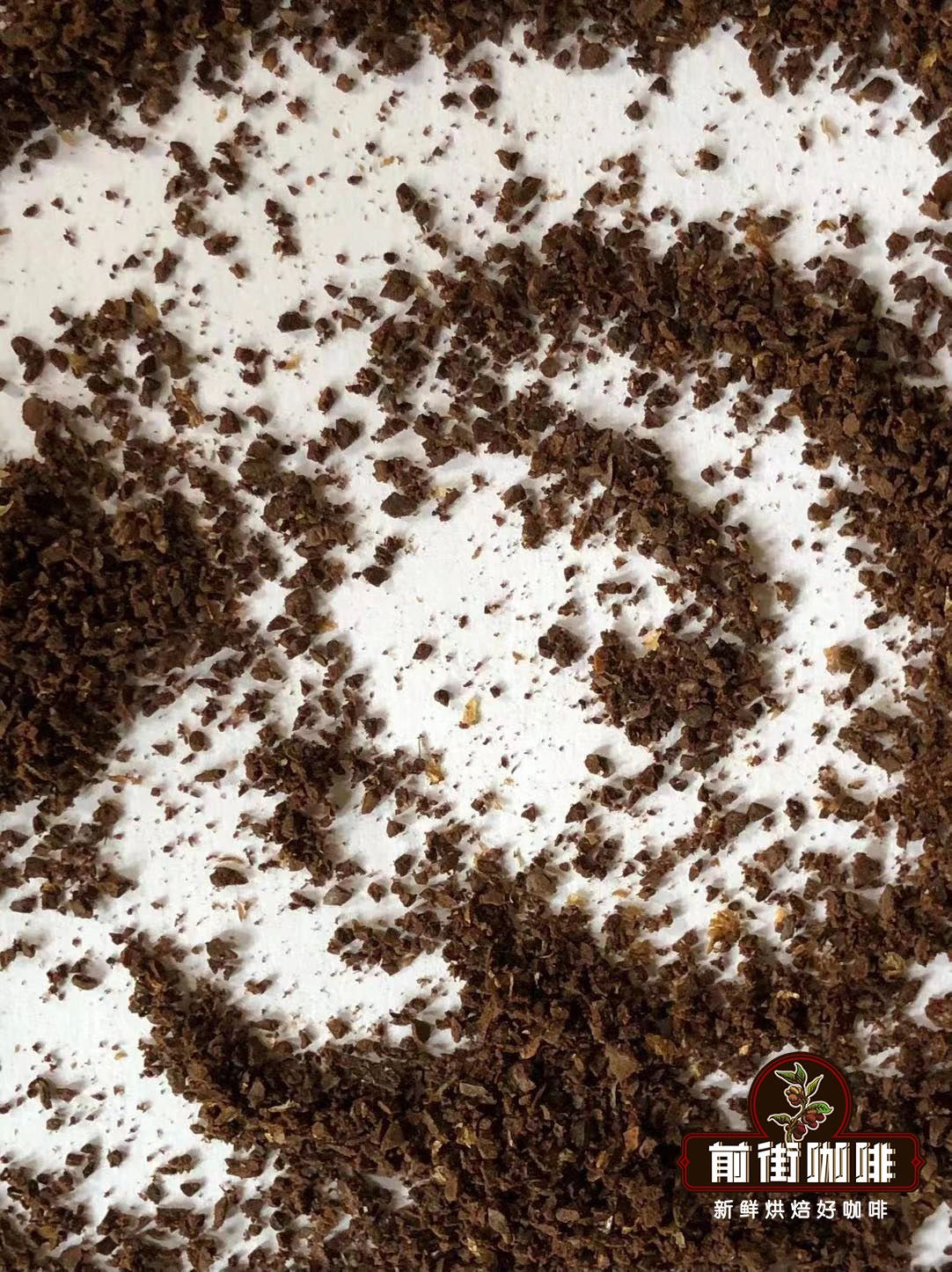
(65-70% pass-through coarseness)
Low-Temperature Extraction / Cold Brew and Ice Drip Grind Size (80-85% pass-through on a #20 sieve)
Low-temperature extraction differs from high-temperature extraction. In ice-water mixtures or refrigerated environments, extraction efficiency is very low, so the rate at which flavor compounds leave the grounds slows down and the production time becomes very long. The benefit of low-temperature extraction is that it fully draws out sour and sweet substances while limiting the extraction of bitter ones.
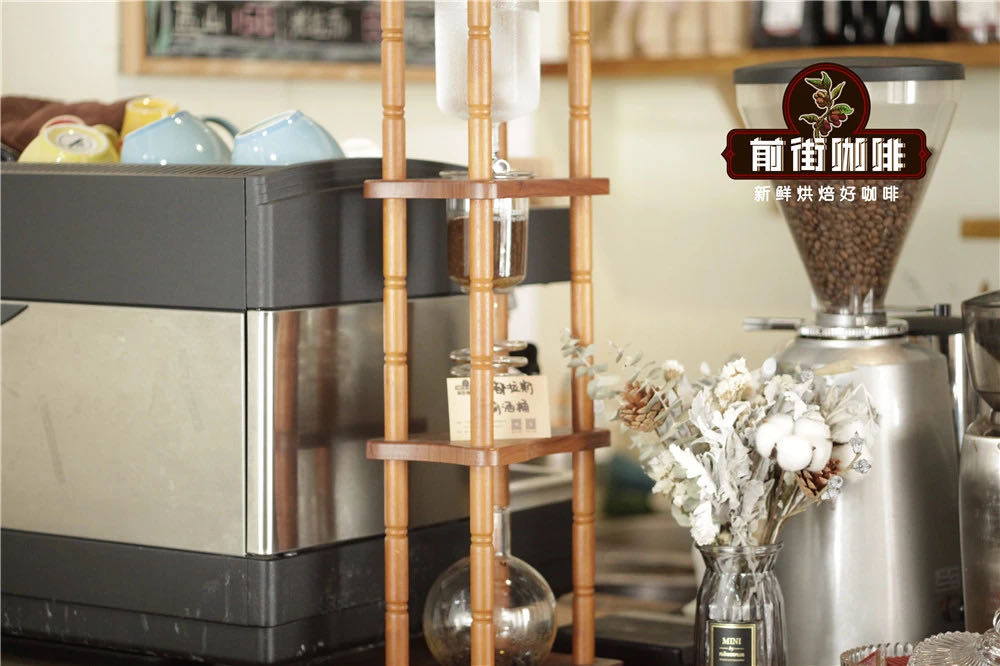
Because extraction is slow, the grind can be finer—but not too fine. FrontStreet Coffee suggests beans for cold brew and ice drip be ground to an 80-85% pass-through rate on the #20 sieve for best results. Choose 85% for a richer cup, or 80% for a cleaner one.
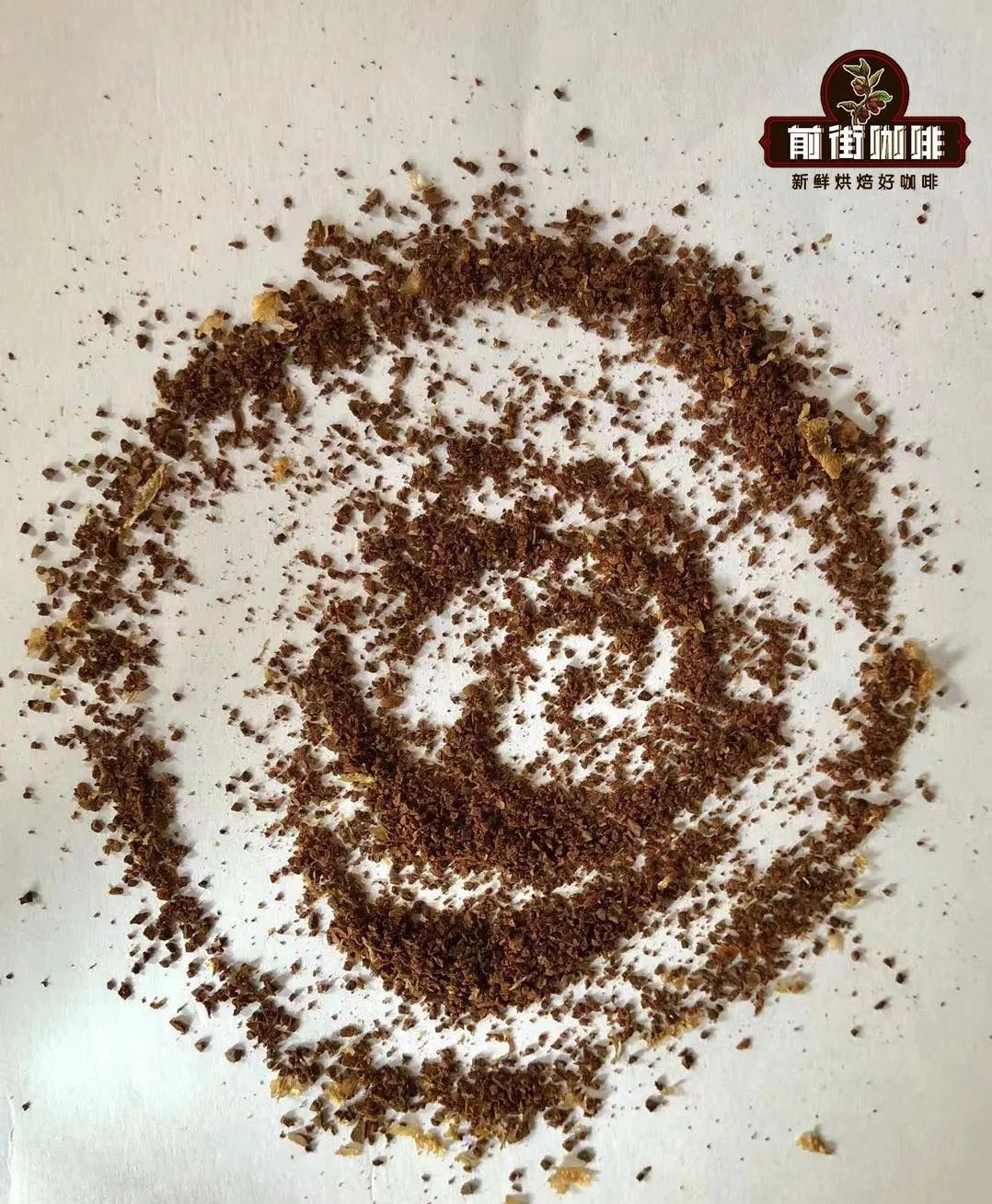
(80-85% pass-through coarseness)
Pressure Extraction / Espresso Machine Grind Size (Cannot be measured with a #20 sieve)
Espresso grind is very fine—finer than the 0.85mm aperture—so it cannot be measured with a #20 sieve. For reference on just how fine, see the image below.
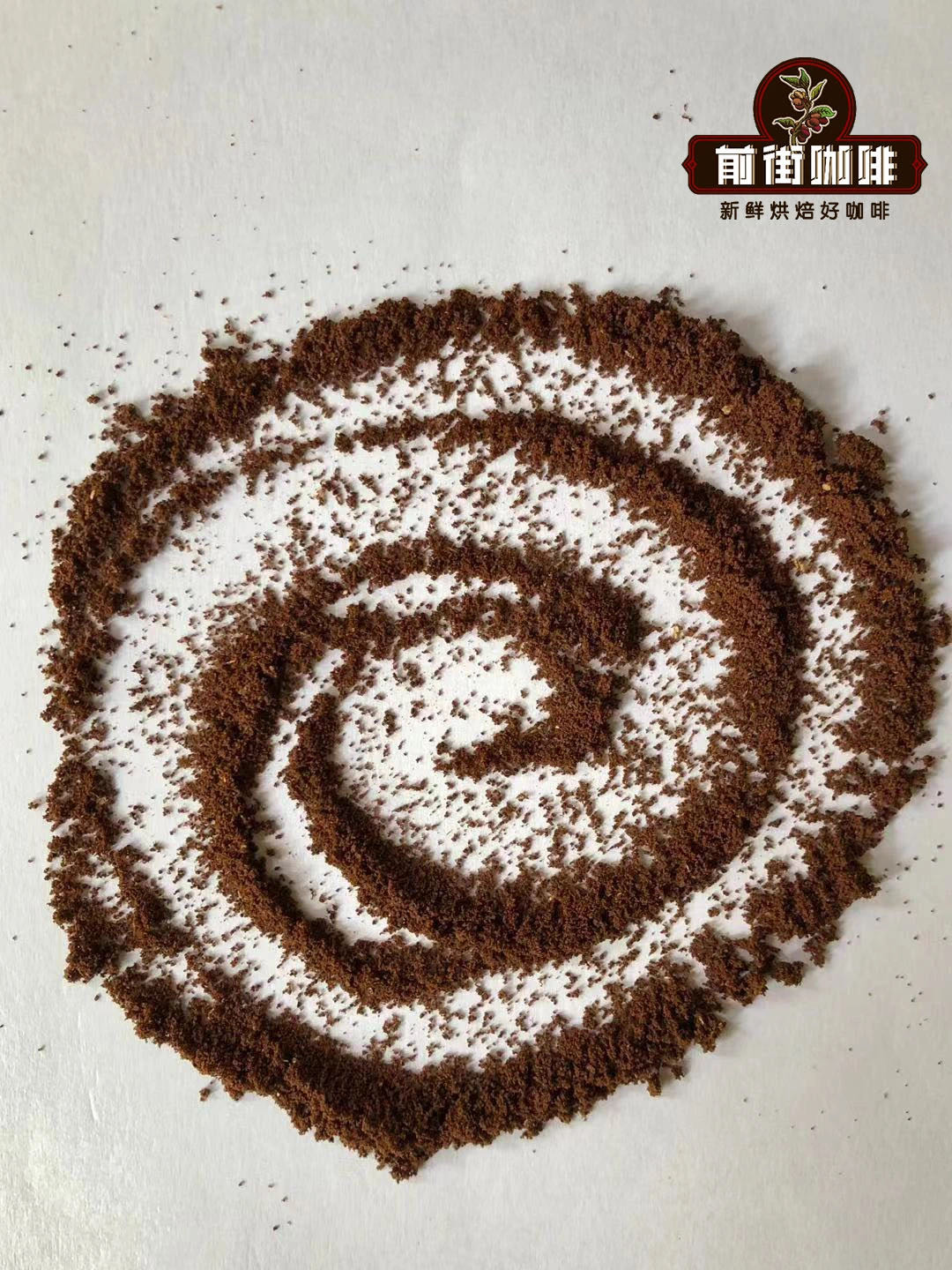
(Espresso grind coarseness)
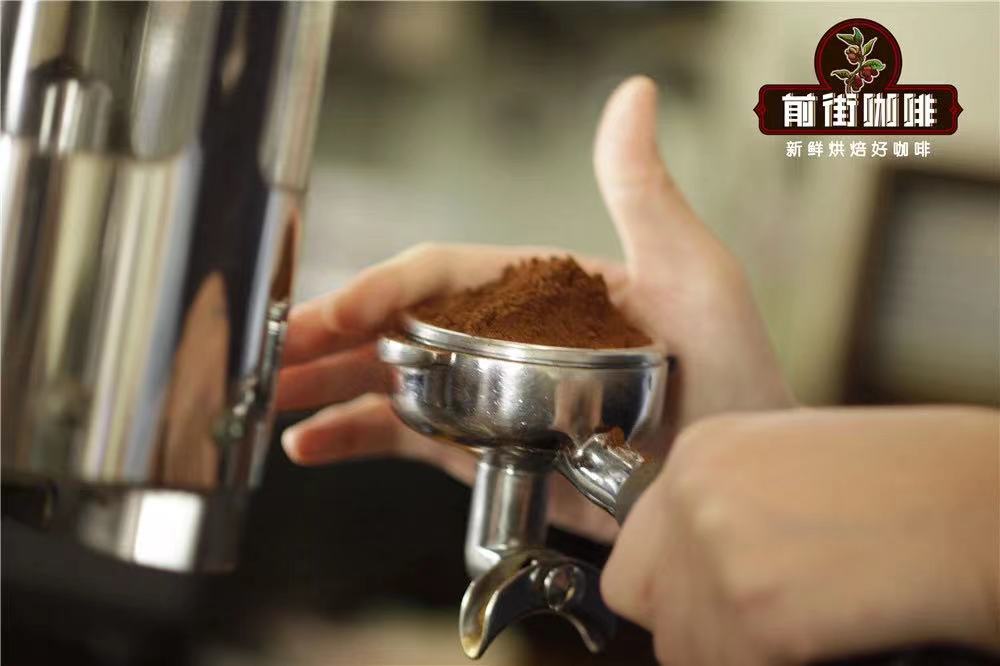
If you need to dial in espresso, it must be done through repeated extraction and tasting. FrontStreet Coffee's espresso recipe is 20g of grounds extracting 40g of liquid in 28 seconds (±1 second). Use this recipe as a starting point and fine-tune based on how the shot tastes.
Steam Pressure Extraction / Moka Pot Grind Size (Cannot be measured with a #20 sieve)
The moka pot is similar: it uses a very fine grind, slightly coarser than espresso, yet still finer than 0.85mm, so it cannot be measured with a #20 sieve either.
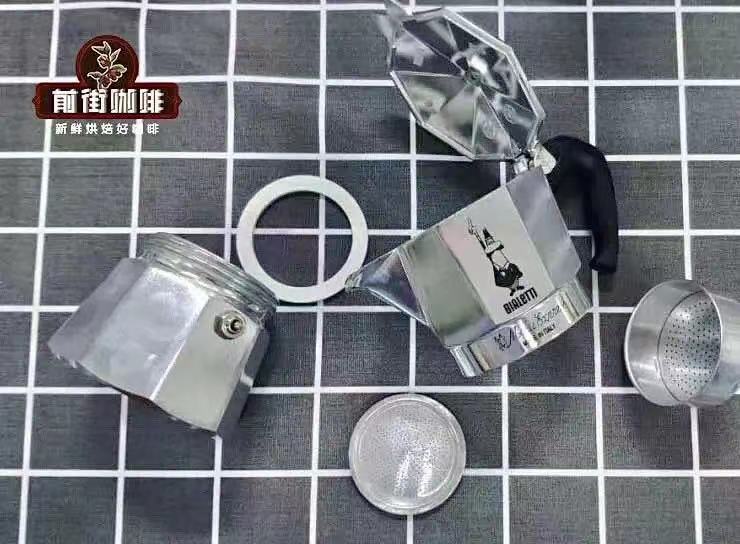
For the grind size, match it to the gap of the moka pot's filter basket, making sure no particles pass through. See the image below.
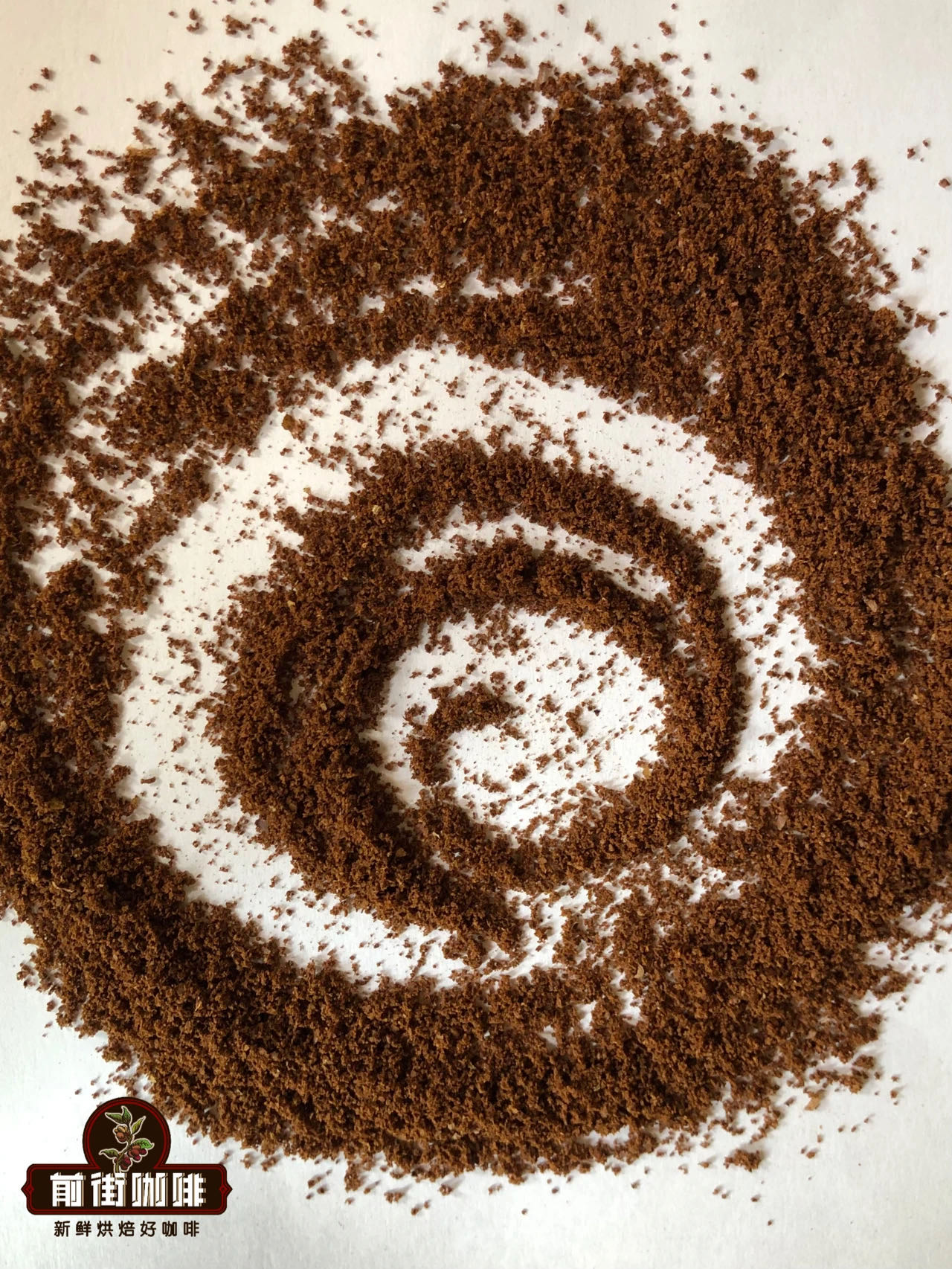
(Moka pot grind reference)
FrontStreet Coffee Recommendation: Beans to Match Your Grind Chart
Now that you know the pass-through percentages, pick beans that suit each range. For pour-over at 75-80% pass-through (fine-sugar texture), FrontStreet Coffee's washed Yirgacheffe Gedeb—light roasted with bright citrus acidity, berry sweetness, and jasmine florals—is ideal; brew it on a V60 at 90-91°C with a 1:15 ratio. For French press at 70-75% or a moka pot, the medium-roasted Cerrado Red Bourbon from Brazil offers creamed peanut, toasted bread, and caramel with round, low-acid body. For cold brew at 80-85% pass-through (EK43s setting 9 or a C40 at 24), the strawberry-sweet blend works beautifully: 30g of grounds with 360g of room-temperature water at 1:12, refrigerated 8 hours and strained—a juicy glass of grape, rose, sweet orange, and fruit-wine flavor.
Important Notice :
FrontStreet Coffee is a long-established specialty coffee roaster in Guangzhou China, selling freshly roasted beans from its own farm in Yunnan as well as dozens of carefully selected single-origin beans from around the world for both pour-over and espresso. The products deliver consistently excellent quality and great value, with shipping within 24 hours. Guangzhou's FrontStreet Coffee shop is recommended by many coffee lovers, and the beans are now available online at the Tmall 。
FrontStreet Coffee has moved to a new address:
FrontStreet Coffee Address: 315,Donghua East Road,GuangZhou
Tel:020 38364473
 Scan and follow the En Gafei WeChat official account. Please indicate that the reprint comes from "En Gafei".

