Are Specialty Coffee Beans Better Bitter or Sour? Characteristics, Mouthfeel and Flavor of Dark Roast Coffee Beans
Today's article is a long one, so thank you in advance for reading through it.
"Come on, Arthur! Let's go grab a cup of coffee!"
"No way. Coffee is bitter. You drink it, I'll have milk tea."
That exchange happened almost every day in my former office.
Although we have all gone our separate ways since then, I still feel a certain warmth whenever I think about those moments.
How many of you have had a colleague like that? Raise your hand.
Before I went deep into coffee, I also went through a period when I equated coffee with bitterness.
So, since we are on the subject, let us look at why coffee is considered bitter.
Perhaps it is because our introduction to coffee almost always starts with instant coffee. Because of the way instant coffee is made, we mistakenly assume that all coffee should taste like instant coffee, and that all of it is bitter.
What Causes Coffee Bitterness?
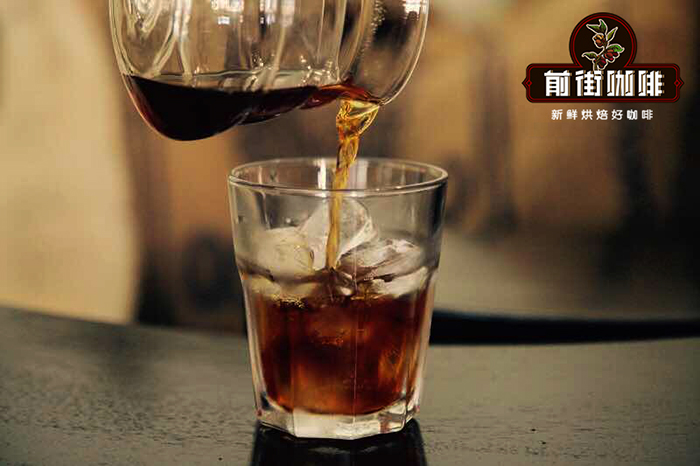
The bitterness in coffee comes from caffeine, but caffeine actually accounts for only 10% of the bitter components. The caffeine content in coffee beans is not affected by roast level, and even decaffeinated coffee has bitterness. So we can say with confidence that caffeine is not the sole cause of bitterness.
Some might then ask: can we control how bitter the cup is?
Of course we can.
We can manage bitterness by changing the type of coffee beans, the roast level and the roasting method. Changing the extraction method can also control coffee bitterness to some extent.
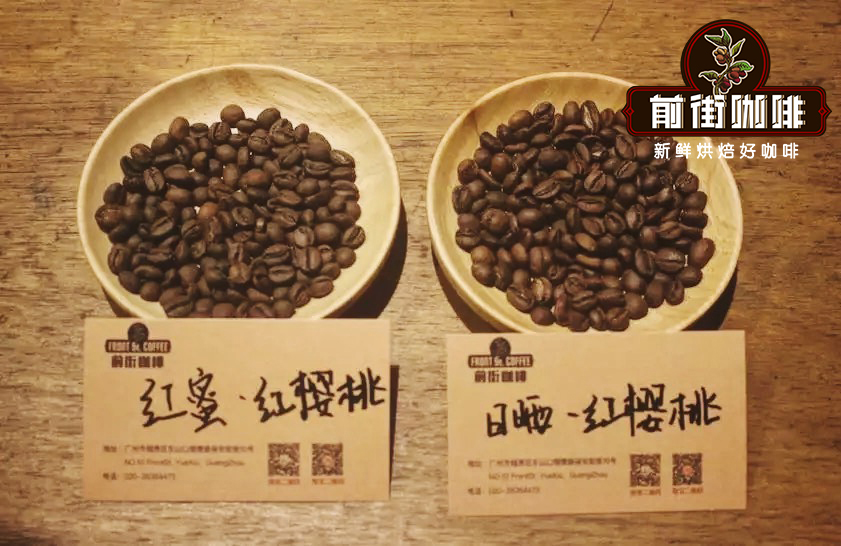
The Fascinating World of Coffee
Before I went deep into coffee, what impressed me most was how much fun, interest and ritual surrounds it.
The dry aroma after grinding the beans, the wet aroma during the bloom, the flavors that appear at different temperatures, the long-lasting aftertaste, and even the texture and feel of different brewing equipment.
What is more interesting still is that coffee can turn out completely different depending on roast depth, the mood of the brewer and the brewing technique.
I think this may be the reason I fell into the coffee trap in the first place.
Is Sour Coffee Spoiled?
Coffee is an agricultural product, and most coffees carry fruit acidity.
When specialty coffee is properly light-roasted, it develops particular acidic aromas.
Acidity is quite popular among coffee enthusiasts.
Light roasting expresses acidic flavors, while dark roasting highlights bitter ones.
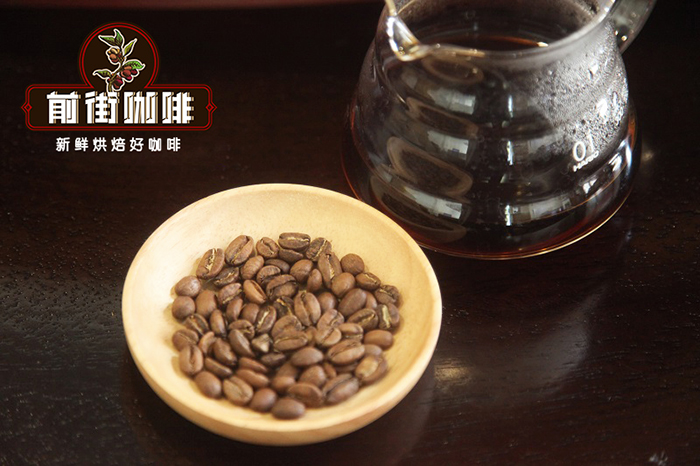
Extended Reading: Coffee Acidity
Coffee beans contain more than 30 organic acids, some of which give coffee its sourness, such as citric acid, malic acid, acetic acid, phosphoric acid (phosphoric acid is an inorganic acid), tartaric acid and lactic acid.
These acids are affected by heat during roasting, and most decompose gradually. As roasting time extends, the content of the organic acids that provide sourness decreases.
Therefore, the more deeply roasted the beans, the lower the acidity, and the lighter the roast, the higher the acidity.
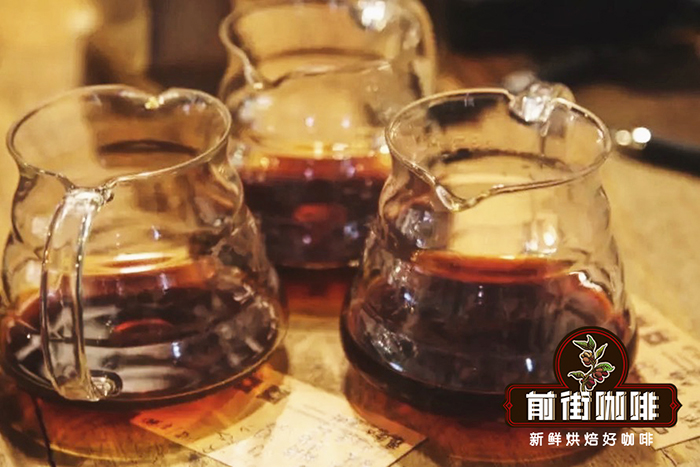
Sour or Bitter: Which Is Better?
I do not think anyone can answer that. A thousand people have a thousand favorite tastes.
Some prefer the gentle acidity reminiscent of fruit aromas, fresh and charming, while others are devoted to the mellow, rich bitterness.
A delicious coffee will be fragrant and rich in the mouth, with a mellow sweet aftertaste and no uncomfortable bitterness or acidity, only the surprise of aromas releasing one after another. In terms of feeling, good coffee brings physical and mental pleasure.
The experience of taste can spark endless imagination, and that is exactly what makes coffee interesting.
Can Coffee Acidity Be Removed?
If you cannot accept acidity, I suggest adjusting at the bean selection stage.
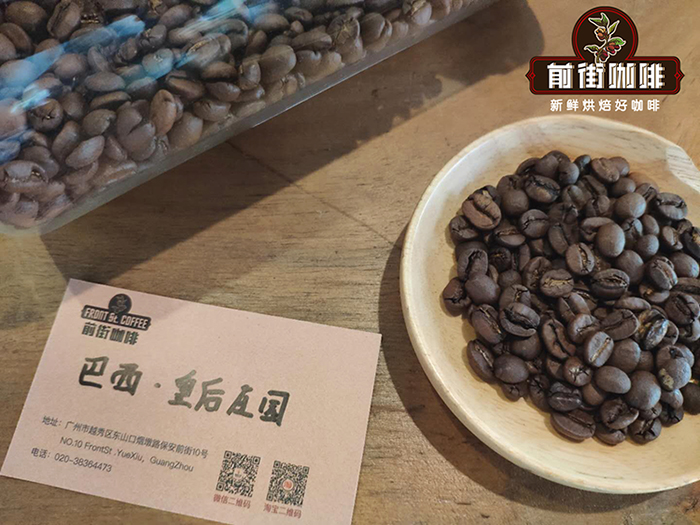
Coffee from some regions carries more acidity, such as Costa Rica and Ethiopia. For those who prefer sweetness, try Indonesian and Brazilian coffee beans, which tend to be more fragrant and mellow.
Coffee cherries are very similar to the cherries we eat. The coffee bean is the seed inside the coffee cherry.
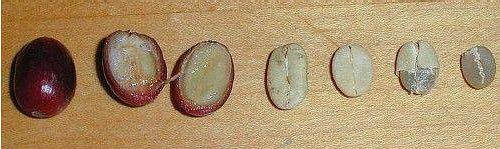
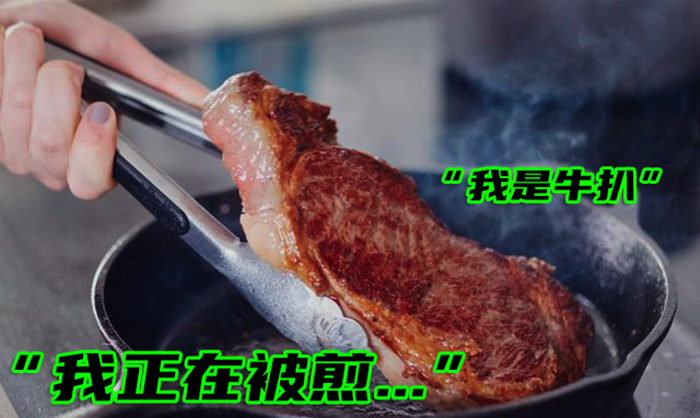
Remove the outer shell and you can see the beans inside. The coffee we drink must be roasted, and roasting has different degrees of development. You can think of it a little like cooking a steak.
Coffee at different roast levels will show different flavor characteristics.
Generally, medium to light roasting preserves more of coffee's original fruity character and gives higher acidity. Properly roasted coffee also has good acidity, and not just sourness: it has sweetness too. The more deeply roasted the beans, the heavier the bitterness.
Another way to put it: coffee can have acidity, but it gradually loses it as the roast level increases.
The Balance of Coffee
Beyond flavor, coffee also emphasizes balance. I believe good coffee should have clear flavors.
Coffee is like life, full of different flavors and aromas. Whether it is sour, sweet or bitter, I encourage everyone to try bravely.
Image source: Internet.
FrontStreet Coffee Recommendation
If bitterness is what you enjoy, FrontStreet PWN Golden Mandheling is the natural pick. Deep-roasted with very low acidity, it brings herbal notes, spice and wood, plus dark chocolate and a faint earthy depth, and it works in a moka pot, as an SOE, as a pour-over, in a drip bag, or in an Americano or latte. If you are trying to move away from bitterness, FrontStreet Ethiopia Huakui is the opposite end of the scale: a natural-process lot with delicate florals and pronounced tropical fruit, strawberry, mango, jackfruit, citrus and blueberry, sweet with very little bitterness, suited to pour-over, cold brew, moka pot or SOE.
Important Notice :
FrontStreet Coffee is a long-established specialty coffee roaster in Guangzhou China, selling freshly roasted beans from its own farm in Yunnan as well as dozens of carefully selected single-origin beans from around the world for both pour-over and espresso. The products deliver consistently excellent quality and great value, with shipping within 24 hours. Guangzhou's FrontStreet Coffee shop is recommended by many coffee lovers, and the beans are now available online at the Tmall 。
FrontStreet Coffee has moved to a new address:
FrontStreet Coffee Address: 315,Donghua East Road,GuangZhou
Tel:020 38364473
 Scan and follow the En Gafei WeChat official account. Please indicate that the reprint comes from "En Gafei".