How to Brew Ethiopia Guji Coffee Beans for Perfect Flavor? AeroPress, French Press, and Smart Dripper brewing techniques
The sunset after the beginning of autumn is exceptionally gentle. Looking up, the pink-blue sky can heal the day's fatigue. Gazing at these soft tones always brings to mind foods filled with floral and fruity aromas - cotton candy, fruit pies, and, of course, Guanxi coffee.
(Opening the doors of FrontStreet Coffee in the evening, sipping coffee while enjoying the sunset)
In the world of coffee, beyond the numerous varieties, complex growing regions, and ever-more-innovative processing methods, the ways of extracting coffee are wonderfully diverse. In this article, FrontStreet Coffee uses five brewing methods to experience the gentleness of its small-bean Guanxi coffee from different perspectives.
V60 Drip Extraction
Flavor Profile: Mixed berry aroma, creamy strawberry and passionfruit sweet-and-sour notes, prominent sweetness, and a full-bodied texture.
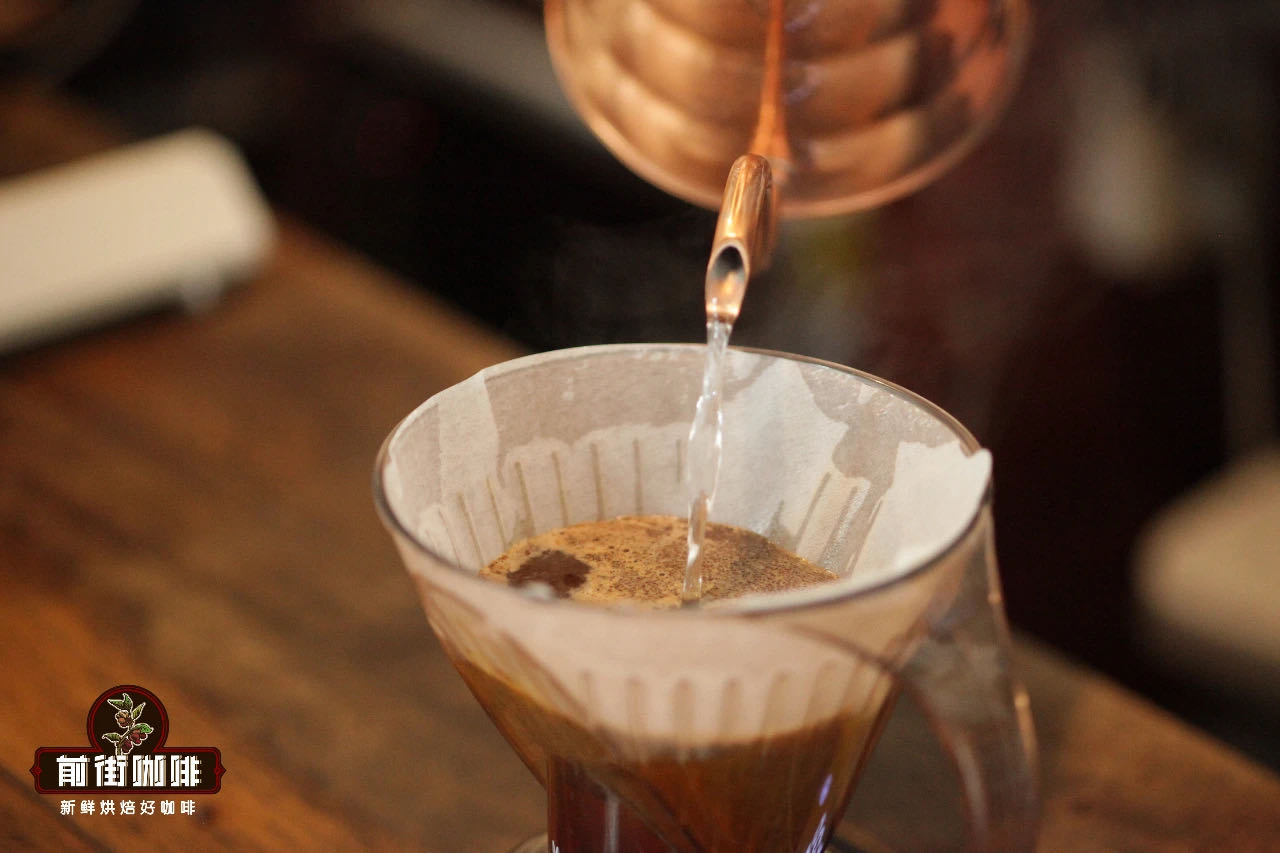
The V60 takes its name from its 60-degree cone design. That angle guides water flow toward the center, extending the contact time between water and coffee, while the large outlet at the bottom lets the brewer control extraction by adjusting the flow rate. To prevent water from rushing through the coffee bed, FrontStreet Coffee recommends a medium-fine grind (80% passing through a Chinese #20 sieve). To showcase the juicy body and rich fruit aroma of the small-bean Guanxi coffee, FrontStreet Coffee suggests 91°C water and a three-stage, slow, circular fine-stream pour.
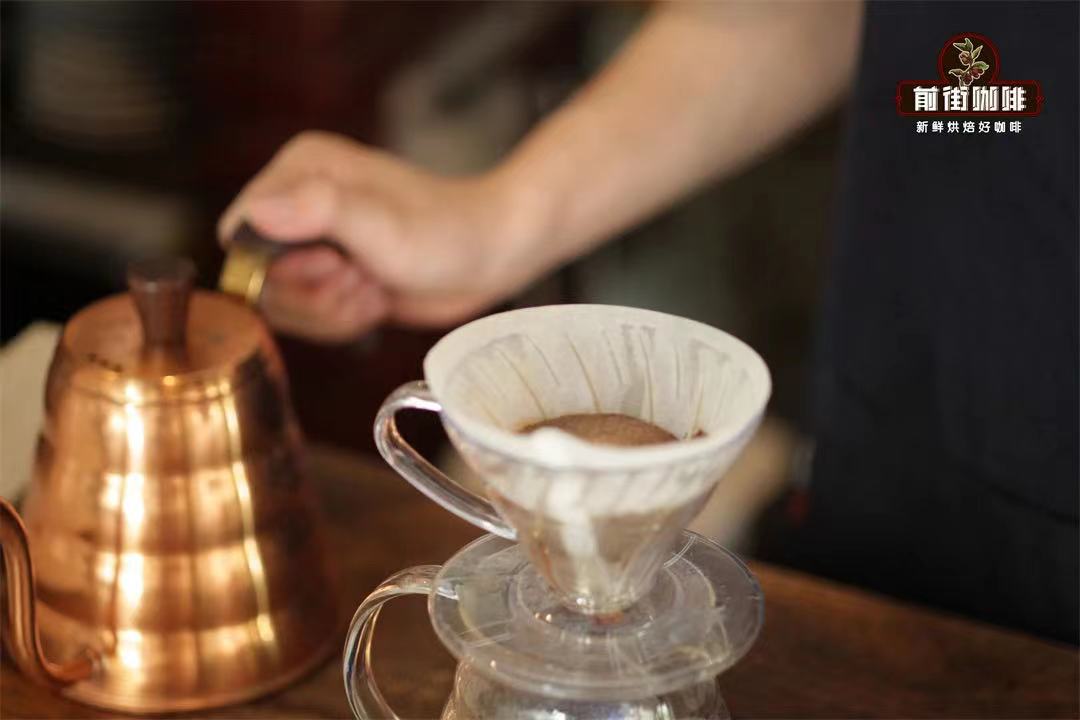
The dose is 15g of coffee at a 1:15 ratio - 15g of coffee extracted with 225g of hot water. First, bloom with 30g of water for 30 seconds, then pour in circles from the center outward and back to the center at 4g per second, 4 seconds per circle, until reaching 125g. Once the bed has dropped to half its height, continue the same way to 225g. After all the coffee has drained into the server, remove the dripper to end extraction. Total brew time is 2 minutes 10 seconds.
Clever Cup Immersion Extraction
Flavor Profile: Mixed berry aroma, a full-bodied strawberry-juice sensation, creamy smoothness, and a tea-like aftertaste.
The bottom of the Clever Cup has two layers: the outer layer provides support, while the inner layer features a pressure-activated valve. When the cup is not resting on a container, the valve stays closed and the coffee steeps. Once steeping is done, simply set the cup on a container - the pressure activates the piston valve and the coffee drains through. Because this is immersion extraction, FrontStreet Coffee recommends a medium grind (75% passing through a Chinese #20 sieve), 90°C water, and a central fine-stream pour.
The dose is 15g of coffee at a 1:15 ratio. First, move the Clever Cup onto the scale (the valve closes automatically), then pour the grounds into the center of the cup. Start the timer and, in the first stage, inject 30g of hot water in a "Z" pattern for a 30-second bloom. After blooming, no circling is needed: pour a fine stream into the center until reaching 225g, then let it steep for 1 minute 50 seconds. When steeping is complete, set the Clever Cup on the container to open the valve and filter the coffee out - a process of about 15 seconds, for a total extraction time of 2 minutes 5 seconds.
French Press Immersion Extraction
Flavor Profile: Mixed berry aroma, complex juice-like body, obvious creamy texture, overall full-bodied and mellow.
The French press consists of a heat-resistant glass container and a plunger with a metal filter, extracting mainly through immersion. The longer the immersion, the more is extracted until saturation - the longer it steeps, the stronger the coffee. Meanwhile, the metal filter retains plenty of the coffee's oils for a smoother texture, though it cannot completely filter out fine particles, leaving a slightly gritty feel. To avoid over-extraction, FrontStreet Coffee recommends a medium-coarse grind (71% passing through a Chinese #20 sieve), 92°C water, and 4 minutes of immersion.

The dose is 15g of coffee at a 1:15 ratio. Pour the grounds into the pot, add 225ml of hot water, pull up the plunger, cover, and wait 4 minutes. Then press the plunger down slowly until the metal filter reaches 1/4 of the pot's height, preventing the fines at the bottom from rising.
AeroPress Pressure Extraction
Flavor Profile: Saturated berry fruit acidity, prominent sweetness, creamy smoothness, high cleanliness, and a distinct tea-like character.
The AeroPress breaks down simply into three parts: the chamber, the filter cap, and the piston plunger. It combines the immersion of a French press, the paper filter of pour-over, and the pressure of an espresso machine. Its working principle: mix grounds with hot water, stir, then use the plunger to push the coffee through the filter cap for a clean-flavored cup. Because it is a short, pressurized extraction, FrontStreet Coffee recommends a fine grind (90% passing through a Chinese #20 sieve) and 90°C water.

The dose is 15g of coffee. First, press a circular filter paper onto the filter cap and moisten it so it adheres; then attach the cap to the chamber and place it face-up on a server. Fit the funnel, pour in the 15g of grounds, start timing, and pour in hot water until the level reaches the "4" mark on the chamber. Use the stirrer to gently stir so all the coffee is wetted. Attach the plunger quickly - positive pressure will start coffee dripping into the server, so stirring and attaching the plunger should be swift. Once the plunger is on, dripping stops in the sealed state. After 1 minute, begin pressing the plunger; the coffee is pressed into the server under pressure. When pressing is complete, the total time is 1 minute 20 seconds.
Cold Water Immersion Extraction
Flavor Profile: Complex fruit juice acidity, a full-bodied berry juice sensation, passion fruit fermentation aroma, balanced sweet and sour, overall rich and mellow.
Cold brew, also known as cold extraction, steeps grounds in cold water. The method amplifies coffee's flavors and aromas, softens acidity, and enhances body. Because extraction happens at low temperature, FrontStreet Coffee recommends a medium-fine grind (85% passing through a Chinese #20 sieve). Room-temperature water or ice water both work for steeping.

FrontStreet Coffee recommends a 1:15 ratio for cold brew: for example, 30g of coffee added to 300g of room-temperature water plus 150g of ice cubes (or simply 450g of room-temperature water), stirred thoroughly and steeped in the refrigerator for 12-24 hours. Once extraction is complete, filter out the grounds with filter paper or a fine mesh sieve before drinking. Cold brew tastes best 2-3 days after filtering, and should not be stored for more than 7 days.
FrontStreet Coffee Recommendation: An Ethiopian Natural for Your Next Brew Session
If the berry-driven charm of this Guanxi lot has won you over, FrontStreet Coffee's natural Huakui belongs on your brewing bench. It comes from the Hambella area of Guji in Sidamo, from a farm spanning 200 hectares, and is processed entirely by traditional sun-drying: ripe cherries are dried on raised beds for 21 days, turned constantly for even drying, with defective or moldy beans hand-sorted out every three to five days, and the hardened husk removed by machine once the beans are dry. Because the fruit stays on the bean throughout drying, a medium-light roast reveals a faint fermented wine note, florals, citrus, and mango, with honeyed sweetness, cocoa undertones, and a touch of spice - a thick body and a long, lingering finish. It rewards every one of the five methods above, from AeroPress to cold brew.
Important Notice :
FrontStreet Coffee is a long-established specialty coffee roaster in Guangzhou China, selling freshly roasted beans from its own farm in Yunnan as well as dozens of carefully selected single-origin beans from around the world for both pour-over and espresso. The products deliver consistently excellent quality and great value, with shipping within 24 hours. Guangzhou's FrontStreet Coffee shop is recommended by many coffee lovers, and the beans are now available online at the Tmall 。
FrontStreet Coffee has moved to a new address:
FrontStreet Coffee Address: 315,Donghua East Road,GuangZhou
Tel:020 38364473
 Scan and follow the En Gafei WeChat official account. Please indicate that the reprint comes from "En Gafei".
![[Illustrated Guide] Pour-Over Coffee Watering Tutorial: How to Pour Water, Proper Height, and Circular Motion](https://en.gafei.com/uploads/allimg/210816/15-210Q6144434619-lp.jpg)