Introduction to the Six Major Coffee Growing Regions of Honduras, Central America: How to Brew Lychee Orchid Coffee for the Best Flavor and Taste?
Honduran coffee has been earning its place on the world stage thanks to its distinctive origins and flavors. Unlike long-established origins such as Brazil, Colombia, or Costa Rica, Honduras is a rising star. Let's explore its six distinct growing regions.
Copán
Copán, in western Honduras on the Guatemalan border, includes the departments of Copán, Ocotepeque, and part of Santa Bárbara. At elevations of 1,000-1,500 meters above sea level, it spans the widest range of humidity and temperatures in the country, though with minimums of 11.5°C it may also be the coolest growing region.
Coffees here are sweet, with intense chocolate, caramel, and citrus notes. The body is often bold and creamy, the finish persistent and balanced with subtle acidity. Common varieties include Bourbon, Caturra, and Catuai.
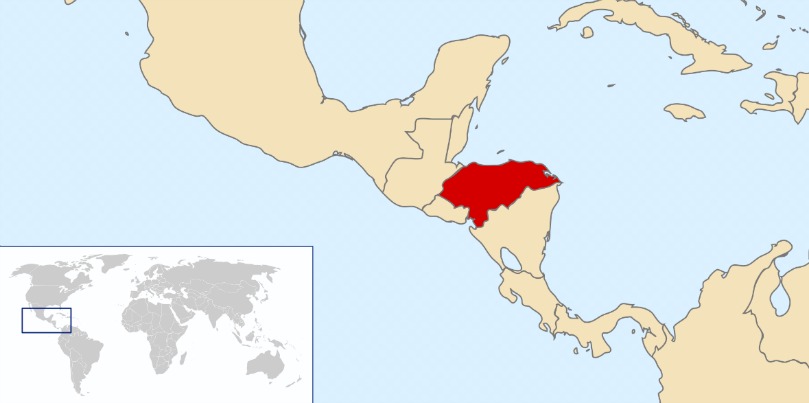
Copán coffee enjoys particular fame within Honduras, and it is part of the Honduras Western Coffees (HWC) Geographical Indication, marking it as a distinguished origin (much like Mexican tequila or Roquefort cheese).
Opalaca
The Opalaca region, east of Copán, is also part of the HWC origin. It covers large portions of Santa Bárbara, Intibucá, and Lempira, with Bourbon, Catuai, and Typica as the common varieties.
At slightly higher elevations of 1,100-1,500 meters, the flavors turn very complex: tropical fruits, grapes, and berries; delicate acidity; and a balanced aftertaste.
Montecillos
Montecillos is special for its weather and altitude. Coffee grows between 1,200 and 1,600 meters, where cold nights let the cherries mature slowly and develop sweeter flavors.
Located in southwestern Honduras on the border with El Salvador, its producers have earned global recognition, and Montecillos is home to Honduras's first Designation of Origin: Café de Marcala.
Comayagua
The Comayagua region sits in central Honduras, made up of the Comayagua and Francisco Morazán departments. With elevations of 1,000-1,500 meters and, more importantly, altitude on its side, it has the country's largest production volume according to IHCAFE: in 2016 it averaged 30.19 hundredweight of green coffee per manzana (about 1.72 hundredweight per acre).
It is also home to this year's Project Origin Best of Honduras Washed champion: Jose Abel Girón Dubón of Finca Las Botijas entered a Pacamara that scored 91.34 points and sold for $29.10 per pound. Its complexity, juiciness, soft mouthfeel, and fruitiness impressed the judges, who recorded candy, peach, mango, florals, jasmine, apricot, lime, honey, blackcurrant, orange, watermelon, guava, hibiscus, raspberry, white grape, red grape, and mint.
In a cup of Comayagua coffee, expect sweet citrus fragrance, bright acidity, and a creamy, rich body. Common varieties include Typica, Bourbon, Pacas, and other hybrids.
El Paraíso
El Paraíso lies in southern Honduras on the Nicaraguan border, with elevations from 1,000-1,400 meters and relatively warm temperatures of 16-22.5°C.
The region's reputation is improving, thanks in part to this year's Cup of Excellence winner: Oscar Daniel Ramirez Valerio's Parainema, grown in El Paraíso at 1,400 meters, shows flavors and aromas of green apple, jasmine, peach, blueberry, orange, and white wine.
Notably, Parainema is a rust-resistant Sarchimor hybrid, a lineage that has historically made specialty buyers cautious. But Sasa gave them reason for optimism, telling me, "The hybrids taste great." He added that working with them correctly is what unlocks their potential.
Generally, El Paraíso offers sweet, lemony acidity and a smooth cup. Sasa also found unique flavors here, including champagne, grape, mango, and tropical fruits, along with floral acidity and a creamy mouthfeel.
Agalta
Finally, though no less important, there is Agalta in southeastern Honduras. It has a tropical climate with elevations between 1,100 and 1,400 meters, and its common varieties are Bourbon, Caturra, and Typica.
Coffee from this region offers a range of tropical fruit flavors with caramel and chocolate notes, acidity that is delicate yet distinct, and a sweet aftertaste.
Marcala
FrontStreet Coffee offers a Lychee Orchid from the Marcala region of Honduras. On the first sip you get lychee, brandy, and cream; as the cup cools, winey and chocolate notes gradually emerge. The mouthfeel is substantial, with a very distinct honey sweetness.
FrontStreet Coffee roasts it medium, striking an excellent balance between acidity, sweetness, and bitterness.
FrontStreet Coffee Recommendation
As the world's largest coffee producer, Brazil grows a huge range of coffee. Brazilian beans carry moderate acidity and a beautiful balance of sweetness, bitterness, and body, which makes them ideal for a medium roast: nutty aromas up front, a mellow smooth cup, and a gentle acidity, good both as a single origin and in blends.
FrontStreet Brazil Cerrado Red Bourbon (Pulped Natural): If you just want a first taste of Brazil, go for FrontStreet's pulped-natural Cerrado, a classic Brazilian single origin. Cerrado is one of the country's most respected growing regions, known for consistently high quality. This Red Bourbon, roasted medium, shows rich aromas of creamed peanut, toasted bread, caramel, and hazelnut, with a rounded, non-acidic cup and a light bitterness. It works as pour-over, and also through a moka pot, as espresso SOE, siphon, or French press.
FrontStreet Brazil Fazenda Rainha Yellow Bourbon: Another Brazilian single origin, from Mogiana near southern Minas, where fertile red volcanic soil feeds the cherries and builds full, developed aromatics. Part of the local farms stick to traditional operations while the rest have adopted modern standardized management, and quality has improved dramatically. The variety here is the rare Yellow Bourbon, a natural mutation of Red Bourbon with a cleaner fruit character. Brewed as pour-over, moka pot, or home espresso, FrontStreet's Fazenda Rainha reveals a sugarcane sweetness you won't find in other origins, alongside fruit and chocolate notes.
FrontStreet Espresso Blend Series: Low acidity, a balanced cup, and an approachable price have made Brazilian coffee the backbone of many premium espresso blends. The crema-rich FrontStreet Classic Blend, the nut-forward FrontStreet Specialty Blend, the even-handed FrontStreet Black Cocoa Blend recommended by many baristas, and the café-oriented FrontStreet Commercial Blend all contain Brazilian components. Beyond chocolate and cream aromatics, Brazil brings a gentle sweet-sour-bitter balance to these blends, and that even keel makes extraction more stable.
Important Notice :
FrontStreet Coffee is a long-established specialty coffee roaster in Guangzhou China, selling freshly roasted beans from its own farm in Yunnan as well as dozens of carefully selected single-origin beans from around the world for both pour-over and espresso. The products deliver consistently excellent quality and great value, with shipping within 24 hours. Guangzhou's FrontStreet Coffee shop is recommended by many coffee lovers, and the beans are now available online at the Tmall 。
FrontStreet Coffee has moved to a new address:
FrontStreet Coffee Address: 315,Donghua East Road,GuangZhou
Tel:020 38364473
 Scan and follow the En Gafei WeChat official account. Please indicate that the reprint comes from "En Gafei".