Indonesian Mandheling Coffee Bean Varieties: Can Aged Coffee Beans Be Consumed? Monsoon Processing Method
When most people think of Indonesian coffee, Mandheling comes to mind immediately. But Mandheling is actually an umbrella covering several different products. At FrontStreet Coffee we carry Golden Mandheling, Tiger Mandheling, and Aged Mandheling, among others — here is what sets each apart.
Aged Mandheling
First, Aged Mandheling, often marketed as "Old Sumatra": a rich, complex spice box with intense wine-like aromatics and subtle, distinct notes that keep drawing you back.
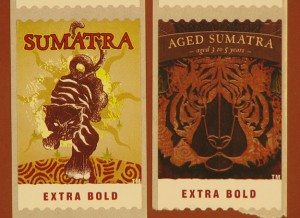
Aged Mandheling grew out of European trade. Merchants shipped coffee first from Africa, and later from India and Indonesia. As far back as the 1500s, the only way to move coffee was by long sea voyage; the trip around the Cape of Good Hope could take more than a month, and the sea air and travel time changed the coffee's flavor. Europeans grew used to drinking coffee that had already aged for months at sea — so much so that even after the Suez Canal shortened the journey, most still preferred aged coffee to fresh. Aged Mandheling became a commercial product precisely for this reason: to satisfy customer expectations, merchants replicated the effect of sea travel by storing beans in coastal warehouses for several months before shipment, and this is how deliberate aging began. The best aged coffees come from the low-acidity beans of India and Indonesia.
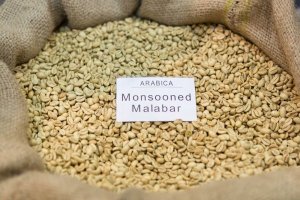
Aged Sumatra and Sulawesi coffees are known for spicy flavors, while India's signature aged coffee is Monsooned Malabar, famous for its chocolate character. Monsooned Malabar traces back to the aged coffee the British shipped from India to Europe — voyages that took months. Over time people noticed that coffee shipped during monsoon season looked and tasted different from coffee shipped the rest of the year.
The moisture and sea winds made the beans swell slightly and turn pale yellow, and stripped out all their acidity, creating a heavy, earthy cup. Once shipping became faster and beans were no longer exposed to those elements, producers compensated by storing coffee in warehouses and exposing it to monsoon winds for three to four months. Monsooned Malabar is now protected under the Geographical Indications of Goods Act and can only be produced in India, specifically along the Malabar Coast. Not every aged coffee meets standards that strict, but there is a real difference between proper aging and coffee that was simply forgotten. Genuine aged coffee is stored in well-ventilated warehouses, with the bags checked and rotated every few months to dry them evenly. Proper aging also requires a climate where beans absorb moisture in the rainy season and release it in the dry season — which is why most premium aged coffees come from Indonesia, India, and parts of South America. Coffee mellows with age, so low-acidity varieties generally age best.
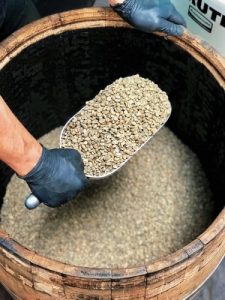
Barrel-aged coffee is a variation, often used where there is no floor space to lay coffee out flat. Whiskey-aged coffee has found a market of its own: beans aged in barrels that previously held whiskey or bourbon pick up an entirely new range of flavors.
Note that aging times vary from several months to several years depending on the coffee and the roaster's preference. Aged Sumatra is typically aged three to five years, while some barrel-aged coffees rest for only a month and a half. Stored carelessly, coffee will simply deteriorate and lose its flavor rather than improve.
FrontStreet Coffee Recommendation
If aged Mandheling intrigues you, the rest of FrontStreet's Mandheling lineup is worth exploring. The flagship is the FrontStreet PWN Golden Mandheling, produced by Indonesia's PWN company under exacting standards: only beans of 18 mesh or larger are used, with fewer than 3 defects per 300g of green coffee to meet the top G1 grade, followed by three rounds of hand-sorting that raise cleanliness and sweetness even further. Its quality is easy to verify — FrontStreet displays the PWN certificates and the branded jute bags on its product pages, which is what sets genuine PWN Golden Mandheling apart from lookalikes. Roasted medium-dark, it brews into a low-acid, thick, and long cup layered with herbal notes, dark chocolate, and a faint earthiness — made for drinkers who want intensity without acidity.
Brew it the way FrontStreet recommends for pour-over: 15g of coffee at a coarse-sugar grind, water at 87-88°C, a 1:15 ratio, and three pours — 30ml to bloom and degas, 100ml to lift the bed and draw out the golden foam, then a gentle final 95ml poured in slow center circles to raise the sweetness, finishing with a thick body, caramel sweetness, and chocolate-nut flavors. And if you'd like that Mandheling character in milk drinks, the high-repurchase FrontStreet Classic Blend builds on Brazilian cream-and-nut flavors with added medium-dark Mandheling — butter, roasted chestnut, and caramel up front, with sandalwood, herbal, and spice notes behind it, plus a little Robusta for richer crema. It pulls gorgeous lattes and layered Dirty drinks with ease.
Important Notice :
FrontStreet Coffee is a long-established specialty coffee roaster in Guangzhou China, selling freshly roasted beans from its own farm in Yunnan as well as dozens of carefully selected single-origin beans from around the world for both pour-over and espresso. The products deliver consistently excellent quality and great value, with shipping within 24 hours. Guangzhou's FrontStreet Coffee shop is recommended by many coffee lovers, and the beans are now available online at the Tmall 。
FrontStreet Coffee has moved to a new address:
FrontStreet Coffee Address: 315,Donghua East Road,GuangZhou
Tel:020 38364473
 Scan and follow the En Gafei WeChat official account. Please indicate that the reprint comes from "En Gafei".