Wine-Influence Natural Processing vs. Traditional Natural Processing: Can Wine-Influence Methods Create Differentiation?
Unveiling the Mystery of Winey Natural Processing
In recent years, innovative processing methods have appeared one after another. Beyond the various honey processes, many adapted natural and washed methods have been developed. This time, FrontStreet Coffee pulls back the curtain on winey natural processing: what exactly sets it apart from traditional natural processing? And how does it differ from oak-barrel-fermented coffee?
As specialty estates compete for terroir and for flavor, farms around the world showcase their individuality. Even natural processing has branched into many variants. For a natural, nothing matters more than fruit maturity and drying. Nearly ripe coffee cherries with extremely high sugar content, dried through different approaches, yield rich and layered flavor variation.
The Three-Stage Drying Process of Winey Natural Processing
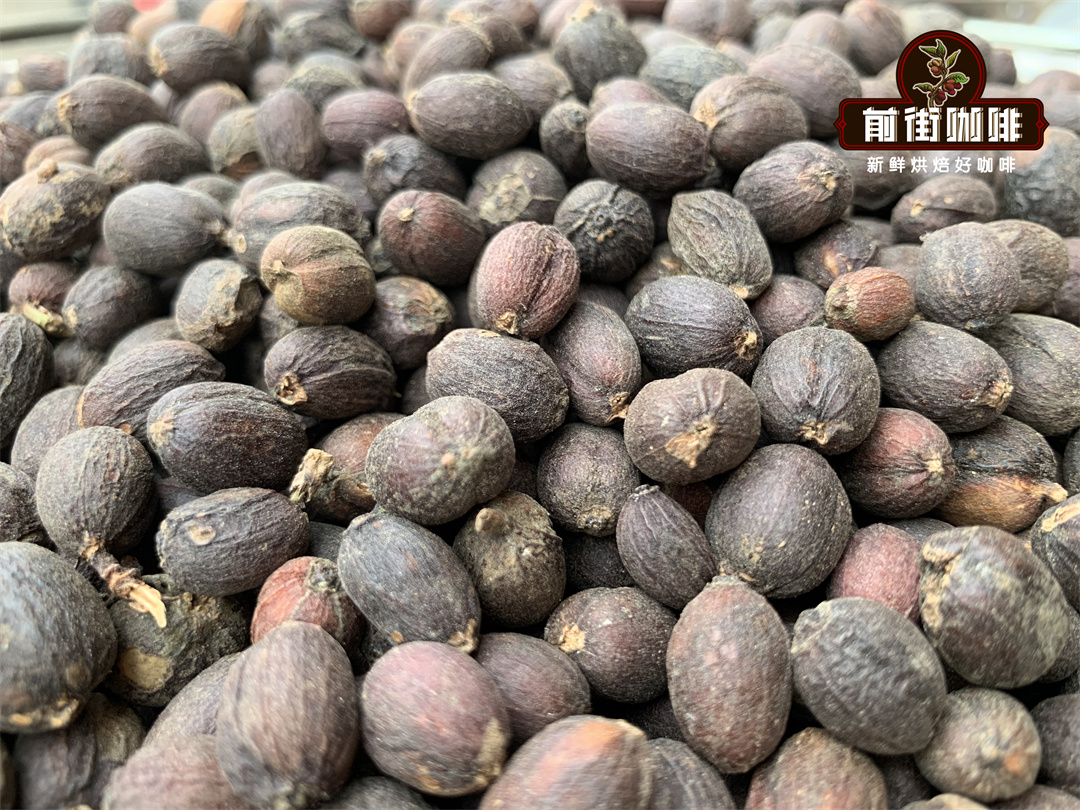
The drying of a winey natural generally falls into three stages. Take 10 kilograms of coffee cherries as an example: they are first dried down to 7 kilograms, then to 6 kilograms, and finally from 6 kilograms down to completion. Each stage takes a different amount of time, and each shapes a different flavor profile.
Creating Differentiation with Winey Natural Processing
In the first stage — the step from 10 kilograms down to 7 kilograms — the longer the fruit spends drying, the stronger the natural aroma it develops. But simply stretching out this stage does not guarantee wonderful flavors. Moisture content is highest in stage one, so spoilage is a real risk; it takes skillful, moderate stirring and even drying out of direct sunlight.
Fermentation usually begins inside the cherries during the first stage, producing a mellow, wine-like aroma. Allowed to develop properly, this leads naturally to high-quality flavors. The second stage, however, is where flavors are fine-tuned. Because stage one brings such an intense fermented aroma, some estates in Ethiopia and Brazil blend in a small amount of washed beans during the second drying stage to temper the heavy natural-ferment character, leaving only the layered, wine-like aromatics. Depending on each estate's blending ratio and the slight differences in method, every estate's winey natural carries its own flavor signature.
Winey Natural vs. Oak Barrel Fermentation and Traditional Natural Processing
Winey natural is not a method in which grapes and coffee beans are dried together, nor an oak-barrel fermentation that boosts fermentation through honey processing, and certainly not a traditional natural. In the initial sorting, winey natural processing selects ripe fruit with extra care, and the fruit's time in the sun is extended, with farmers checking constantly until the green beans develop a wine-like aroma.
Long fermentation tests judgment and control. The coffee is mostly dried on African raised beds, with a gentle breeze flowing from underneath while the ripe fruit on top is turned regularly. It is time-consuming and labor-intensive and demands highly refined skill, but it eliminates uneven drying. Thanks to the outstanding quality of the flavor and acidity, more and more producing countries and estates are following the trend. Central America, being more humid than Brazil, must stretch out the drying of moisture-rich ripe fruit, but that slow drying is precisely what produces a growing supply of high-quality winey natural beans.
Clean Flavor with Rich Variations
In cupping, the most celebrated quality of winey natural processing is that it keeps the layered complexity of a natural without the boozy sensation of oak-barrel fermentation, leaning instead toward delicate floral and fruity expression compared with the other two methods.
Mild, smooth, and easy to drink, with delicate floral notes, richly layered fruit acidity, and a sweetness as light as high-mountain tea — nearly every winey natural earns the same verdict: a refreshing, juice-like quality. The selected fully ripe fruit is excellent to begin with, and the long maturation and constant attention show in the cup. Little wonder that winey natural processing retains the variation of a natural while possessing the fine acidity and cleanliness of a washed coffee.
FrontStreet Coffee Recommendation
FrontStreet Costa Rica Blackberry (black honey): processed with almost none of the mucilage removed, then dried for at least 2 weeks under shade covers so the intense sun does not dry the beans too quickly, ensuring the sugars fully transform; the lots are turned at intervals to prevent uneven heating and over-fermentation — a demanding method that repays the effort. Roasted medium-light, it opens with intense fresh-flower aromatics and brews into grape, berry, and ripe blackberry flavors.
FrontStreet Strawberry Candy Gesha Blend (raisin honey): a blend of Panama Gesha and Costa Rican coffee. The Gesha contributes its classic orange-blossom honey character, while the Costa Rican component is raisin-honey processed — 100% of the mucilage retained with zero added water. On harvest day the cherries are floated, dried on raised beds for at least three days, then peeled with the mucilage preserved and dried with constant turning for uniformity. Expect a floral tea-like Gesha tone layered with grape and dried blueberry aromatics, gentle fruit acidity, an almond finish, and pronounced sweetness.
Important Notice :
FrontStreet Coffee is a long-established specialty coffee roaster in Guangzhou China, selling freshly roasted beans from its own farm in Yunnan as well as dozens of carefully selected single-origin beans from around the world for both pour-over and espresso. The products deliver consistently excellent quality and great value, with shipping within 24 hours. Guangzhou's FrontStreet Coffee shop is recommended by many coffee lovers, and the beans are now available online at the Tmall 。
FrontStreet Coffee has moved to a new address:
FrontStreet Coffee Address: 315,Donghua East Road,GuangZhou
Tel:020 38364473
 Scan and follow the En Gafei WeChat official account. Please indicate that the reprint comes from "En Gafei".