How to Identify Under-Extracted Pour-Over Coffee? What Happens with Over-Extraction and Perfect Extraction
Understanding Coffee Extraction: How Flavor Evolves Through Different Stages
When it comes to coffee extraction, do you know how the flavor differs from one stage to the next? FrontStreet Coffee often points out that coffee flavors are extracted in sequence — first fruity acidity, then sweet nutty notes, and finally the richness of bitter chocolate. Push too far and the cup turns bitter and astringent.
A complete cup that fully expresses its inherent character is a good cup. Yet brewing sometimes produces imperfect results: excessive sourness, excessive bitterness, or an unpleasant, astringent taste. How can those flaws be avoided, and what actually causes them? Next, FrontStreet Coffee explains under-extraction and over-extraction.
First, it helps to understand what extraction is. Extraction is the process by which hot water passes through coffee grounds, dissolving and carrying out the substances within them. Through that process, hot water becomes deep brown coffee; flavors and aromas present themselves differently depending on the coffee's growing background and the brewing parameters used.
So what flavors characterize under-extraction, over-extraction, and ideal extraction? Knowing these helps drinkers identify the state of their own cup.
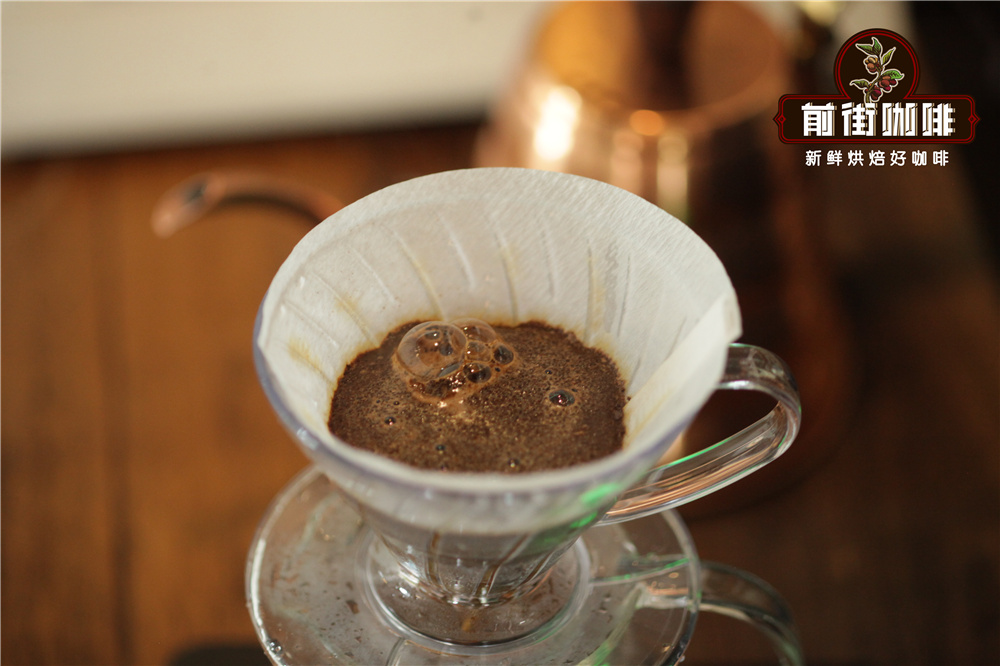
Under Extracted Coffee
Definition: Hot water passes through the grounds, but dissolution is insufficient, so many substances remain in the coffee bed and too few compounds make it into the liquid.
Flavor: Sharp sourness is easily perceived, sweetness is missing, an odd salty taste appears, and the finish is too short to be memorable.
Sharp Sourness: This kind of sourness is negative in character, and the tongue's receptors tend to resist it immediately. Sometimes it comes across as an overly stimulating, raw, piercing sensation. Note that this is not the same as acidity: acidity counts as a flavor attribute and is described positively. It generally does not trigger a physiological rejection and can bring a refreshing, bright feeling.
Lack of Sweetness: The sweet finish of coffee leaves many drinkers wanting more. Under-extracted coffee, however, is thin overall and tends to create a sense of emptiness. The main reason is that too many substances stay trapped in the grounds. Once the first stage (fruity acidity) has been extracted, nothing follows to bring out the sweet and mellow bitter notes, so the under-extraction makes the sharp sourness stand out even more.
Strange Salty Taste: The four basic tastes — sour, sweet, bitter, and salty — all exist in coffee. When under-extracted, only the sharp sourness has been drawn out while sweetness and bitterness have yet to dissolve and release, creating an imbalance. The lone sharp sourness amplifies the saltiness, so drinkers perceive a salty taste.
Short Aftertaste: Good food and good drinks always leave a satisfying, lingering impression. Coffee is no different. An ideally extracted coffee's aftertaste can last a good while. Under-extracted coffee, lacking those good flavors, cannot deliver satisfaction or surprise, let alone a memorable finish.
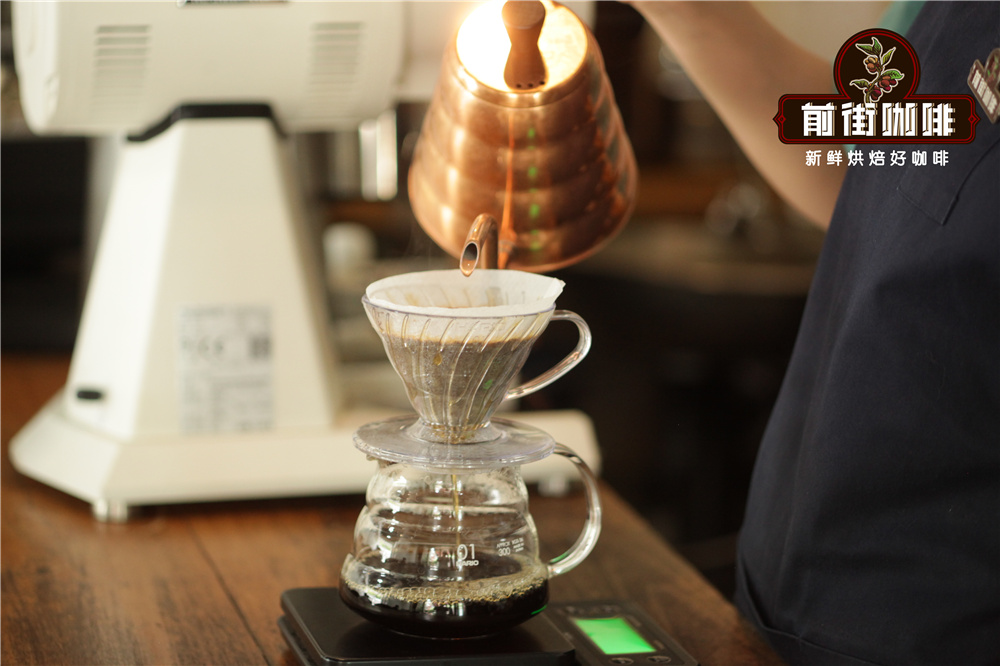
Over Extracted Coffee
Definition: Hot water passes through the grounds and dissolves too many substances, so the soluble compounds in the liquid exceed balance.
Flavor: Bitterness and dryness are easily perceived, along with a hollow feeling — coffee without its soul.
Bitterness: Ideal extraction combines fruity acidity, sweetness, and bitterness. Because bitterness is the last flavor to be extracted, over-extraction intensifies it, making the cup so bitter that other flavors are drowned out. It can also mean an excessive dose of caffeine.
Dryness: Polyphenols are common in plants, seeds, and tree bark, and coffee contains them as well. When coffee is over-extracted and then binds with proteins in saliva, the dry sensation is magnified, leaving an uncomfortable gritty, parched feeling in the mouth and on the teeth that lingers for a while.
Hollow Feeling: Ideally extracted flavors let drinkers sink into the wonderful sensations coffee can offer. Over-extracted coffee lacks smooth, sweet flavors, with bitterness and dryness dominating. It covers up and erases the best of what coffee contains, making its unique soul impossible to taste.
Ideally Extracted Coffee
Definition: Hot water passes through the grounds and dissolves just the right amount of substances, so the compounds in the liquid reach perfect balance.
Flavor: Refreshing fruity acidity, sweet nutty notes, and the rich texture of bitter chocolate all show evenly. The flavor is sweet and mature, clear and transparent, with sour, sweet, bitter, and salty in balance and a long finish that leaves you wanting more.
Sweet and Mature: Like fruit, which tastes brightly acidic at first bite and then reveals mature sweetness as you chew, coffee behaves much the same way. You taste refreshing acidity and, alongside it, sweet, ripe flavors. Even with a slightly bitter note in the finish, the cup returns to sweetness.
Clear and Transparent: Only at ideal extraction do drinkers have the spare attention to observe and feel the coffee's particular flavors and strengths. Picture the opposite — a cup that is under- or over-extracted — and the drinker's senses are overwhelmed by unpleasant intensity. Even if the coffee itself is high quality, its finer qualities are hard to express.
Balanced Sour, Sweet, Bitter, and Salty: Bright acidity, mellow sweetness, rich bitterness, and a saltiness that ties the others together — the four coexist in a delicate, rich, and captivating way, redefining what perfect balance in the cup can mean.
Long Aftertaste: Ideal extraction does not exhaust the senses with extremes. On the contrary, it leaves you reminiscing, with a lingering finish that is genuinely seductive.
FrontStreet Coffee Recommendation
The clearest way to learn extraction is to brew a coffee whose flavors are easy to read. FrontStreet Ethiopia Yirgacheffe Gedeb is ideal for that purpose: this light-roast lot carries distinct citrus, berry, lemon, sugarcane, and green tea notes, so under-extraction shows up immediately as a sharp, thin sourness and over-extraction as a drying bitterness, making it easy to dial in your technique.
For a fruitier, more forgiving reference, FrontStreet Ethiopia Huakui is one of the most successful specialty coffees in recent years. Its tropical fruit aromas are extremely pronounced — strawberry, passion fruit, jackfruit, even lychee — with obvious sweetness, very little bitterness, and a smooth, juicy body. Because the flavors are so generous, it is a friendly bean to practice on, and a good cup to keep on hand while you chase the ideal extraction window.
Important Notice :
FrontStreet Coffee is a long-established specialty coffee roaster in Guangzhou China, selling freshly roasted beans from its own farm in Yunnan as well as dozens of carefully selected single-origin beans from around the world for both pour-over and espresso. The products deliver consistently excellent quality and great value, with shipping within 24 hours. Guangzhou's FrontStreet Coffee shop is recommended by many coffee lovers, and the beans are now available online at the Tmall 。
FrontStreet Coffee has moved to a new address:
FrontStreet Coffee Address: 315,Donghua East Road,GuangZhou
Tel:020 38364473
 Scan and follow the En Gafei WeChat official account. Please indicate that the reprint comes from "En Gafei".