Tasting the Classic Flavor and Characteristics of Blue Mountain Coffee

True Blue Mountain coffee is made from the finest local green beans, and that is where the connoisseur's pleasure begins. The aroma is full-bodied and the taste rich and balanced, satisfying every fantasy one might hold about good coffee. High-quality fresh Blue Mountain also holds its flavor unusually long, leaving, as wine drinkers would say, an endless aftertaste.
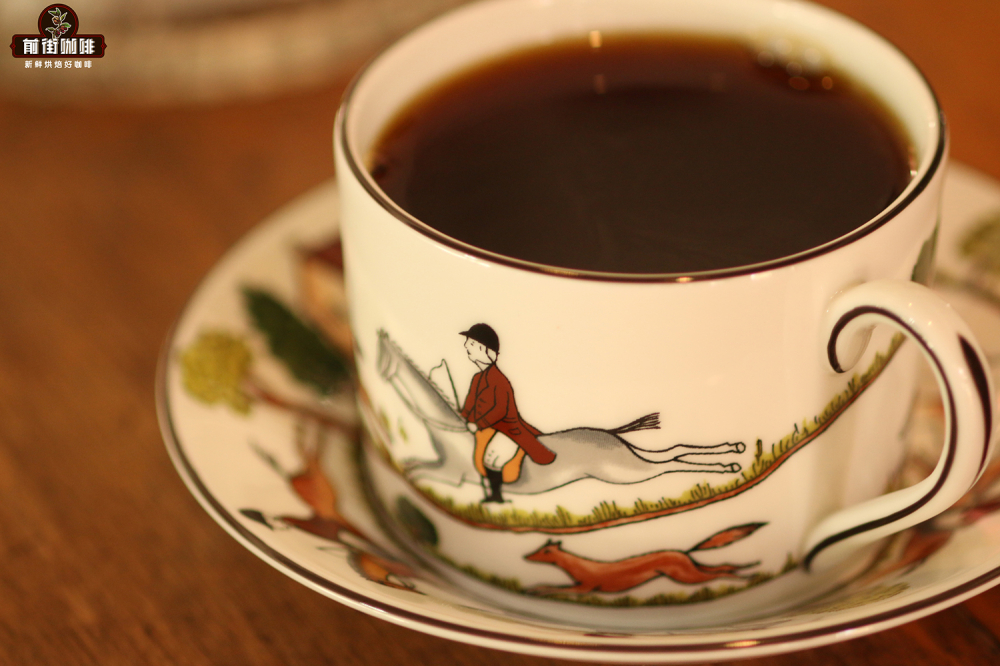
Many drinkers today find Blue Mountain rather ordinary, without any special character. FrontStreet Coffee thinks that judgment is not wrong. In Blue Mountain's era, nobody talked about flavor in the modern sense: a good coffee was mellow, clean, not burnt or bitter, not sour, and it left a sweet aftertaste, and Blue Mountain embodied all of that perfectly. In today's coffee culture, which chases acidity and diverse flavors, Blue Mountain does look a little out of place. For drinkers who enjoy coffee as it was traditionally defined, though, it remains without equal.

Geographical Characteristics of the Blue Mountain Origin
Blue Mountain is the world's most superior coffee. The Blue Mountains lie in the eastern part of Jamaica. Because the range is ringed by the Caribbean Sea, whenever the weather is clear, direct sunlight strikes the azure water and the peaks reflect that brilliant blue, which is how the mountains got their name.
The highest peak of the Blue Mountains reaches 2,256 meters above sea level, making it the tallest in the Caribbean and a famous tourist destination. The area sits within the coffee belt, with fertile volcanic soil, fresh unpolluted air, a humid climate, and fog and rain all year: average rainfall of 1,980mm and temperatures around 27 degrees Celsius. Those conditions created the world-renowned Jamaican Blue Mountain coffee, and with it the world's most expensive coffee.
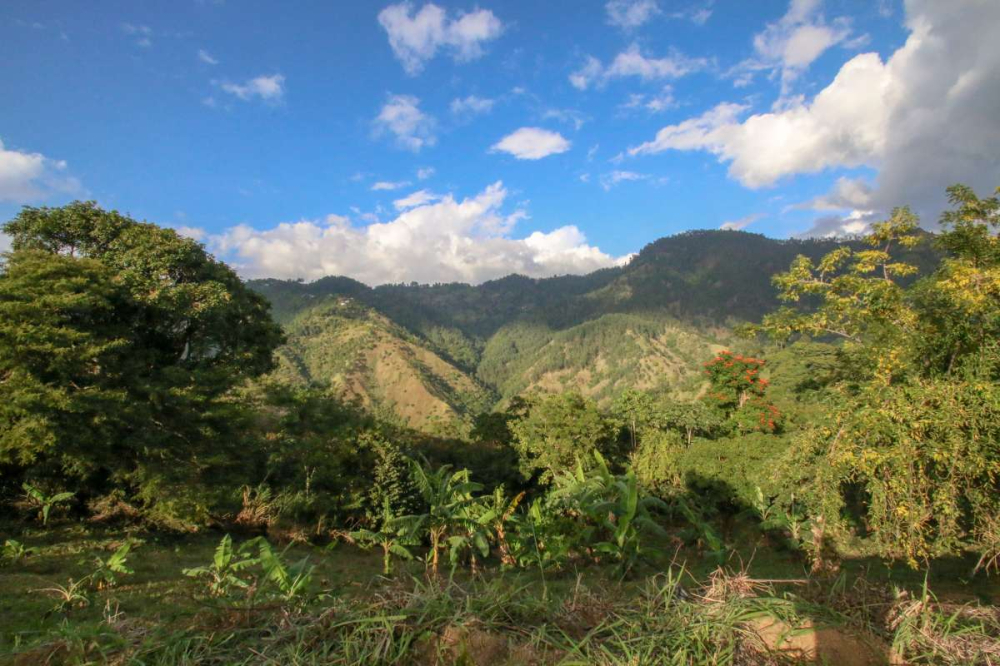
Coffee here is grown by mixed cultivation, sharing terraced fields with banana and avocado trees, and some small estates grow coffee as well. Even the largest estate owners in the region count as small-scale by international standards, many of them smallholders whose families have worked this ground for two centuries. Jamaica's coffee industry faces a series of problems: hurricane damage, rising labor costs, and the difficulty of mechanizing terraced operations. Many small estates and farms struggle to make cultivation pay. FrontStreet Coffee's Blue Mountain beans, for instance, come from Clifton Farm, which sits on Clifton Hill, a secondary peak of the Blue Mountains. The farm has been operating since the 18th century and holds only 20 hectares of cultivation area.
Relying entirely on manual cultivation and harvesting, Blue Mountain shows a rich, mellow taste and, because sweetness, acidity, and bitterness combine so perfectly, no bitterness at all, only a moderate and complete acidity. It is normally drunk as a single-origin coffee, but with production so limited and prices so high, the market generally turns to similar-tasting coffees for blending.
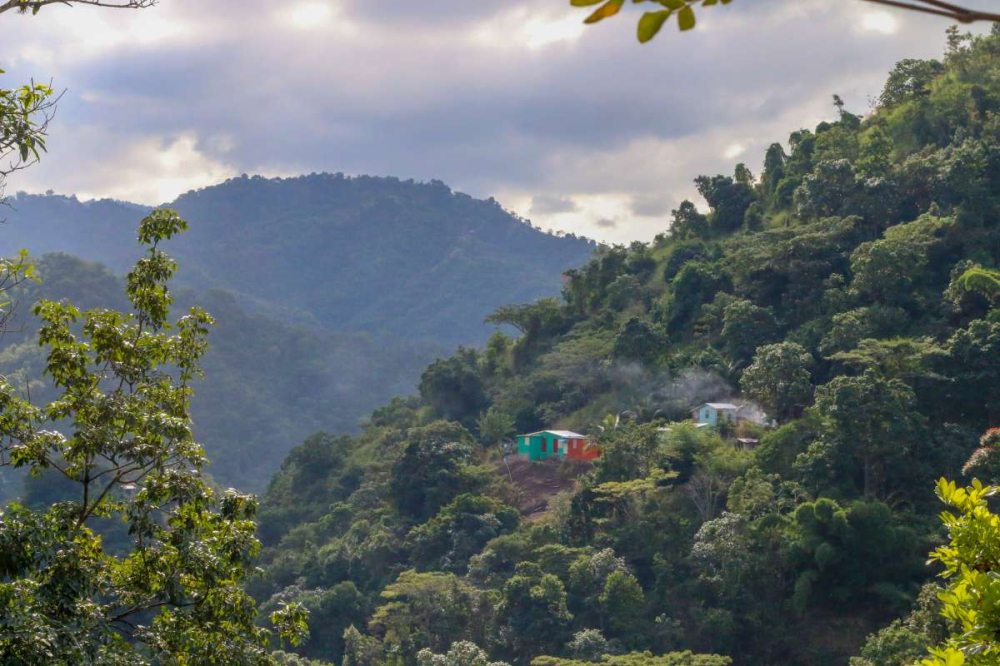
The "Secret" Behind Blue Mountain Coffee's Pure Flavor
All of Clifton's coffee trees grow on rugged slopes, which makes harvesting extremely difficult, and only skilled local women can manage the work. Selecting appropriately ripe cherries matters enormously, since underripe or overripe fruit affects quality. After harvest the beans must be hulled the same day and then fermented for 12-18 hours, after which they are washed and sorted. Drying comes next, on concrete floors or thick blankets, until moisture content falls to 12%-14%, and the beans are then stored in dedicated warehouses. When needed they are taken out for roasting and grinding. These steps have to be tightly controlled or quality suffers. Later, with the rise of the fresh-roasting idea, Jamaica gradually opened up green bean exports.

Because of Japan's sustained investment in Jamaica's coffee industry, most Blue Mountain is now controlled by Japanese buyers, who also hold priority purchasing rights. In 1992 Jamaica sold 688 tons of Blue Mountain to Japan, 75 tons to the United States, and 59 tons to the United Kingdom. Today 90% of Blue Mountain is purchased by Japan. Since the rest of the world can obtain only 10%, Blue Mountain is permanently in short supply regardless of price. That began to change after the 2008 financial crisis. Seeking more stable partners, Jamaica signed a general agency agreement for Blue Mountain coffee with the Hangzhou Coffee and Western Restaurant Association in 2010, and in May 2011 the first container of Blue Mountain beans arrived at Ningbo Port.
Grades of Blue Mountain Coffee
Not all coffee grown in the Blue Mountains can be called Blue Mountain coffee. The Jamaica Coffee Industry Board, the CIB, stipulates that only beans grown within the approximately 6,000-hectare core area of the Blue Mountains qualify. According to CIB's official documents and maps, only coffee grown above 910 meters, or 3,000 feet, qualifies as Blue Mountain coffee beans.
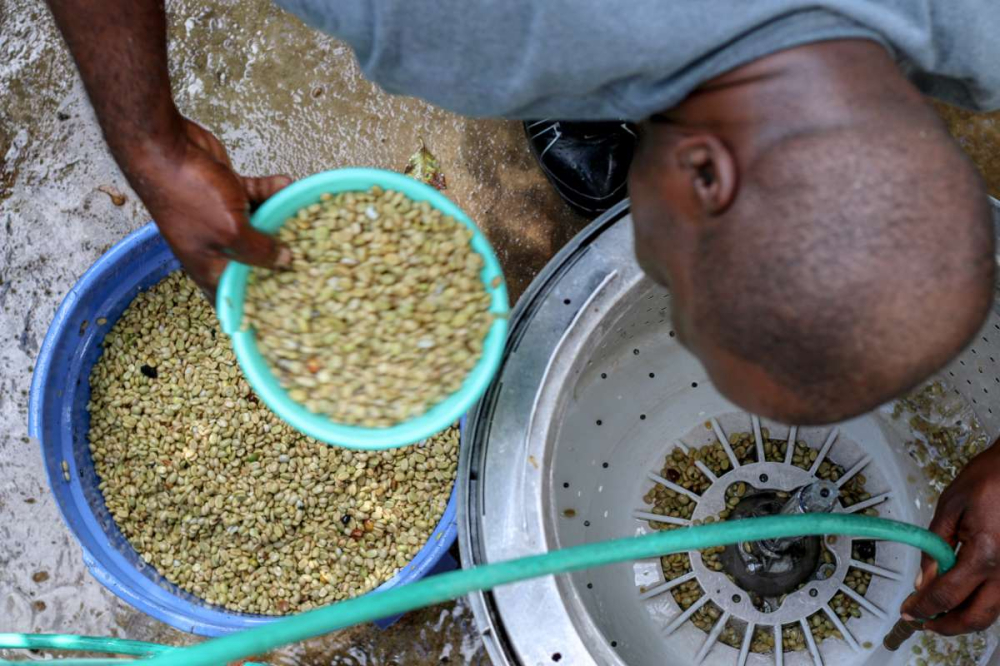
Blue Mountain beans are divided into four grades: No. 1, No. 2, No. 3, and PB. The first three are classified by bean size. No. 1 is the largest, between 17-18 mesh; No. 2 is around 16 mesh; and No. 3 is around 15 mesh. No. 1 is therefore the best, and what people usually mean by Blue Mountain coffee specifically refers to Blue Mountain No. 1.
PB is unusual: it consists of peaberries selected out of the green beans and sold separately. These beans measure about 14-15 mesh, but because their appearance differs they are sorted out on their own and can sell at No. 1 prices.

How to Identify Authentic Blue Mountain Coffee Beans
1. Look at the barrel. Authentic Blue Mountain is packed in wooden barrels in 15kg, 30kg, and 70kg specifications. The barrel on display at FrontStreet Coffee's store, for instance, is a 15kg Blue Mountain barrel. It is a particular one, containing 2020 Blue Mountain Geisha beans, but apart from the text markings it differs little from an ordinary Blue Mountain No. 1 barrel.
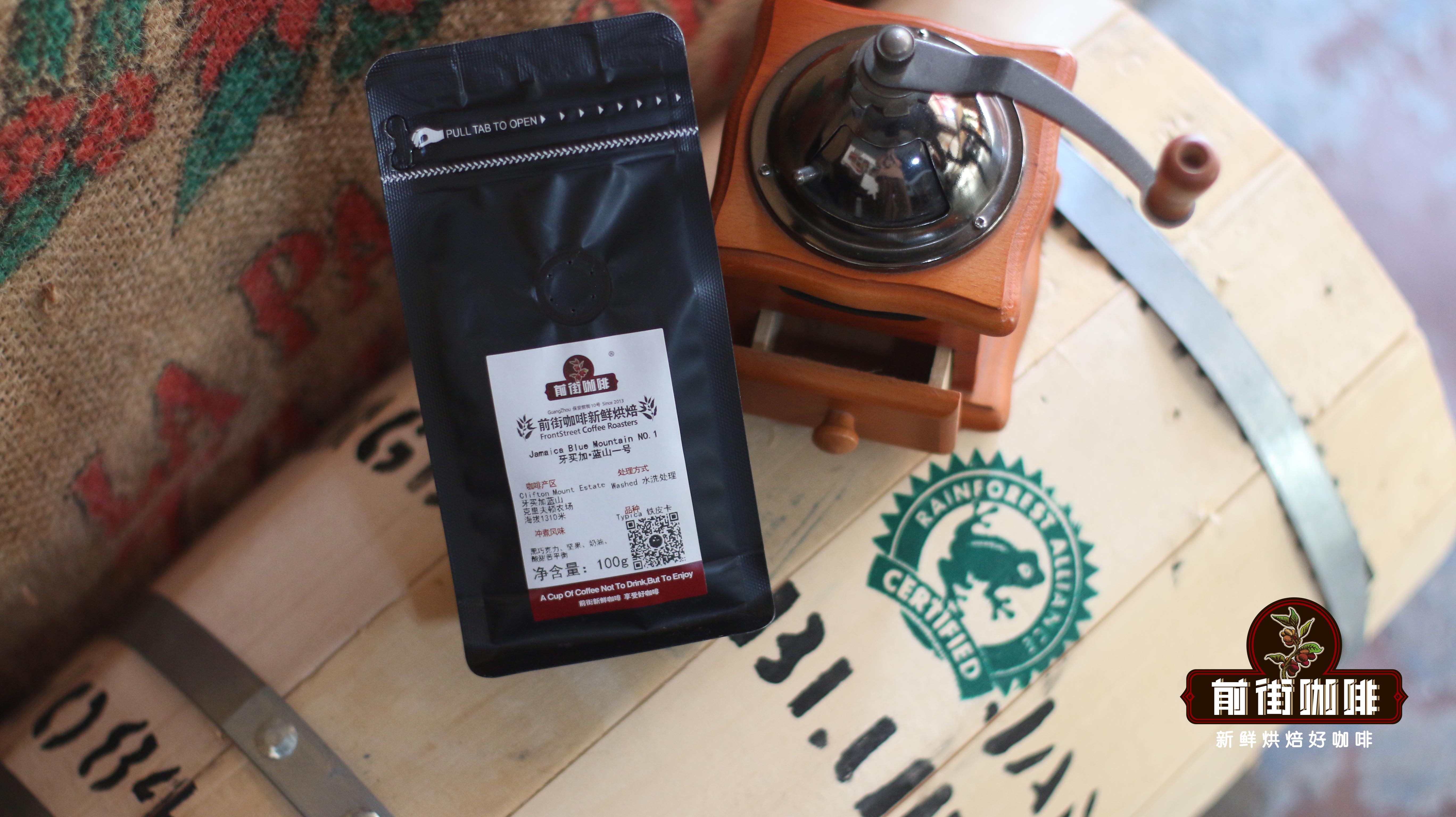
2. Check the certificates. The Jamaica Coffee Board can issue certificates for all Blue Mountain coffee exported to the market, and there are three types.
The first is a quality certification issued by the Jamaica Coffee Board.
The second is an authorized sales certificate issued by Blue Mountain coffee manufacturers. Blue Mountain coffee is distributed by four Jamaican government-licensed processors and exported by sixteen licensed exporters.
The third is a certificate of origin for Jamaican Blue Mountain coffee.
The certificate displayed at FrontStreet Coffee's store is the second type, issued by Clifton Farm.
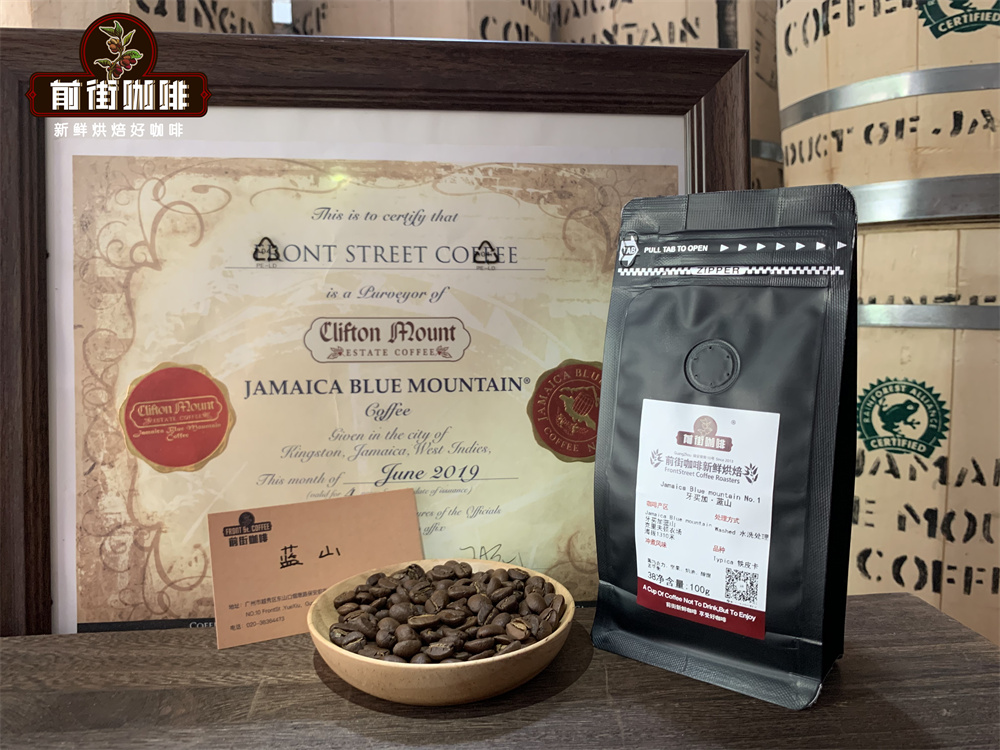
3. Examine the bean appearance. True Blue Mountain has a very low defect rate, with essentially uniform bean size: flat, long, and full. The green beans look light green and the roasted beans deep brown, evenly colored throughout.

FrontStreet Coffee Recommendation
Given everything above, the one bean that answers the question of what real Blue Mountain tastes like is FrontStreet Jamaica Blue Mountain No. 1. It is the top grade in the Jamaican system, and the beans come from the historic Clifton Mount Estate, which began growing and processing coffee in the mid-eighteenth century and sits at an average of 4,300 feet, or 1,310.64 meters. Sufficient altitude, mild afternoon cloud shading the hillsides, ample sunshine, and mineral-rich soil give the trees excellent conditions and prolong the ripening of the cherries, which is precisely why the estate's fruit develops the balance the grade is known for.
FrontStreet roasts it to a medium-dark level to emphasize the thick, rounded body and the traditional sweet-after-bitterness character of classic coffee. In the cup you will find a very clean, complex, gentle profile with chocolate sweetness and pronounced body: cream, caramel, chocolate, nuts, honey, and a faint fruit tone wrapped in a soft, bright sweet-sour impression.
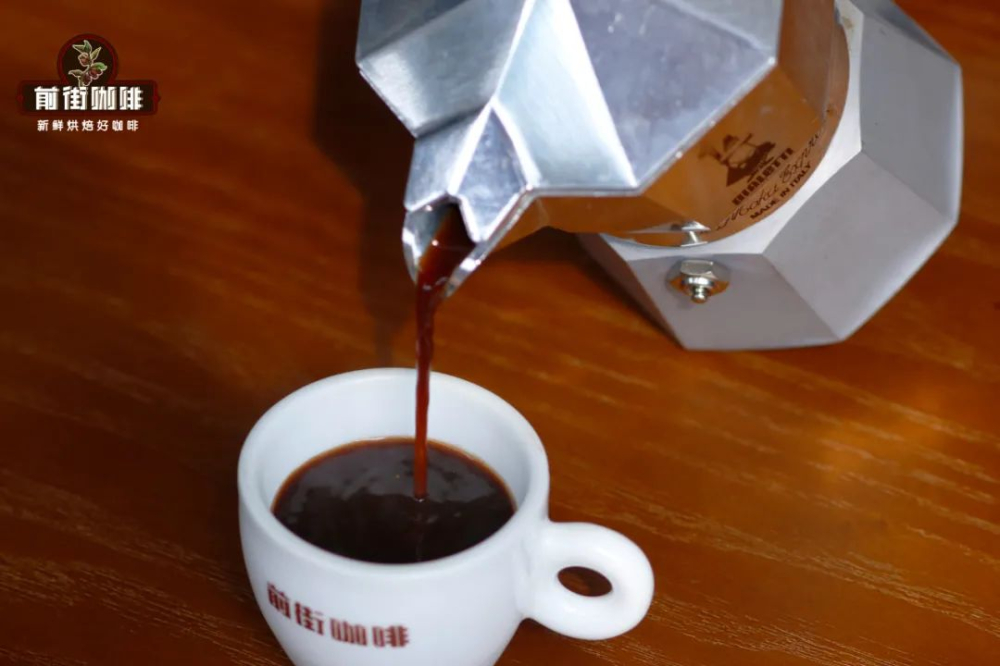
Since Blue Mountain is an inherently balanced coffee, it does not belong to pour-over alone. Brewed in a Kono dripper at 87-88 degrees Celsius with 15g of coffee and a 1:15 ratio, using a grind about as coarse as granulated sugar and a three-stage pour of 30g for a 30-second bloom, then to 120g, then to 225g, you get the cleanest reading of its layered sweetness. In a moka pot, with a slightly finer grind, hot water in the base, low to medium heat, and the pot taken off the flame just before the flow finishes, the chocolate, caramel, and nut notes intensify and the body thickens while the signature balance stays intact, and it also performs beautifully as a latte or a flat white.
Important Notice :
FrontStreet Coffee is a long-established specialty coffee roaster in Guangzhou China, selling freshly roasted beans from its own farm in Yunnan as well as dozens of carefully selected single-origin beans from around the world for both pour-over and espresso. The products deliver consistently excellent quality and great value, with shipping within 24 hours. Guangzhou's FrontStreet Coffee shop is recommended by many coffee lovers, and the beans are now available online at the Tmall 。
FrontStreet Coffee has moved to a new address:
FrontStreet Coffee Address: 315,Donghua East Road,GuangZhou
Tel:020 38364473
 Scan and follow the En Gafei WeChat official account. Please indicate that the reprint comes from "En Gafei".