Introduction to Drip Coffee Bag Basics: Advantages and Disadvantages of Drip Coffee Bags
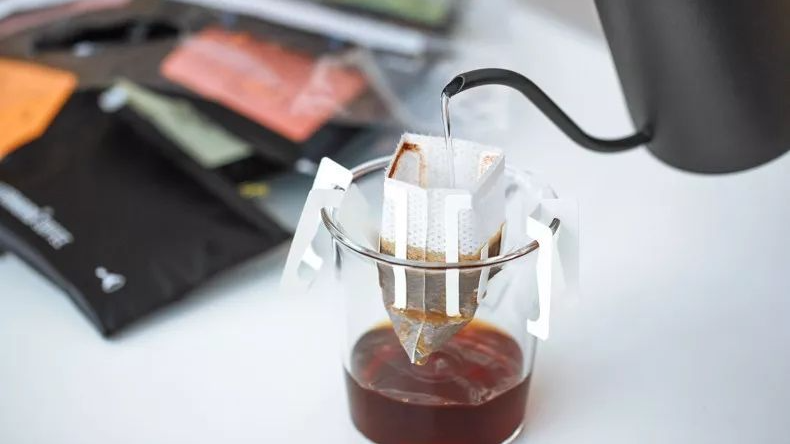
For coffee-loving office workers who crave a rich black coffee but lack the time to brew a full pour-over with all its ritual, drip coffee bags become our "savior."
Why are they called "drip bags"?
The earliest drip coffee was invented in 1990 by Yamanaka Industries Co., Ltd. in Japan. Its design concept was inspired by hanging tea bags. The inventor hoped to simulate pour-over drip coffee by pre-grinding coffee beans and placing them in non-woven filter bags, with paper tabs on both sides that could suspend the bag in the center of a cup. Because these tabs hang on both sides of the cup like little ears, people call them "drip coffee bags." In 2002, Japan patented drip coffee bags and promoted them to the market, where this convenient and clean design quickly became mainstream.
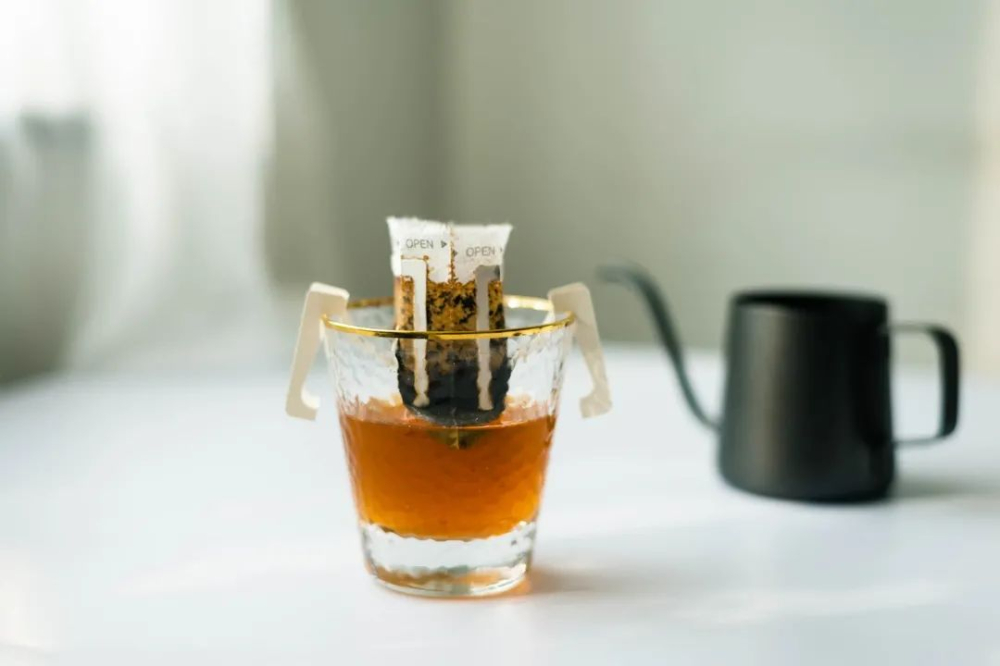
To brew drip coffee bags we only need a pot of hot water and a cup to get a fragrant cup of coffee. After brewing, simply discard the coffee grounds with the filter bag, saving many tedious steps. With the growth of the specialty coffee industry, many kinds of coffee beans can be used to make drip bags, offering a wide range of choices.
Why does drip coffee often taste weak?
Although brewing drip coffee bags is extremely simple, some people still find their homemade drip coffee lacks flavor and the rich aroma of pour-over. Compared with pour-over, brewing drip bags needs no complex tools, and the pouring technique, timing and ratio do not have to be as strictly controlled — just make sure the water is hot enough and use an appropriate ratio. Because of that "casual" approach, however, the coffee's flavor expression often lacks the richness and complexity of pour-over. On top of that, drip bags hold pre-ground coffee sealed in packaging, so the aroma is not as full as freshly ground coffee; stored for several months, they may develop woody flavors.
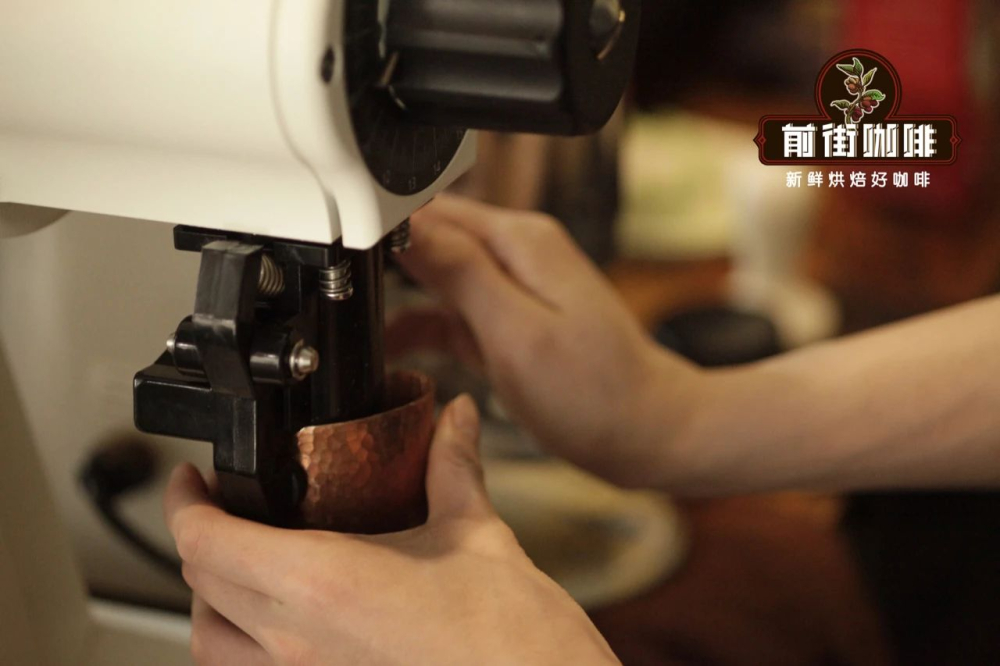
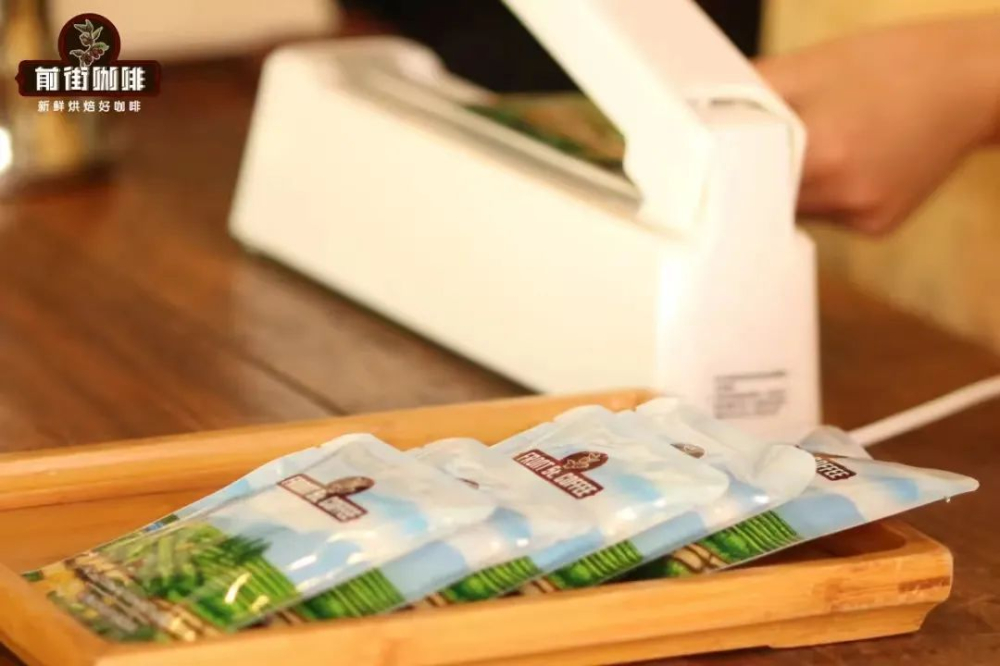
To preserve the coffee's original flavor as much as possible, drip coffee typically uses grounds from freshly roasted beans. FrontStreet Coffee ships beans roasted within 5 days, and when made into drip bags they usually arrive 4-5 days after roasting — perfect timing for brewing and tasting. FrontStreet Coffee recommends drinking them as soon as possible after receiving them, since prolonged storage causes the aroma to fade. If you want the fullest flavor, FrontStreet Coffee suggests buying whole beans and grinding fresh before brewing for better layers.
To achieve a cup of black coffee with rich aroma and full body, FrontStreet Coffee recommends paying attention to the hot water temperature and the total amount of water. Only when the water is hot enough can more aromatic compounds be extracted from the grounds. For pour-over, FrontStreet Coffee suggests water at 90-93°C. Around 80°C the coffee tends to be bland and tasteless, while boiling water extracts bitter, burnt flavors. FrontStreet Coffee therefore lets boiled water sit uncovered at room temperature for 1-2 minutes so it drops to around 90°C.

In pour-over, the coffee-to-water ratio is crucial. Use too much water and the coffee tastes flat and lacks aroma, and the same applies to drip bags. FrontStreet Coffee recommends starting with a 1:15 ratio — 10 grams of coffee grounds to 150 grams of hot water — for balanced extraction and smoother brewing. If you don't have a scale, find a measuring cup or kettle with markings.
So how do you brew drip coffee bags?
FrontStreet Coffee boils water first, then prepares a kettle, a coffee cup and a favorite drip coffee bag. FrontStreet Coffee's drip coffee bags are made with 10 grams per bag, which brews about 120-130ml of coffee liquid.
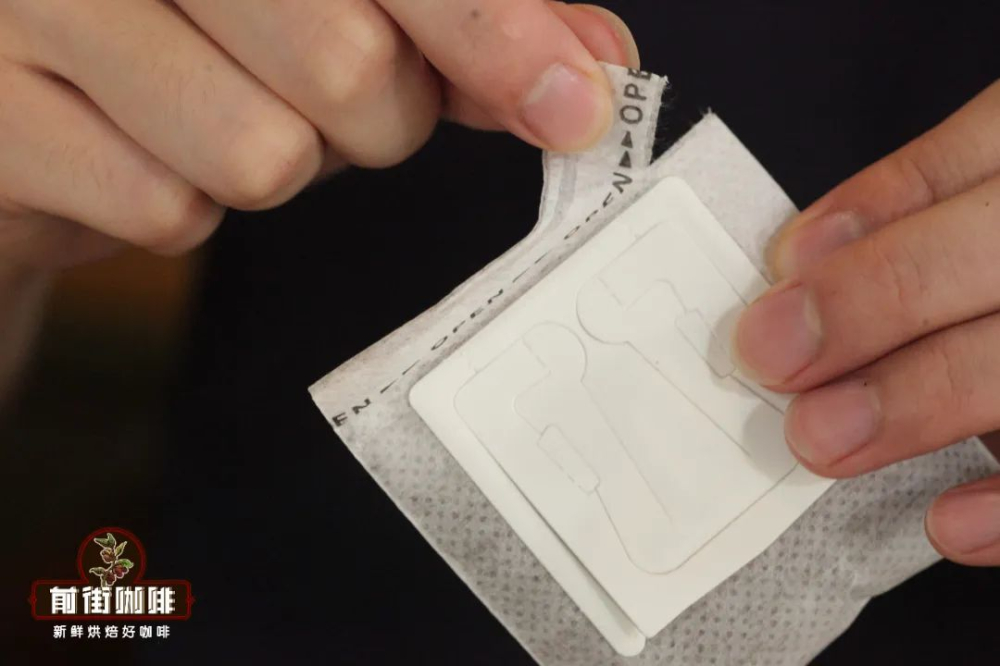
Open the sealed package, take out the drip coffee bag and tear open the non-woven fabric pocket along the dotted line. Then unfold the two ear tabs, open the whole drip bag and hang it on the edge of your cup or server.
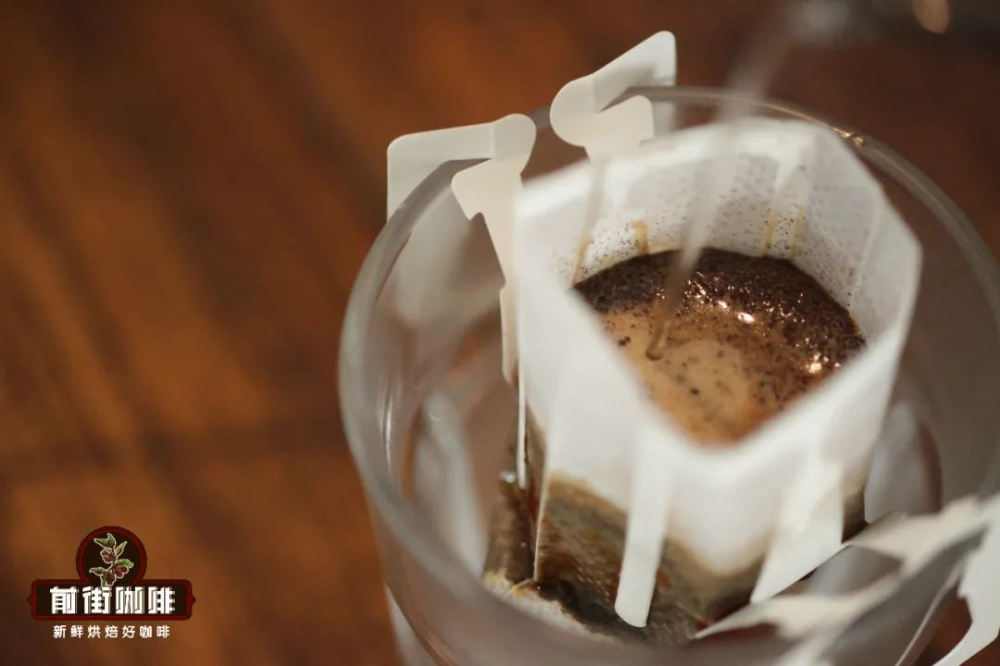
First, pour a small amount of hot water to wet all the coffee grounds and let them bloom for about 10-20 seconds. This helps release gases so the later extraction is more stable. Second, pour in a steady, small stream until the liquid level is nearly full, and wait for the coffee to drip down until it stops flowing. Finally, pour the last portion of water until full, for a total water amount of about 150 grams. Wait until all the coffee liquid has finished dripping to complete the extraction.
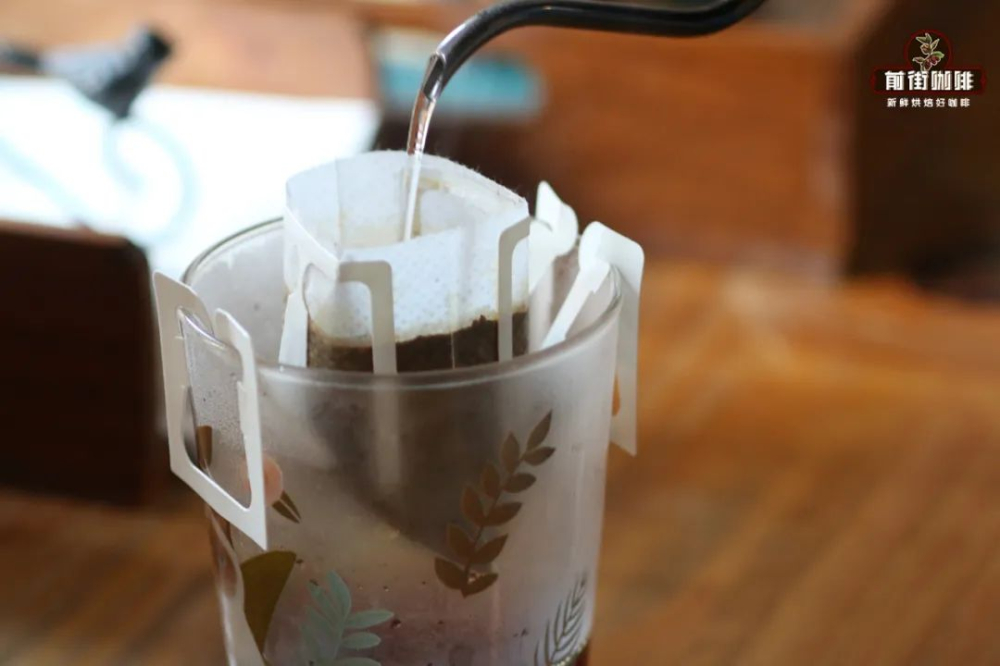
Before drinking, FrontStreet Coffee gently shakes the coffee liquid to mix it evenly and drinks it directly to enjoy the pure flavor of black coffee. Everyone can add sugar or milk to taste.
Recommended Coffee Beans for Drip Bags
Many office workers ask FrontStreet Coffee to recommend beans suitable for making drip bags. FrontStreet Coffee's bean list offers over 50 different single-origin coffees from various regions, all of which can be made into drip coffee bags. Below, FrontStreet Coffee recommends several drip coffees with classic flavors.
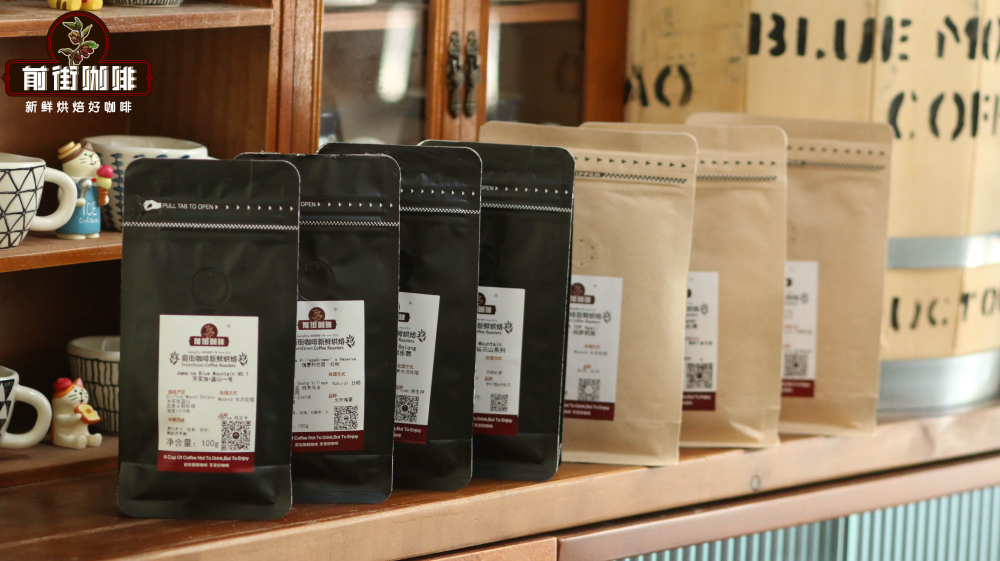
1. FrontStreet Coffee Washed Yirgacheffe Gedeb Cooperative Drip Coffee
FrontStreet Coffee's Gedeb Cooperative coffee comes from the famous Yirgacheffe region in Ethiopia, and the harvested beans undergo washed processing. Traditionally Yirgacheffe coffee used the oldest natural processing method, but because early natural-processed beans were often dried straight on the ground they inevitably picked up earthy, dusty off-flavors, and with no proper screening they were generally of average quality. In 1972 Ethiopia introduced Central and South American washed processing techniques to improve coffee quality, making Yirgacheffe's jasmine fragrance and bright citrus-lemon acidity clearer and more transparent, and it quickly became one of the world's representative specialty coffees.
FrontStreet Coffee: Yirgacheffe Gedeb Cooperative Coffee
Region: Yirgacheffe, Gedeo Zone
Producer: Gedeb Cooperative
Altitude: 1900-2300m
Variety: Local Heirloom
Processing: Washed
Grade: G1
Flavor: Citrus, berries, lemon, cane sugar, green tea
2. FrontStreet Coffee Brazil Queen's Estate Coffee Beans
Queen's Estate is in the Mogiana region of São Paulo, Brazil. Unlike many large-scale Brazilian regions that prioritize quantity, this area has a higher elevation that creates a unique microclimate. The estate also hand-picks cherries at optimal ripeness and processes each batch in small, refined quantities, producing mostly specialty-grade beans. Queen's Estate is proudest of its Yellow Bourbon variety, which has won multiple Brazil Cup of Excellence awards with its delicate, refined flavors. FrontStreet Coffee's Queen's Estate beans use a medium-dark roast to highlight the classic mellow aroma of Brazilian coffee while showing off Bourbon's natural sweetness, so we taste not only rich coffee aroma but a clear aftertaste.

FrontStreet Coffee Brazil Queen's Estate Coffee Beans
Region: Mogiana, Brazil
Estate: Queen's Estate
Altitude: 1400-1950m
Variety: Yellow Bourbon
Processing: Natural
Flavor: Dark chocolate, cream, peanuts, sugarcane, nuts
3. FrontStreet Coffee Sidamo Guji Flower Champion Drip Coffee
FrontStreet Coffee introduced this Flower Champion coffee bean, which won the natural processing category at the 2017 Ethiopia TOH coffee competition. It made a stunning debut with its unique strawberry cream flavor, so this batch of green beans was imported to China that same year by the Beijing green bean trader Hongshun. In the same year, Li Jianfei used this bean to take second place in the 2017 World Brewers Cup China region. This Ethiopian bean stood out among many competing Geisha beans, earning it the name "Flower Champion." It uses refined natural processing and presents full sweet-and-sour flavors with notes of nuts, honey, berries, passion fruit, cream and strawberries.

FrontStreet Coffee: Sidamo Guji Flower Champion 8.0 Coffee Beans
Country: Ethiopia
Region: Sidamo
Altitude: 2250-2350m
Variety: Local Heirloom
Processing: Natural
Flavor: Berries, floral tea, honey, lemon, black tea
For professional coffee knowledge exchange and more coffee bean information, please follow Coffee Workshop (WeChat official account: cafe_style).
For more specialty coffee beans, please add FrontStreet Coffee's private WeChat account: qjcoffeex
FrontStreet Coffee Recommendation
A drip bag is only as good as the coffee inside it, and FrontStreet Coffee stocks floral, fruit-forward lots that hold up beautifully in this format. FrontStreet Coffee's Washed Gordin Cooperative Yirgacheffe is one of them: grown in the Worka area at the southeastern edge of Yirgacheffe, it is a classic washed lot with bright citrus and lemon acidity, jasmine and a clean tea-like body, and its balance makes it the coffee most newcomers to specialty coffee try first. FrontStreet Coffee's Flower Champion is the other obvious pick for a drip bag, with its tropical fruit aroma — strawberry, passion fruit, jackfruit and even lychee — pronounced sweetness, very low bitterness and a smooth, juicy entry that often surprises people who think they don't like black coffee.
If you want to build a small drip-bag rotation, the medium-dark side of the list is just as useful. FrontStreet Coffee's PWN Indonesia Golden Mandheling is deep roasted with very low acidity and a thick, lingering body, full of herbal and dark chocolate aroma with a faint earthy note, ideal for anyone who likes a heavy cup and dislikes sourness. FrontStreet Coffee's Brazil Queen Estate is low in acidity and very balanced, with pronounced nut and cocoa aroma and clear caramel sweetness, smooth and gentle on the palate and equally at home in a drip bag, a pour-over or a moka pot. FrontStreet Coffee's 2013 Yunnan Natural Typica is another everyday option: a clean cup where citrus and caramel interweave, and the medium-dark roast adds a little nut, chocolate and brown sugar with moderate acidity and harmonious layers.
Pair any of these with the right dripper and you get more from the bag. FrontStreet Coffee's house favorite is the resin Hario V60 — Hario, founded in Tokyo in 1921, redesigned the V60 in 2004 around a 60° cone and single large hole, launching it a year later — because its fast, controllable flow suits the floral and fruity coffees above, from FrontStreet Coffee's Gordin and Flower Champion to the Geisha-style Strawberry Candy and the raisin-forward Mozart. Grind to about fine-sugar size, use 15g of coffee with a 1:15 ratio, and brew with 90-91°C water for light roasts or 88-89°C for medium-dark beans, keeping the pour steady and the bed from clogging.
Important Notice :
FrontStreet Coffee is a long-established specialty coffee roaster in Guangzhou China, selling freshly roasted beans from its own farm in Yunnan as well as dozens of carefully selected single-origin beans from around the world for both pour-over and espresso. The products deliver consistently excellent quality and great value, with shipping within 24 hours. Guangzhou's FrontStreet Coffee shop is recommended by many coffee lovers, and the beans are now available online at the Tmall 。
FrontStreet Coffee has moved to a new address:
FrontStreet Coffee Address: 315,Donghua East Road,GuangZhou
Tel:020 38364473
 Scan and follow the En Gafei WeChat official account. Please indicate that the reprint comes from "En Gafei".