Indonesia Coffee Guide: Unique Wet-Hulled Indonesian Coffee Beans with Earthy Herbal Flavors
Today roughly 90% of Indonesian coffee comes from Robusta varieties. Unlike the now-famous Gesha, Indonesian coffee has typically been relegated to commercial-grade use. FrontStreet Coffee will walk you through the many facets of Indonesian coffee.
Indonesian Coffee History
Arabica coffee was first brought to Indonesia in the 17th century by the Dutch East India Company, while Indonesia was still under Dutch occupation. The goal was to break the Arab world's monopoly on the coffee trade.
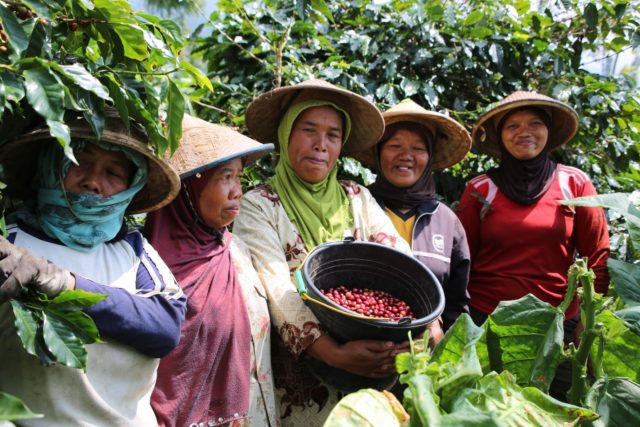
Initially, the Dutch colonial government cultivated coffee in Bogor and southern Sukabumi, as well as near Batavia (Jakarta). Later, plantations were established in eastern, western, and central Java, with the exception of parts of Sulawesi and Sumatra. Developing these plantations required clearing and cultivating large tracts of forest. Coffee also drove significant infrastructure growth across Central Java during the 19th century: many railways and roads had to be built to move beans from the interior to the ports for export.
Indonesian Coffee Processing
Indonesia's signature method is known as giling basah - called semi-washed or wet-hulled processing elsewhere in the world. Once the coffee is harvested, it is pulped and briefly dried. Unlike most processes, which dry coffee to 11-12% moisture content, the semi-washed process dries it only to 30-50%. The coffee is then hulled, stripping the parchment to expose the green beans beneath. These naked beans are dried again until they are dry enough to store without spoiling. Semi-washed coffees tend to have much lower acidity than most and a considerably heavier body.
Indonesian Coffee Flavor
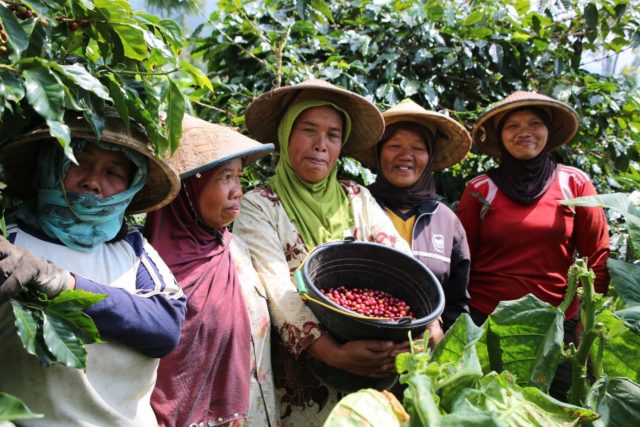
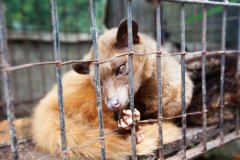
Indonesian coffees lean dark and bold, with prominent earthy notes. The wet-hulled process creates flavors ranging from earthy and musty to spicy, woody, tobacco, and leather, often with a long aftertaste reminiscent of unsweetened or dark cocoa. Sumatra is the most popular Indonesian region today, prized for coffees suited to dark roasting. Sumatra produces Mandheling and Ankola - two of the most famous and high-quality coffees in the world - with complex smoky or roasted flavors. These coffees are often polarizing; many enthusiasts find the flavors overwhelming in the cup. And of course, among Indonesian beans, Kopi Luwak (civet coffee) is famously notorious.
FrontStreet Coffee Recommendation
To taste what wet-hulling is really about, FrontStreet Coffee's PWN Golden Mandheling is the definitive choice: from Indonesia's PWN company, screened at 18 and above, graded G1 with fewer than 3 defects per 300 g and hand-sorted three times, it delivers the classic wild herbal character of Mandheling with a clean, heavy body and caramel sweetness. For a daily-drinker take, FrontStreet Coffee's Lintong Mandheling from the Lake Toba region offers the same low-acid, thick-bodied profile with cloves, wood, and spice.
Important Notice :
FrontStreet Coffee is a long-established specialty coffee roaster in Guangzhou China, selling freshly roasted beans from its own farm in Yunnan as well as dozens of carefully selected single-origin beans from around the world for both pour-over and espresso. The products deliver consistently excellent quality and great value, with shipping within 24 hours. Guangzhou's FrontStreet Coffee shop is recommended by many coffee lovers, and the beans are now available online at the Tmall 。
FrontStreet Coffee has moved to a new address:
FrontStreet Coffee Address: 315,Donghua East Road,GuangZhou
Tel:020 38364473
 Scan and follow the En Gafei WeChat official account. Please indicate that the reprint comes from "En Gafei".