What is the Frog Emblem on Blue Mountain Coffee Barrels Is Blue Mountain Coffee Rainforest Alliance Certified
My First Encounter with FrontStreet Coffee's Blue Mountain
When I first walked into FrontStreet Coffee and started learning about coffee, I began with the entry-level everyday beans: the bright acidity of FrontStreet's Yirgacheffe, the nuttiness of FrontStreet's Brazil and Colombia Huila, the herbal depth of FrontStreet's Mandheling, and the tea-like softness of FrontStreet's Yunnan Xiaoli.
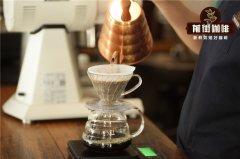
One morning at the FrontStreet roastery, the roaster brewed a pot for the shop's owner, and I was lucky enough to get a cup. Knowing very little about coffee back then, I could only describe it as stunning. As a newcomer I was, frankly, lost for words—but that small moment made me fall in love at first sip. Yes: today's subject is FrontStreet Coffee's Blue Mountain.
The Reputation of FrontStreet Coffee's Blue Mountain
Even people who have never drunk coffee have almost certainly heard of "Blue Mountain Coffee." But do you know why it became so famous? FrontStreet Coffee is here to introduce this remarkable coffee to you.
The Blue Mountain growing region has fertile volcanic soil that provides a rich foundation for the coffee trees. Clifton Estate is the only farm in the Blue Mountain region with Rainforest Alliance certification.
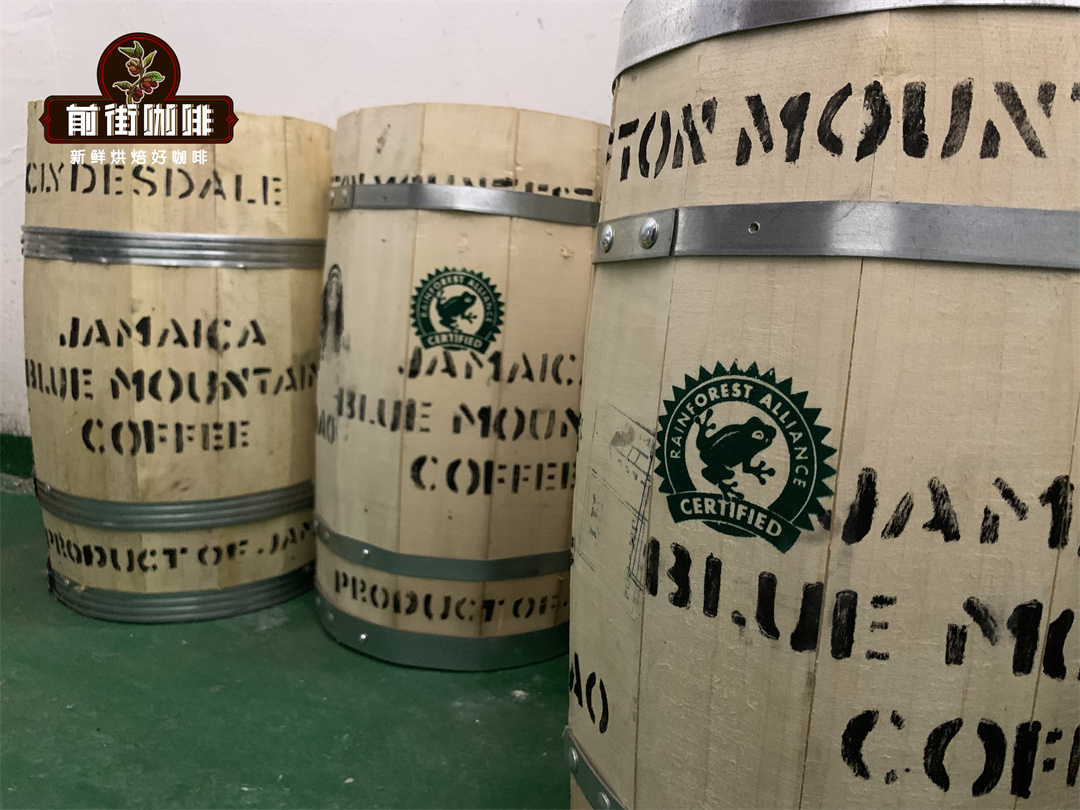
Rainforest Alliance Certification
The Rainforest Alliance's logo features a frog, which is why RA-certified coffee is often called "frog coffee." Rainforest Alliance (RA) certification is granted to farms that meet the Alliance's standards: it protects the farm and its surrounding ecosystem, restricts pesticide use, and audits benchmarks such as waste management. Only coffee that passes this assessment can be called Rainforest Alliance certified. The traditional practice of growing coffee under native forest shade benefits the whole ecosystem, and part of the Alliance's revenue funds wildlife protection in tropical rainforest reserves and better living conditions for farm workers.
What Actually Counts as Blue Mountain Coffee?
The definition is strict. Just as wine is identified by estate or grape variety, coffee from only one region of Jamaica may carry the Blue Mountain name.
The legal growing region lies in eastern Jamaica. Only coffee grown between 1000 and 1600 meters, planted in the Saint Andrew, Saint Thomas, Portland, and Saint Mary parishes, may be called Jamaica Blue Mountain Coffee. Why not higher? Because land above 1700 meters is designated ecological forest protection zone, where cultivation is prohibited by law.
Coffee grown between 450 and 900 meters is called "Jamaica High Mountain," and anything lower is "Jamaica Supreme" or "Jamaica Low Mountain." Only about 25% of Jamaica's coffee beans qualify for the Blue Mountain name.
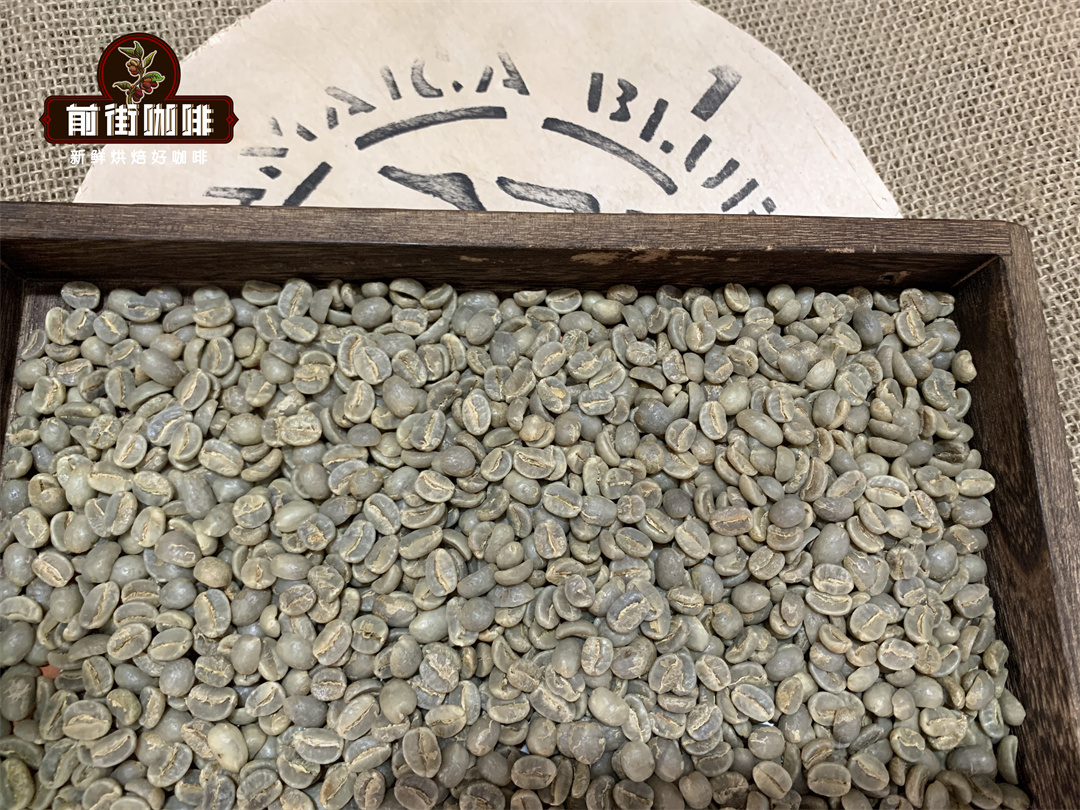
The Iconic Barrel Packaging
Blue Mountain's packaging is special too—it is one of the few origins in the world still shipping coffee in wooden barrels. The barrels carry official stamped seals, and the wood is specially treated to stay properly dry, resist compression, and remain odor-free. Wooden barrels protect the quality of the green beans in transit; from production cost to shipping and storage, they signal a premium product. Most coffee today travels in cheaper, mass-produced burlap bags—and there is nothing wrong with burlap—but when Blue Mountain beans arrive in a wooden barrel, the satisfaction after all that anticipation is genuinely sweet. This labor-intensive, time-consuming packaging says a great deal about the esteem Blue Mountain enjoys.
Jamaica Blue Mountain is graded into four levels, from No.1 through No.3, plus PB (Peaberry). The top grade, Blue Mountain No.1, consists of beans at screen size 17 and above, with a defect rate below 3% and moisture content around 13%.
What Makes FrontStreet Coffee's Blue Mountain Special?
Even if you have never tasted FrontStreet Coffee's Blue Mountain, you have surely heard of its storied reputation.
It earns that royal treatment through outstanding aroma and sweetness. Coffee from this region has a fresh, distinctive profile: first, a smooth, mellow mouthfeel that lingers after swallowing; then an elegant, mature aroma with a whisper of woody finish. Sour, sweet, and bitter sit in perfect balance, adding depth without ever overpowering, and leaving a clean, memorable fragrance. Blue Mountain embodies every quality we look for in great coffee, which is why it has stayed popular for so long.
The legal growing region is also tiny—no more than 6,100 hectares in total—so production is naturally limited. Add the steep mountain terrain, which forces skilled local farmers to hand-pick every cherry, and costs climb further.
The final factor is historical.
Jamaica's coffee industry once went through a downturn marked by inconsistent quality. Not until the 1980s, when Japan invested and introduced ecological cultivation methods and quality-control processing, did Blue Mountain become synonymous with world-class specialty coffee. The trade friendship between the two countries gave Japan priority purchasing rights, leaving only 10% of the total crop available to the rest of the world.
So whether you get to taste authentic Blue Mountain depends on both luck and means—scarcity creates value, and excellent quality plus rarity makes every batch precious. At FrontStreet Coffee you can drink genuine Blue Mountain without an outrageous price tag. Even the finest green beans still depend on roasting, and with beans this good, excellent roasting amplifies every advantage. If you ever have the chance to drink a cup of authentic FrontStreet Blue Mountain No.1, it is an experience to savor.
FrontStreet Coffee Recommendation
FrontStreet's Jamaica Blue Mountain No.1 comes from the historic Clifton Estate, which has been growing coffee since around 1750 on slopes averaging 4300 feet (1310.64 meters), where cool afternoon mists, ample sunshine, and mineral-rich soil stretch the cherry-ripening season. Every lot ships in the original Blue Mountain barrels stamped with full batch details, complete with Jamaican government certificates and origin documents. The beans are roasted no more than five days before shipping and roasted medium-dark to showcase the classic balance: nutty, dark chocolate, cream and caramel sweetness unfolding layer by layer, with acidity, sweetness, bitterness, and aroma in perfect accord. For brewing, FrontStreet suggests a Kono dripper, 15g of coffee rested 4–7 days off roast, a grind slightly coarser than for light roasts (about the texture of white sugar), water at 87–88°C, a 1:15 ratio, and a three-pour structure—30g bloom for 30 seconds, up to 120g, then up to 225g—for a cup that is intensely aromatic, dense yet impeccably clean.
Important Notice :
FrontStreet Coffee is a long-established specialty coffee roaster in Guangzhou China, selling freshly roasted beans from its own farm in Yunnan as well as dozens of carefully selected single-origin beans from around the world for both pour-over and espresso. The products deliver consistently excellent quality and great value, with shipping within 24 hours. Guangzhou's FrontStreet Coffee shop is recommended by many coffee lovers, and the beans are now available online at the Tmall 。
FrontStreet Coffee has moved to a new address:
FrontStreet Coffee Address: 315,Donghua East Road,GuangZhou
Tel:020 38364473
 Scan and follow the En Gafei WeChat official account. Please indicate that the reprint comes from "En Gafei".