The Art of Perfect Pour-Over Coffee: What Are the Most Critical Factors?
Every coffee enthusiast has their own secrets to making coffee, whether it is their preferred beans, the way they heat water, or the equipment they use. Some people will not give up their good old cloth filters, while others prefer modern espresso machines or pour-over drip coffee.
The Rise of Pour-Over Coffee
Pour-over coffee is being embraced and loved by more and more people, some to the point of obsession. Why? The key reason is that pour-over coffee perfectly presents the original flavor characteristics of coffee. But when it comes to making the perfect cup, what really makes the difference? What preparations need to be made?
FrontStreet Coffee takes you on a journey to discover which factors affect pour-over coffee and what those factors actually are.
The Importance of Water
Despite bearing great responsibility for the taste of good coffee, water is often overlooked during preparation. Using good-quality filtered water is essential for any culinary preparation, but for brewing coffee it is important to pay extra attention to this primary ingredient.
Tap water, for example, contains significant amounts of chlorine, fluoride and limestone, all of which affect the quality of the beverage. Filtered water or bottled mineral water are the best choices for preparing coffee, preferably with a pH between 5.0 and 6.5.
Coffee Bean Selection
Everyone has their own preferences when choosing coffee and equipment. It is essential, however, to understand that different coffee makers require different types of grinds. Even with fresh coffee beans, the ideal grind size must be selected to extract the best flavor from each cup.
When purchasing ground coffee, pay attention to the production date: the closer the roasting and grinding are to each other, the more the coffee preserves and expresses the bean's flavor profile.
Water-to-Coffee Ratio
The amount of coffee grounds used typically causes controversy among coffee drinkers. After all, it is necessary to ensure maximum flavor without risking making the liquid too bitter or acidic.
Generally it is recommended to use 80 to 100 grams of grounds per liter of water, but the amount varies with the coffee type and the desired preparation. So experiment with several ratios until you find your favorite.
Water Temperature for Perfect Coffee Preparation
Another factor that directly affects coffee taste is the temperature of the water used in preparation.
The boiling process, when water reaches its boiling point (approximately 100°C), causes oxygen loss and alters the beverage's acidity. The water temperature for brewing coffee can be controlled between 88°C and 93°C, with the specific temperature depending on the coffee's roast level. Light roast coffee generally uses water between 90°C and 93°C, while dark roast beans use water between 88°C and 90°C.
Extraction Time
The contact time between coffee grounds and water depends on the equipment used, the type of grind and the amount used.
These factors greatly affect the final coffee flavor, so pay attention to the recommended brewing time and water-to-coffee ratio.
Brewing coffee is a process with many secrets, but it is important to know all the steps to achieve the best flavor. After all, just as there are differences between specialty coffee and traditional coffee varieties, paying attention to flavor and texture during preparation makes all the difference.
FrontStreet Coffee Recommendation
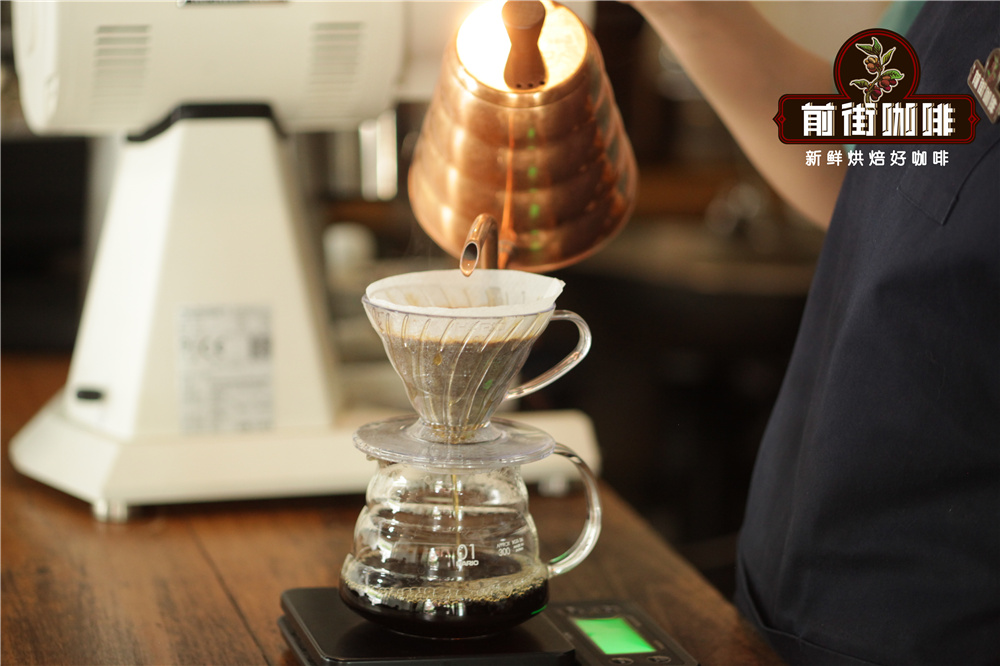
If you are new to pour-over and want a practical, easy-to-use dripper that also looks good, the V60 is the usual recommendation. Hario, the company behind it, was founded in Tokyo in 1921 as a well-known glassware maker that originally produced heat-resistant glass instruments and equipment for research institutions, and its heat-resistant glass server remains a popular pour-over companion. In 2004 Hario redesigned the V60 prototype into a shape closer to what we know today, naming it for its distinctive 60° cone and V shape, and released it to market a year later.
Compared with other drippers, the cone and 60° angle force the water to the center before it drops into the server, lengthening the contact between water and grounds so aroma and flavor extract fully. The V60 has a signature single large hole that lets water flow without obstruction, so the flow rate depends largely on the brewer's pouring control and is reflected directly in the cup. Before the third wave, the market favored medium and dark roasts with full body, high sweetness and caramelized notes like chocolate, maple, nuts and vanilla, well expressed by a siphon or cloth filter — that era's most popular beans included FrontStreet Coffee's Blue Mountain No. 1 and FrontStreet Coffee's PWN Gold Mandheling.
With the third wave came a search for a sense of place — Ethiopia's white florals, Kenya's berry acidity — and roasting shifted from dark toward light, while tasting moved from full-bodied sweetness to delicate acidity and aroma. The V60's fast extraction is exactly what gives coffee a more three-dimensional aroma and lively acidity, letting florals, fruit acidity, clean sweetness and tea notes come through. That is why floral, fruit-forward beans are so well suited to it: FrontStreet Coffee's Gedingding with its classic Yirgacheffe character, FrontStreet Coffee's Huakui with its rich tropical fruit, FrontStreet Coffee's Strawberry Candy with its Geisha profile, and FrontStreet Coffee's Mozart with its raisin character.
Important Notice :
FrontStreet Coffee is a long-established specialty coffee roaster in Guangzhou China, selling freshly roasted beans from its own farm in Yunnan as well as dozens of carefully selected single-origin beans from around the world for both pour-over and espresso. The products deliver consistently excellent quality and great value, with shipping within 24 hours. Guangzhou's FrontStreet Coffee shop is recommended by many coffee lovers, and the beans are now available online at the Tmall 。
FrontStreet Coffee has moved to a new address:
FrontStreet Coffee Address: 315,Donghua East Road,GuangZhou
Tel:020 38364473
 Scan and follow the En Gafei WeChat official account. Please indicate that the reprint comes from "En Gafei".