[Illustrated] What Details Should You Pay Attention to When Roasting Coffee for Sweetness? The Roast Level of Coffee Beans and Their Characteristics
In the previous lesson we looked at how the development phase shapes coffee flavor — the longer the development time, the deeper the roast. This lesson explores what role the intermediate phase plays across the whole roast.
Reviewing the Intermediate Phase
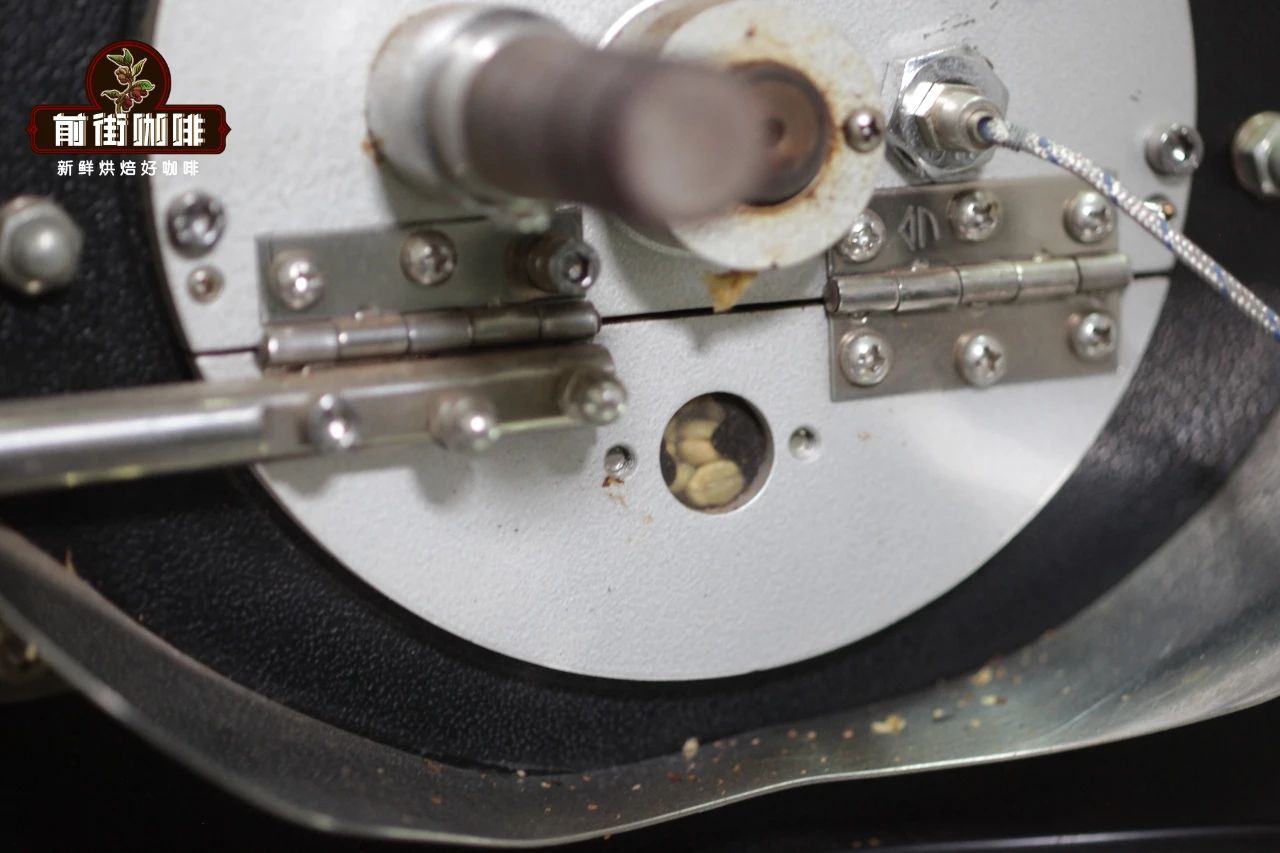
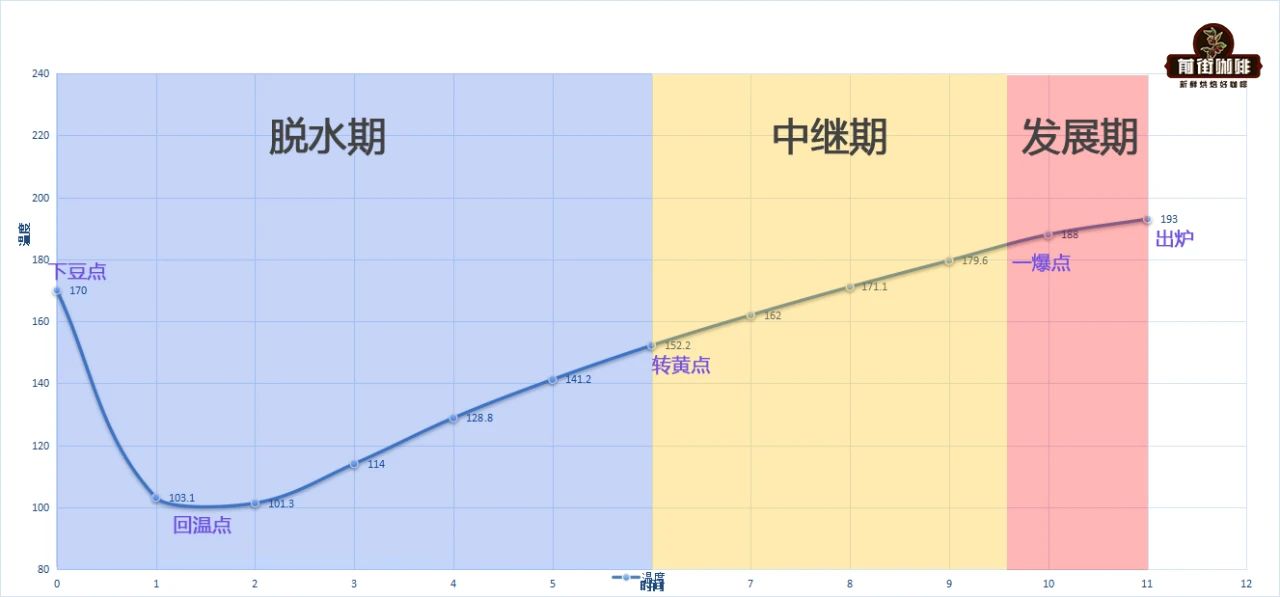
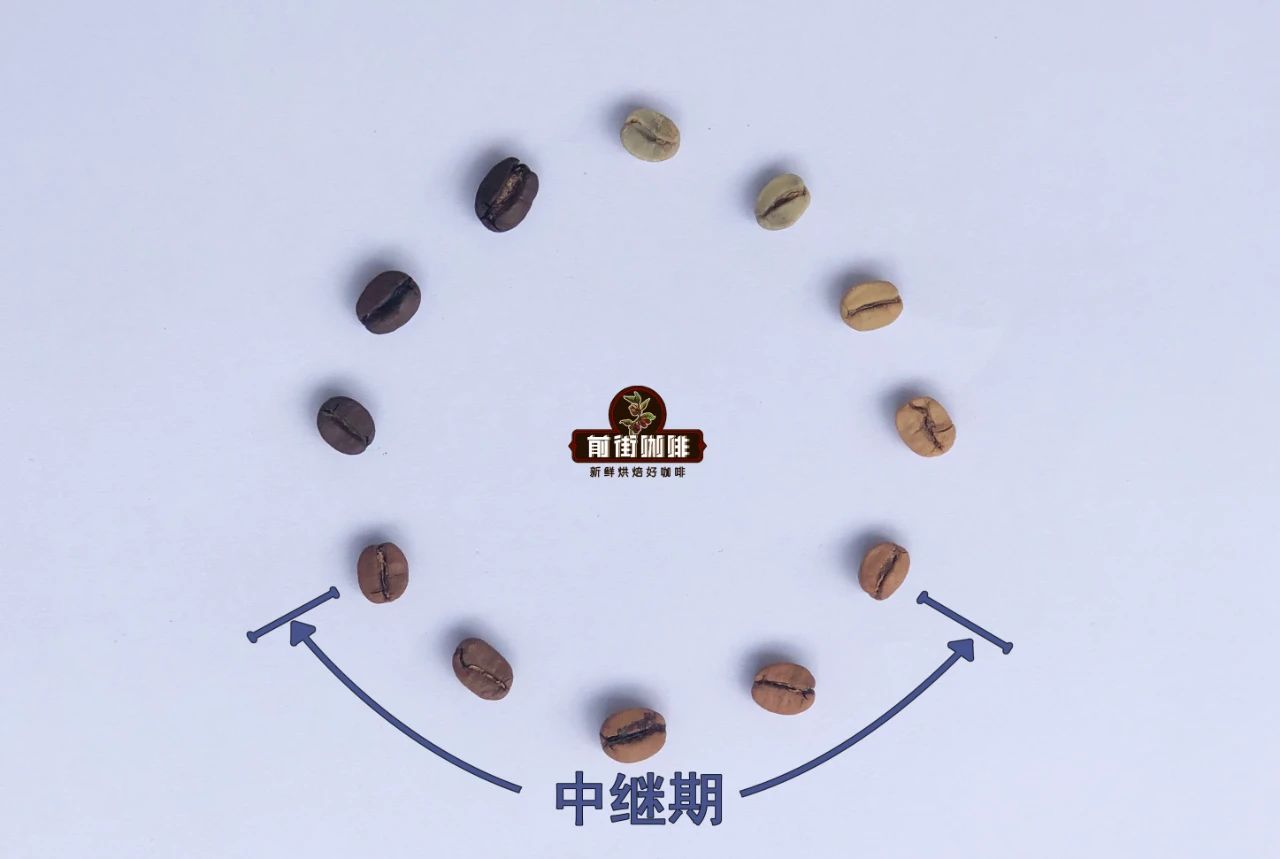
The intermediate phase runs from the yellowing point to the start of first crack. During it, the beans turn from yellow to brown or light brown, begin releasing steam and expanding, and give off pleasant aromas — roasted corn, toasted bread — through the Maillard reaction.
Bean expansion in this phase shakes off a great deal of the silver skin clinging to them, and smoke is produced as well, so the damper needs to be opened appropriately to extract both. If the damper is too small during this stage, the beans can pick up a smoky flavor.
The Intermediate Phase is Key to Developing Coffee's Sweetness
Coffee turns from green to yellow as it dries, and as heating continues, browning begins. The Maillard reaction converts sugars inside the beans into aromatic compounds and acids. When the roasting temperature reaches 171°C, the beans turn brown and caramelization begins. Because caramelization breaks down sugars, the Maillard reaction from this point (171°C to just before first crack) slows down. The caramelization and Maillard reactions in this window produce flavors like fruit and sucrose in the finished coffee.
At this point "Maillard" and "caramelization" may be blurring together, so FrontStreet Coffee will illustrate with a simple roasting experiment.
Using FrontStreet Coffee's roasted Brazil Red Bourbon on a Yangjia 800N semi-direct fire roaster: the inlet temperature was 155°C, the beans yellowed at 7 minutes (153°C) — entering the intermediate phase — and first crack began at roughly 181-183°C. Four different operations were run: ① slightly increase heat, raising the rate of temperature rise and shortening the intermediate phase; ② keep heat unchanged; ③ slightly reduce heat, extending the intermediate phase; ④ significantly reduce heat, extending the intermediate phase further.
The development time after first crack and the drop temperature stayed unchanged.
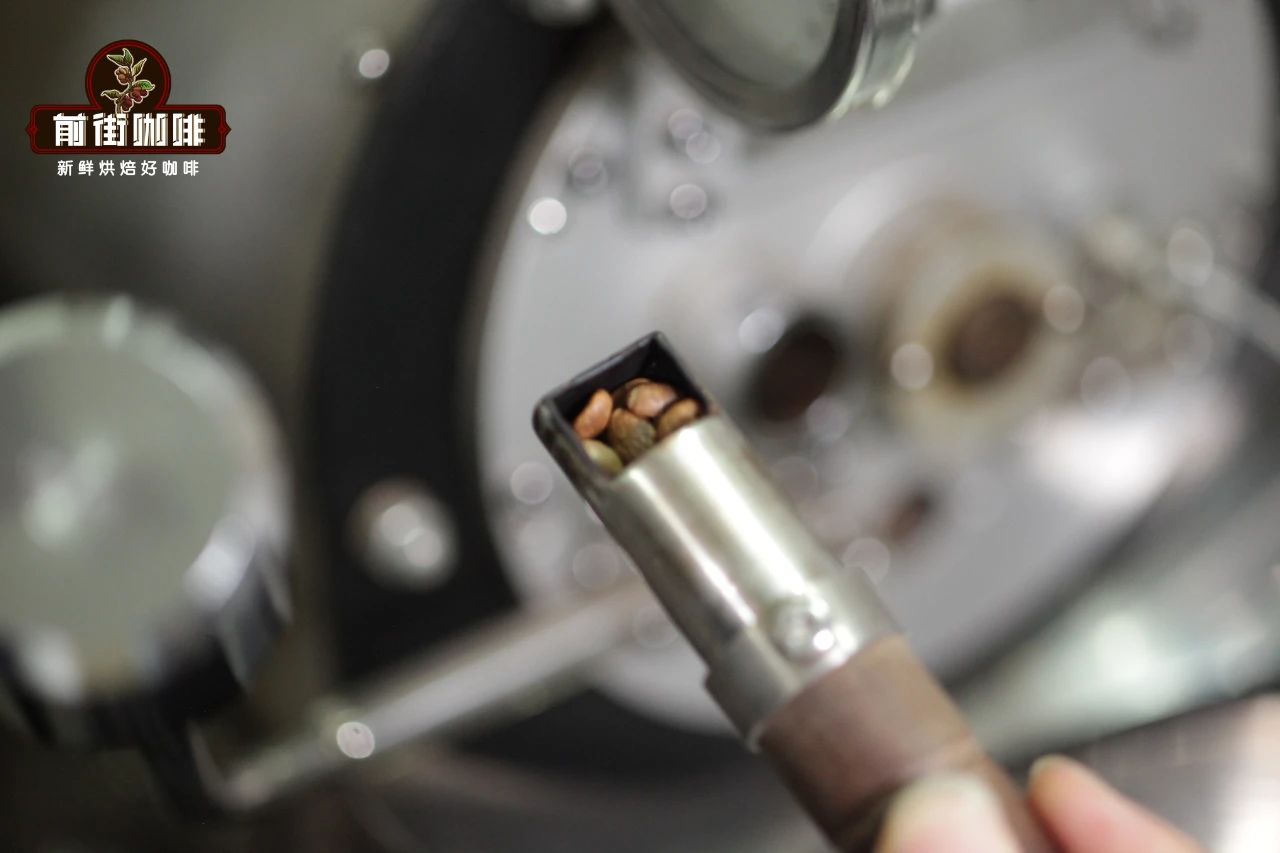
The actual roasting results and flavor feedback:
① Yellowing point at 7'00 (152.8°C), first crack start at 9'02 (184°C), intermediate phase duration 2'02.
Flavor feedback: Flat flavor, slight fruit acidity, peanut skin, almond
② Yellowing point at 7'03 (153.2°C), first crack start at 9'30 (183°C), intermediate phase duration 2'27.
Flavor feedback: Nuts, sucrose, slight fruit acidity, chocolate
③ Yellowing point at 7'08 (153.4°C), first crack start at 10'09 (183°C), intermediate phase duration 3'01.
Flavor feedback: Nuts, caramel, chocolate, noticeable sweetness
④ Yellowing point at 6'55 (153°C), first crack start at 10'45 (181.5°C), intermediate phase duration 3'50.
Flavor feedback: Nuts, sunflower seeds, dark chocolate, burnt bitterness
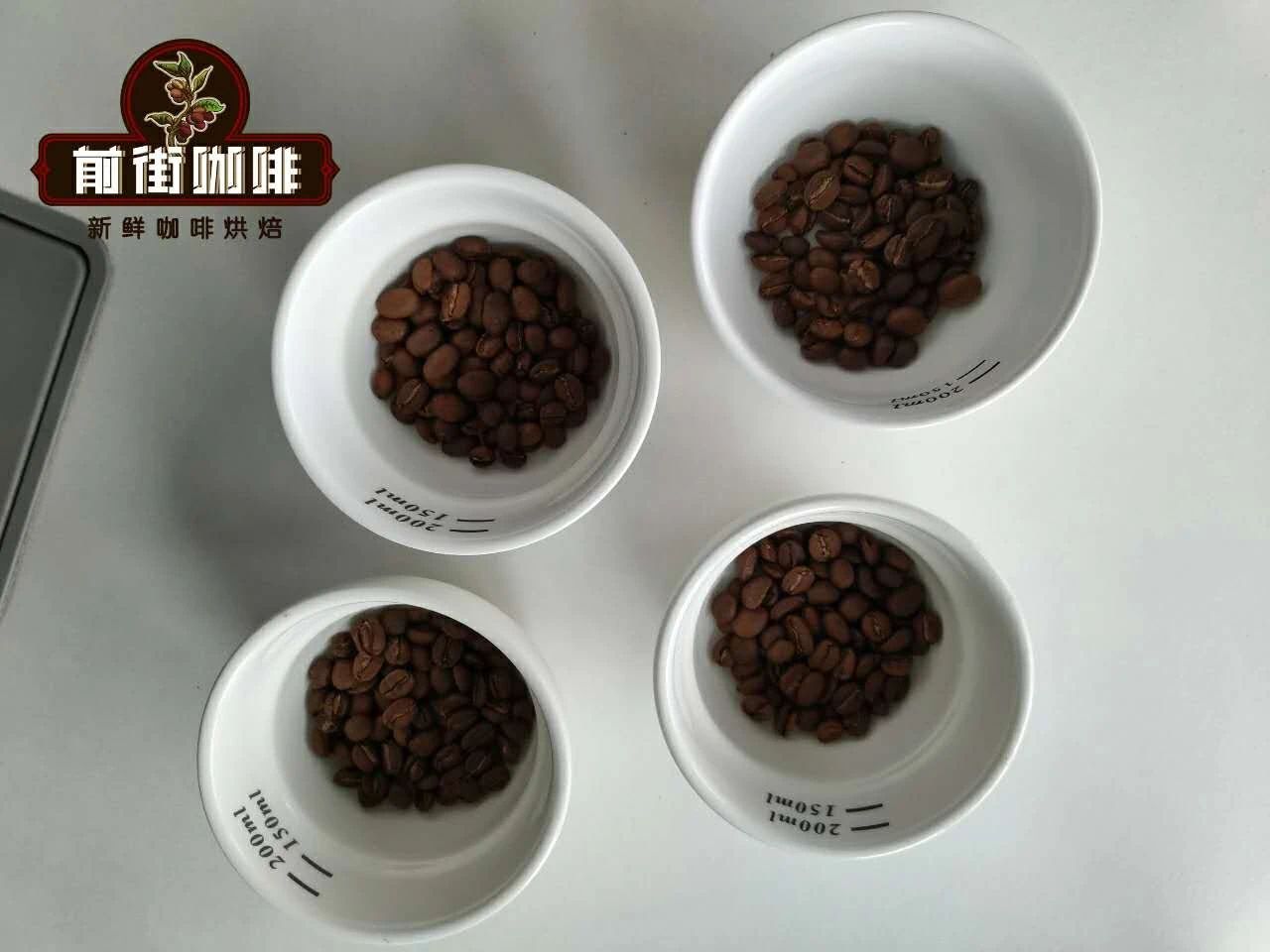
The comparison makes the lesson clear: when the intermediate phase for Brazil Red Bourbon runs too short, caramelization has no time to work and flavors come out flat and dull. When it runs too long, caramelization overshoots into burnt bitterness. For this bean, holding the intermediate phase at about 3 minutes lets both overall flavor and sweetness express themselves fully.
[Key Point] Properly extending the intermediate phase can enhance the sweetness of coffee beans.
So does every bean benefit from a longer intermediate phase? Let's walk through the phase once more.
[When coffee beans reach about 151-157°C, they yellow and immediately begin expanding into the Maillard reaction, converting sugars into aromatic compounds and acids. At 171°C the beans turn brown and caramelization begins, producing caramel-like substances.]
In other words, the longer the stretch between 171°C and first crack, the more prominent the caramel and nutty characteristics become.
For Yirgacheffe, a bean full of floral and fruity aromas, stretching the intermediate phase to 3 minutes will develop sugars and noticeable sweetness — but it will mute the lovely citrus acidity and likely leave a nutty, bitter finish. Held at about 2 minutes and 30 seconds, Yirgacheffe's acidity and sweetness blend into a delicious sweet-and-sour cup.
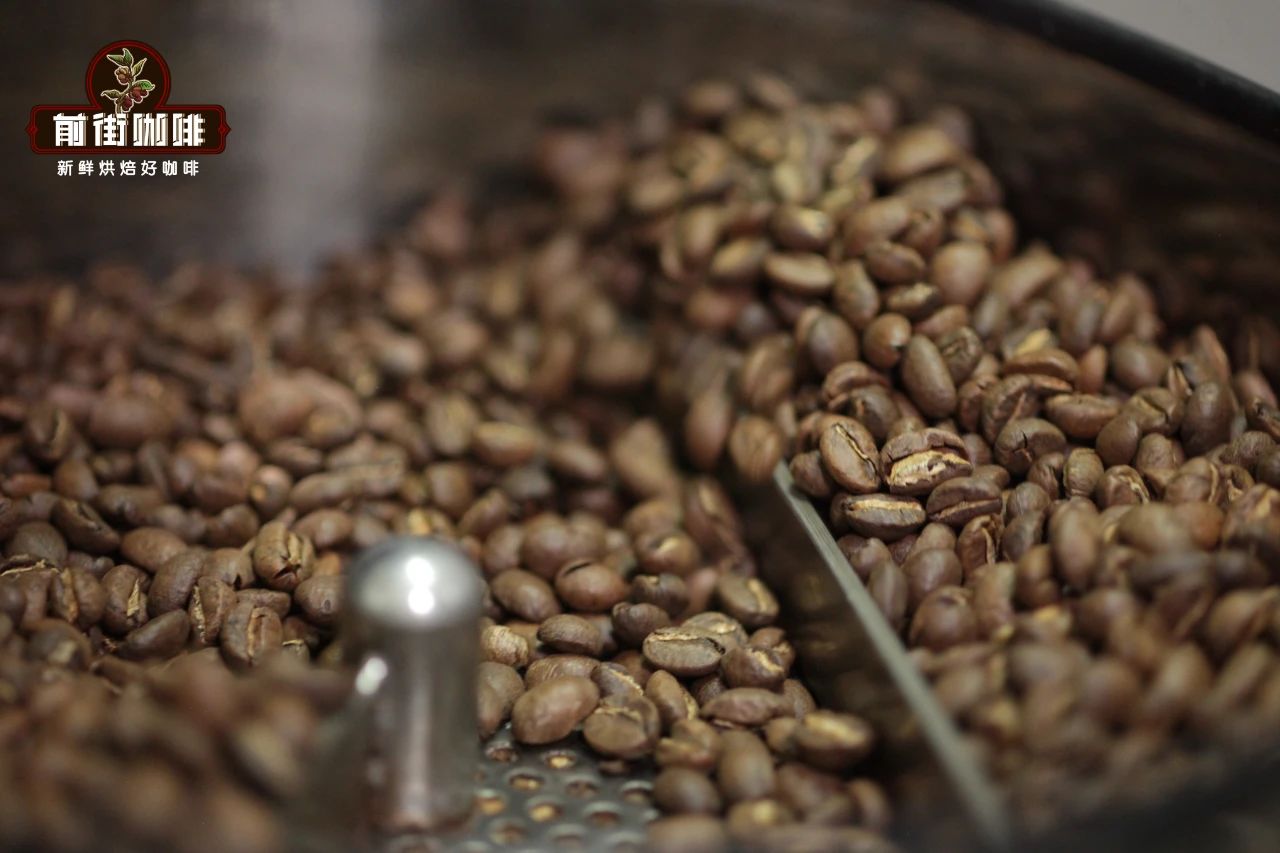
[Key Point] When roasting, keep the damper open during the intermediate phase for smoke extraction and silver skin removal. There is no single optimal duration — it depends on how you want a given bean to express itself. Properly extending the intermediate phase raises sweetness; but to showcase outstanding acidity, control the phase's length and shorten the caramelization window.
FrontStreet Coffee Recommendation
This experiment explains exactly why FrontStreet Coffee roasts its balanced single origins medium. The Brazil Queen's Estate Yellow Bourbon, given a medium roast, lands right where this lesson says sweetness lives: cream, peanut, chocolate, toasted bread, and sugarcane, with neither sharp acidity nor heavy bitterness — lovely as a pour-over and equally at home in a moka pot or espresso machine. The Jamaica Blue Mountain No. 1 takes the same medium path so its acidity, bitterness, sweetness, and body fuse into one elegant cup of chocolate, roasted nuts, cream, and caramel. If roasting for sweetness is the goal, these are the reference cups to aim for.
Important Notice :
FrontStreet Coffee is a long-established specialty coffee roaster in Guangzhou China, selling freshly roasted beans from its own farm in Yunnan as well as dozens of carefully selected single-origin beans from around the world for both pour-over and espresso. The products deliver consistently excellent quality and great value, with shipping within 24 hours. Guangzhou's FrontStreet Coffee shop is recommended by many coffee lovers, and the beans are now available online at the Tmall 。
FrontStreet Coffee has moved to a new address:
FrontStreet Coffee Address: 315,Donghua East Road,GuangZhou
Tel:020 38364473
 Scan and follow the En Gafei WeChat official account. Please indicate that the reprint comes from "En Gafei".