Detailed Coffee Cupping Process Guide: Steps and Preparation
Understanding Coffee Flavor Profiles
Reading a coffee's flavor profile is not just a party trick, it genuinely deepens your enjoyment of every cup. Telling flavors apart can feel daunting at first, but training your palate is easier than it looks. Like anything else, practice makes perfect: the more flavors and attributes you expose yourself to, the sharper you get at naming them.
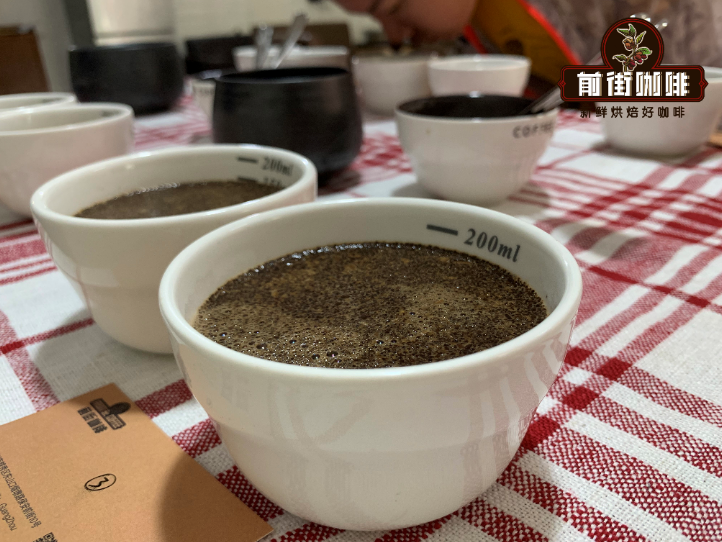
Coffee cupping is the gateway to understanding flavor. Once you master it, you may find yourself even more fascinated by coffee than before. FrontStreet Coffee shares these key steps to make your cupping sessions more rewarding.
Step 1: Find a Coffee Cupping Network
Start by finding local roasters, coffee shops, or coffee communities that hold regular cupping and tasting sessions. Visit a few shops and ask whether they cup. It may feel awkward at first, especially if you live in a small town, but persist, and you will eventually find one.
Step 2: Get a Flavor Wheel
The flavor wheel from Counter Culture Coffee has the best layout and flavor range. You can download it from their website and print it large enough to pin on the wall.
Study it until the categories feel familiar, and bring it with you to every cupping or tasting session.
Step 3: Identify Taste Balance
Now, finally, you actually get to drink coffee. Do not rush it. The first thing to know is that different flavors stimulate different parts of your tongue. As you drink (coffee or anything else), try to notice where on your tongue each flavor lands, then cross-reference the flavor wheel to name it. Keep a tasting journal and write down what you taste. The tongue-map idea is scientifically contested, but the exercise is still a genuinely useful way to engage with and analyze flavors.
Think it is too hard? An easy drill is to dissolve strong ingredients (sugar, salt, lemon, and so on) in water and taste them one by one.
Step 4: Identify Flavors
How do we actually start tasting coffee in earnest? That has to wait one more step, once you are used to coffee's general flavor, specific notes will start emerging. Trying to name flavors is good practice, but if you do not know the difference between lemongrass and lemonade, you cannot identify either.
To practice common coffee flavors, set up a tasting spread. A reliable lineup: lemon, grapefruit, orange, apple, strawberries or mixed berries, 70% dark chocolate, salted cashews, and butter cookies. This selection covers a range of flavor-balance attributes and many of the notes most common in coffee. Keep it simple at first, then add one or two spices and herbs from the wheel. Taste sweet fruits first, then more acidic fruits, then chocolate, then nuts, and finally the butter cookies. Note what you taste and where, and keep referring back to the flavor wheel until the categories feel natural.
Step 5: Taste the Coffee
While those reference flavors are fresh in your mind, it is time for the coffee itself. Cleanse your palate with water or a bite of plain white bread, and make sure the flavor wheel is within reach.
Follow these four steps when cupping:
- Take a good sip. Write down your first impressions (watery, fruity, citrusy, nutty, good or bad) and where you taste them on your tongue.
- Take another sip to build on the flavor, and revise your notes as needed.
- Slurp hard, the louder the better! Slurping sprays coffee across your entire tongue while pulling in oxygen, which heightens the oral sensation.
- Slurp heartily, swirl the coffee around your mouth for about 5 seconds, then swallow. You will experience the coffee's full flavor and should be able to pinpoint where it resonates on your tongue. Do not forget to write it down!
Learning to identify flavors in coffee takes time and repetition, but simply working through these 5 steps can take you from novice to professional. We all love the taste, aroma, and caffeine kick of a good cup, but learning to dissect flavors and balance opens up a whole new dimension of enjoyment.
FrontStreet Coffee Recommendation
During roasting, three elements determine a coffee's final flavor and must be kept in balance: acidity, sweetness, and bitterness. The darker the roast, the more bitter and heavy the cup; the lighter the roast, the more acidic and delicate. If what you want is a well-rounded cup, medium roast coffee is the place to start, and it is an ideal reference standard for training your palate.
If you dislike both sourness and bitterness, try the FrontStreet Brazil Fazenda Imperador (Empress Estate). Grown in the world's largest coffee-producing country, this rare Yellow Bourbon shows a quiet, gentle sweetness; at a medium roast it offers aromas and sweetness of creamy peanut, chocolate, toast, and sugarcane, and it works equally well as pour-over, in a moka pot, or through an espresso machine.
For something sweeter, reach for the FrontStreet Strawberry Candy Gesha blend, famous for its fruit character. It combines two celebrated origins: honey-processed coffee from Costa Rica and washed Geisha from Panama. FrontStreet roasts it medium to highlight its essence, orange blossom, honeyed depth, and rounded sweetness, and it suits cold brew, pour-over, and espresso alike.
The FrontStreet 2013 Natural Typica is a flagship of Chinese specialty coffee with the orthodox flavor of Yunnan arabica. Roasted medium to preserve its balanced, soft profile, it shows hazelnut, brown sugar, black tea, and dried apricot, and it performs well in pour-over, cold brew, or a drip machine at a very friendly price.
Finally, the FrontStreet Jamaica Blue Mountain No. 1, Typica grown in Jamaica's Blue Mountains, one of the world's finest arabicas, whose singular geography is essential to Blue Mountain's famed balance. Known as the "emperor of coffee," FrontStreet's Blue Mountain No. 1 is roasted medium so that acidity, bitterness, sweetness, and body merge into one elegant, inviting character, with chocolate, roasted nuts, cream, and caramel on the palate, a benchmark few other coffees can match.
Important Notice :
FrontStreet Coffee is a long-established specialty coffee roaster in Guangzhou China, selling freshly roasted beans from its own farm in Yunnan as well as dozens of carefully selected single-origin beans from around the world for both pour-over and espresso. The products deliver consistently excellent quality and great value, with shipping within 24 hours. Guangzhou's FrontStreet Coffee shop is recommended by many coffee lovers, and the beans are now available online at the Tmall 。
FrontStreet Coffee has moved to a new address:
FrontStreet Coffee Address: 315,Donghua East Road,GuangZhou
Tel:020 38364473
 Scan and follow the En Gafei WeChat official account. Please indicate that the reprint comes from "En Gafei".
![[Illustrated] What Details Should You Pay Attention to When Roasting Coffee for Sweetness? The Roast Level of Coffee Beans and Their Characteristics](https://en.gafei.com/uploads/allimg/210804/15-210P41H125X9-lp.jpg)