
Development History of Costa Rican Coffee - Flavor Characteristics of Raisin Honey Process Mozart Coffee Beans for Pour Over
The History of Costa Rican Coffee
When you hear about Costa Rican coffee, you may picture good quality and a rich-tasting cup. Both impressions are accurate — and that reputation is no accident. Costa Ricans take great pride in their coffee, the bean they call their golden bean.
In 1720 the first coffee beans were brought to Martinica, and from there to Costa Rica at the end of the eighteenth century. The ideal climate of the mountainous regions helped coffee become one of the country's largest exports and a cornerstone of the Costa Rican economy.
Costa Rica was the first country in the region to develop a coffee industry, and ever since, the government has encouraged farmers to grow coffee. Although Costa Rica's production accounts for about 1% of the world's coffee output, its quality is exceptionally high. Today large companies such as Starbucks run their own plantations in Costa Rica, under excellent conditions.
Costa Rican coffee has won many international competitions and certifications. In Japan, the champion of the World Coffee Competition made his award-winning cup with Costa Rican coffee, saying he uses it because it is the best in the world.
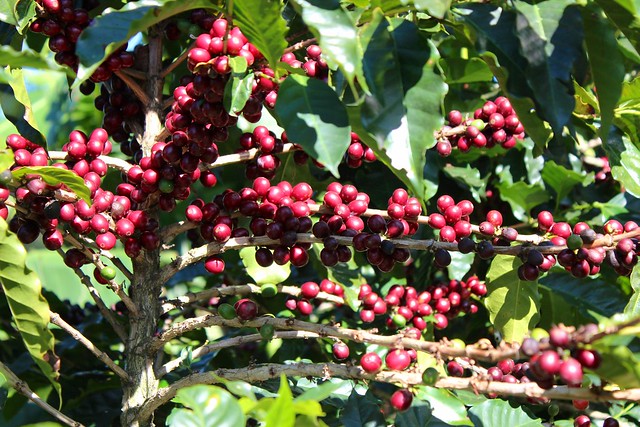
When the country declared independence from Spain in 1821, free coffee beans were handed out to Costa Ricans to encourage adoption of the new crop. Coffee quickly became the sole export product and held that unique status until the 1890s. Since then, the reputation of Costa Rican coffee has suffered some setbacks, but over the past thirty years it has been consolidated again. You may also be glad to know that Costa Rican coffee is 100% Arabica. In 1989 the country banned farmers from growing Robusta trees to safeguard quality — so if someone tries to sell you Costa Rican Robusta beans, they are either misinformed or misleading you.
Costa Rica is also the birthplace of unique honey processing techniques. Honey coffee was first introduced in 2006 and stands out for its intense sweetness and vibrant berry flavors. Local producers embraced using pulping machines to experiment with flavor, and today you can buy four types of honey beans, produced with white, yellow, red, and black honey.
Top 5 Costa Rican Coffee Bean Brands of 2021
Volcanica Costa Rican Peaberry Coffee
Volcanica Coffee's Costa Rican Peaberry is one of the country's best coffees. These rich-flavored whole beans are consistently medium-roasted and brew without bitterness. Even better, they carry a delicious berry-like aroma and flavor that will impress your taste buds.
Sweet, aromatic, and rich — these are high-quality, hand-picked peaberry beans grown in volcanic soil at altitudes over 3,000 feet. Volcanica roasts and ships beans daily, so each bag arrives fresh, aromatic, and perfectly roasted.
This brand's coffee has many flavors, and all the hand-picked round beans are single origin. The consistent medium roast enhances the quality of the coffee.
Cooper's Cask Wine Barrel-Aged
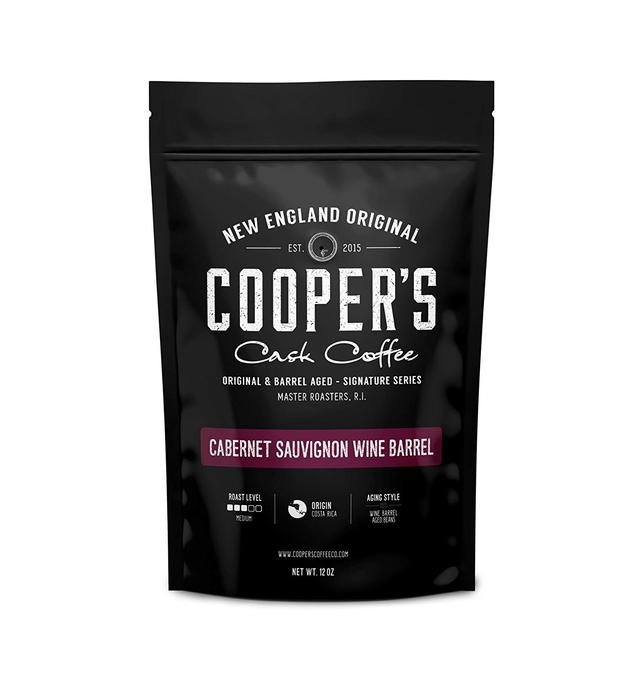
Cooper's Cask offers various unusual Costa Rican coffees, including Cabernet Sauvignon wine barrel-aged beans. These delicious medium-roast beans are honey processed, which gives them sweet complexity, and then aged in Cabernet Sauvignon wine barrels.
We found these beans aromatic and fresh, with the wine flavor bringing an interesting new dimension to the coffee. All in all, they are very tasty, with slight acidity and notes of honey, fruit, and dark chocolate.
Honey-processed beans have richer layers, and barrel fermentation gives them excellent flavor and aroma.
Teasia
Teasia Coffee's single-origin Costa Rican beans offer an attractive price with excellent flavor. These medium-roast whole beans have high acidity and a light fruit flavor, with hints of caramel and chocolate, and they are very smooth without being too bitter.
These beans are grown at higher altitudes, exceeding 5,000 feet. Hand-writing the roaster's name and the expiration date on the bag is a creative touch, and the roast date is fresh.
Kirkland Costa Rica Whole Bean Coffee
These Costa Rican whole beans from Kirkland are beloved for their low price, consistent dark roast, and rich flavor. They are not single origin, but if you are willing to trade off single-origin status and can find them at a good price, they offer great value.
When fresh, these beans are very good. Since you are not buying directly from the roaster, though, freshness can vary greatly.
Cafe Britt Tarrazu Montecielo
This coffee is much cheaper than the ones above, but it may not taste as fresh, partly because it is pre-ground. Even so, it still carries plenty of flavor.
This coffee is certified SHB, or Strictly Hard Bean, meaning it is grown entirely at altitudes exceeding 4,500 feet. We found it tastes less fresh, partly because it is pre-ground, but it still has plenty of flavor.
FrontStreet Coffee Recommendation
If you brew Costa Rican coffee at home, the V60 is the dripper most beginners are steered toward, and it remains the reference point for pour-over. Hario, the company behind it, was founded in Tokyo in 1921 as a well-known glassware maker, originally producing heat-resistant glass instruments for research institutions; its heat-resistant sharing servers are still standard in hand-brew setups. In 2004 Hario redesigned the V60 into the shape we recognize today, named for its 60° cone and "V" silhouette, and released it a year later. The cone and 60° angle force water to the center before it drips into the server, extending contact with the grounds for fuller extraction, while the single large hole lets the flow run unobstructed — so flow rate, and much of the final cup, comes down to the brewer's control.
Since the third wave shifted roasting lighter and tastes toward terroir — Ethiopia's white florals, Kenya's berry acidity — the V60's fast extraction has become an ideal match for the floral, fruit-acid, clean-sweet, and tea-like flavors of modern specialty coffee. FrontStreet's flower-and-fruit-forward beans suit it especially well: the classic Yirgacheffe profile of the Gotiti cooperative, the tropical Ethiopia Huakui, the Geisha-style Panama Strawberry Candy, and the raisin-toned Mozart, whose dried-fruit sweetness echoes the honey-processed style that made Costa Rica famous.
For those who prefer a deeper cup, FrontStreet also covers the darker side. The PWN Indonesia Golden Mandheling is a dark roast with low acidity and a thick, lingering body, its entry full of herbal and dark chocolate aroma with a faint earthy note — well suited to drinkers who want weight and dislike sourness. The Brazil Queen's Farm brings low acidity, good balance, and dense nut and cocoa aromas with clear caramel sweetness, smooth and never astringent, and it works equally well as a hand-brew, an espresso, or a moka pot. Whichever you choose, a bag with a fresh roast date will show its best within the first weeks.
Important Notice :
FrontStreet Coffee is a long-established specialty coffee roaster in Guangzhou China, selling freshly roasted beans from its own farm in Yunnan as well as dozens of carefully selected single-origin beans from around the world for both pour-over and espresso. The products deliver consistently excellent quality and great value, with shipping within 24 hours. Guangzhou's FrontStreet Coffee shop is recommended by many coffee lovers, and the beans are now available online at the Tmall 。
FrontStreet Coffee has moved to a new address:
FrontStreet Coffee Address: 315,Donghua East Road,GuangZhou
Tel:020 38364473
 Scan and follow the En Gafei WeChat official account. Please indicate that the reprint comes from "En Gafei".
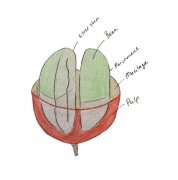
How are Honey-Processed Coffee Beans Processed? Differences Between Costa Rican Coffee White, Yellow, Red, Gold, and Black Honey Processing
![[Illustrated] What Details Should You Pay Attention to When Roasting Coffee for Sweetness? The Roast Level of Coffee Beans and Their Characteristics](https://en.gafei.com/uploads/allimg/210804/15-210P41H125X9-lp.jpg)