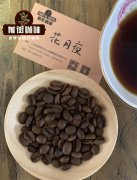
How are Honey-Processed Coffee Beans Processed? Differences Between Costa Rican Coffee White, Yellow, Red, Gold, and Black Honey Processing
Honey process? Doesn't that sound very sweet? How exactly are honey-processed coffee beans handled, and how much honey gets added? Can you drink it if you're trying to lose weight? Don't worry. You may be familiar with natural and washed coffees without quite understanding honey-processed beans. Today FrontStreet Coffee breaks down the different types of honey processing.
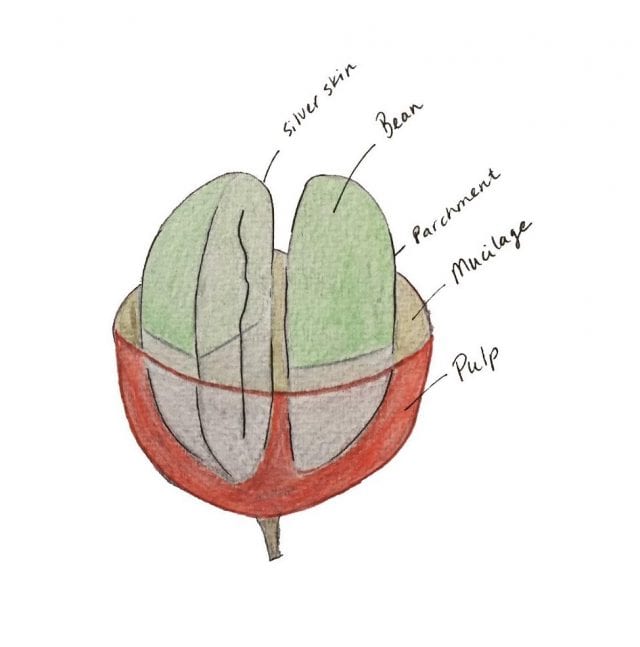
This is in fact a common method in Costa Rican coffee. It demands real precision and professional knowledge to use correctly. Note that honey processing has nothing to do with actual honey. The "honey" in the name comes from the mucilage layer of the bean, which is normally sticky and thick, and that is why it is called honey processing.
How is it specifically done?
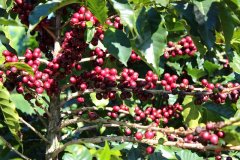
Coffee beans are not beans at all: they are the seeds of coffee cherries. That's right, your favorite caffeinated drink comes from juicy red, and sometimes yellow or orange, fruit.
Before roasting "coffee beans," you have to remove the fruit layers and dry the beans to a moisture content of about 11%. The two most common ways to remove the cherry are 1) removing it with water (washed processing), or 2) letting the coffee dry in the sun before mechanical removal (natural, or dry, processing).
Honey processing sits somewhere in between. You remove the cherry skin but leave some pulp in place. As the beans dry, the mucilage stays on them.
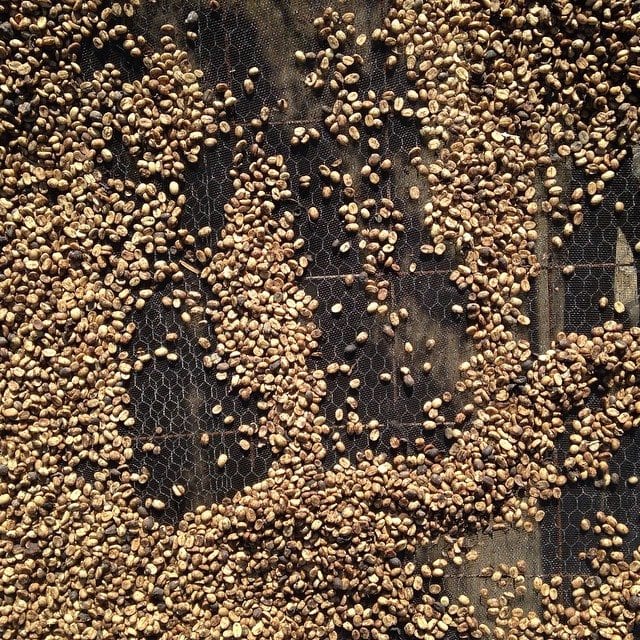
To process coffee this way, harvested cherries must be pulped, separating the flesh from the beans. Unlike the washed method, though, some mucilage is deliberately left on the beans. They are then placed on beds and dried for 10-15 days.
The result is a bean with higher acidity than the natural method but lower acidity than washed. This distinctive balance makes the method popular with coffee lovers, and you will see it used across Central America, especially in Costa Rica.
White Honey:
80-90% of mucilage removed
Beans dried directly in the sun on raised beds
Beans dry quickly at high temperatures, and the parchment turns white
Yellow Honey:
50% of mucilage removed
Beans dried under low wind and moderate sun conditions
Beans are raked 3 to 4 times daily, with drying taking up to a week
White honey coffee tends to be mechanically washed, leaving minimal mucilage around the beans, while yellow honey coffee is usually washed too but retains more mucilage.
Red Honey:
80-90% of mucilage remains on the beans
Beans dried on raised beds under cloudy or shady conditions
Beans are raked in the first morning, then only once or twice in the afternoon
Black Honey:
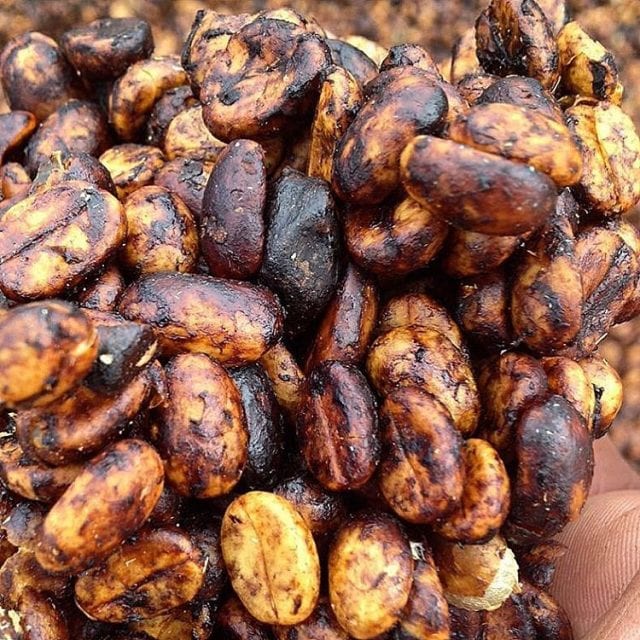
Keep mucilage as close to intact as possible
Beans dried on raised beds under completely shaded conditions
Beans are not moved at all on the first day, then raked once daily; drying can take up to three weeks.
Golden, Red, and Black Honey
The difference between these three comes down to how much light the beans receive and how long they dry. More humidity and slower development produce black honey. Slightly less humidity gives red, and less still gives golden.
Golden honey dries when conditions are warm and sunny with very little humidity, which helps it dry quickly. Red honey is processed in more shade to slow the drying time, which raises the humidity the beans are exposed to. Black honey takes longer and dries in even more shade.
The darker the honey color, the more work it requires. Black honey processed coffee needs constant monitoring to avoid over-fermentation and mold, and it also generally has a greater chance of losing freshness. Green beans should be roasted as soon as they arrive to capture their sweet honey flavor.
Dark honey is popular in espresso, where the taste is almost as if someone added a drop of honey to your cup. White and yellow processed coffees, by contrast, tend to taste cleaner when prepared as filter coffee.
FrontStreet Coffee Recommendation
Each honey style has its own FrontStreet Coffee match. For the darkest, most labor-intensive end of the scale, FrontStreet Coffee Blackberry is a genuine black honey coffee. Almost no mucilage is removed, drying runs for at least two weeks under shade covers so the sugars convert fully, and the beans are turned at intervals to keep fermentation even. Roasted medium-light, it grinds into a rich floral aroma and brews into grape, berry and ripe blackberry flavors.
If the 100% mucilage approach interests you, FrontStreet Coffee Strawberry Candy is a blend of Panama Geisha and a Costa Rican coffee processed with a raisin honey method that keeps all of the pectin and uses no added water. FrontStreet Coffee also offers FrontStreet Coffee Mozart, made with an innovative raisin honey process in which the cherries are pre-dried on raised beds for at least three days before the skin and pulp are removed and the remaining honey steps continue. Retaining 100% of the pectin makes this method even harder to control than straight black honey.
Both Mozart and Strawberry Candy repay a gentle hand: they deliver layered stone-fruit, raisin and floral sweetness that will turn bitter if pushed too hard, so keep the water temperature moderate and the extraction steady to hold on to that honeyed character.
Important Notice :
FrontStreet Coffee is a long-established specialty coffee roaster in Guangzhou China, selling freshly roasted beans from its own farm in Yunnan as well as dozens of carefully selected single-origin beans from around the world for both pour-over and espresso. The products deliver consistently excellent quality and great value, with shipping within 24 hours. Guangzhou's FrontStreet Coffee shop is recommended by many coffee lovers, and the beans are now available online at the Tmall 。
FrontStreet Coffee has moved to a new address:
FrontStreet Coffee Address: 315,Donghua East Road,GuangZhou
Tel:020 38364473
 Scan and follow the En Gafei WeChat official account. Please indicate that the reprint comes from "En Gafei".