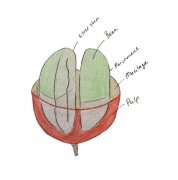
Why Does Altitude Matter in Specialty Coffee? How Does Elevation Affect Coffee and Its Flavor?
Altitude and Coffee: Understanding the Relationship
"Altitude" is a magical word in the specialty coffee world. You've probably heard baristas introduce a coffee by claiming that the higher the altitude, the better the coffee—but why? Is that always true? What else does elevation affect in coffee production? How does altitude shape coffee flavor? And what is the real significance of high-grown coffee?
How Altitude, Temperature, and Latitude Affect Coffee Taste
FrontStreet Coffee breaks down how altitude, temperature, and latitude shape the taste of coffee. Temperature drives the development of sugars in the coffee plant. At higher temperatures (and lower altitudes), plants have to work harder, and in doing so they burn through their sugar reserves.
The optimal temperature for growing Arabica coffee is typically between 18-23°C.
Why Altitude Matters
Altitude directly affects the size, shape, and taste of the coffee in your cup. The next time you walk into a coffee shop, you don't need to demand a coffee from a specific elevation—but knowing a little helps you find the coffee you like.
A farm's altitude and climate influence which varieties farmers choose to grow. In general, Arabica prefers higher altitudes of 1,800 to 6,300 feet and cooler climates, while Robusta varieties favor lower altitudes of 600 to 2,400 feet and warmer conditions. Within these ranges, altitude has a profound impact on the coffee.
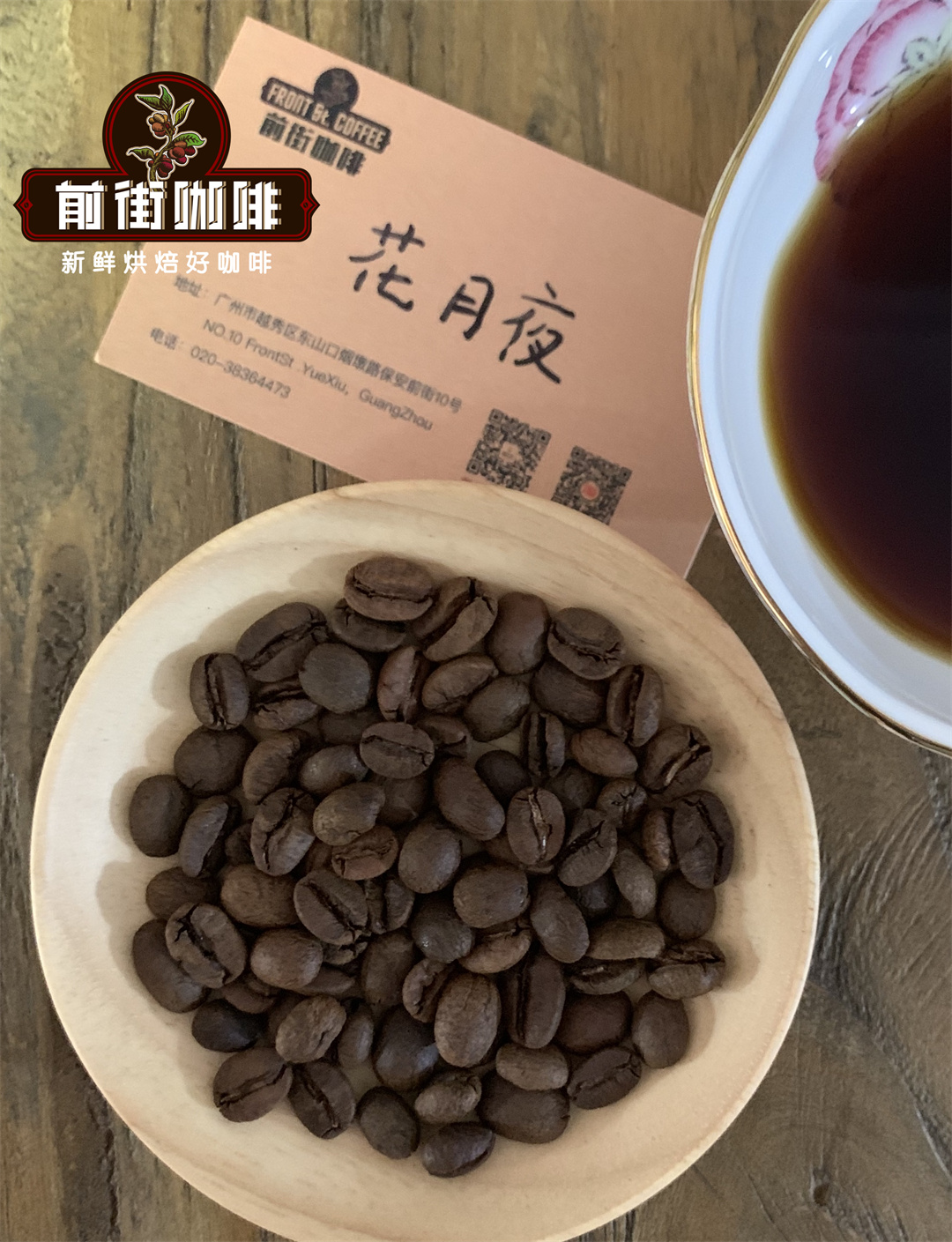
How to Read Altitude from the Beans Themselves
Altitude shows up in the physical characteristics of the beans. Next time you get a bag of green coffee (unroasted beans), look closely. Are they small and dense? Is the center crease closed or open, straight or jagged? What color are they—jade, light green, or blue? All of these traits are shaped by the altitude at which the coffee was grown.
In short, the elevation of the farm is written directly into the beans' physical character.
The most coveted beans are Strictly Hard Beans, grown at 4,500 feet and above. They are very dense—partly a result of slow growth in high-altitude environments—with a closed center crease, possibly jagged or slightly slanted. Lower-altitude beans, by contrast, tend to be less dense with semi-open cracks. Color will vary somewhat, since variety and processing method both affect it: the same coffee from the same farm can look different in green color depending on whether it was honey processed or fully washed. Even so, bean density is probably the single best indicator of the altitude a coffee was grown at.
Why Higher Altitude Means Better Coffee
With a little practice, you can read a coffee's altitude from its physical traits. The main reason high-grown coffee is so prized, though, is the taste. When cared for properly, high-altitude coffee yields a cup with brighter acidity, more intense aroma, and the deeper flavors we love, while low-altitude coffee often shows lower acidity and fewer flavor characteristics. That's the real reason your barista tells you the elevation of the coffee you're about to drink. Generally speaking, higher-altitude coffee tastes better—if a coffee is said to be grown at 5,200', it should have good flavor.
Altitude is only one of many factors shaping the coffee in your cup, but it is one of the most important.
FrontStreet Coffee Recommendation
Almost everything worth drinking is Arabica, and FrontStreet Coffee's single-origin lineup shows just how varied the species can be. From Ethiopia comes the natural Chakri (Huakui), made from local heirloom varieties of mixed bean sizes, sun-dried to bring out creamy strawberry, mango, jackfruit, citrus, and blueberry—the lush tropical-fruit character that once won first place in the TOH green bean competition. Its washed counterpart, the Yirgacheffe Guodingding Cooperative coffee, is graded Ethiopia's top G1 and delivers clean, luminous notes of white flowers, citrus, orange, and green tea.
For a study in Typica—Arabica's great ancestor variety—there's FrontStreet Jamaica Blue Mountain No.1, whose Typica lineage arrived from Martinique in the 1820s and, after more than 200 years on the island, evolved better disease resistance than typical Typica. The cup is famously balanced, gentle, and sweetly fragrant—though that character simply cannot be replicated once Blue Mountain Typica leaves Jamaica. And for Bourbon's yellow-fruited mutation, the Brazil Queen Estate—among the earliest Yellow Bourbons ever identified—offers cream, peanut, toasted bread, and sugarcane, brewed happily by pour-over, moka pot, or espresso machine.
At the top of the tree sits Geisha. FrontStreet Coffee's Red Label Geisha comes from the famous Esmeralda estate in Boquete, Chiriquí, where volcanic soil, old forest, perpetual mist, and abundant rain create near-perfect growing conditions. In the cup: rich, elegant florals, citrus, peach, and layered fruit acidity with a silky, cream-like body and an oolong-sweet finish—more fragrant fruit tea than coffee. And if you'd like a modern curiosity, the Colombia Sidra from Boundary Estate—used by 2022 World Barista Champion Anthony Douglas—shows flowers, tropical fruit, grape, dried fruit, and passion fruit with a juice-like mouthfeel.
Important Notice :
FrontStreet Coffee is a long-established specialty coffee roaster in Guangzhou China, selling freshly roasted beans from its own farm in Yunnan as well as dozens of carefully selected single-origin beans from around the world for both pour-over and espresso. The products deliver consistently excellent quality and great value, with shipping within 24 hours. Guangzhou's FrontStreet Coffee shop is recommended by many coffee lovers, and the beans are now available online at the Tmall 。
FrontStreet Coffee has moved to a new address:
FrontStreet Coffee Address: 315,Donghua East Road,GuangZhou
Tel:020 38364473
 Scan and follow the En Gafei WeChat official account. Please indicate that the reprint comes from "En Gafei".
![[Image] What is Ristretto Coffee? What's the Difference Between Espresso and Ristretto Coffee?](https://en.gafei.com/uploads/allimg/210803/15-210P31Q051915-lp.jpg)