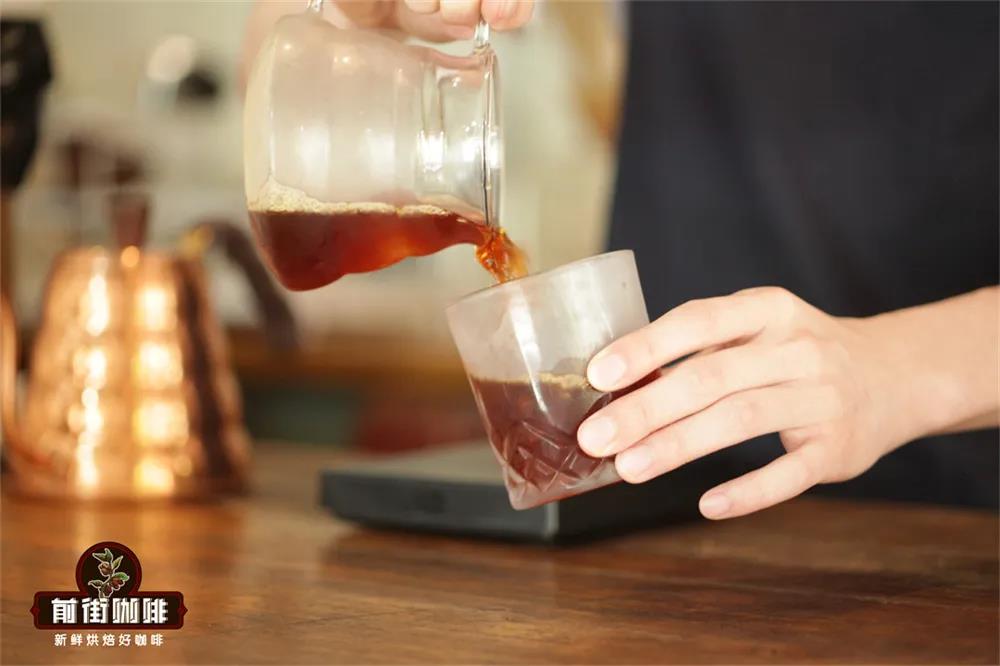
How to Brew Coffee at Home for Beginners: A Guide to Essential Coffee Brewing Equipment and Techniques
Introduction to Home Coffee Brewing
When you think about your favorite coffee, or the coffee from your favorite shop, don't you want to recreate that same quality at home? Many beginners find the idea intimidating, but FrontStreet Coffee has some good news: while making professional-grade espresso at home is an expensive investment, manual brewing is far more economical.
So let's look at how to brew your own coffee. From filtered coffee to pour-over, here is everything you need to get started. Most importantly, doesn't the first cup of the day taste even better when you brewed it yourself?
Coffee Beans
First and foremost, beginners need coffee beans. FrontStreet Coffee recommends whole beans rather than pre-ground coffee. Beyond that, it comes down entirely to personal taste.
Perhaps you like your coffee floral and fruity. Or maybe you prefer nutty and chocolatey notes. Either way, just ask the barista at your local coffee shop for recommendations.
If you want to be more specific about what you buy, think about where your favorite coffee comes from and what roast level it uses. Understanding those two things will point you in the right direction from then on.
Of course, coffee is not only about the beans. The brewing method matters, and so do water temperature, grind size and other factors.
Coffee Storage Tips
Good storage leads to good coffee.
1. The roast date matters. Coffee is a natural product, so it has a shelf life. That window varies, but a good rule of thumb is to buy only as much coffee as you will drink within the week.
2. Store coffee in an airtight container at room temperature, away from direct sunlight. And never put it in the refrigerator, where it will absorb the aromas of everything else stored there.
Brewing Equipment and Filters
Beginners have plenty of equipment to choose from. The two main considerations are the flavor profile you want and how easy the device is to use.
For filter and pour-over brewing, the best-known options are the Chemex, the Hario V60 and the Kalita Wave. Pour-over coffee tends to be cleaner than immersion coffee.
The main immersion devices, on the other hand, are the AeroPress, the French press and the Clever. These are associated with more body. There are also siphon and ibrik, complex traditional methods that are not recommended for beginners.
Don't Overlook the Importance of Filters
1. Keep your equipment clean. Make sure to wash away all coffee oils after brewing, or you may taste them in your next cup.
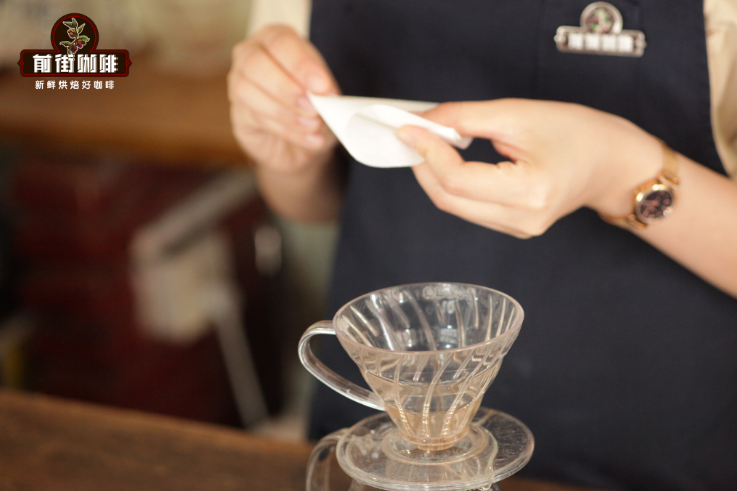
2. Rinse the filter paper before use. Hot water removes the paper taste so you can enjoy a cleaner cup.
3. Preheat your equipment and your cup for consistent extraction. If hot water meets cold brewing equipment, it cools immediately. Then, as the equipment slowly warms up and you keep adding hot water, the temperature of that new water will differ from the first pour.
Grinders
The rule is simple: the fresher the grind, the fresher the taste. That is why even beginners should buy whole beans and grind them at home.
There are two types of grinders, burr and blade. Burr grinders are generally considered superior, because they grind the coffee more evenly and therefore produce a more consistent result. (When you make a great cup, you want to be able to make it again, right?) Blade grinders, on the other hand, are typically more affordable. Beginners may want to start with a hand-held burr grinder, which offers good quality at a reasonable price.
The next consideration is grind size. This depends on the brewing equipment you choose, the beans themselves and your personal taste.
The general rules are these: the finer the grind, the more extraction, because the surface area is larger (and water may take longer to filter through). The coarser the grind, the less extraction. Under-extraction leads to sourness, while over-extraction produces more bitterness. So if your coffee tastes too sour, grind finer; if it tastes too bitter, grind coarser.
Grind size is not the only factor affecting extraction, of course. Brewing coffee is a delicate formula in which several attributes balance each other. Brew time and water temperature affect extraction too, so you may find that adjusting a variable other than grind size works better.
Manual Grinders Can Be an Excellent First Choice
1. Only grind the amount you need for that brew. Coffee grounds begin losing flavor about 15 minutes after grinding.
2. As with any equipment, clean your grinder after use. You do not want old, stale coffee residue contaminating future cups.
Scales for Weighing Coffee, Water, and Final Brew
There are two ways to approach this, by volume and by weight. Weight is more accurate and more consistent, which is why most specialty coffee shops use it. I recommend it to beginners too: it will help you get a perfect-tasting cup every time.
Ideally, you want a scale that measures to 0.1 grams or finer. These range from basic models to high-tech ones.
Thermometers Help You Control Water Temperature
The water temperature you brew with affects the flavor of your coffee. The recommended range is 90.5-96°C / 195-205°F. The exact temperature you use, however, should depend on the coffee in front of you and on your own preferences.
Basically, the higher the temperature, the greater the extraction. Think that sounds pedantic? Try brewing the same coffee with the same recipe at different temperatures, then run a blind taste test. You will notice the difference.
Timers Help You Achieve Consistency
Brew time has a significant impact on coffee flavor. Whatever recipe you use, it is important to record your brew time. Fortunately, even beginners have a timer on their phone these days.
Once you start timing, you can also adjust the final cup profile. With filter methods, pour more water early for a fruitier, more acidic coffee. For a fuller-bodied cup, keep pouring for longer. With immersion methods such as the AeroPress, the Clever or the French press, simply change how long the grounds stay in the water.
Then, once you have mastered your chosen device, you can start fine-tuning. Tweak the brewing ratio and other variables to build a cup that suits your taste.
Brewing coffee yourself is an adventure. As you learn more, you will begin to understand how to make a perfect cup every time, and how to adjust it to your exact preferences. What could be more enjoyable than that?
FrontStreet Coffee Recommendation
Once the basic equipment is in place, choosing a forgiving bean is the fastest route to a good first cup. For drinkers who want to taste what a bright, floral coffee can be, the FrontStreet Gedeb cooperative coffee from Yirgacheffe is a classic: citrus, lemon acidity and jasmine, with a clean, tea-like finish that is easy to like even before your technique is dialed in. Alongside it, the FrontStreet Huakui offers a sweeter, more tropical direction, full of strawberry, passion fruit and jackfruit with very little bitterness.
For those who would rather avoid acidity altogether, FrontStreet Coffee's more balanced options are worth a look. The FrontStreet Blue Mountain No.1 sits neatly between sweet, tart, bitter and aromatic, with creamy, caramel, chocolate, nut and honey notes and a clean, long finish; it is often described as the specialty coffee most people find easy to love. The FrontStreet Brazil Queen's Farm brings low acidity and a round, smooth body with nut, cocoa and caramel, while the FrontStreet PNG Bird of Paradise, grown from Typica at 1,600 to 1,800 meters in volcanic soil and triple washed, lands clean and sweet with almost no tartness. Start with any of them, a Hario V60, a scale and a timer, and the home routine quickly becomes second nature.
Important Notice :
FrontStreet Coffee is a long-established specialty coffee roaster in Guangzhou China, selling freshly roasted beans from its own farm in Yunnan as well as dozens of carefully selected single-origin beans from around the world for both pour-over and espresso. The products deliver consistently excellent quality and great value, with shipping within 24 hours. Guangzhou's FrontStreet Coffee shop is recommended by many coffee lovers, and the beans are now available online at the Tmall 。
FrontStreet Coffee has moved to a new address:
FrontStreet Coffee Address: 315,Donghua East Road,GuangZhou
Tel:020 38364473
 Scan and follow the En Gafei WeChat official account. Please indicate that the reprint comes from "En Gafei".