Recommended! How to Make Iced Pour-Over, Cold Brew, and Cold Drip Coffee Taste Better? How Long Can Cold Brew and Cold Drip Last?
The summer solstice is behind us, and the hottest topic in enthusiast groups right now is #HowToMakeBetterIcedCoffee, with everyone trading their daily tips. FrontStreet Coffee has collected the best of those ideas and organized them into a guide to making iced pour-over, cold brew, and iced drip coffee taste better.
Iced Pour-Over Coffee
Iced pour-over depends on ice cubes, and as they melt they keep diluting the coffee. If you brew at the hot pour-over ratio of 1:15 and then add ice, a cup that started out perfectly balanced will taste noticeably thin, with flavors that are barely perceptible.
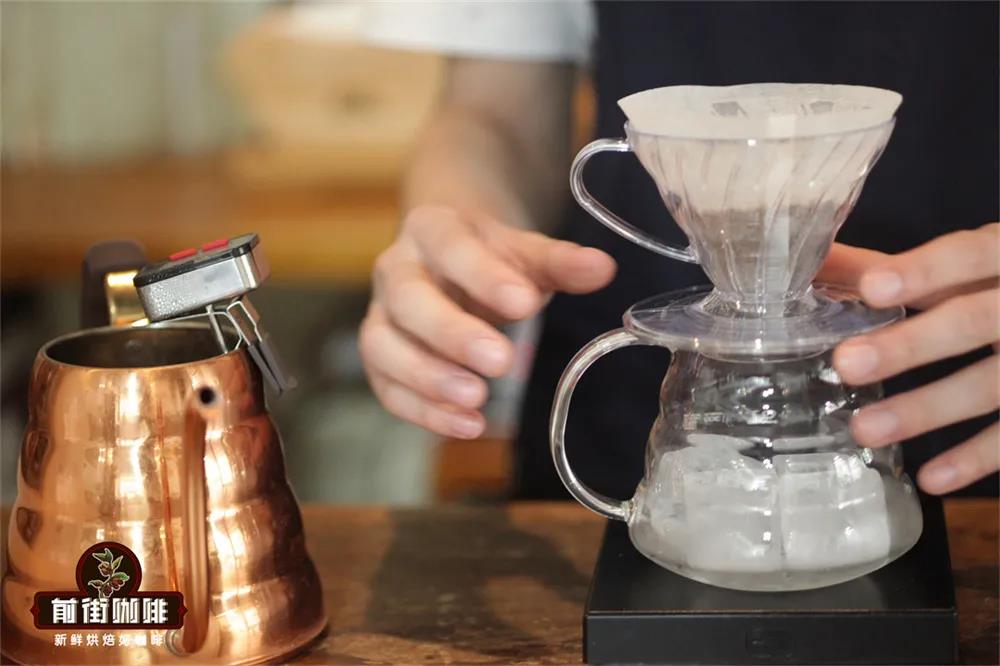
So with iced pour-over you have to think about the ratio differently. The coffee grounds should be measured against the total weight of coffee liquid plus ice, and that total should come to 1:15. If you brew with 15g of grounds, the coffee liquid and ice combined need to reach 225g (15g of grounds x 15).
FrontStreet Coffee brews iced pour-over at a coffee-to-water ratio of 1:10, which means 15g of grounds and 150g of water (15g x 10). During blooming, the grounds absorb roughly 25-30g of water, so the finished coffee liquid weighs about 120-125g. Subtract that 120-125g from the 225g target and you are left with 100-105g of ice cubes to add.
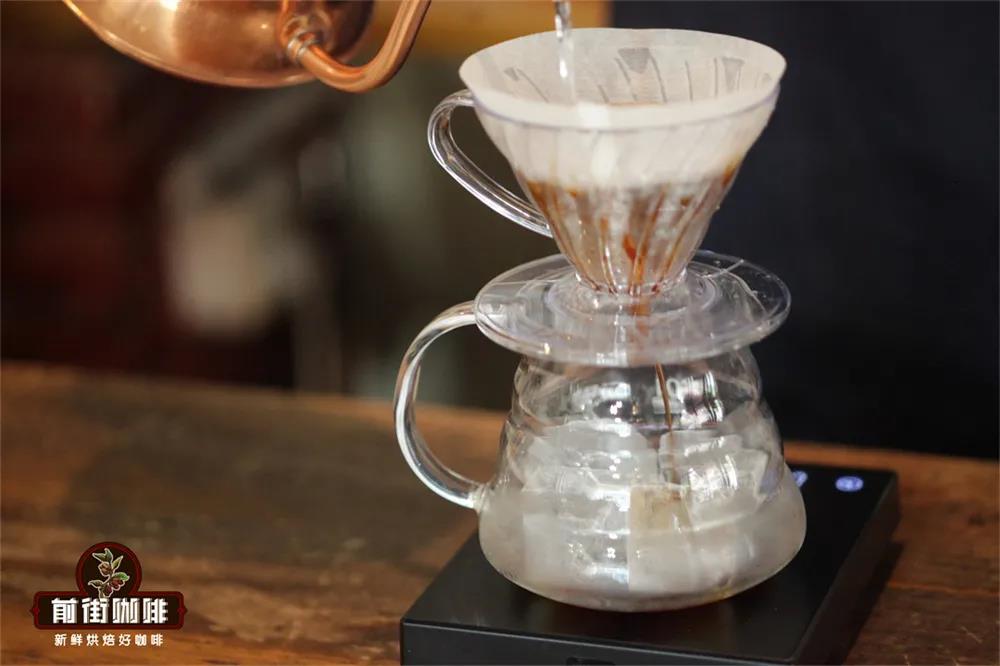
Because iced coffee extracts faster than hot pour-over, the grind size can be a touch finer than you would use for a hot brew - just slightly, enough to let the flavor compounds release more quickly. FrontStreet Coffee suggests a grind size with about an 80% pass-through rate on a Chinese standard #20 sieve for light to medium roasts, and about 73% for medium-dark roasts. If your grinder cannot make such fine adjustments, use your regular hot pour-over grind size and brew with water 1-2 degrees Celsius hotter.
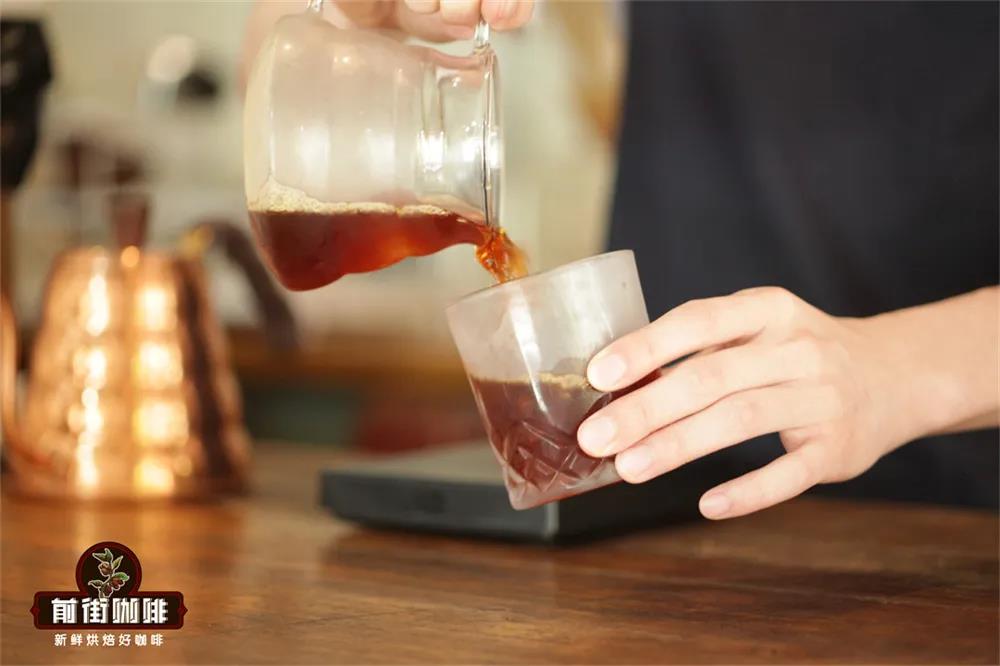
"All those calculations are too much for me - I just use stainless steel ice cubes!" one enthusiast shared. Brew with your usual hot pour-over parameters, then drop in stainless steel ice cubes to cool the coffee down. Unlike with alcohol, coffee strength can be dialed in through the coffee-to-water ratio during brewing, so chilling with stainless steel ice cubes afterward works just fine too.
Cold Brew Coffee
Cold brew is loved for everything except how long it takes. No brewing skill required - just a bottle, a bag of beans, and one night, and you can wake up to iced coffee with a full, rich texture. Unlike the hot-water extraction used for pour-over, cold extraction pulls out far fewer bitter compounds. By extending the extraction time and fully saturating the grounds, it draws out small flavor molecules such as floral and fruity notes more easily. Immersion-brewed coffee has a smoother, fuller mouthfeel, an intense aroma, and more perceptible sweetness.
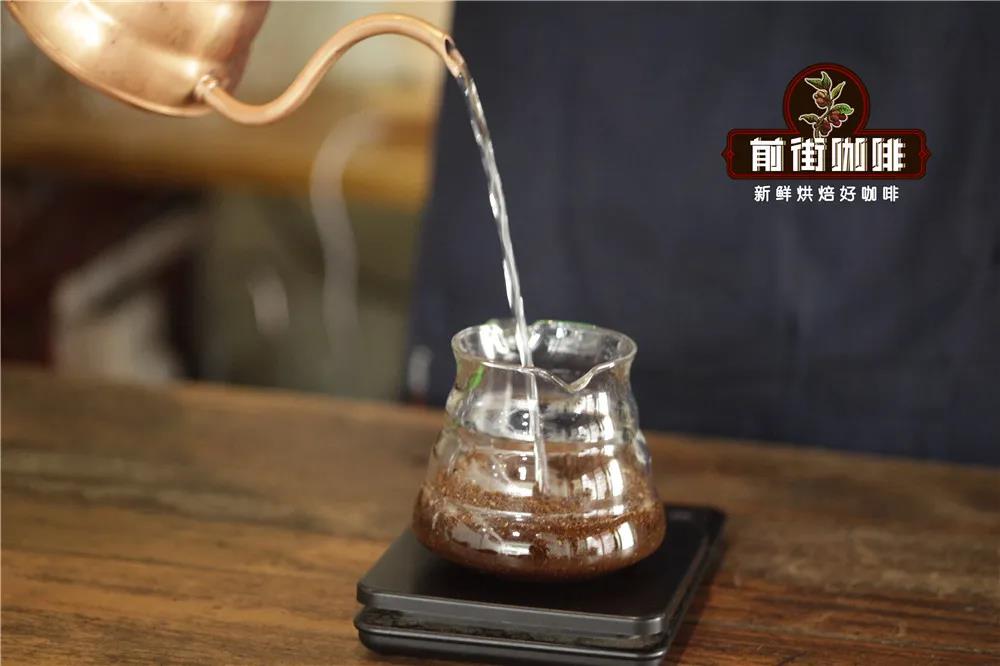
FrontStreet Coffee recommends a coffee-to-water ratio of 1:15 for cold brew. For example: 30g of coffee with 300g of room-temperature water and 150g of ice cubes. Stir thoroughly and refrigerate for 12-24 hours. Once extraction is done, filter out the grounds with filter paper or a fine-mesh strainer before drinking.
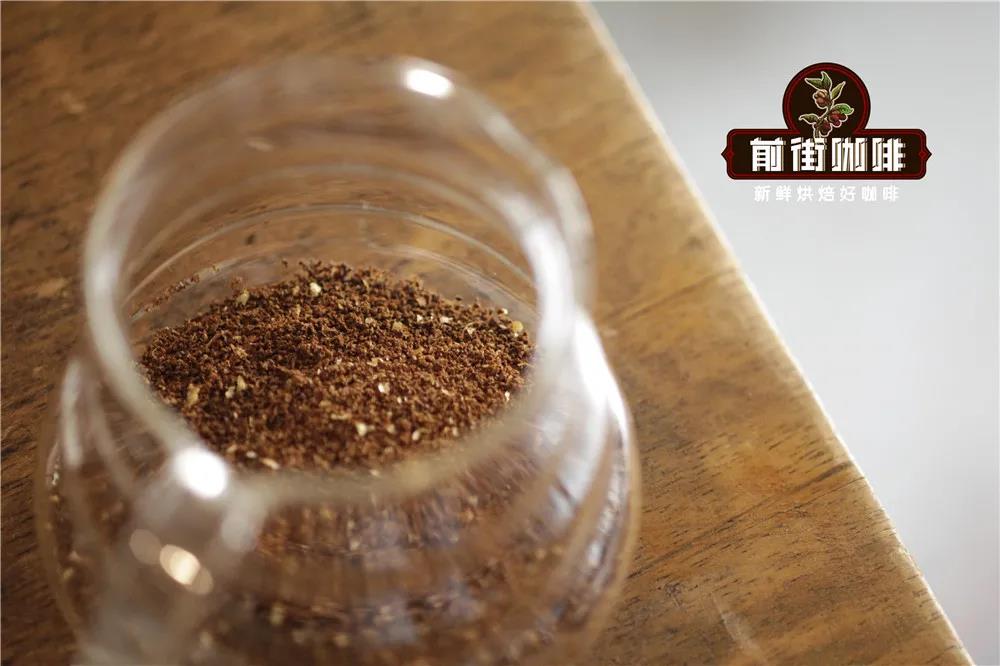
One important note: the grounds used for cold brew immersion should never be ground too fine. A grind size with about an 80-85% pass-through rate on a 0.85mm standard sieve is recommended. Cold extraction reduces the appearance of bitter compounds, but it is not 100% effective. If the grind is too fine, the acidic and sweet compounds are extracted quickly, followed by the rich, heavy compounds. A moderate amount of those heavier compounds can add body, but with prolonged immersion, woody flavors start to emerge and the cup loses its cleanliness.
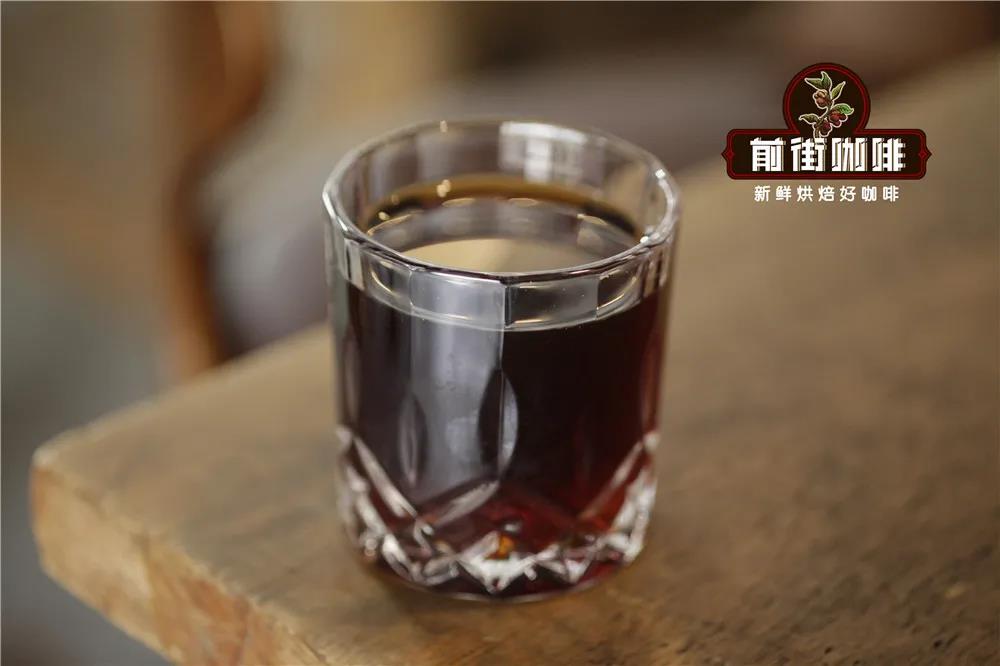
"Cold brew tastes amazing if you leave it in the fridge for 7 days before drinking!" one enthusiast claimed. Is that true? Theoretically, the longer cold brew sits, the more intense its fermented flavors become. But when those fermented notes grow too strong, they mask the coffee's original taste. For anyone who does not enjoy heavily fermented flavors, FrontStreet Coffee does not recommend trying this casually. Cold brew tastes best 2-3 days after the grounds are filtered out, and it is best not to store it beyond 7 days.
Iced Drip Coffee
Iced drip coffee combines drip extraction with cold extraction, and its equipment and steps are more involved than either iced pour-over or cold brew. The method hinges on extraction by "dripping," so the water flow must stay in a steady drip at all times. Achieving that drip requires a dedicated iced drip coffee maker. The resulting cup is cleaner in the mouth than cold brew, with more distinct layers and clarity of flavor than iced pour-over.
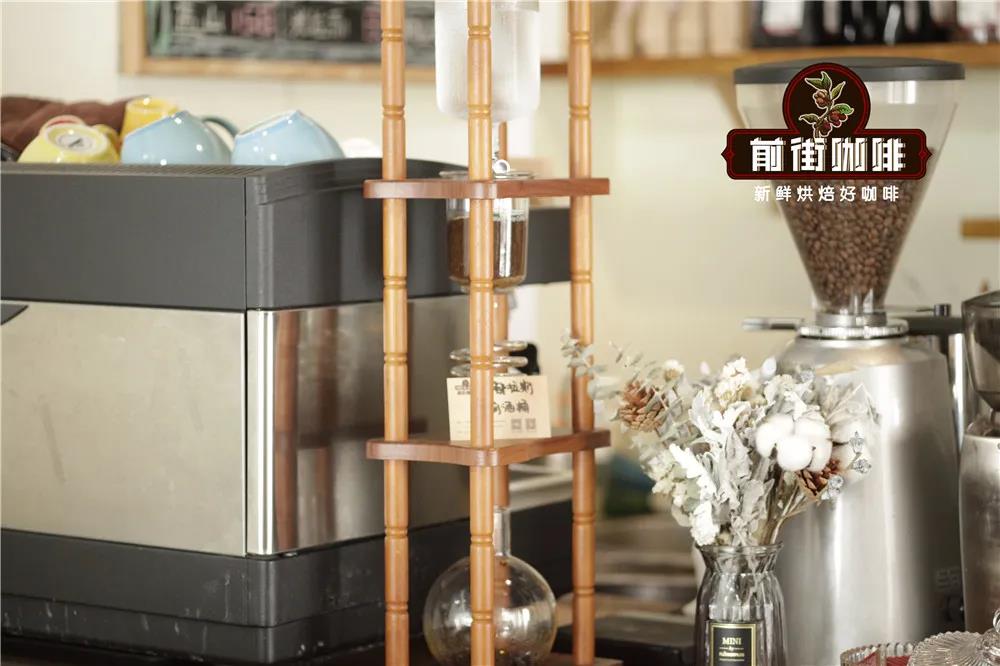
FrontStreet Coffee recommends a coffee-to-water ratio of 1:13 for iced drip coffee. Extract using the coffee amount suggested in your iced drip maker's instructions, then draw off a volume of coffee liquid equal to 13 times that amount. A grind size with about an 85% pass-through rate on a 0.85mm standard sieve is recommended, which yields a rich, full-bodied iced drip coffee with clear layers.
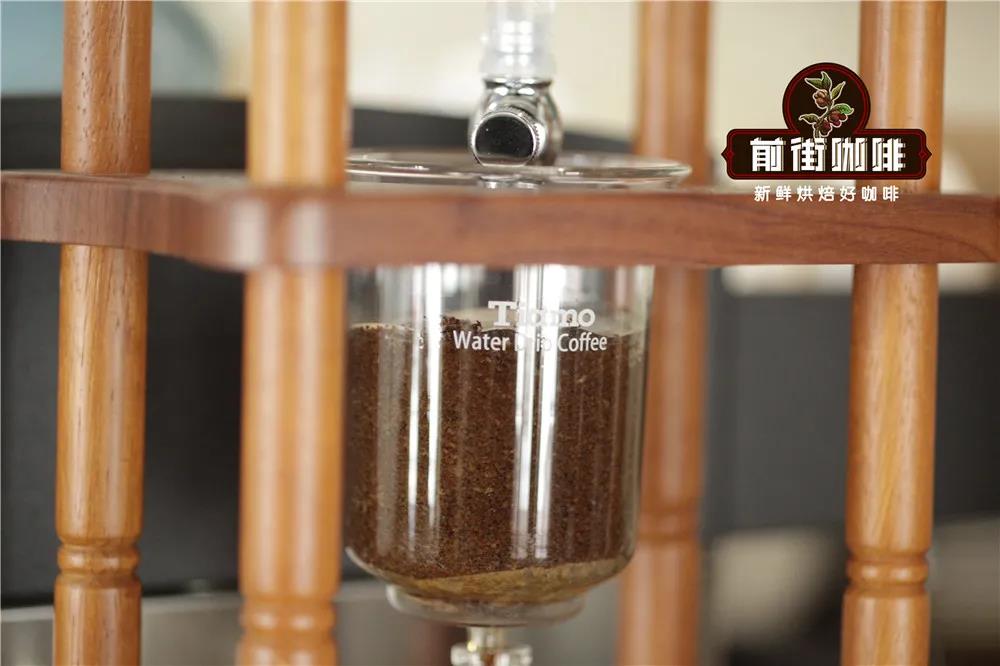
The ice-to-water mixture used for extraction should be 1:1, and the valve should hold the flow at 7 drops per 10 seconds. The whole extraction usually takes 6-8 hours. One important note: once extraction is finished, refrigerate the iced drip coffee for 12 hours before drinking. Freshly extracted iced drip coffee has little flavor - only sour and sweet sensations, no richness. A 12-hour low-temperature rest lets it develop aromatic fermented notes while the original flavors grow more intense, provided the container holding it is absolutely clean.

Unlike cold brew, iced drip coffee does not get better after a couple of extra days. On the contrary, iced drip coffee stored for more than 5 days develops a spoiled sourness that makes it hard to drink. So iced drip coffee tastes best within 3 days of its 12-hour low-temperature rest, and it is best not to store it beyond 5 days.
FrontStreet Coffee Recommendation
For cold brew, the beans matter as much as the ratio, because cold extraction amplifies floral and fruity notes while muting roast and woody tones. That makes light to medium-light roasts the natural choice. FrontStreet Coffee's Strawberry Candy Geisha blend pairs a classic Panama Geisha with a Costa Rican honey-processed coffee: the Geisha brings delicate rose and orange, while the honey-processed component adds grape, dried blueberry, and strawberry gummy sweetness. Cold brewed, it turns bright and lively, and given a little extra time to ferment it takes on a wine-like fruit character.
If you want flowers up front, reach for FrontStreet Coffee's sun-dried Huakui from Ethiopia. Sun drying lets the beans soak up sweetness from the fruit and parchment, and in a cold brew the cup shows magnolia, cream strawberry, mango, guava, and black tea. Its sweetness is pronounced and its bitterness very low, so it suits the gentle, slow extraction of cold brew perfectly.
For a coffee with real juice and body, FrontStreet Coffee's Kenya Small Tomato is a strong pick. Grown in Kenya's Thika region at 1,550-1,750 meters from the classic SL28 and SL34 varieties and graded AA TOP, it is processed with Kenya's signature 72-hour double washed fermentation and roasted light to preserve its bright acidity. In cold brew, its cherry tomato, umeboshi, pear, and black plum notes come through cleanly, with low bitterness and a long finish.
Since cold brew uses more grounds than pour-over, it also pays to blend. FrontStreet Coffee's Colombia Sidra - from Finca La Divisa at 1,650-1,800 meters, processed as a double anaerobic natural and roasted medium-light - carries jasmine and citrus in the dry aroma and passion fruit, blueberry, grape, and apricot in the cup. It works beautifully as a cold brew on its own, and blending it 1:2 with FrontStreet Coffee's Costa Rica Tarrazu stretches the budget while keeping the floral, fruity character and adding a crisp citrus acidity.
Important Notice :
FrontStreet Coffee is a long-established specialty coffee roaster in Guangzhou China, selling freshly roasted beans from its own farm in Yunnan as well as dozens of carefully selected single-origin beans from around the world for both pour-over and espresso. The products deliver consistently excellent quality and great value, with shipping within 24 hours. Guangzhou's FrontStreet Coffee shop is recommended by many coffee lovers, and the beans are now available online at the Tmall 。
FrontStreet Coffee has moved to a new address:
FrontStreet Coffee Address: 315,Donghua East Road,GuangZhou
Tel:020 38364473
 Scan and follow the En Gafei WeChat official account. Please indicate that the reprint comes from "En Gafei".