Pacas and Pacamara Coffee Beans Origin - Salvadoran Coffee Cultivation History Story and Bourbon Characteristics
Position as coffee exporting country in the world (19/20):
19th
Annual export in bags (60kg) (19/20):
Approximately 546,000
Percentage of world coffee market:
Less than 1%
Other major agricultural exports:
Sugar, corn, rice, beans
Typical varieties produced:
Bourbon, Pacas, Pacamara, Caturra, and Catuai
Main coffee producing regions:
Apaneca-Ilamatepec Mountain Range, Central Belt, Chichontepec, Cacahuatique Mountain Range, and Tecapa-Chichontepec Mountain Range
Typical harvest time:
October - March
Typically available:
From July onwards
El Salvador is the smallest country in Central America, yet it consistently produces high-quality coffee to exacting standards. Mercanta regularly purchases selected single varieties — orange/pink bourbon, red bourbon and Pacamara among them — and has built strong, long-term relationships with many producers and mills in this small coffee powerhouse.
The history of coffee in El Salvador is inseparable from the development of the country itself. Coffee was introduced in the late 1880s and soon replaced indigo as the nation's main export. By the 1920s, coffee accounted for 90% of all El Salvador's exports.
That enormous production was owned by a small landholding elite — by 1895, General Tomas Regalado alone owned over 6,000 hectares — and was tightly bound up with the governance of El Salvador, with both negative and positive consequences for the country's development. On one hand, these leaders of the coffee economy (and the country) invested heavily in internal infrastructure such as roads, which benefited the coffee industry; on the other, the landless — the majority of El Salvador's population — were largely shut out of the wealth that was created.
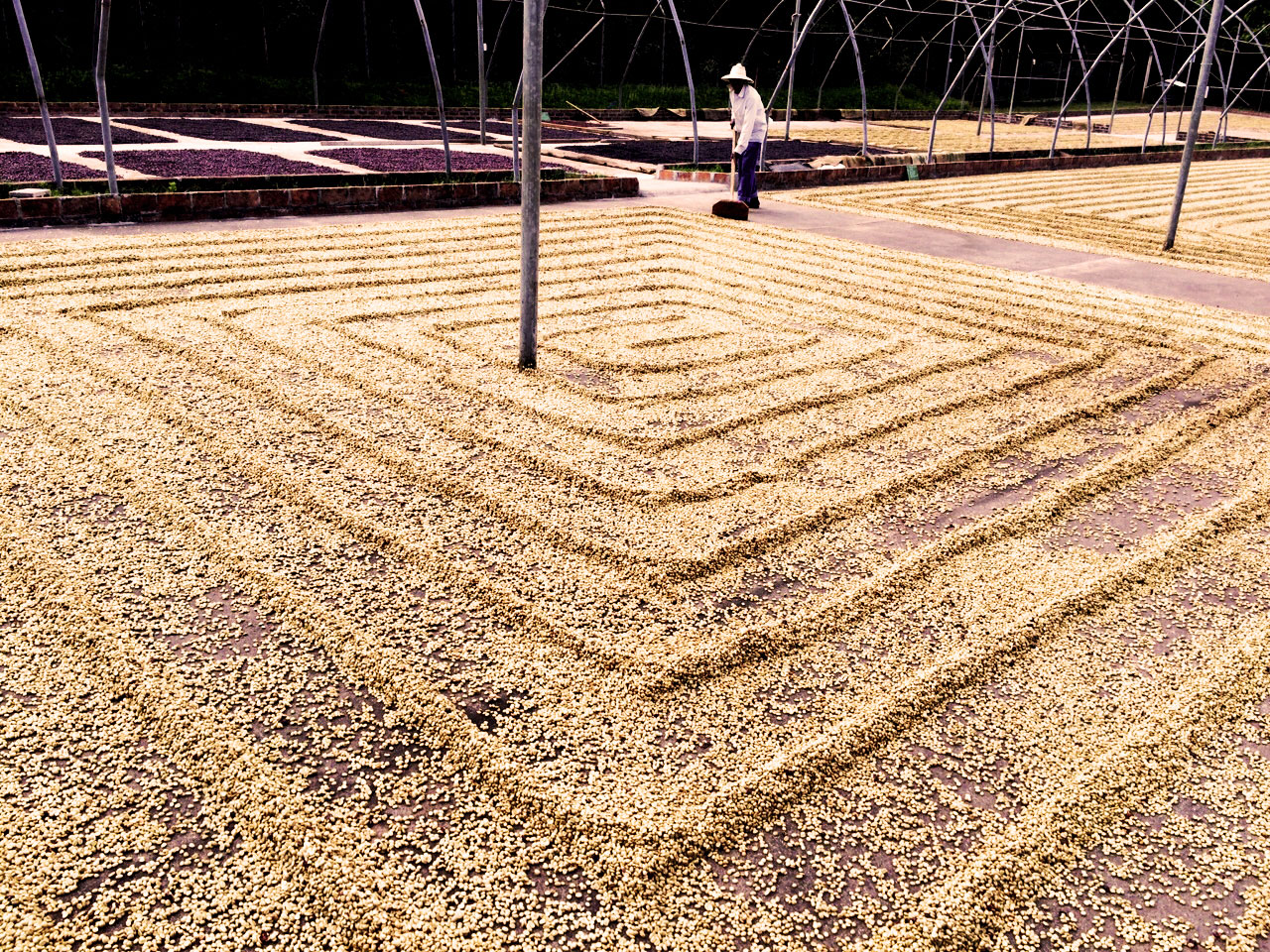
By the 1970s, El Salvador was the world's fourth-largest coffee producer, a remarkable feat given the country's size. But the political and economic over-reliance on coffee brought periodic turmoil, which eventually led to a civil war that lasted from 1979 to 1992. That era and the war's aftermath also brought major land reforms and redistribution, which ultimately broke up many of the country's large traditional estates. Today, about 95% of the country's coffee producers farm less than 20 hectares, and no one may own more than 245 hectares.
Unusually for Central America, about 60% of the coffee grown in El Salvador is bourbon, known for being exceptionally clean, bright and sweet with rich citrus flavors. But that unusually high share of the famous variety is under threat from coffee leaf rust, which has hit the country's production hard, contributing to a 20% decline in export revenue between 2011 and 2013.
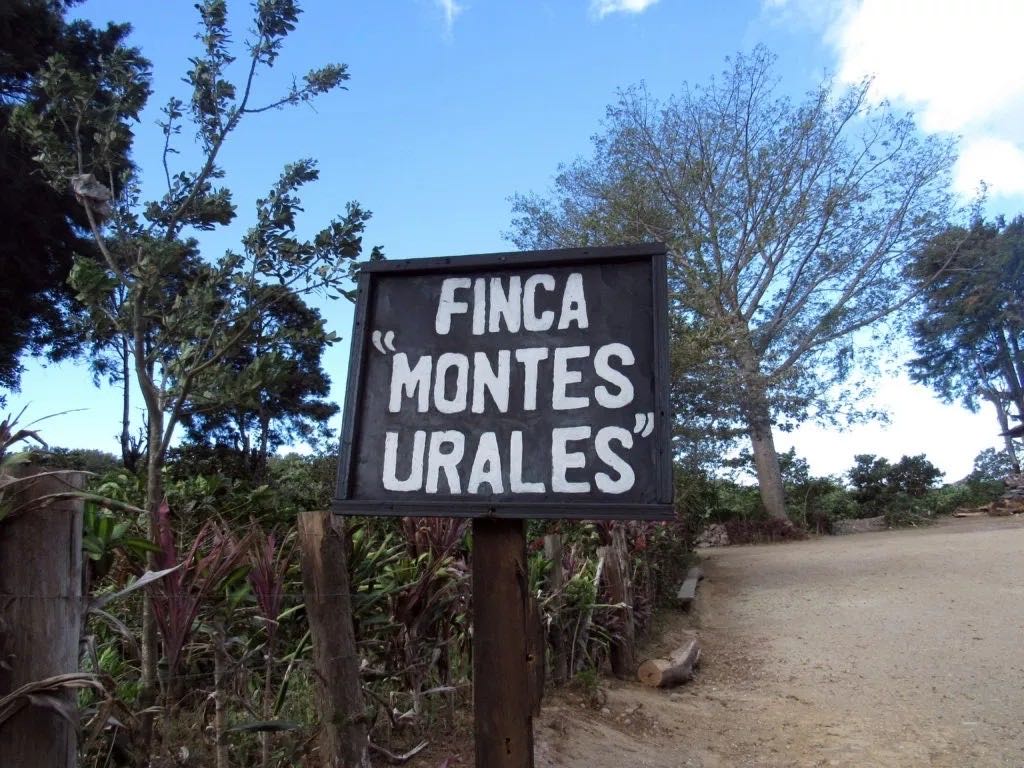
FrontStreet Coffee's El Salvador Ura Mountain Estate coffee is a bourbon variety, and its honey processing amplifies the coffee's sweetness. On the entry, there are flavors of black plum and grapefruit with a hint of citrus acidity, nutty chocolate, a brown-rice-tea aftertaste and a sugarcane finish, all carried on a full-bodied texture.
It's worth noting that El Salvador is also the birthplace of the Pacas and Pacamara varieties, the latter a hybrid of Pacas and Maragogype. Famous Salvadoran Pacamaras typically produce a bigger body, with tropical fruit, a syrupy texture, citrus brightness and a distinctive yellow grapefruit aftertaste.
About 95% of the coffee produced in El Salvador is shade-grown, and the passion and expertise of farmers, combined with skilled picking and milling, contribute greatly to the country's sustained high quality. Today, producers are also supported by the Consejo Salvadoreño Del Café, which has done extensive work to support and promote Salvadoran coffee at home and abroad and to assist domestic producers. Through that work, the council tirelessly opens up export markets for growers while maintaining and improving the quality of the coffee El Salvador produces.
FrontStreet Coffee Recommendation
If the honey processing here appeals to you, FrontStreet's Costa Rican lineup is a natural next stop. Costa Rica grows coffee at high altitude with wide day-night temperature swings and rich volcanic soil, which yields lots of the dense SHB grade, and the country's honey processing — where sticky mucilage stays on the bean as it dries — gives its coffees a full, clear sweetness. Try FrontStreet's Blackberry, made with a black-honey process, or FrontStreet's Mozart, made with raisin honey processing; both pour out raisin and blueberry sweetness with osmanthus and rose aromatics, and they hold up beautifully as pour-over, cold brew, Americano or latte.
For an easy everyday favorite, FrontStreet's Colombia Huila is a great entry point. Huila is Colombia's most famous specialty region: mountains on every side, planting elevations above 1,500 meters, and the meeting point of the country's most important rivers, which brings abundant humidity and water. Colombian coffee tends toward gentle florals and soft fruit acidity, and if you want to explore further, FrontStreet's Colombia Sidra and Colombia "Da Du Qi" are worth seeking out.
And if you'd like to taste the variety that made this region famous, FrontStreet's Panama Boquete Washed Geisha is a wonderfully approachable way in. Boquete is Panama's signature specialty region, and this washed Geisha has pure varietal character, so you can clearly taste the citrus-and-honey notes Geisha is known for — and enjoy the range of Panama Geisha at a fraction of the price of the top estates.
Important Notice :
FrontStreet Coffee is a long-established specialty coffee roaster in Guangzhou China, selling freshly roasted beans from its own farm in Yunnan as well as dozens of carefully selected single-origin beans from around the world for both pour-over and espresso. The products deliver consistently excellent quality and great value, with shipping within 24 hours. Guangzhou's FrontStreet Coffee shop is recommended by many coffee lovers, and the beans are now available online at the Tmall 。
FrontStreet Coffee has moved to a new address:
FrontStreet Coffee Address: 315,Donghua East Road,GuangZhou
Tel:020 38364473
 Scan and follow the En Gafei WeChat official account. Please indicate that the reprint comes from "En Gafei".