What is Cappuccino Coffee: How to Brew a Delicious Cup of Cappuccino
Cappuccino: The Art of Latte
Cappuccino is one of those espresso drinks you simply must order at any cafe. Rich milk foam over a thick espresso, sweet yet robust - it fires the imagination and leaves you wanting another sip.
Ever wondered how a delicious cappuccino - especially those beautiful designs on the surface - is actually made? FrontStreet Coffee walks you through it.
Tools You Need for Cappuccino Latte Art
Latte Art Pitcher: Also called a milk pitcher, this is essential for creating milk foam and pouring it into espresso. A comfortable, easy-to-use pitcher holds about 350-450 CC, has a bird-beak spout, and is made of stainless steel.
Spoons: Keep two kinds on hand for different jobs. A large round spoon covers the pitcher's spout or scoops up milk foam; a small teaspoon picks up decorative foam or places foam onto the coffee surface.
Latte Art Pen: An indispensable tool for drawing patterns in the foam - and a toothpick or bamboo skewer works just as well.
The Right Cup: Latte art uses the convection between espresso and milk as its canvas, so round-bottomed cups work best. Thick walls also slow the coffee's cooling, keeping the pattern visible longer. Regular cappuccinos use smaller cups of about 150-180 CC, but for latte art, cup size comes down to personal preference - wider-mouthed cups can be used depending on the design.
Keys to Cappuccino Latte Art
Two things matter above all: espresso with Crema still floating on the surface, and fine, silky milk foam. Without Crema, the milk just clouds into the coffee. So pour the milk before the Crema disappears.
Good milk foam takes technique. After frothing, tap the pitcher's base gently on the counter to burst the large bubbles, then swirl the pitcher with a drawing motion to even out the texture before pouring. If the foam is not dense enough, the milk and espresso will not convect and the foam will not float. Good foam is fine-textured with just the right weight - that is what lets a pattern hold.
The Cappuccino Latte Art Canvas
Pouring the foam creates a canvas on the coffee surface for your design. There are three kinds: the brown canvas, the large-circle canvas, and the small-circle canvas.
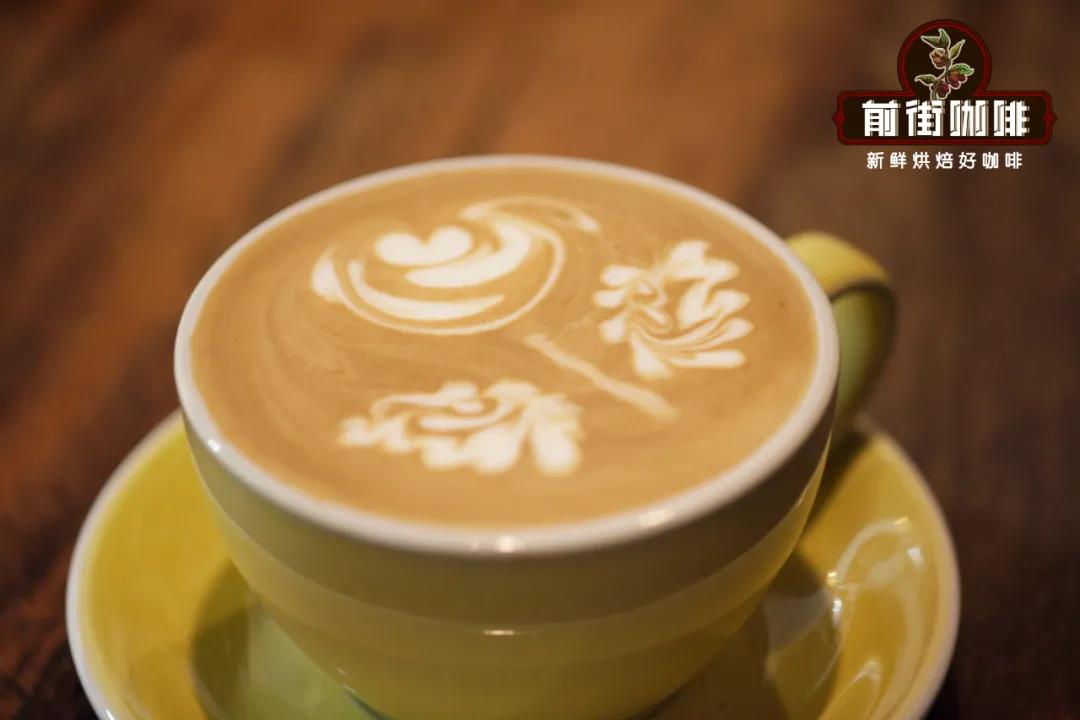
Making Clover and Heart Patterns
Place dots of foam to form small circles, then draw heart variations with the latte art pen. Use the teaspoon's handle to place four small foam circles on the coffee, then draw four hearts by cutting through the middle of each with the pen, and finally draw the clover's stem. For mini hearts, place three small foam circles and slice through their middles the same way.
FrontStreet Coffee Recommendation
Great latte art starts with an espresso that pours a stable, fine crema - and that means choosing the right beans. For practicing at home, FrontStreet's Classic Blend is the go-to: a medium-dark, three-origin espresso recipe inspired by the old-school "Mamba" pairing of Mandheling and Brazil, with a touch of Robusta for aroma and crema. It extracts with noticeable butter, toasted bread, and caramel-cookie notes, a solid body, and fine, stable crema - the essential beginner's home coffee.
If you prefer a nutty, aromatic profile, the FrontStreet Signature Blend pairs Colombian washed with Brazilian pulped natural beans for nuts, dark chocolate, and caramel; in milk it turns creamy with almond and cocoa, and its crema stands comparison with cafe output - more than enough for serious latte-art practice at home or on a shop's bar.
And for anyone about to open a cafe, the FrontStreet Commercial Blend adds a little Robusta on top of the Signature recipe, deepening the dark-brown crema and the body, so Americanos, lattes, and mochas all carry that nutty-cocoa-caramel character - and pouring patterns becomes effortless.
Important Notice :
FrontStreet Coffee is a long-established specialty coffee roaster in Guangzhou China, selling freshly roasted beans from its own farm in Yunnan as well as dozens of carefully selected single-origin beans from around the world for both pour-over and espresso. The products deliver consistently excellent quality and great value, with shipping within 24 hours. Guangzhou's FrontStreet Coffee shop is recommended by many coffee lovers, and the beans are now available online at the Tmall 。
FrontStreet Coffee has moved to a new address:
FrontStreet Coffee Address: 315,Donghua East Road,GuangZhou
Tel:020 38364473
 Scan and follow the En Gafei WeChat official account. Please indicate that the reprint comes from "En Gafei".